REVIEW · PICTON
Motuara Island Sanctuary: Wildlife & Dolphin Watching Tour
Book on GetYourGuide →Operated by E-ko Tours · Bookable on GetYourGuide
Dolphins and rare birds in one trip. This 4-hour tour pairs a DOC predator-free island walk with a calm Marlborough Sounds cruise, guided by marine experts who help you spot animals you’d miss on your own. My favorite part was the species ID cards and on-the-spot guidance that turns random sightings into real understanding.
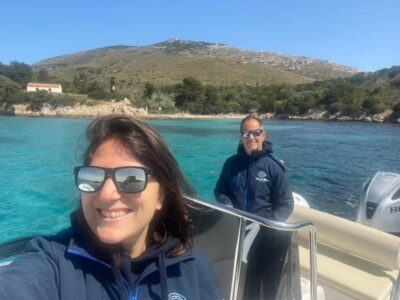
I also love the small-group feel. You’re in a group sized for questions (about 1 to 15), and guides such as Courtney and Dan, or Connor and Daniel, keep the commentary fun while pointing out what to look for.
One drawback to factor in: wildlife depends on conditions. If the water is rough or visibility drops, sightings can be less predictable, and inside seating is limited, so sunny or calmer days are easier for photos and views.
In This Review
- Key Highlights You’ll Care About
- Picton Waterfront Start: E-ko Tours and the Dolphin-Spotting Vibe
- Queen Charlotte Sound Cruise: Calm Water for Real Dolphin-Watching
- Motuara Island Sanctuary Walk: Rare Birds on Predator-Free Ground
- Wildlife Targets: Dolphins, Shags, Penguins, and the Orca Question
- What the Guides Do Well: From Courtney and Dan to Connor and Daniel
- Photos, Binoculars, and the Phone-Ready View
- Drinks, BYO Lunch, and How to Set Up a Smooth Half Day
- Price and Value at $100: Does It Pencil Out?
- Who Should Book (and Who Might Skip It)
- Should You Book Motuara Island and Dolphin Watching?
- FAQ
- Where is the meeting point?
- What time do morning and afternoon tours depart?
- How long is the tour?
- Is lunch included?
- What drinks are included?
- Are binoculars provided?
- Does the tour include species identification help?
- What wildlife might I see?
- Are photos included?
- Is there any guarantee for endangered species?
- Is there a cancellation option?
Key Highlights You’ll Care About
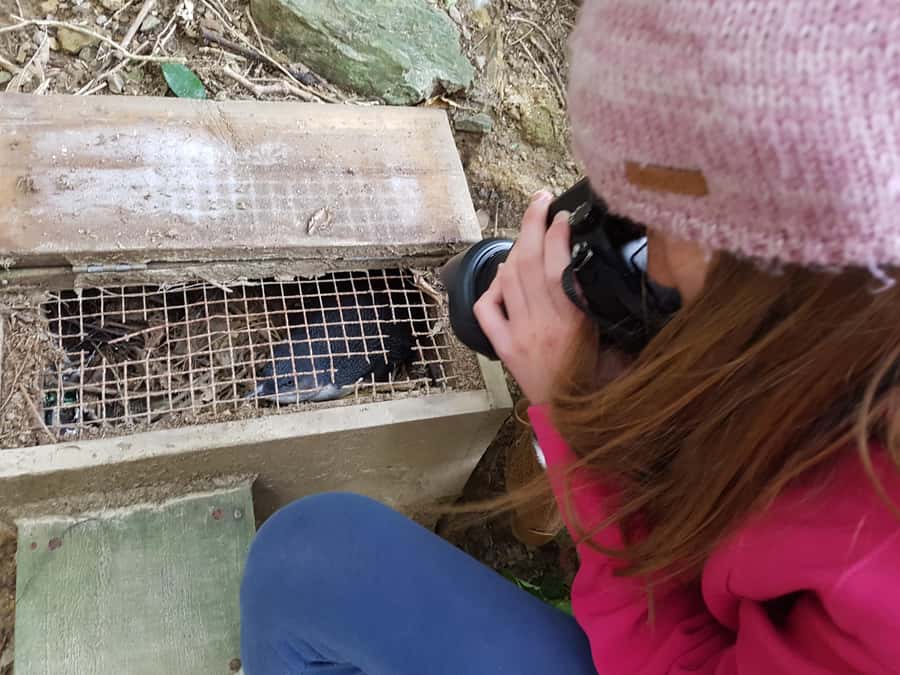
- DOC predator-free Motuara Island: walk trails that support rare native birds without introduced predators.
- WCA-certified marine wildlife guidance: clear instruction on what’s likely out there and how to track it.
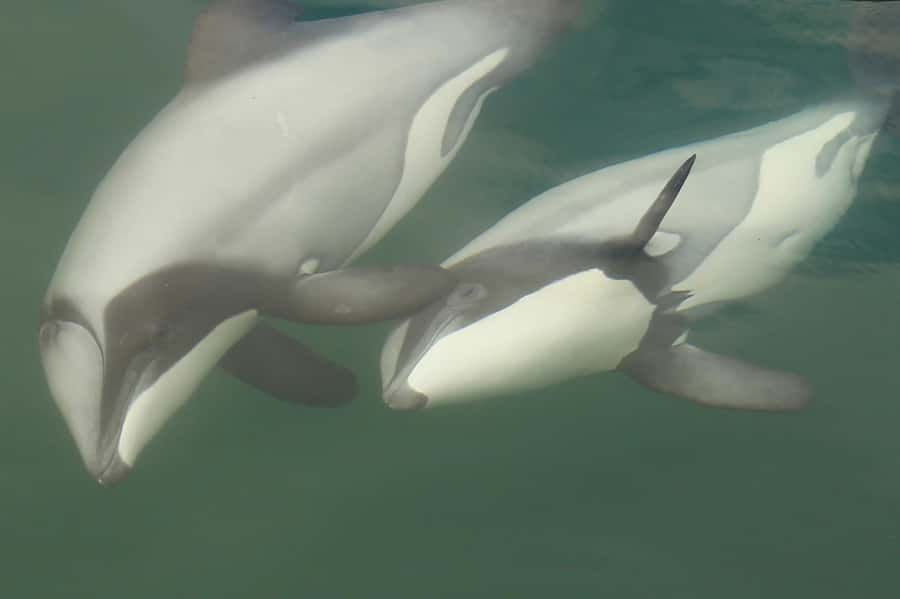
- Hector’s dolphins as a target species: plus chances for King Shags, penguins, and even Orca when luck’s on your side.
- Binoculars + species ID cards: make it easier to identify wildlife fast and accurately.
- Easy half-day planning: hot drinks included, and an afternoon option includes a glass of Pinot Gris.
- Conservation built in: part of each booking supports endangered species protection and ecosystem restoration.
Picton Waterfront Start: E-ko Tours and the Dolphin-Spotting Vibe
Most good days on the water start with a good start on shore. You meet at the E-ko shop on Picton Waterfront (1 Wellington Street, Picton), and yes—you’re told to look for the dolphin. Before you leave, there’s a quick briefing at 7:45 AM for the morning departure or 1:15 PM for the afternoon one. Then the tour heads out at 8:00 AM or 1:30 PM, which is perfect if you want a half day without losing your entire day to transit.
The briefing matters. It’s where you get the basics for spotting wildlife, plus the “how to look” tips that keep you from scanning the horizon like a confused meerkat. If you’re bringing kids, this is also the moment when the tour’s kid-friendly touches (toys, books, and drawing boards) make sense.
You’ll also want comfortable shoes—because Motuara Island is a walking experience. Bare feet aren’t allowed, and mobility scooters aren’t permitted, so plan on being steady on your feet.
You can also read our reviews of more tours and experiences in Picton.
Queen Charlotte Sound Cruise: Calm Water for Real Dolphin-Watching
This tour focuses on the Queen Charlotte Sound, and that’s a big deal. The cruise is designed around sheltered, calm waters, which helps you settle in and actually enjoy the wildlife rather than fighting the boat. They also advertise an exclusive no seasickness guarantee, which signals they’re serious about comfort—even though nature is still nature.
Once you’re out, the plan is straightforward: cruise with expert commentary, scan for wildlife, then reposition as sightings pop up. The overall tour is four hours, and there’s about an hour on the boat before and after the island segment, so it doesn’t feel like you’re spending half the day in transit.
What I like about this format is that the guide’s job isn’t just to narrate. A marine wildlife guide is there to help you understand patterns—where dolphins might travel, what birds often do near the water, and how to read the scene so you don’t miss the moment. On days like these, even a short sighting can feel like the main event.
You’re also given onboard viewing tools. Binoculars are included, and you get species ID cards so you can match what you’re seeing to what it likely is. That’s how you turn “I saw something” into “I saw Hector’s dolphins.”
Motuara Island Sanctuary Walk: Rare Birds on Predator-Free Ground
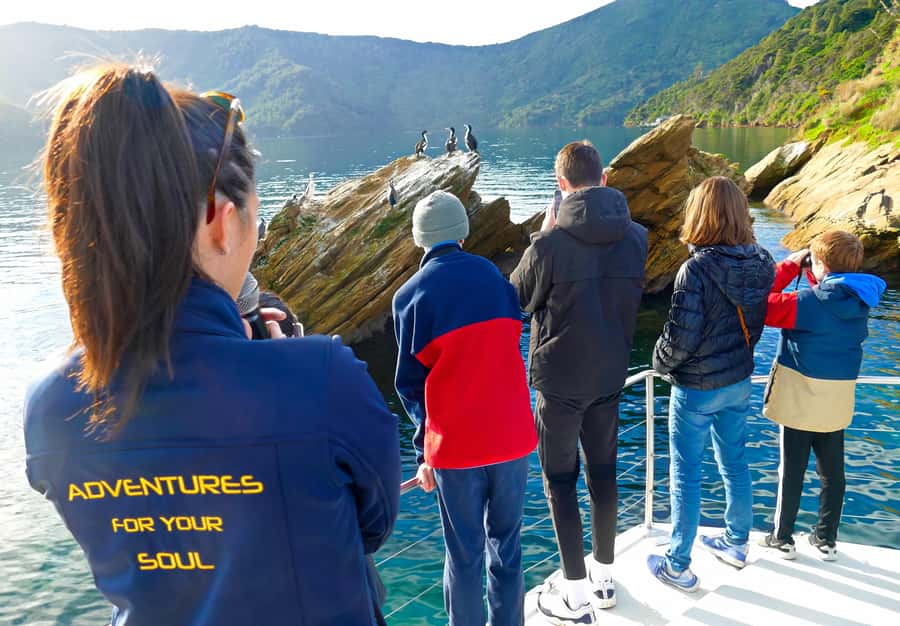
The heart of the trip is Motuara Island. You’re heading to a DOC predator-free sanctuary, which means the island is managed to protect native species that are vulnerable to introduced predators. That changes the whole feel of birdwatching. You’re not just looking at birds passing through—you’re seeing what conservation allows when conditions are controlled.
On arrival, you do a guided visit that includes forested trails and bird calls you can hear up close. The sounds are part of the experience, not background noise. The tour description highlights calls like saddlebacks, bellbirds, and robins, and those are the kinds of species that make birding feel personal.
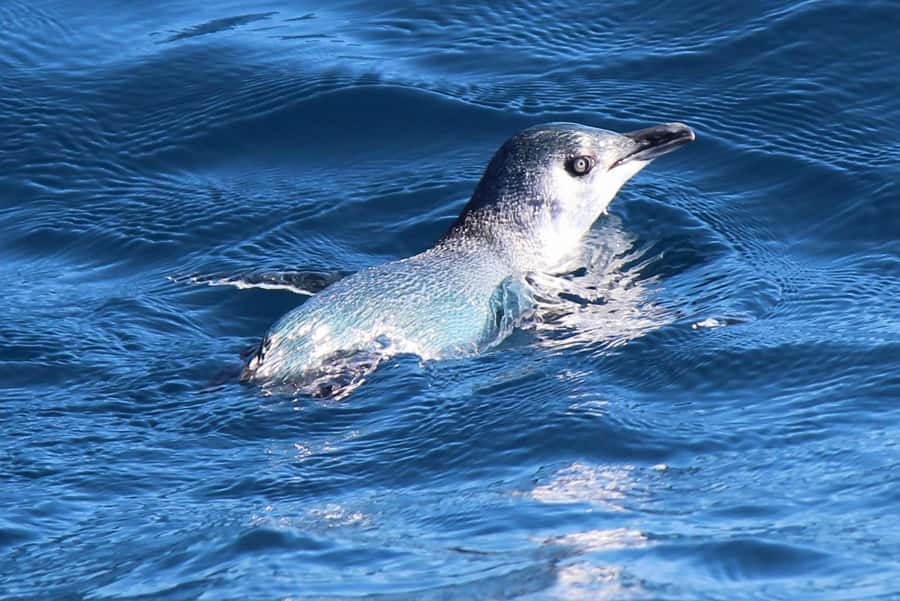
You might also spot iconic Motuara Island residents. The tour includes potential sightings of King Shags, little blue penguins, and gannets. Even if birds don’t all show themselves perfectly, the value is that you’re in the right kind of habitat. The predator-free setup is the reason these animals can exist safely here, so your visit is tied to a bigger conservation story.
One practical note: this is not a sit-on-a-bench kind of island stop. Wear shoes you trust. The trails are the point, and you’ll get more out of the walk if you’re not worrying about your footing.
Wildlife Targets: Dolphins, Shags, Penguins, and the Orca Question
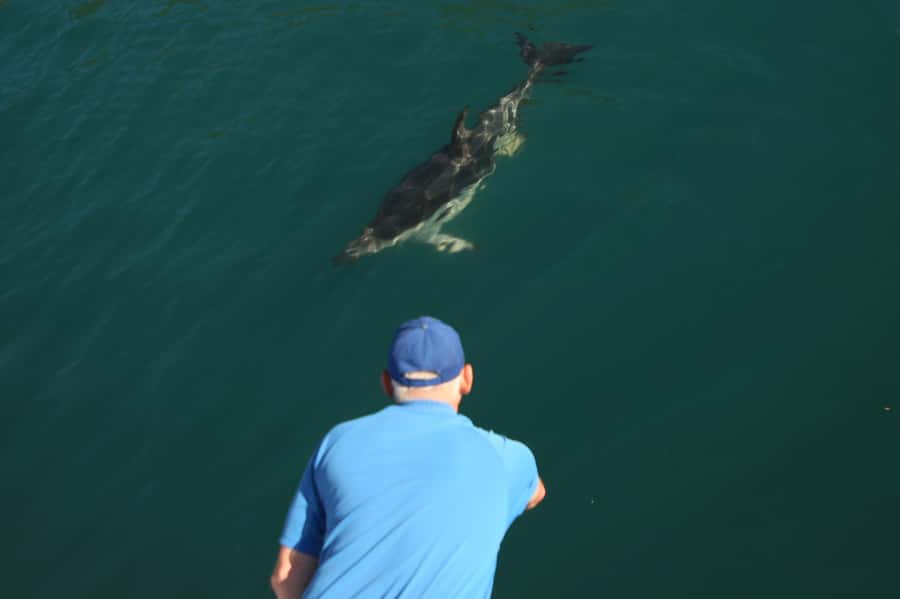
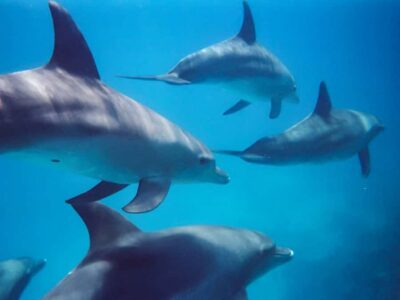
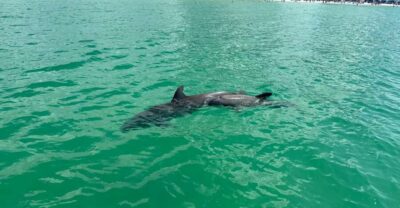
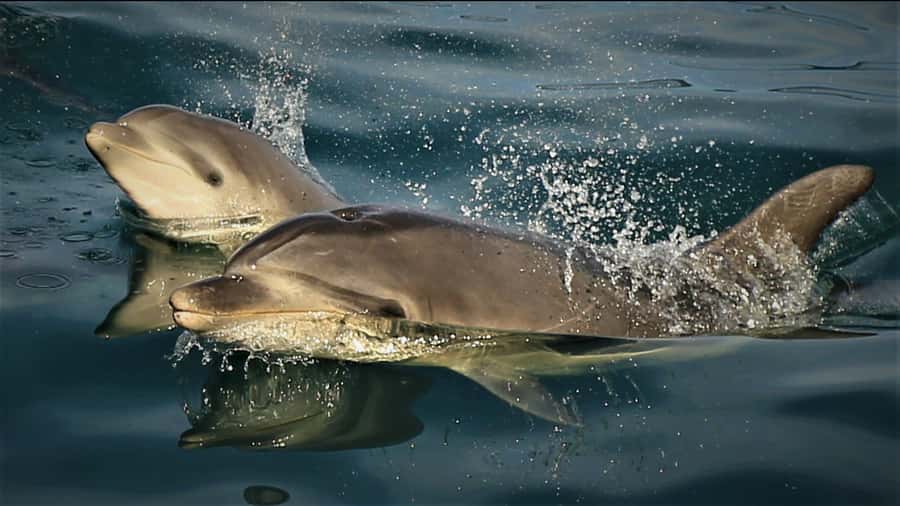
This is a wildlife-first tour, and the guide’s perspective helps you make sense of what you see. Hector’s dolphins are a main target, and the tour also lists potential dolphin types including bottlenose, common, dusky, and Hector’s dolphins. That range is useful for you because it sets expectations: you’re not only hoping for one species, you’re watching for a set of outcomes.
The bird list is equally part of the magic. King Shags are specifically called out, and there’s also a chance for gannets and other coastal birds. If you get the timing right, you may also see little blue penguins.
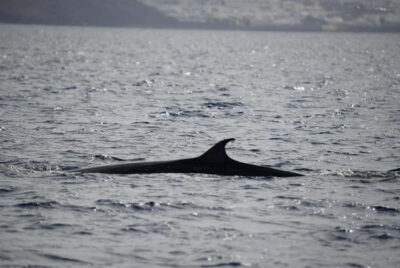
Then there’s the “if your lucky” possibility: Orca. That’s not something you can schedule, but it’s part of why the tour stays interesting. Even without Orca, you’re still hunting multiple species across the cruise and island walk, which makes the day feel like a real wildlife outing instead of a one-hit wonder.
One smart strategy: don’t just stare at the water surface. Birds often tip you off to activity, and the guide’s commentary is designed to point you toward what matters—like how to track movement or what behavior to watch for. Binoculars help here, and the species ID cards help you confirm what you’re seeing quickly.
What the Guides Do Well: From Courtney and Dan to Connor and Daniel
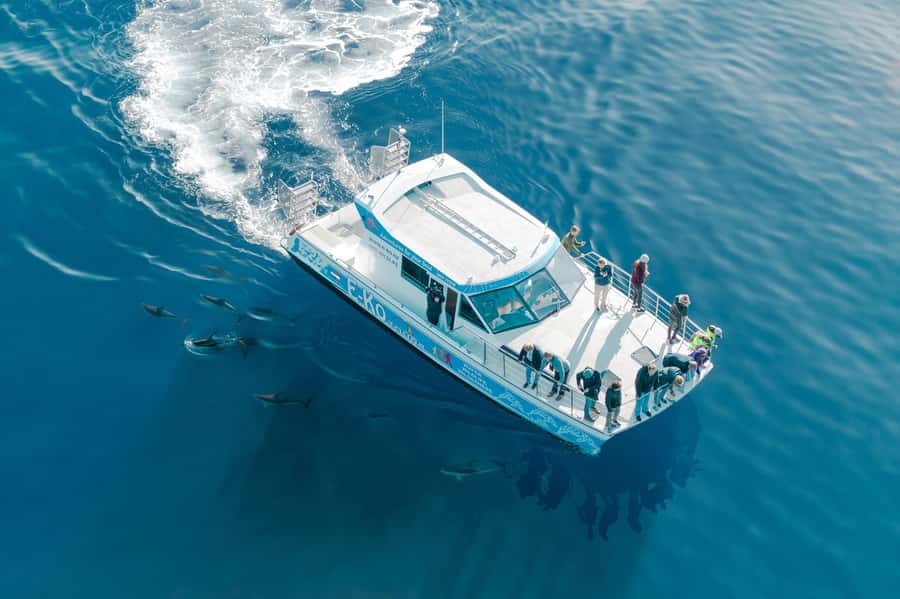
Guides are a huge part of whether a tour feels like a show or like fieldwork you can follow. On this trip, the commentary is part of the product, and the guide names that come up in experiences include Courtney and Dan, plus Connor and Daniel. Across different days, the same theme holds: they keep the facts digestible and the pacing lively.
I like that you’re not just hearing random bird facts. You’re getting a sense of how the Marlborough Sounds works and how marine wildlife fits into it. That makes your own spotting sharper. When you learn what the guide is watching for, your eyes stop being passive.
There’s also an emotional upside. On days with bad weather, you can’t force dolphins to appear. But you can still feel like your time wasn’t wasted. The guides are described as making the trip fun even when sightings aren’t exactly as planned, which is the right attitude for wildlife tourism.
Photos, Binoculars, and the Phone-Ready View
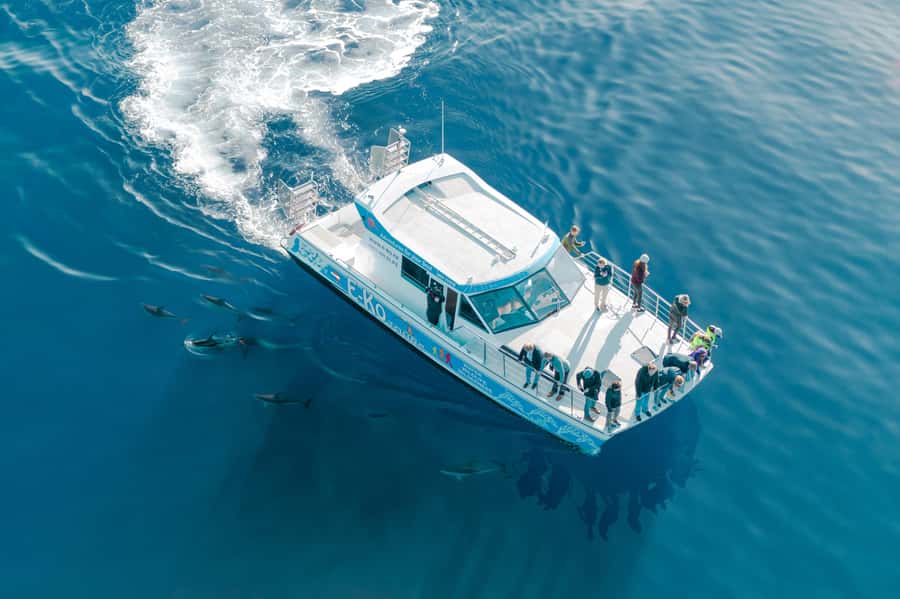
If you care about photos, you’re set up better than you’d expect. You get onboard binoculars, and the tour encourages close viewing so you only need your phone for most shots. They also include free high-quality wildlife photos, which takes pressure off your camera skills and lets you focus on watching.
There’s also mention of auto focus support, which fits the reality of wildlife photography: if you wait until you think your shot is perfect, the animal has already moved on. In practice, having help for quick focus matters more than having a fancy camera.
One more practical tip: space matters. There’s limited room inside the boat, so if you want the best chance of photos and clear views, book a day when conditions look more likely to be calm and you can stay outside.
Drinks, BYO Lunch, and How to Set Up a Smooth Half Day
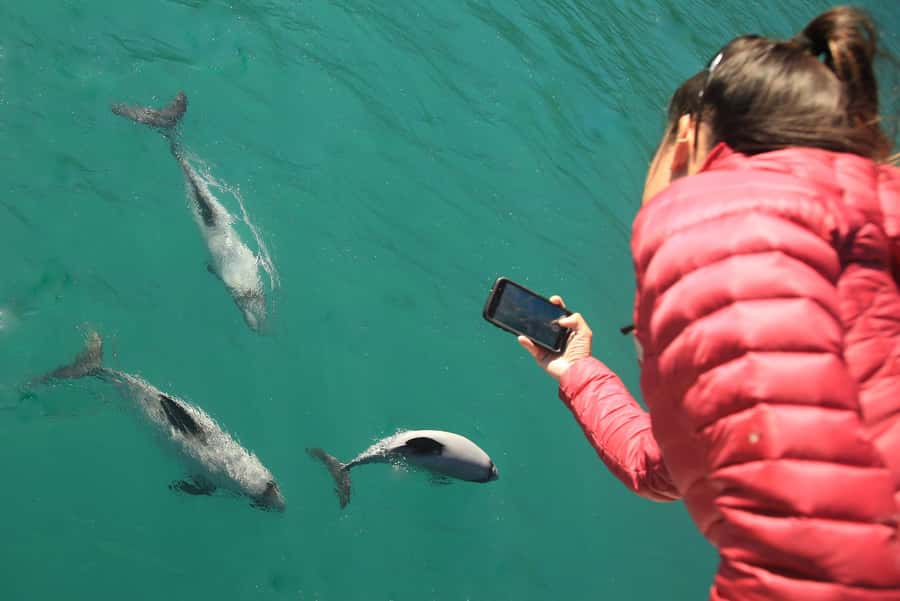
Plan for a full four hours, and plan food around it. Lunch isn’t included, so it’s a BYO situation. That’s not a dealbreaker because the tour is short, but it does mean you should bring something you’ll actually eat without rushing.
What you get for comfort is solid:
- Hot drinks included (tea, coffee, and hot chocolate), plus biscuits.
- Pinot Gris included on the afternoon tour.
That afternoon wine detail is a nice bonus because it turns the return cruise into a relaxed wind-down. It’s also a good reminder that this tour has two different “moods”: morning tends to feel more like early bird wildlife time, while afternoons mix wildlife with a small treat.
They also note that water and other drinks can be purchased at the store before departure, so you can top up without scrambling mid-day.
Price and Value at $100: Does It Pencil Out?
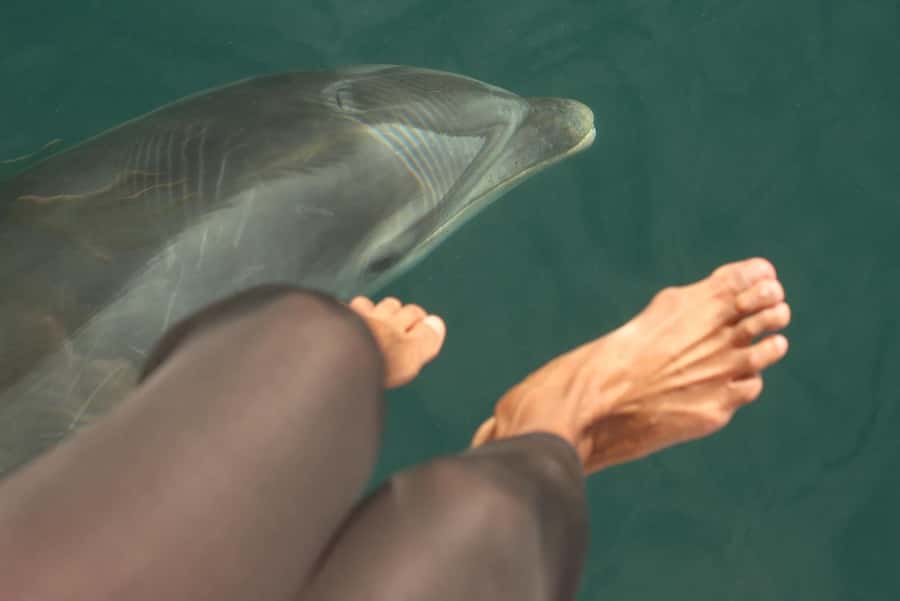
At $100 per person for a four-hour, guided wildlife experience, the value comes from what’s bundled—not just the boat ride. You’re paying for:
- A guided Motuara Island DOC sanctuary walk
- A marine wildlife cruise with expert commentary
- Binoculars and species ID support
- Hot drinks (and afternoon Pinot Gris)
- Free high-quality wildlife photos
When a tour includes identification tools and a small-group guide, you’re getting more than “transport to a place.” You’re getting help to interpret the place. That’s the difference between passing time and building memories you can actually explain later.
Also, there’s a built-in ethical value element. Part of every booking supports endangered species protection and local ecosystem restoration in the Marlborough Sounds. You’re not only out for fun—you’re tied to a conservation outcome, which makes the experience feel more grounded.
Is it expensive? Compared to a basic boat trip, yes. Compared to a guided wildlife day with education, equipment, and conservation funding, it’s easier to justify—especially if you want both dolphins and rare birds in one compact schedule.
Who Should Book (and Who Might Skip It)
This is a strong choice if you:
- Love wildlife and want a guide to help you identify what you’re seeing
- Want a mix of marine life and birdlife instead of just one category
- Prefer a small guided group format
- Are okay with standing and walking during the island segment
This is probably not your match if you:
- Need wheelchair accessibility, because the tour is listed as not suitable for wheelchair users
- Use mobility scooters, since they aren’t allowed
- Hate the idea of weather affecting wildlife sightings (wildlife is never guaranteed)
Should You Book Motuara Island and Dolphin Watching?
I’d book it if you want a practical, half-day plan that combines a predator-free bird sanctuary with expert-led Marlborough Sounds spotting. The strongest reasons are the DOC sanctuary walk, the small-group guided approach, and the tools that help you identify species quickly—especially Hector’s dolphins and the birdlife around the water.
Skip it only if you have limited mobility for walking, or if you’d be genuinely unhappy with the fact that wildlife sightings can vary with conditions. If that’s your worry, aim for a calmer day and treat it like a guided hunt for nature, not a guaranteed checklist.
If you match that mindset, this tour has the kind of day you’ll remember: quiet island trails, birds in the canopy, and the moment the guide says to look up—because something’s moving.
FAQ
Where is the meeting point?
You meet at the E-ko shop on Picton Waterfront, 1 Wellington Street, 7220 Picton.
What time do morning and afternoon tours depart?
Morning departs at 8:00 AM (with a briefing at 7:45 AM). Afternoon departs at 1:30 PM (with a briefing at 1:15 PM).
How long is the tour?
The tour duration is 4 hours.
Is lunch included?
No. Lunch is not included, so you’ll need to BYO.
What drinks are included?
Tea, coffee, and hot chocolate are included, along with biscuits. On the afternoon tour, a complimentary glass of Pinot Gris is included.
Are binoculars provided?
Yes. Binoculars are provided onboard.
Does the tour include species identification help?
Yes. Species ID cards are provided.
What wildlife might I see?
The tour description includes the possibility of Hector’s dolphins and other dolphins (bottlenose, common, and dusky), plus King Shags, gannets, little blue penguins, and seals. Orca are mentioned as a possible luck sighting.
Are photos included?
Yes. Free high-quality wildlife photos are included.
Is there any guarantee for endangered species?
The tour states there is a 100% guaranteed endangered species encounter.
Is there a cancellation option?
Yes. You can cancel up to 24 hours in advance for a full refund.