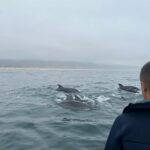
REVIEW · NAZARE
Nazaré: Dolphin Safari
Book on GetYourGuide →Operated by Atlantic Safaris · Bookable on GetYourGuide
Dolphins in the wild are pure theater. This Nazaré dolphin-watching cruise runs about 2 hours and focuses on getting you to the best chances for sightings, with an experienced crew coaching you on what you’re seeing. I especially like the guided angle—learning how dolphins behave makes every bow-wave moment feel smarter—and I also like that you’re not stuck just watching from afar; you’re taken to where marine life is active. The main thing to consider is that ocean conditions matter, and a high sea can reduce sightings and make the ride less comfortable.
You’ll go to sea with a live guide (Portuguese, English, Spanish) who helps you spot signs of dolphin activity and understand different species you might encounter. I like that the tour is straightforward: safety briefing, then marine-life viewing, then dedicated dolphin watching time, and you’re back at Avenida Manuel Remígio soon after. One possible drawback: if you’re prone to motion sickness, this is not suitable, and even if you’re fine, some boatside seating can feel awkward for a couple of people.
In This Review
- Key things to know before you go
- Nazaré’s dolphin cruise: why this 2-hour outing is worth it
- Getting started at Avenida Manuel Remígio: smooth logistics, quick briefing
- The first cruise segment: where marine life viewing actually begins
- Dolphin watching time: bow waves, leaps, and the species you might meet
- The second cruise segment and return: a clean wrap-up without dragging the day
- Weather, comfort, and seasickness: the tradeoffs you should plan for
- Price and value at $58: what you’re really buying
- What to bring (and what to skip) for a smoother ride
- Who this dolphin safari suits best
- Should you book the Nazaré dolphin safari?
- FAQ
- How long is the Nazaré dolphin safari?
- Where does the tour start and end?
- What is included in the price?
- Is food and drinks included?
- What languages is the live guide available in?
- What kinds of dolphins (and marine animals) might you see?
- What should I bring to stay comfortable on the boat?
- Is this tour suitable if I get seasick easily?
Key things to know before you go
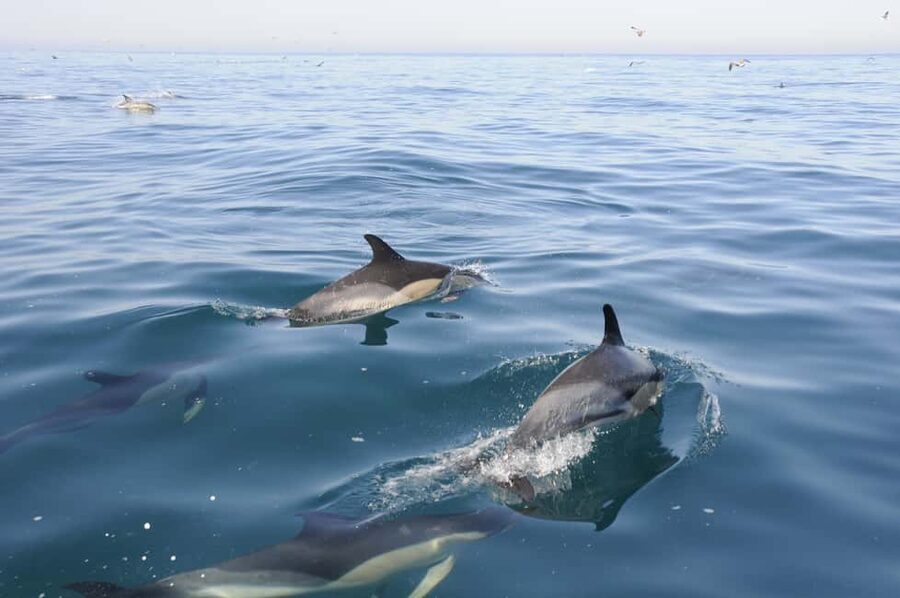
- A guided hunt for activity: the crew directs you to the best spotting areas instead of just cruising randomly.
- What you might see: common dolphin (Delphinus delphis), bottlenose dolphin (Tursiops truncatus), harbour porpoise (Phocoena phocoena), and striped dolphin (Stenella coeruleoalba).
- Behavior over just photos: you’re watching for bow-wave riding and leaps, plus learning why dolphins do what they do.
- Weather is part of the deal: you should expect changes and bring layers.
- Comfort can be a mixed bag: one review flagged seating that can be painful, so pack smart and bring a jacket for support/ warmth.
- You’re paying for the chance, not a guarantee: most reviews loved it, but a couple note no dolphins were seen.
Nazaré’s dolphin cruise: why this 2-hour outing is worth it
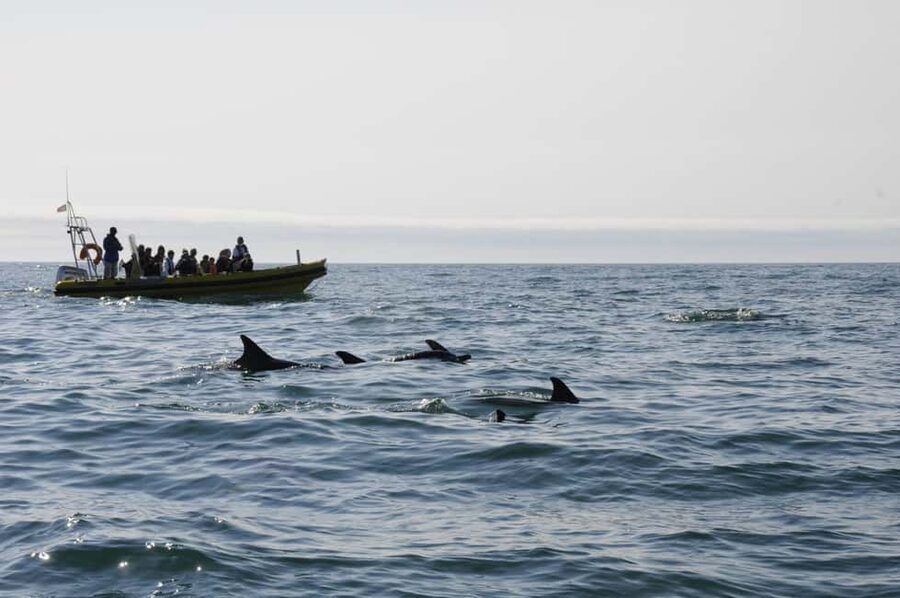
Nazaré is one of those places where the ocean does not act politely. That’s a good thing for dolphin watching, because marine life is often drawn to where food and currents come together. This tour is timed so you get real time on the water without turning the whole day into a boat day.
For me, the best value is the way it’s built around attention. You’re not just on a ride hoping for luck. You’re guided to “best spots,” and you get practical, in-the-moment interpretation of behavior—how to recognize activity fast and what certain movements may mean. When a dolphin finally shows up and then rides the bow waves, you’ll understand the context instead of treating it like a random cameo.
At $58 per person for a 2-hour experience, the price is mid-range. You’re paying for access to the search area, a crew that actively looks, and interpretation while you’re out there. You’re not paying for a full-day tour with meals, and that’s fine—you can bring your own snacks and drinks—just don’t expect the comfort and extras of a long sightseeing day.
You can also read our reviews of more tours and experiences in Nazare.
Getting started at Avenida Manuel Remígio: smooth logistics, quick briefing
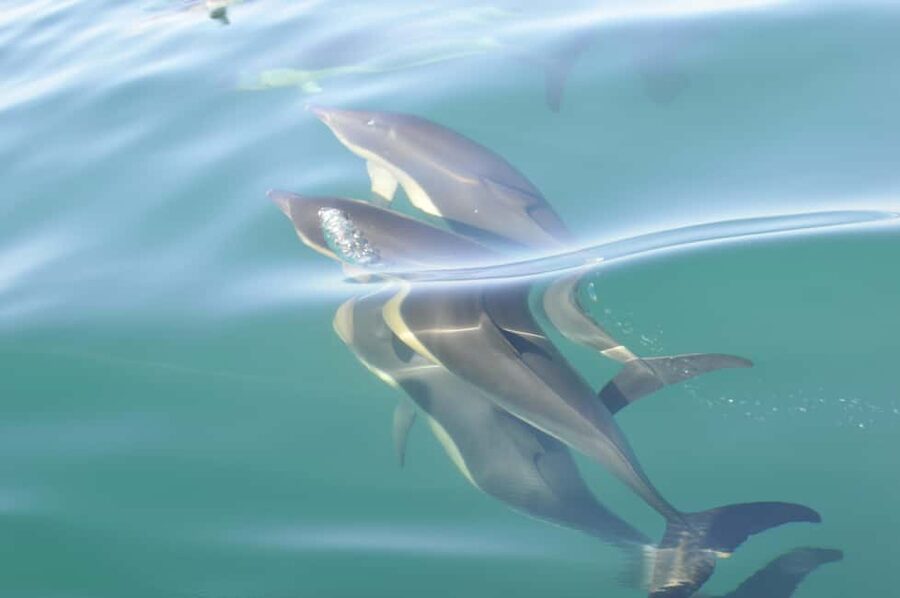
The tour starts at Avenida Manuel Remígio. That matters because it keeps everything simple: you meet at a clear local point, then you’re off to Nazaré for the boat portion.
Once you’re at the harbor area, the sequence is typical for safety-first tours: you’ll do a safety briefing, then the cruise begins. This is also when the guide’s style sets the tone. You’ll want to pay attention right away—listen for how the crew communicates when dolphins show up and what to watch for while moving.
Practical note: arrive with your layers sorted. The tour includes a WindBreaker, which is helpful, but weather over the water can still swing fast. Sunscreen is also a must. Even when the air feels cool, sun off the water can sneak up on you.
The first cruise segment: where marine life viewing actually begins
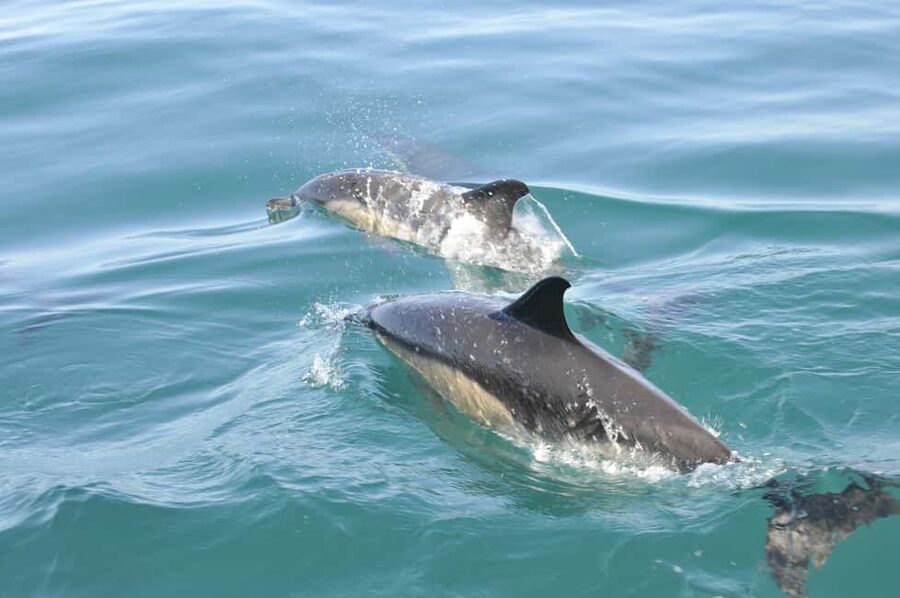
After the briefing, you’ll spend time on the water for marine life viewing. This is often when the crew is scanning—eyes up, horizon scanning, and watching for the early signs that something is happening below the surface.
Why this part is valuable: dolphins don’t always announce themselves with a jump. Sometimes you first notice a pattern—surface activity, movement in a line, or the kind of wave disturbance that looks like nothing until you know what to look for. The guided insights are meant to help you connect those dots quickly.
The tour is paced so you don’t burn time. After this initial viewing phase, the itinerary shifts into more focused dolphin watching time. If you tend to get impatient on tours, this structure helps: you’re not stuck waiting forever in the same mode.
Dolphin watching time: bow waves, leaps, and the species you might meet
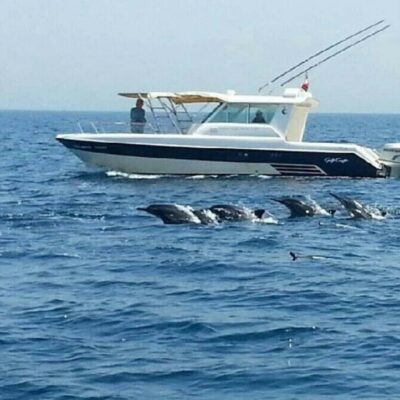
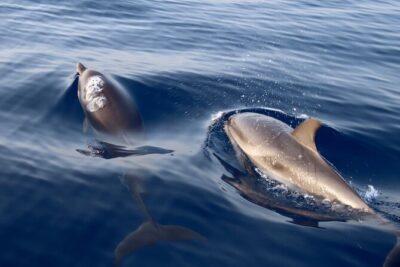
This is the heart of the experience. During the dolphin watching section, the crew aims to take you where encounters are most likely. The best moments are exactly the ones the tour description highlights: dolphins may ride the bow waves or leap out of the water.
The guided component matters here because you’ll likely see more than one behavior type. Bow-riding can look like play, but it’s also tied to how dolphins move and interact with changing water conditions. Leaps are often easier to spot and more photo-friendly, but learning what’s going on makes the whole thing feel less like luck and more like understanding.
As for species, you might encounter different kinds, including:
- Common dolphin (Delphinus delphis)
- Bottlenose dolphin (Tursiops truncatus)
- Harbour porpoise (Phocoena phocoena)
- Striped dolphin (Stenella coeruleoalba)
Two review themes stand out. Many people loved the fact that dolphins were actually seen and that the guides were attentive. A couple of disappointments also show up: one person reported that the start promised multiple dolphin species but none were encountered, and another noted no dolphins were seen at all. That’s the reality of wildlife tours—conditions and timing influence outcomes—so manage expectations, especially in rough weather.
The second cruise segment and return: a clean wrap-up without dragging the day
After the main dolphin-watching window, there’s another boat cruise segment. Think of it as continued searching and maximizing your time on the water. It also helps you avoid the “we saw one thing and then we rushed you back” feeling.
The tour returns to Avenida Manuel Remígio afterward, keeping the whole plan tight: about 2 hours total. That’s part of the charm. You can do this without losing your entire afternoon, and you still get a focused wildlife experience.
If you’re pairing this with other Nazaré activities, the short duration makes scheduling easier. You’re not committing to a full day at sea.
Weather, comfort, and seasickness: the tradeoffs you should plan for
This tour is weather-dependent, like all marine wildlife cruises. The good news is that it’s built for it: you get a WindBreaker and you’re told to bring layers.
The important caution is seasickness. The activity is not suitable for people prone to seasickness. If you know you react badly on boats, don’t try to “tough it out.” Short doesn’t always mean easy.
Comfort is the other real-world factor. One review noted that the boat seating wasn’t very comfortable, with people sitting in a way that caused pain. You can’t control the boat design, but you can control your prep. Bring a jacket, dress in comfortable clothing, and consider how you’ll handle shifting positions if the sea gets choppy.
And yes, rougher water can reduce sightings. One negative review blamed high wave conditions and weather for lack of dolphins. That doesn’t erase the disappointment, but it’s a useful lens for your expectations: on days when the ocean is loud and chaotic, dolphins may be harder to find—or you may simply get fewer encounters.
Price and value at $58: what you’re really buying
At $58 per person, you’re paying for:
- a guided dolphin-watching cruise (about 2 hours)
- an experienced crew
- guided insights while you watch
- a WindBreaker for weather comfort
You’re not paying for:
- food and drinks (you should bring your own snacks and water)
- a guarantee of dolphin sightings
So is it good value? For the right traveler, yes. If you want guided wildlife time and you’re okay with the gamble of nature, the experience is often rewarding—especially because the guide’s coaching makes the sightings more meaningful.
If your main goal is a “perfect species checklist,” be careful. The experience can be fantastic even when it’s not exactly what you imagined. The best move is to show up ready to learn from what the ocean gives you that day.
What to bring (and what to skip) for a smoother ride
Here’s the practical packing list based on what the tour expects:
Bring:
- Sunscreen
- Water
- Jacket
- Comfortable clothing for a boat trip
Also plan to bring your own snacks and drinks, since food isn’t included.
Not allowed:
- Smoking
- Touching marine life
Quick safety logic: touching is a no for both welfare and safety. And smoking breaks the vibe on a small vessel fast, so it’s best to skip it entirely.
Who this dolphin safari suits best
This is a strong fit if you:
- love wildlife and want behavior-focused guidance
- prefer active sightseeing with a clear “look for this, notice that” approach
- are comfortable with the ocean and can handle some wind and motion
It’s a weaker fit if you:
- are prone to seasickness
- need guaranteed sightings or guaranteed species
- expect high comfort seating for two hours on open water
If you’re traveling with kids, check with yourself on motion tolerance. Some families love these trips; others get wiped out quickly if the sea rises.
Should you book the Nazaré dolphin safari?
I’d book it if you want a guided, 2-hour wildlife outing with a real chance of seeing dolphins ride the bow waves and jump. The tour’s biggest strength is the crew’s role: you’re watching with help, not just waiting. Also, the short duration makes it a low-commitment way to add genuine ocean wildlife to your Nazaré day.
I’d think twice if you’re motion-sensitive or if you’d feel crushed by a day without dolphins. For those cases, the unpredictability of marine life can turn a great concept into a frustrating afternoon.
If you go, go prepared: jacket, water, sunscreen, and a mindset that nature decides the script. That’s the secret to getting more joy out of the same 2 hours.
FAQ
How long is the Nazaré dolphin safari?
The tour lasts about 2 hours.
Where does the tour start and end?
It starts and ends at Avenida Manuel Remígio.
What is included in the price?
The dolphin watching tour, an experienced crew, guided insights into dolphin behavior, and a WindBreaker are included.
Is food and drinks included?
No. Food and drinks are not included, so you should bring your own snacks and drinks.
What languages is the live guide available in?
The live guide offers Portuguese, English, and Spanish.
What kinds of dolphins (and marine animals) might you see?
You may encounter common dolphin, bottlenose dolphin, harbour porpoise, and striped dolphin.
What should I bring to stay comfortable on the boat?
Bring sunscreen, water, and a jacket. Wear comfortable clothing suitable for a boat trip.
Is this tour suitable if I get seasick easily?
No. It is not suitable for people prone to seasickness.