REVIEW · PAIHIA
Paihia: Bay of Islands Dolphin Eco Cruise & Island Stopover
Book on GetYourGuide →Operated by Explore Group New Zealand · Bookable on GetYourGuide
Wildlife doesn’t clock out in the Bay of Islands. On this Paihia dolphin eco cruise, I like the air-conditioned cabin for comfort when the weather turns and the licensed crew commentary that helps you read what’s happening on the water. The one drawback: sightings and any extra actions like Boom netting depend on ocean conditions, so you can’t plan on every moment being a guaranteed highlight.
The timing works well for a day trip. You get a 4-hour cruise with big viewing decks, then a 1.5-hour stop on Urupukapuka Island in a protected area where native species are being brought back. Between boat time and island time, it feels like more than just a quick “look and leave.”
If you’re the type who likes your nature trips hands-on, this one delivers. You also get a beach stop at Otehei Bay, with time to relax on the sand and either swim or hike.
In This Review
- Quick hits from Paihia to Urupukapuka (what matters most)
- The 4-hour Bay of Islands cruise: where your attention should go
- What wildlife spotting feels like in real life
- Urupukapuka Island in 1.5 hours: native birds and restoration you can actually hear
- The birds you might spot on the tracks
- Practical note on island time
- Otehei Bay: beanbag, swim, and a change of pace
- Boom netting: a thrill, but only when the bay cooperates
- Crew commentary and the value of doing it the right way
- Price and value: what $89 buys you in a 5.5-hour day
- Best for: who will enjoy this most
- When it might disappoint (and how to protect your day)
- Should you book the Paihia dolphin eco cruise with Urupukapuka Island?
- FAQ
- How long is the Bay of Islands Dolphin Eco Cruise with Urupukapuka stop?
- What’s included in the tour?
- Do you guarantee seeing dolphins or whales?
- Is Boom netting included?
- Are food and drinks included?
- Where do we meet for the tour?
Quick hits from Paihia to Urupukapuka (what matters most)
- 4-hour scenic cruise with large viewing decks plus an air-conditioned cabin for breaks from the elements
- Marine-mammal viewing licence: you’re sailing with one of the limited operators allowed to view marine mammals in the Bay of Islands
- 1.5-hour Urupukapuka Island stop in a protected sanctuary area managed by the Department of Conservation
- Project Island Song focus: reintroduced native birds and restored island habitat
- Otehei Bay time with beach beanbag relaxation plus the option to swim or hike
- Boom netting only if conditions allow, so it’s a bonus, not the whole plan
The 4-hour Bay of Islands cruise: where your attention should go
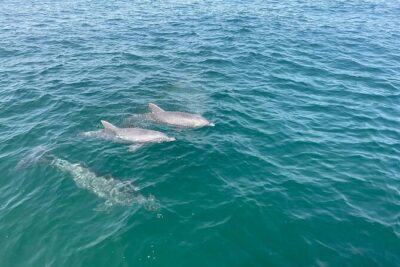
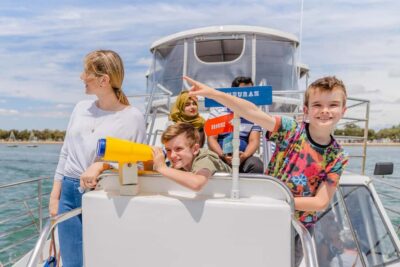
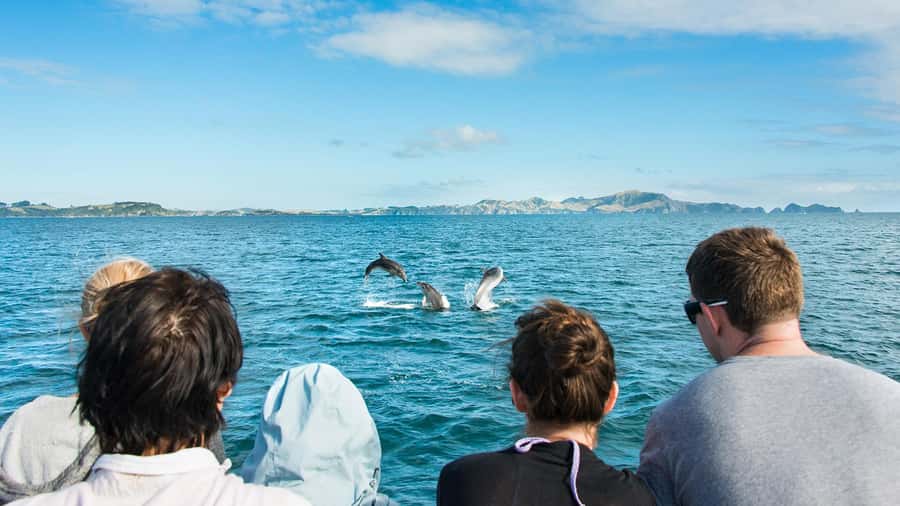
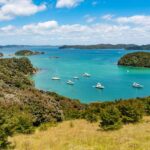
The heart of this trip is a long, slow-moving cruise on calm waters—exactly what you want when you’re trying to spot whales, dolphins, seals, and seabirds without feeling rushed. You’ll spend most of your time on or near the deck areas, where the sightlines are built for scanning. When you need a break—sun, wind, or spray—you can switch gears into the air-conditioned cabin and warm up or cool down.
This is not a “stare at one spot all day” kind of outing. The boat’s moving, which means you’re changing viewpoints and covering more of the bay. That matters because wildlife in the Bay of Islands isn’t stationary. If dolphins are feeding or moving through a channel, they might be visible for minutes, then gone. The best strategy is simple: keep your eyes up, and don’t get locked into one assumption about what you’ll see.
You can also read our reviews of more tours and experiences in Paihia.
What wildlife spotting feels like in real life
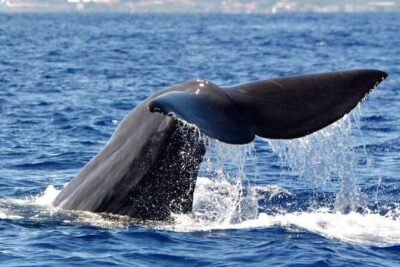
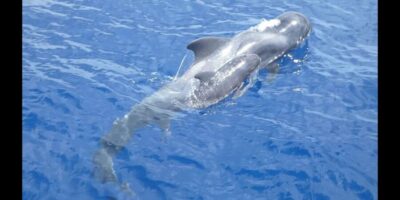
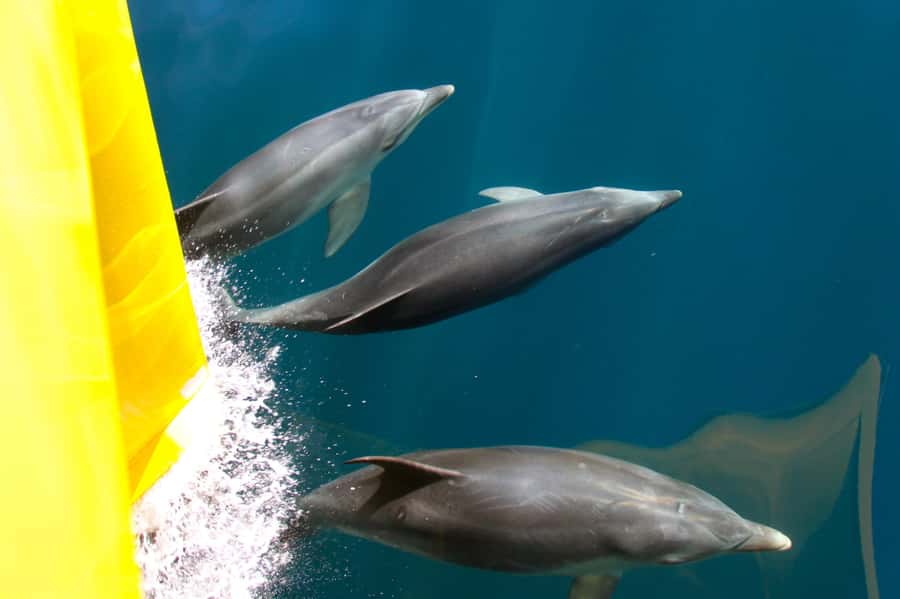
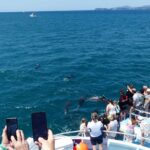
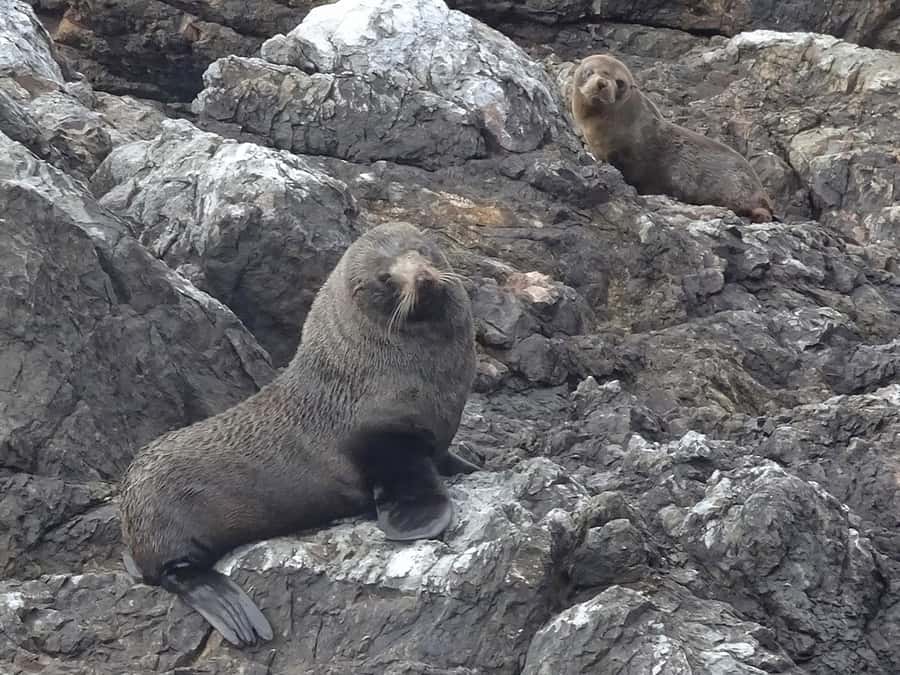
You’ll likely get a mix of marine and bird life—dolphins and whales are the obvious headline animals, but seals and birdlife are part of the picture too. The cruise includes commentary, which helps you connect the dots fast: what you’re seeing, what behavior might mean, and where to look next. Even if you’re not a marine biology nerd, it turns the trip from random spotting into something you can follow.
And because this area is actively managed and monitored, you’re seeing wildlife in a framework that’s designed to reduce harm and keep interactions respectful. That’s one reason the licensed approach is such a big deal here: it’s not just access, it’s responsibility built into the operation.
Urupukapuka Island in 1.5 hours: native birds and restoration you can actually hear
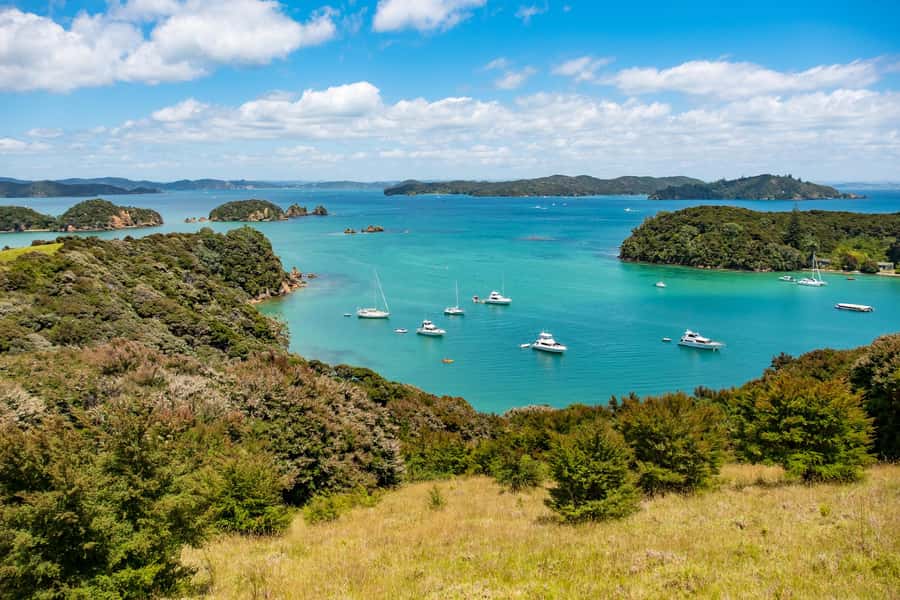
After the cruise, you land on Urupukapuka Island for about 1.5 hours. This isn’t just a scenic stop. The island is part of a protected marine-mammal sanctuary area managed by the Department of Conservation, so it’s set up to protect wildlife while still letting you experience the place.
The standout on this island stop is Project Island Song. The idea is straightforward and inspiring: restore island ecosystems so native birds can survive and (as the name hints) bring back their songs. You’re not only looking at nature—you’re learning what restoration effort is trying to change, and then you’re walking through the area where that work shows up.
The birds you might spot on the tracks
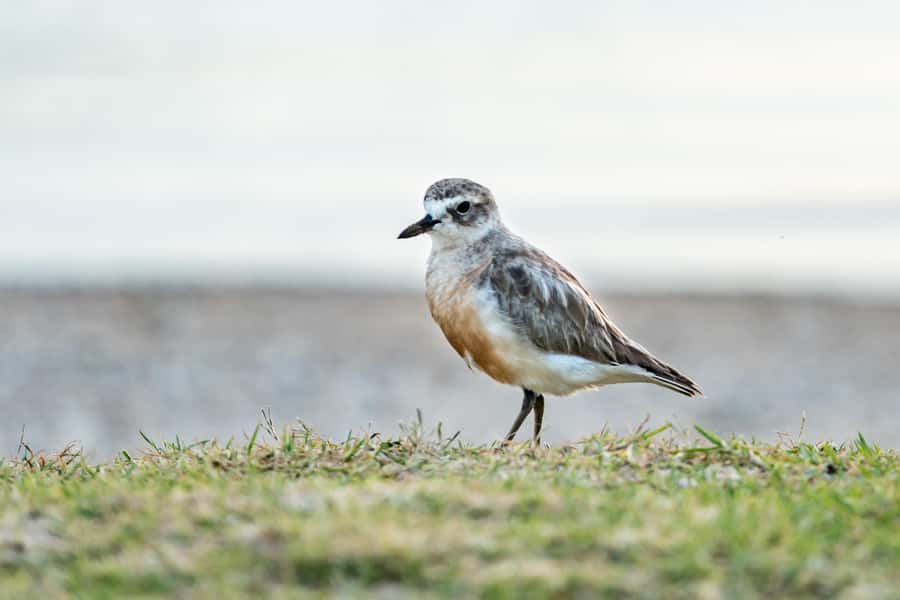
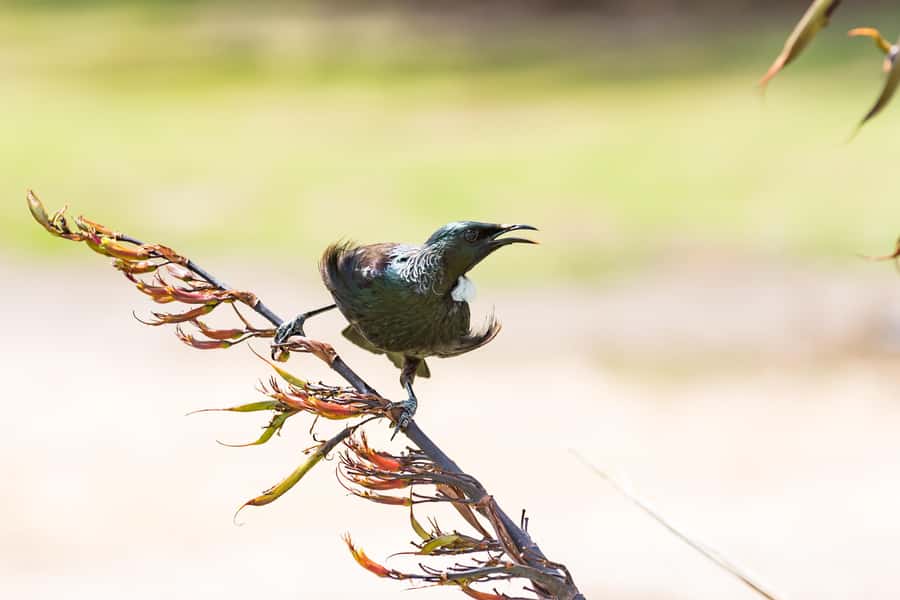
If you’re into birdwatching, you’ll appreciate having specific species in mind rather than a generic “see some birds” promise. The tour’s focus includes reintroduced and returning native species such as:
- tīeke (North Island saddleback)
- toutouwai (North Island robin)
- pāteke (brown teal)
- Wētāpunga (giant wētā)
Even if you don’t tick every species off your list, the real value is understanding that these animals aren’t just “there”—they’re part of a restoration story. That’s what makes the island stop feel purposeful instead of like a timed break from the boat.
Practical note on island time
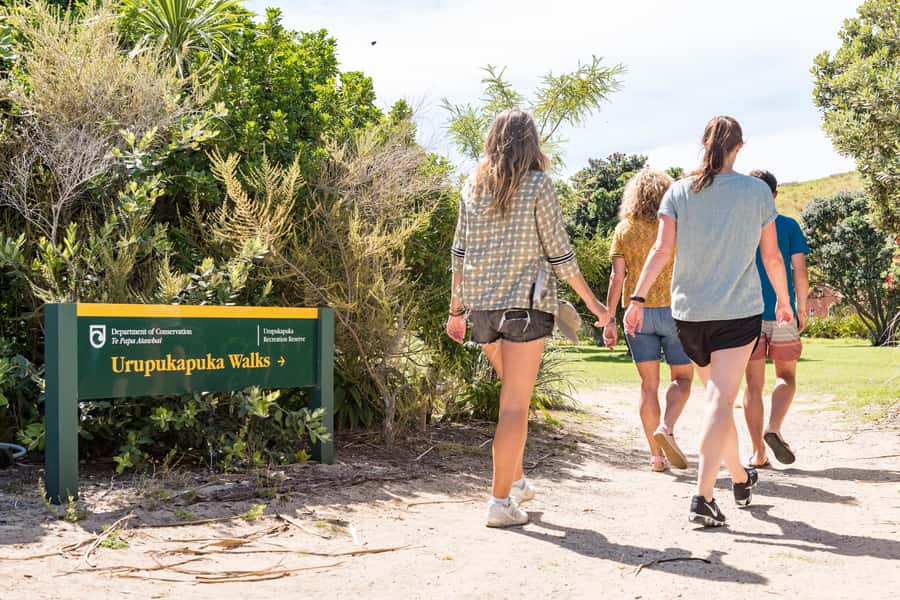
Urupukapuka gives you tracks to explore. You’ll want to spend your time efficiently: quick scan on arrival, then walk the routes you feel comfortable with. Keep an eye on the ground and understory too—small creatures like wētā aren’t always about dramatic sightings. If you’re traveling with someone who gets impatient on foot, this island stop length is a good compromise: enough time to feel like you visited, not so long that it becomes a full hike day.
Otehei Bay: beanbag, swim, and a change of pace
Once you’re on Urupukapuka, you also get time at Otehei Bay. This is where the tone shifts from wildlife scanning to simple beach enjoyment. There’s beachside beanbag seating, plus you can swim or hike depending on your energy and what the weather feels like.
Otehei Bay is a nice “reset” because it breaks up the day into three clear parts:
1) ocean cruising (active scanning)
2) island discovery (walking and restoration focus)
3) beach time (unstructured relax or light movement)
If you’re the type who gets antsy on long boats, the Otehei portion helps. If you’re the type who hates sand-on-everything, just plan to rinse off after swimming and accept that the Bay of Islands is a place where beach time is part of the point.
Boom netting: a thrill, but only when the bay cooperates
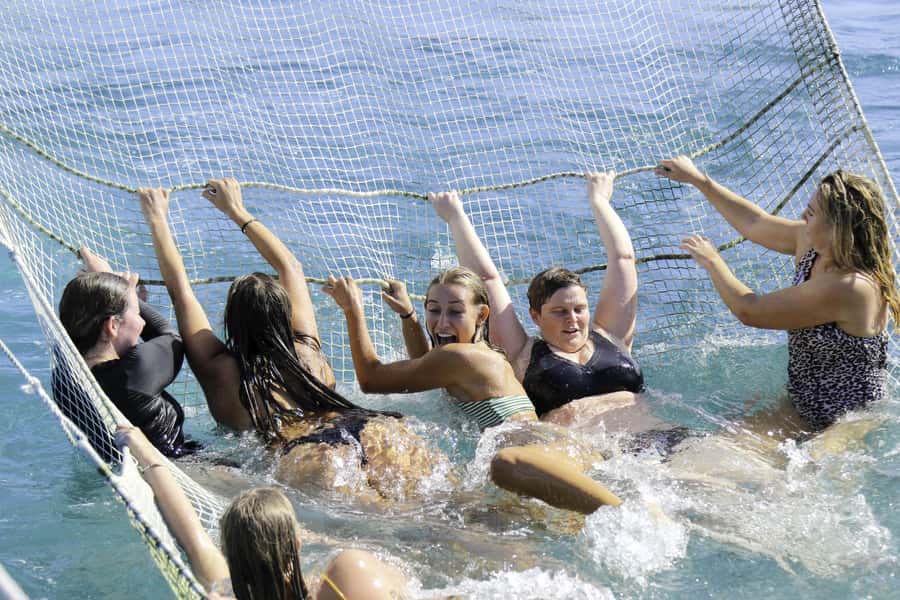
Boom netting is the kind of activity that gets people excited fast. It’s included if conditions allow, which is the honest way to handle it. Ocean conditions control whether it’s safe and practical to do anything like that, and wildlife behavior can also influence timing.
So treat Boom netting as a possible bonus rather than the main event. When it happens, it adds a lively, very Bay of Islands flavor to the day—something you won’t get just by watching for dolphins. When it doesn’t happen, you’re still left with a strong base: the cruise, the island stop, and the bird restoration focus.
Crew commentary and the value of doing it the right way
This tour leans into education without turning it into a lecture. You get commentary throughout the cruise, which you can feel in how the spotting works. The crew doesn’t just point and shout; they help you interpret the scene as you go—what to look for, how animals might behave, and where attention should shift next.
There’s also that licensing detail again, because it matters in a practical way. If you’re in a place where marine mammals are regulated and viewing is licensed, the experience tends to be smoother and more professional. It’s not a free-for-all. You’re more likely to get respectful viewing practices built into the schedule and how the boat positions itself.
From a value standpoint, this is where the $89 ticket starts to make sense. You’re paying for time on the water, access to Urupukapuka, and structured interpretation so your wildlife time isn’t wasted.
Price and value: what $89 buys you in a 5.5-hour day
At $89 per person, this isn’t a bare-bones ferry ride. You’re paying for:
- a long 4-hour scenic cruise
- a 1.5-hour Urupukapuka Island stop
- commentary
- an experience that mixes marine spotting with restoration education and beach time
Because it’s about half-day length (330 minutes total), the ticket works best when you’re making it a true activity day rather than squeezing it between other plans. If you only have a short window in Paihia, this is a solid way to use that time effectively: you get both water and land, plus a change of pace at Otehei Bay.
What’s not included is food and drinks, so factor that in. If you tend to get hungry fast, plan to bring snacks or budget for a meal before or after. The absence of included meals is the biggest “watch-out” for your total cost, especially if you’ll be on the go all day.
Best for: who will enjoy this most
This cruise suits you if you:
- want a balance of wildlife and land time (not just a boat tour)
- like guided interpretation when spotting marine animals
- enjoy birdlife and restoration stories more than pure adrenaline
- want a day that mixes relaxation (Otehei Bay) with active looking
It’s also a good choice for couples and families who want variety. The island portion plus the beach stop helps keep everyone engaged.
When it might disappoint (and how to protect your day)
The main reason tours like this can feel frustrating is the same reason nature is nature: animals don’t show up on command. Dolphin and whale sightings depend on where they are and what the day’s conditions look like.
One more realistic consideration: actions like Boom netting are explicitly dependent on conditions. If your personal “must-do” is that specific activity, keep your expectations flexible. Aim to enjoy the full package—the cruise, Urupukapuka’s restoration focus, and Otehei Bay—so the day still feels complete even when the ocean changes the plan.
If you’re the kind of traveler who needs a guaranteed dolphin moment, this might not be your best match. But if you’re willing to work with the bay’s rhythm, you’ll likely come away feeling like the day was well run and worth the time.
Should you book the Paihia dolphin eco cruise with Urupukapuka Island?
I think you should book it if your goal is a well-structured Bay of Islands day that mixes marine wildlife, native bird restoration, and a real break at Otehei Bay. The big selling point for me is how the experience isn’t only about “seeing animals”—it’s also about understanding why certain places are protected and what restoration is trying to bring back.
Choose this tour over a shorter option if you want time to explore rather than rush. Choose it over a purely marine-focused cruise if birds and island habitat restoration sound like your kind of interesting. And if you care most about comfort, the air-conditioned cabin plus long deck time is a strong combo.
Just plan for reality: no operator can promise exact wildlife sightings every day, and Boom netting is conditional. If you go in with flexible expectations and a bit of scanning stamina, this one is a very fair way to spend your Paihia time.
FAQ
How long is the Bay of Islands Dolphin Eco Cruise with Urupukapuka stop?
The total duration is 330 minutes, which includes the cruise time and the island stop.
What’s included in the tour?
You get a 4-hour cruise, commentary, and a stop at Urupukapuka Island.
Do you guarantee seeing dolphins or whales?
The chance to see whales, dolphins, seals, and birdlife is part of the experience, but sightings depend on marine conditions.
Is Boom netting included?
Boom netting is included only if conditions allow.
Are food and drinks included?
No. Food and drinks are not included.
Where do we meet for the tour?
The meeting point may vary depending on the option booked.