REVIEW · SESIMBRA
Sesimbra: Arrábida Dolphin and Whale Watching with Biologist
Book on GetYourGuide →Operated by DayDreamExperience · Bookable on GetYourGuide
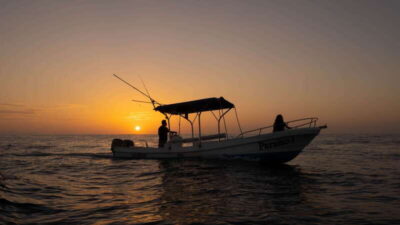
Dolphins feel close in Sesimbra. This 3-hour outing runs out of Arrábida Natural Park, about 35 minutes from Lisbon, and it’s taught on the water by marine specialists like Catarina and Andri.
I love how the marine biologist guidance turns sightings into real animal behavior lessons. You’ll also scan for more than whales and dolphins, including birds and other marine life that share the same ecosystem.
The best part is also the most time-based tradeoff: you get a swim and snorkeling stop at Ribeiro do Cavalo Beach, so it’s not nonstop wildlife spotting from start to finish. Still, it’s a great way to balance education with a truly wild coastline moment.
In This Review
- Key things to know before you go
- Arrábida Natural Park: why Sesimbra’s sea is such a good classroom
- The $64 question: is this tour good value for 3 hours?
- Meeting point in Sesimbra: how to find the ESPADARTE pier without stress
- What the first boat stage feels like: briefing, then the wildlife hunt
- Dolphins (and maybe whales): what you’re most likely to see on this route
- The second cruise and photo stop: using sightlines along the coast
- Praia da Mijona photo stop: a quick coastal pause
- Ribeiro do Cavalo Beach: the swim and snorkeling stop that makes the day feel real
- The guide vibe: conservation-first, with real moments on deck
- Who should book this Sesimbra dolphin and whale tour
- Pack like a pro: what to bring for an Arrábida sea day
- Wheelchair access: what to know before you book
- Should you book DayDreamExperience’s dolphin and whale watching?
- FAQ
- How long is the Sesimbra dolphin and whale watching tour?
- Where do I meet the group in Sesimbra?
- Who guides the trip and what languages are offered?
- What wildlife might I see besides dolphins and whales?
- Is the tour safe and are life jackets provided?
- What should I bring?
- Are food and drinks included?
Key things to know before you go
- Marine biologist on board: the trip is built around understanding the area and protecting it
- Safety is real: STCW-certified crew, life jackets, and an organized safety briefing
- More wildlife than just dolphins: you may spot birds plus fish like tuna and sunfish, and even sharks
- Wild coastline time: photo stops and coastal cruising, not just one straight route
- Ribeiro do Cavalo beach swim: a special stretch of sand and water to cool off
- Small-boat feel: you’re often close enough to watch behavior clearly
Arrábida Natural Park: why Sesimbra’s sea is such a good classroom
If you’re using Lisbon as your base, Sesimbra is one of the easiest nature escapes. You’ll be leaving quickly enough that you don’t lose half your day to travel. Once you’re out in the Arrábida Natural Park waters, the focus is simple: watch wildlife in their real habitat, not in a staged setting.
What makes this area work for a dolphin-and-whale watching tour is that it’s a protected marine environment. The tour team keeps the experience educational and paced, aiming to observe without causing stress. In practice, that means you’re not just chasing animals for photos; you’re learning what you’re seeing—how pods move, feed, and interact.
And yes, whales are possible, but the smart expectation is broader marine life. You’re set up to look for dolphins, whales, and also other signs of an active food chain: birds gathering, fish showing up near the surface, and the overall rhythm of the coast.
You can also read our reviews of more tours and experiences in Sesimbra.
The $64 question: is this tour good value for 3 hours?
At about $64 per person for a 3-hour experience, you’re paying for three things at once: boat time, a specialized guide, and park access. Many cheaper tours leave you with a driver who points and hopes. Here, the model is different—your time on the water is structured around interpretation.
The included pieces matter. You get a marine biologist guide, life jackets, participant insurance, and the access fees for Arrábida Natural Park. Add in the STCW-certified crew, and it starts to feel less like a casual boat ride and more like a guided field trip with safety controls.
Food and drinks aren’t included, so you’ll want to plan a snack strategy on your own. But if you’re looking for one memorable wildlife block during your Lisbon trip, this price is in the “reasonable for what you get” zone—especially when dolphins are close and the guide can explain what’s happening in real time.
Meeting point in Sesimbra: how to find the ESPADARTE pier without stress
You’ll meet at ESPADARTE tourist boarding pier, and the departure point is at the third white boarding gate after the CNS (Clube Naval de Sesimbra) building. It’s one of those locations where being early is your best friend. Get there with time to spare so you can confirm you’re at the right gate.
The tour starts with a safety briefing before you head out—about 30 minutes—so you’re not scrambling to figure out the rules once you’re already on board. Once everyone’s settled, the cruise begins from there.
If you’re traveling from Lisbon, this is a day-trip friendly option because Sesimbra is close. That means fewer hours in transit and more time in the actual setting you came for.
What the first boat stage feels like: briefing, then the wildlife hunt
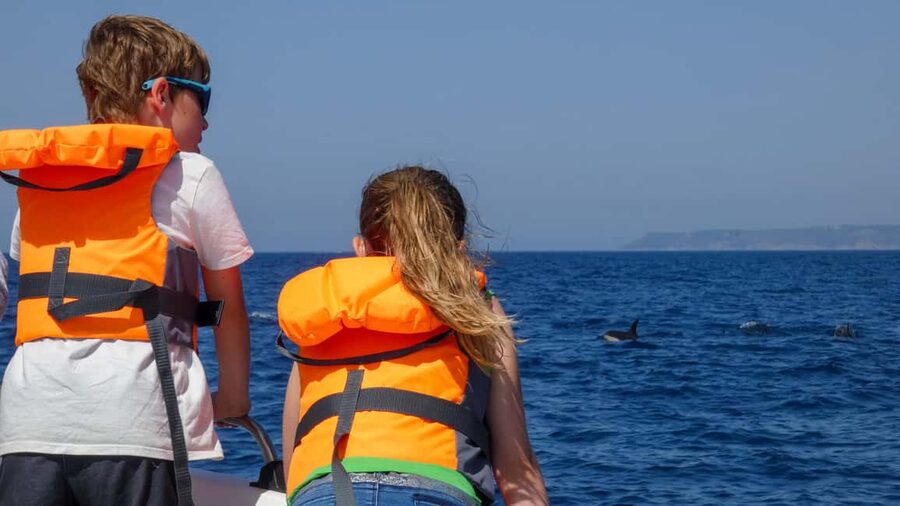
Right at the start, expect a structured safety setup. You’ll go through the briefing (around 30 minutes) and get the basics that keep the ride comfortable and safe: how to move on board, how to dress for wind, and how they handle wildlife viewing.
Then comes the guided cruising and wildlife viewing stage (around 45 minutes). This is where the tour earns its keep. The biologist guide doesn’t just point out dolphins; they explain what your sightlines are telling you. You’re also scanning for other wildlife, including migratory birds.
This part of the trip is also where your expectations should be flexible. You’re in the ocean. The sea doesn’t follow a schedule. Some trips may deliver dolphins quickly. Others might take time until the animals show up within viewing range. The key is that the tour is built to keep searching without turning the experience chaotic.
Dolphins (and maybe whales): what you’re most likely to see on this route
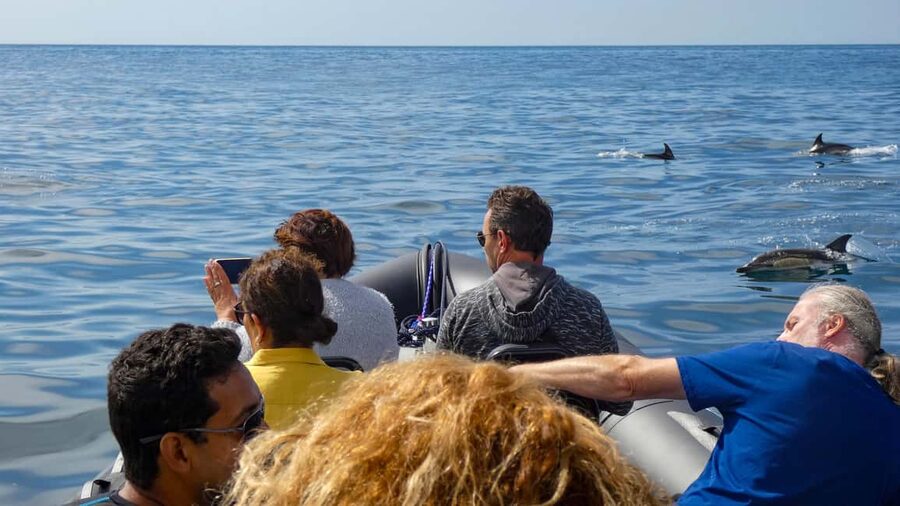
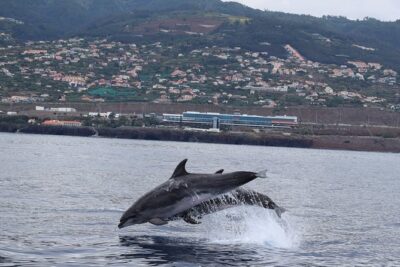
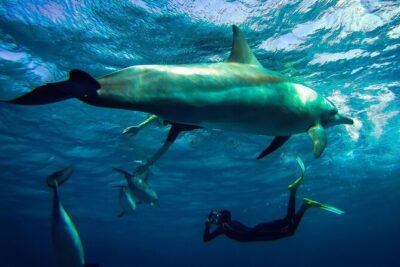
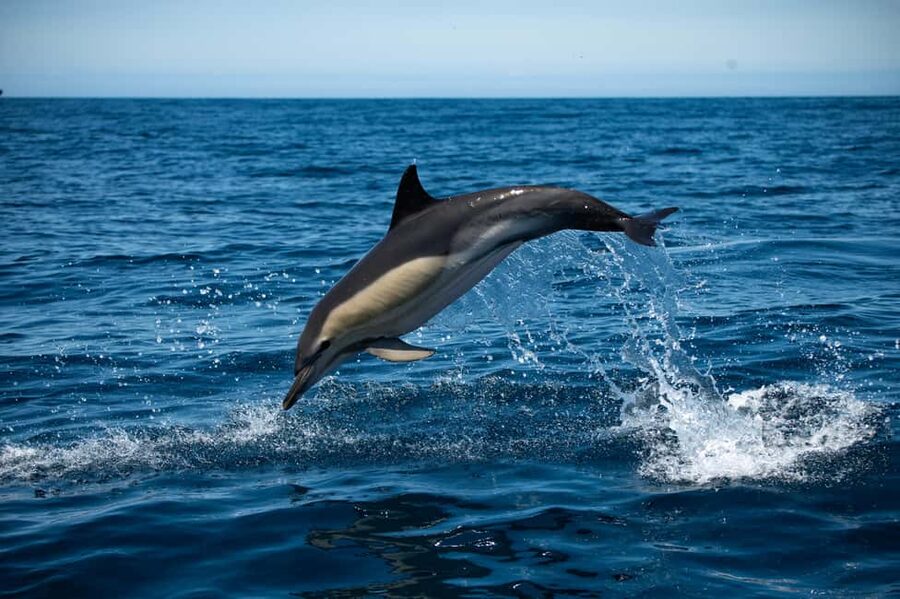
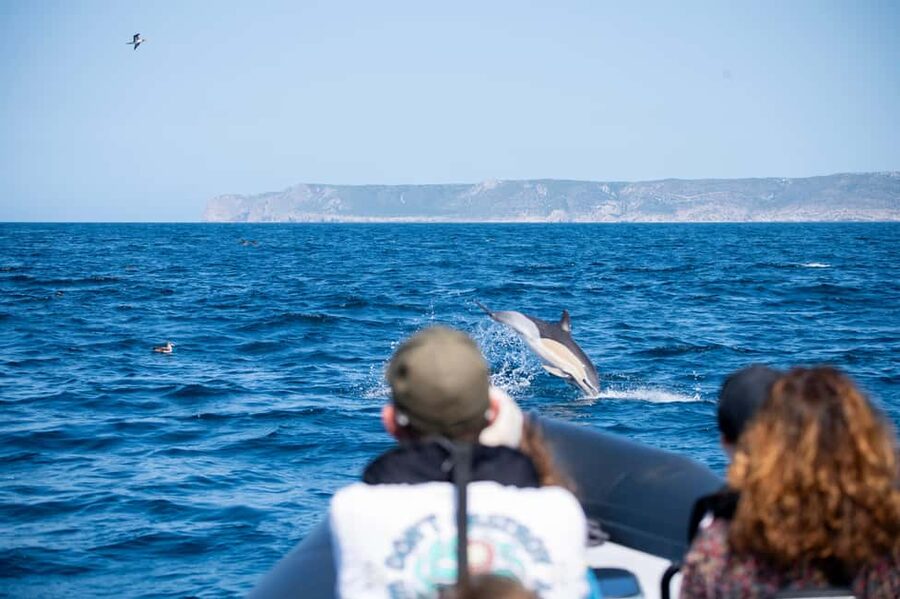
Dolphins are the headline here, and many departures can produce impressive moments—sometimes very fast. The best sightings tend to happen when a pod is actively socializing or hunting, which means you’ll see more than just a fin line. You might catch them swimming near your speed and changing behavior as fish activity pulls them in.
Depending on where the pods are during your time out, you might see different dolphin types. On good days, it’s not just adult dolphins either; you may get the kind of intimate view that’s hard to imagine until you’re watching it.
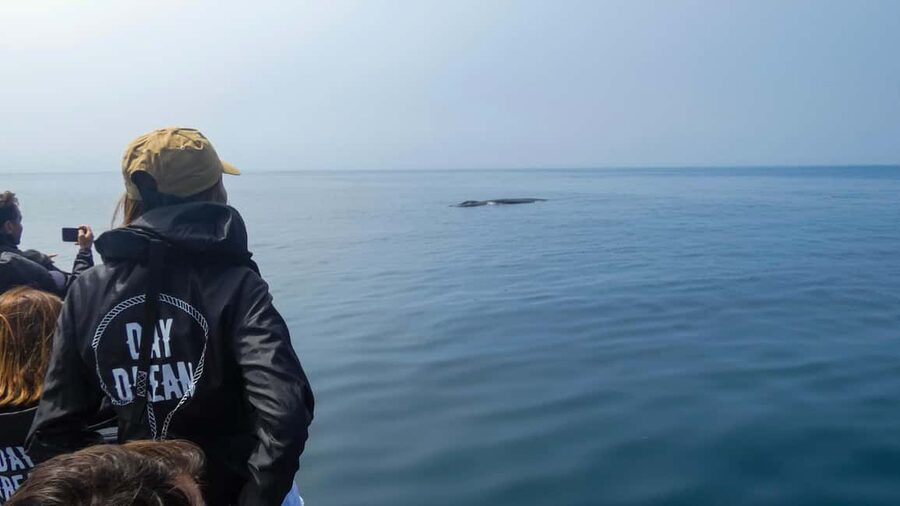
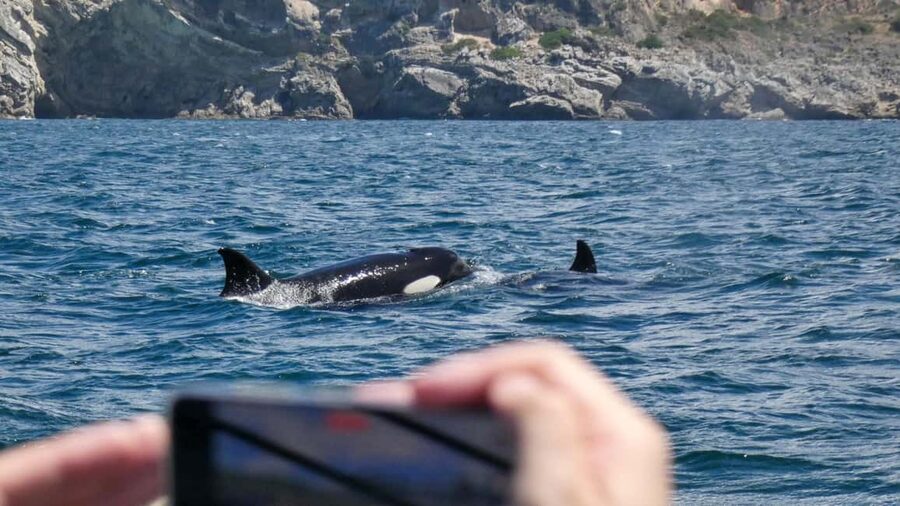
Whales are a possibility too, and your best odds are built into the protected nature of the route. When the team is working within the park area and using experience to guide the search, you’re more likely to stay in productive waters.
A helpful detail you might hear from the guide: fishing is restricted in the national park waters. That can influence how fish and birds behave, which then influences what larger marine animals choose to do. So the “whales and dolphins” theme also includes the supporting cast—birds and fish activity that tell a story.
The second cruise and photo stop: using sightlines along the coast
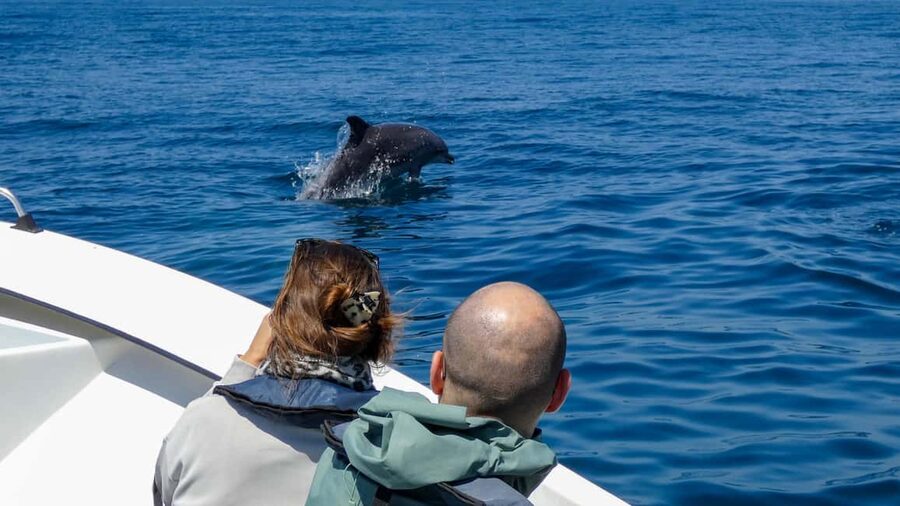
After the first viewing stretch, you’ll continue cruising with another guided wildlife viewing block (again around 45 minutes) and then stop for photos. The point of these segments is practical: the coastline offers shifting vantage points, and wildlife isn’t always in the same lane.
During this phase, you’ll keep your eyes trained on both the water and the air. Migratory birds can be a strong clue that something edible is moving below. You may also spot other fish life such as tuna and sunfish, and in some cases, sharks are reported as possible sightings. No guarantee—this is the ocean—but the scanning is part of the education.
The photo stop is short, so come ready with your camera settings. If you’re shooting video, plan on short clips rather than one long take; wildlife changes quickly. And if you’re someone who prefers still frames, this is your time to grab a few clean coastal shots without feeling rushed.
Praia da Mijona photo stop: a quick coastal pause
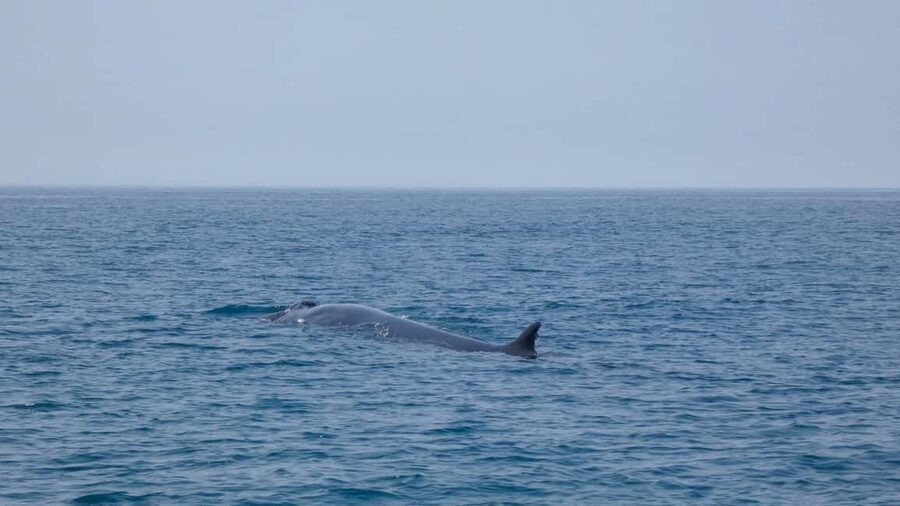
There’s a brief photo stop and guided viewing at Praia da Mijona (around 15 minutes). The goal here isn’t a long hang. It’s more about giving you a different angle on the coastline and the way the marine protected area sits against the land.
Use it to take a breath, reset your gear, and check the weather. Wind can change quickly, especially once you’re back on a boat. Also, if you’re someone who feels seasick, you’ll want to be honest with yourself early so you can manage it while the boat is still calm and the team has time to support you.
This is one of those stops that works best for people who like variety—cruise, learn, coast-view photo, then back to the main action.
Ribeiro do Cavalo Beach: the swim and snorkeling stop that makes the day feel real
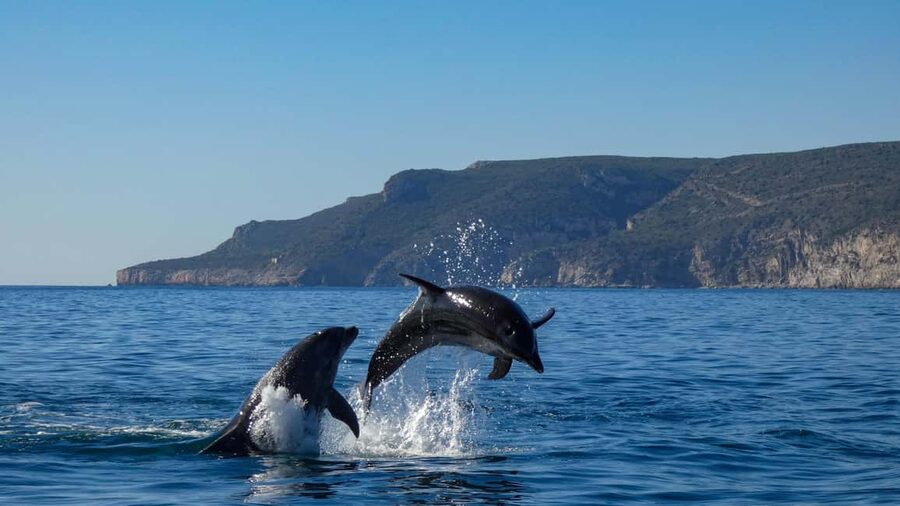
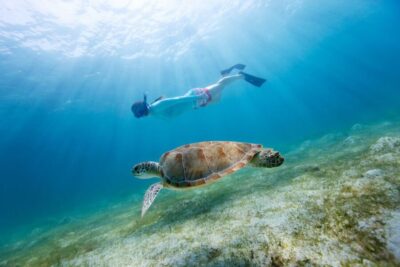
This is the part many people remember even if they came mainly for dolphins. At Ribeiro do Cavalo Beach, you’ll have a photo stop and time for swimming and snorkeling (around 25 minutes). The coastline here is wild in the sense that it feels less engineered than a typical resort beach.
You’ll want to treat it like a practical break, not a beach day. Bring the right things (swimwear, sunscreen, and a windbreaker). Expect conditions to affect comfort. Even on a sunny day, the shoreline can feel cool if wind picks up.
Snorkeling gear may not be explicitly listed, so don’t rely on it being provided unless you confirm directly with the operator. If you bring your own, it’s an advantage. If you don’t, wear swimwear you’re comfortable with and plan on at least enjoying the swim itself.
One more reality check: this swim stop is why the tour isn’t only boat-time. If you crave nonstop animal watching, the beach can feel like a detour. But if you like pairing wildlife with a genuine wild-coast moment, this is the payoff.
The guide vibe: conservation-first, with real moments on deck
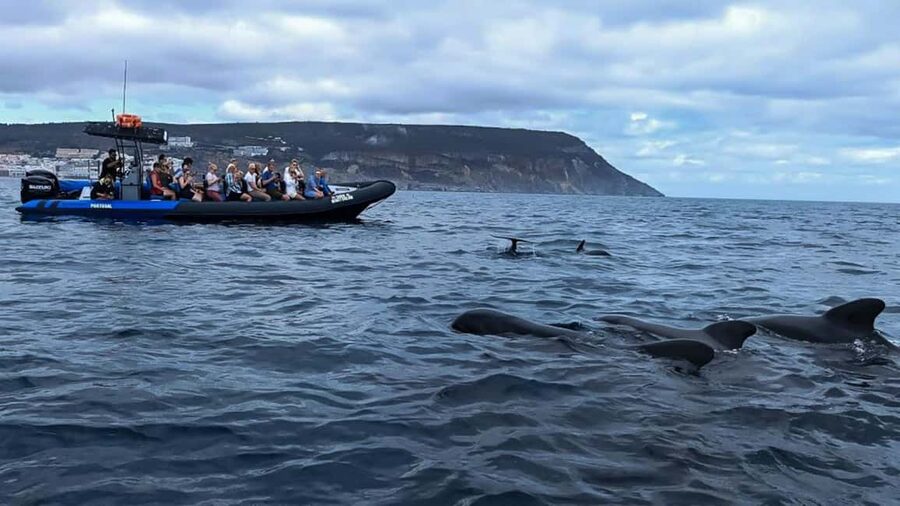
The energy on board matters more than people think. Catarina and Andri’s presence stands out in the way they talk about the area: focused, enthusiastic, and practical. Guides can be many things, but what you want here is someone who treats animals like living neighbors, not props.
You might see that conservation mindset in small actions, like how the crew manages wildlife viewing distance and how they handle sudden situations. One of the standout stories from this tour style is a guide jumping in to help rescue a seabird caught in fishing net gear. It’s the kind of moment that explains why the mission is protection, not just entertainment.
You’ll also likely notice that the guide doesn’t just recite facts. They connect behavior to what you’re seeing: why pods form, how hunting changes their movement, and how the birds fit into the feeding picture. When that clicks, the tour stops feeling like a one-time outing and starts feeling like you learned how to read the sea.
Who should book this Sesimbra dolphin and whale tour
This is a good match if you:
- want hands-on wildlife education with a marine biologist guide
- like the idea of spotting more than dolphins and whales, including birds and fish
- prefer a day trip that’s active but not exhausting
- would enjoy a short wild beach swim as part of the itinerary
It’s also a strong option for families, since the format is built around a safe, supervised outing suitable for all ages. You still need to respect ocean conditions, but the structure helps.
If you’re someone who hates interruptions, note the beach stop. It’s not a long one, but it does take time. If you’re primarily chasing marine action without any beach break, choose your expectations carefully.
Pack like a pro: what to bring for an Arrábida sea day
You’ll be outside, often moving, and likely dealing with wind. The basics listed by the tour are exactly what you want:
- comfortable shoes
- windbreaker
- sun hat and sunscreen
- swimwear
- comfortable clothes
A few practical additions based on how ocean days work: dress in layers, because you can feel warm in the sun and then chilly as wind hits your skin. Bring a small towel if you have one. If you’re planning to snorkel, double-check what you’ll need before you go so you’re not stuck improvising.
Wheelchair access: what to know before you book
The activity information lists wheelchair accessibility, but it also includes a note that it is not suitable for wheelchair users. That’s a contradiction, so don’t guess.
If you use a wheelchair, contact the operator before booking and ask about boarding and how the crew handles transfers. There’s at least one account of a wheelchair user being able to participate with crew help, with the wheelchair left at the jetty and the person sitting on a bench. Still, you’ll want confirmation for your specific mobility needs and the day’s conditions.
Should you book DayDreamExperience’s dolphin and whale watching?
Yes—if you want a guided, conservation-minded boat outing that goes beyond spotting. The best reason to book is the combination of marine biologist interpretation plus a route that looks for dolphins, whales (when present), and the supporting cast: birds and other marine life. When the dolphins show up, you’re not just watching—you’re understanding.
If your top priority is nonstop time on the water without a swim stop, you may feel the Ribeiro do Cavalo Beach segment cuts into your ideal rhythm. In that case, weigh whether a wild beach swim is a perk or a distraction.
Final thought: this is a well-priced, structured way to experience Arrábida’s marine life on a Lisbon day trip. If you show up prepared, keep an open mind about wildlife timing, and let the guide teach you what you’re seeing, you’ll come away with a story that feels earned.
FAQ
How long is the Sesimbra dolphin and whale watching tour?
The tour lasts 3 hours.
Where do I meet the group in Sesimbra?
Make your way to the third white boarding gate after the CNS (Clube Naval de Sesimbra) building. The departure point is at the ESPADARTE tourist boarding pier.
Who guides the trip and what languages are offered?
The tour includes a marine biologist guide. Live tour guidance is available in Portuguese, English, Spanish, and French.
What wildlife might I see besides dolphins and whales?
The tour mentions the possibility of seeing migratory birds and other wildlife, and species such as sharks, sunfish, tuna, or swordfish.
Is the tour safe and are life jackets provided?
Yes. The crew is STCW certified, life jackets are provided, and there is a safety briefing at the start.
What should I bring?
Bring comfortable shoes, a windbreaker, a sun hat, swimwear, sunscreen, and comfortable clothes.
Are food and drinks included?
Food and drinks are not included. You should plan accordingly, especially since there is a swim/snorkeling stop at Ribeiro do Cavalo Beach.