REVIEW · ALGARVE
From Lagos: Dolphin Watching Boat Trip w/Marine Biologists
Book on GetYourGuide →Operated by Bluefleet - Boat Trips & Full-day Tours · Bookable on GetYourGuide
Dolphins feel closer on a small RIB boat trip. In Lagos, you’ll head out into the open Atlantic with a max group size of 18 and a team that includes marine biologists who help you spot and understand wild dolphins in their natural world. It’s not a slow boat tour where you hope for the best, it’s built for reaching where dolphins actually are.
Two things I really like: the ethical rules (no feeding, no chasing, no interference) and the way the biologists turn “wow” into “I get it.” The likely drawback is simple—good sightings depend on sea conditions and dolphin behavior, so you might go home without dolphins on a tough day.
In This Review
- What you’ll notice right away
- Key highlights worth caring about
- Small-Group Dolphin Watching on a Fast RIB from Lagos
- Why the RIB setup is great for spotting dolphins
- Marine Biologists on Board: What You Learn While You Watch
- Real examples of what guides help you notice
- How the 1.5-Hour Dolphin Search Plays Out in Open Atlantic Water
- Speed that works, plus a calmer viewing style once you find them
- Ethical Dolphin Watching Rules You’ll Follow (and Why They Matter)
- What you can expect you’ll be allowed to do
- The Boat Ride Reality: Fast, Offshore, and Sometimes Rough
- What to bring so the trip feels good
- Who Should Book This Dolphin Trip (and Who Should Skip It)
- Price and Value: Is $42 Worth It in Lagos?
- The smartest value move: pick your timing
- Where You Meet in Lagos and How to Prepare
- What I’d pack based on the trip style
- What If the Dolphins Aren’t Showing Up?
- Plan B can mean other marine life
- Should You Book This Lagos Dolphin Trip?
- FAQ
- How long is the dolphin watching tour?
- What is the group size limit?
- Where does the tour start in Lagos?
- How much does it cost?
- What’s included in the tour price?
- Is pickup or drop-off included?
- What languages are available for the live guide?
- Can I bring my pet?
- Are you allowed to feed or touch the dolphins?
- What restrictions should I know about before I go?
What you’ll notice right away
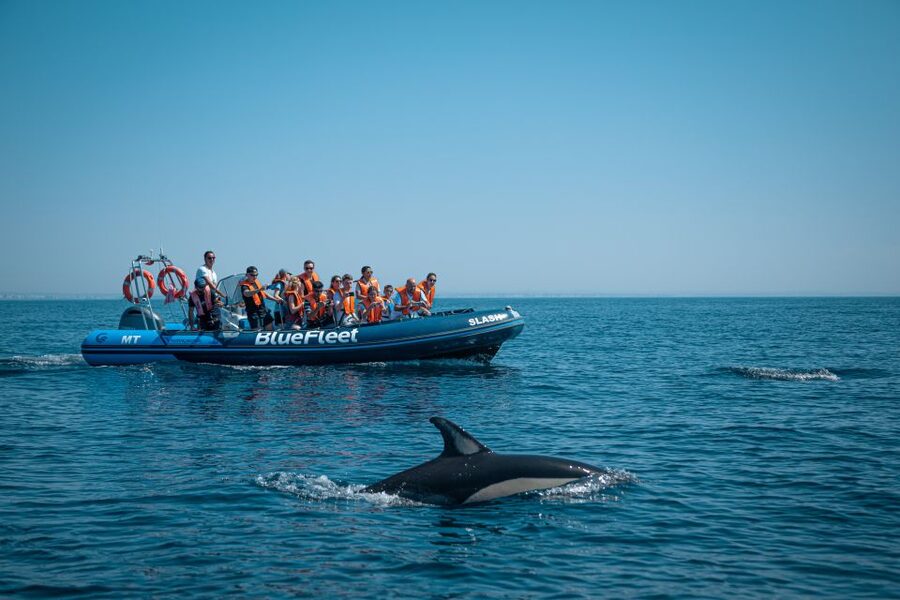
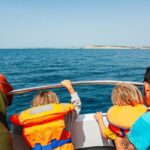
From the moment you’re briefed and geared up with life jackets, the vibe is practical and safety-first. The boat’s speed and agility let the crew cover more water, which increases your odds of seeing dolphins—but that same speed means you’ll want to plan for possible rougher water.
Key highlights worth caring about
- Small-group experience (18 max) for calmer viewing and fewer people between you and the action
- Marine biologists on board explaining dolphin behavior, communication, and conservation as you watch
- Fast RIB built for open-ocean conditions to reach sightings quicker when dolphins move
- Ethical wildlife watching rules: no feeding, no touching, no chasing, no jumping
- You may get extra time if a pod is active so you can actually observe them rather than rush past
- Weather can change the plan and the trip may be rescheduled if conditions are unsafe
You can also read our reviews of more tours and experiences in Algarve.

Small-Group Dolphin Watching on a Fast RIB from Lagos
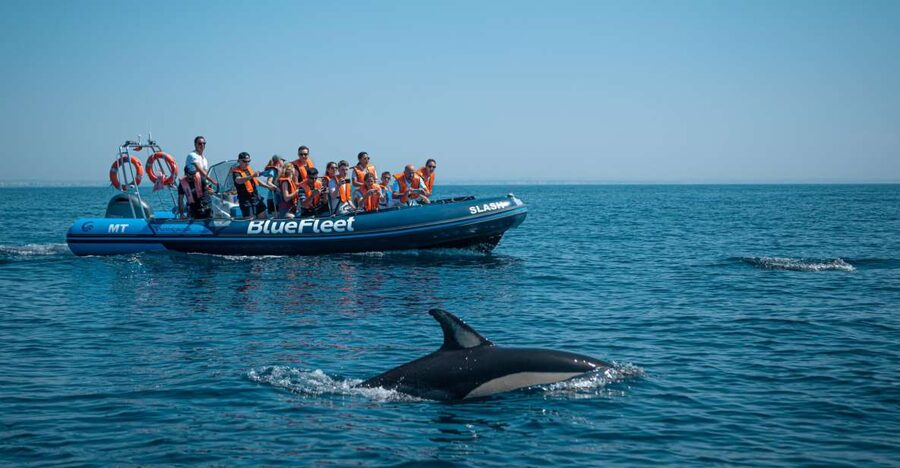
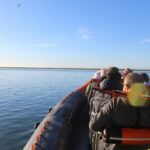
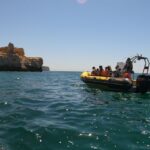
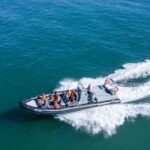
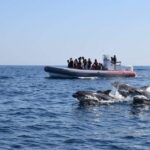
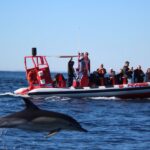
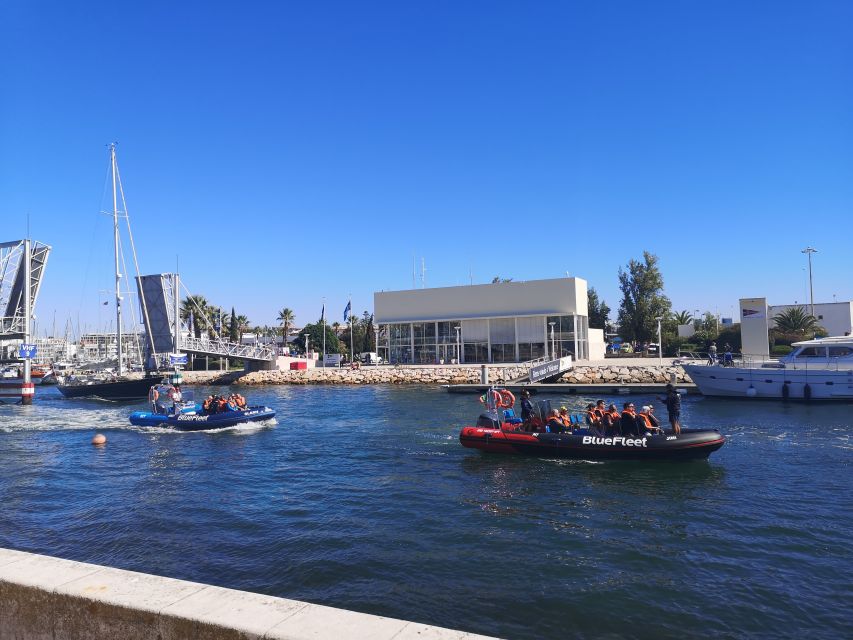
This tour in Lagos is built around one idea: dolphins are moving, so your boat needs to move too. You ride a high-performance rigid inflatable boat (RIB) designed for open-ocean conditions. That matters because the Atlantic can be big, and dolphins don’t sit still for your schedule.
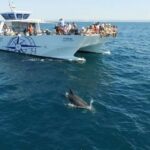
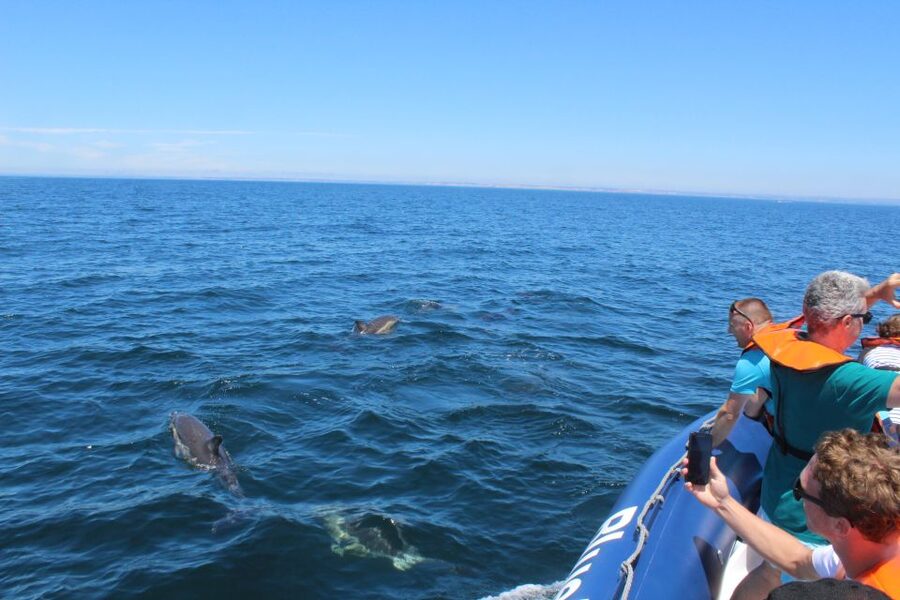
The small-group limit of 18 is also a real quality-of-life upgrade. Fewer people means easier spotting, less crowding at the best viewing spots, and a more personal feel when the biologist points out what you’re looking at. It’s not a “stand in a line and watch from far away” style of outing.
Why the RIB setup is great for spotting dolphins
A RIB is quick and maneuverable. In plain terms, that’s your advantage when dolphins are:
- farther out than you’d guess from the marina
- traveling in a group (pods can shift location fast)
- surfacing briefly and then moving on
Several guide-led moments in this tour’s feedback point to the same theme: when the crew commits to covering distance, the odds improve. If you’re choosing one dolphin experience in the Algarve, the combination of speed + small group is a strong match for what you actually want out on the water.
Marine Biologists on Board: What You Learn While You Watch
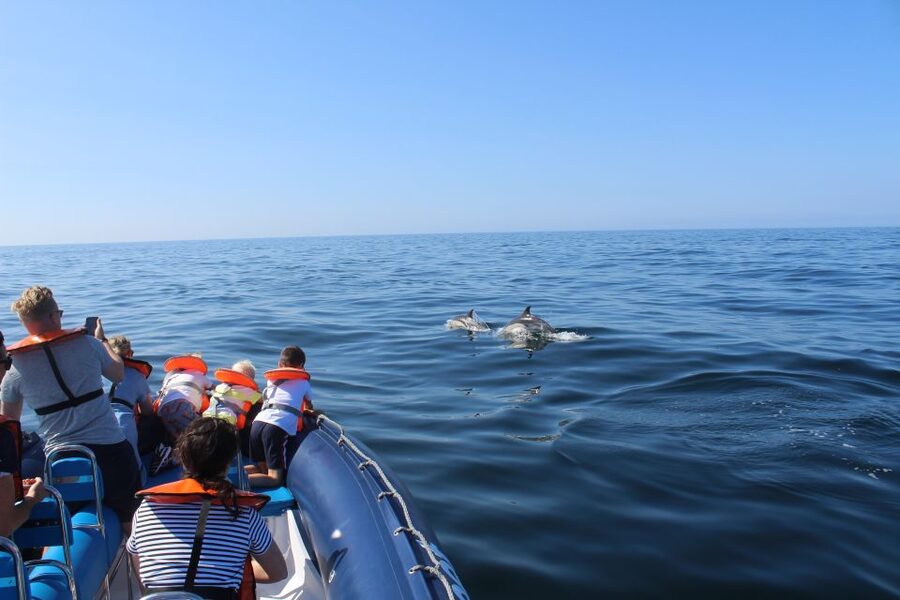
The big difference here isn’t just that you’re going to look for dolphins. You’re going to look for dolphins with people who study them.
You’ll have a marine biologist guide onboard, and the focus is on dolphin species, behavior, communication, and conservation. That turns the trip into more than a photo stop. When you learn how pods move, how dolphins socialize, and what certain behaviors mean, the whole experience feels more grounded—and less random.
Real examples of what guides help you notice
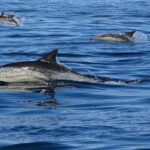
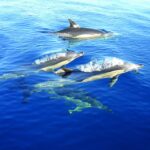
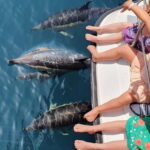
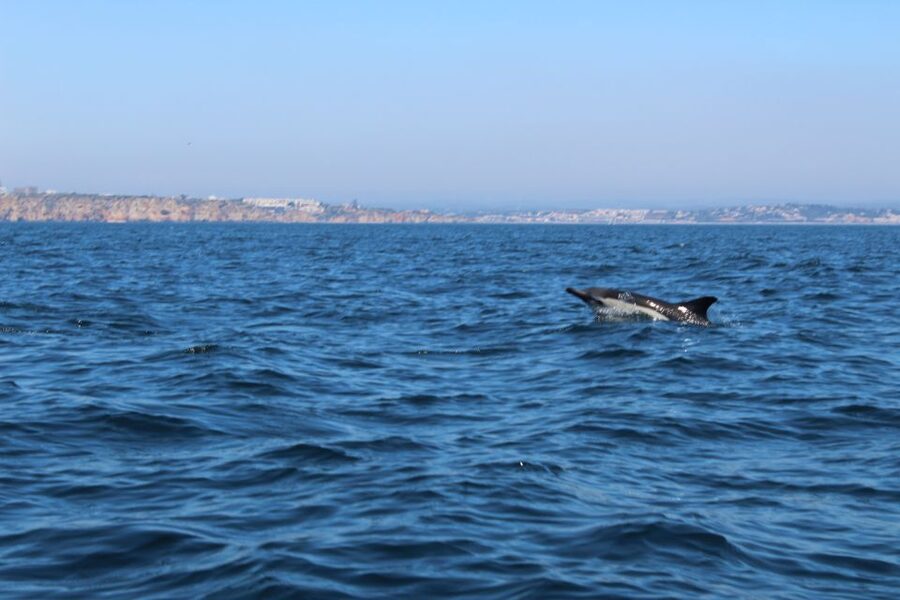
In this kind of outing, you often see multiple “kinds” of dolphin activity: quick surface moments, calmer swimming alongside the bow wave, and more energetic leaps when a group is in a playful mood. A biologist helps you interpret the difference, so you’re not just hoping for the next splash—you’re understanding what you’re watching.
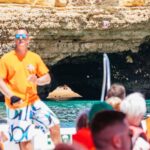
The guides named in guest reports include Marta and John, and also Juan (with an assistant). You won’t control which team you get, but it’s still a helpful clue about the kind of onboard support you can expect: people who talk, explain, and adjust their attention so everyone can see.
How the 1.5-Hour Dolphin Search Plays Out in Open Atlantic Water
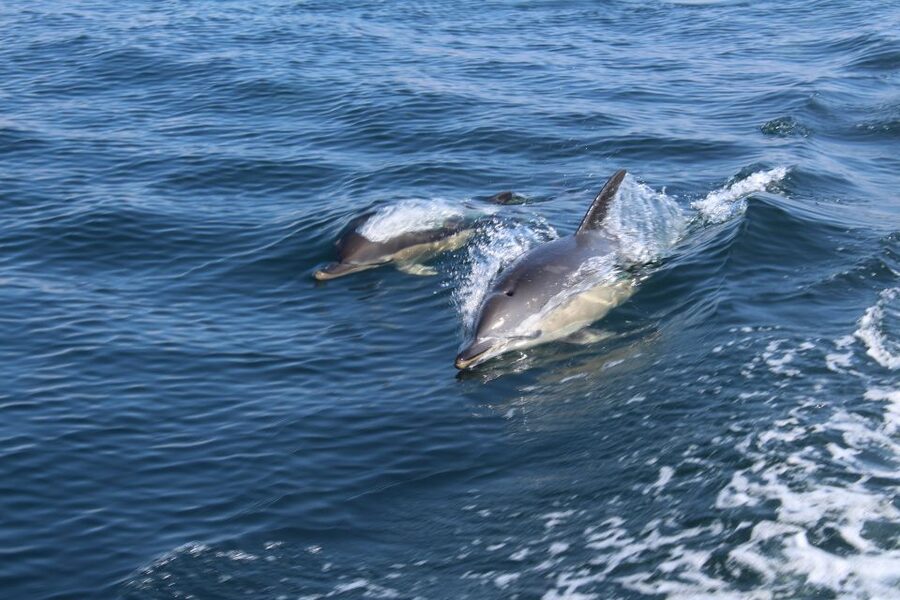
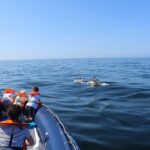
The total time on the water is about 1.5 hours, and the schedule is built around searching. You depart from Lagos Marina and head into the Atlantic along the Algarve coast.
Here’s what that typically means for your experience:
- You’ll travel out first, because dolphins may be well offshore.
- You’ll scan and listen for signs (surface breaks, direction of movement, group behavior).
- Once a pod is spotted, you slow down the frantic part and focus on observation.
- Then you return toward Lagos.
Speed that works, plus a calmer viewing style once you find them
A common pattern in feedback is that the crew uses the RIB’s speed to keep searching actively—then once dolphins show up, the tone becomes more about respectful watching. You’re not supposed to treat wild dolphins like a ride. The guides also adjust how long you spend with a pod depending on what’s happening out there.
If you want a practical tip: booking the earlier slot (like first morning) is often smarter for better chances, because conditions and animal movement can be more favorable earlier in the day.
Ethical Dolphin Watching Rules You’ll Follow (and Why They Matter)
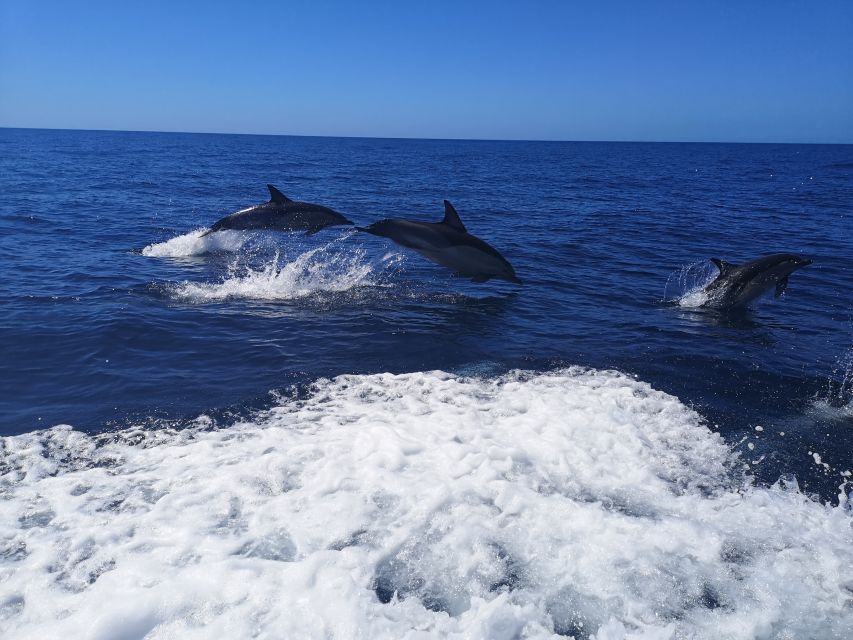
This tour is very clear about ethical wildlife observation, and you’ll see those rules in the way the crew operates.
No feeding. No chasing. No interference. No touching marine life. And rules also cover how you behave onboard: no smoking, and no alcohol or drugs.
On the water, these policies matter because they protect two things:
- The dolphins’ normal behavior (you’re there to observe, not to change what they do)
- Your safety and comfort (touching or risky behavior is a bad trade in open water)
What you can expect you’ll be allowed to do
You’ll be watching from the boat, using the crew’s guidance to get a better read on what you’re seeing. The best dolphin moments usually happen when dolphins choose to approach, not when a boat tries to force it.
Also note the restrictions that can affect your choice:
- no jumping
- no touching animals
- pets are not allowed
These aren’t just “paper rules.” They shape the whole experience into something calmer and more respectful.
The Boat Ride Reality: Fast, Offshore, and Sometimes Rough
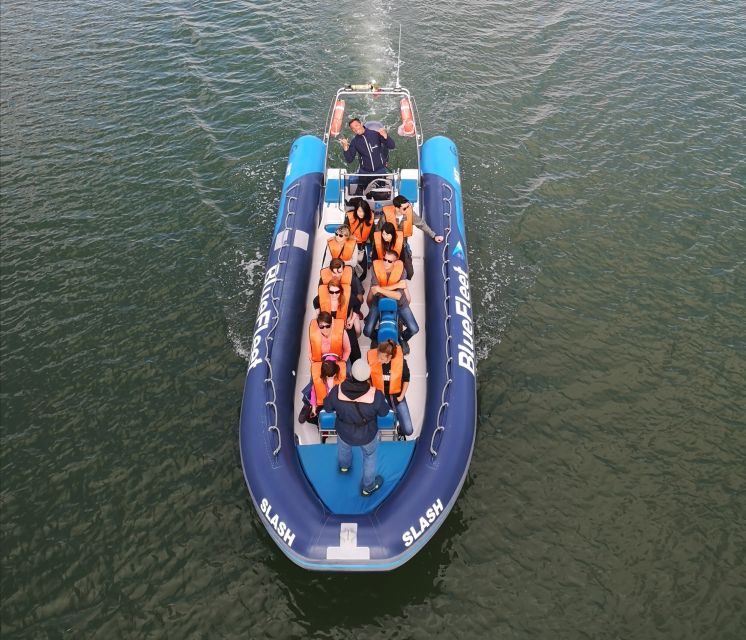
Let’s be honest about RIB trips: they can be fun, and they can be bumpy. The boat is designed for open-ocean conditions, which helps with safety, but it doesn’t guarantee smooth water.
In feedback, people mention the ride is exciting, with water impact you can feel when the waves hit. One practical caution: if you have a bad back, sit closer to the back of the boat where it may feel less harsh than the front.
What to bring so the trip feels good
Bring what you need to handle Atlantic wind:
- a jacket (more than one person specifically suggested this)
- layers you can adjust during a fast ride
- closed-toe shoes with grip
If you get motion sickness easily, this tour has at least some reassurance in the form of personal reports of no sea sickness. Still, everyone’s different, so if you know you’re sensitive, plan accordingly.
And for safety, you’ll get a briefing and life jackets onboard.
Who Should Book This Dolphin Trip (and Who Should Skip It)
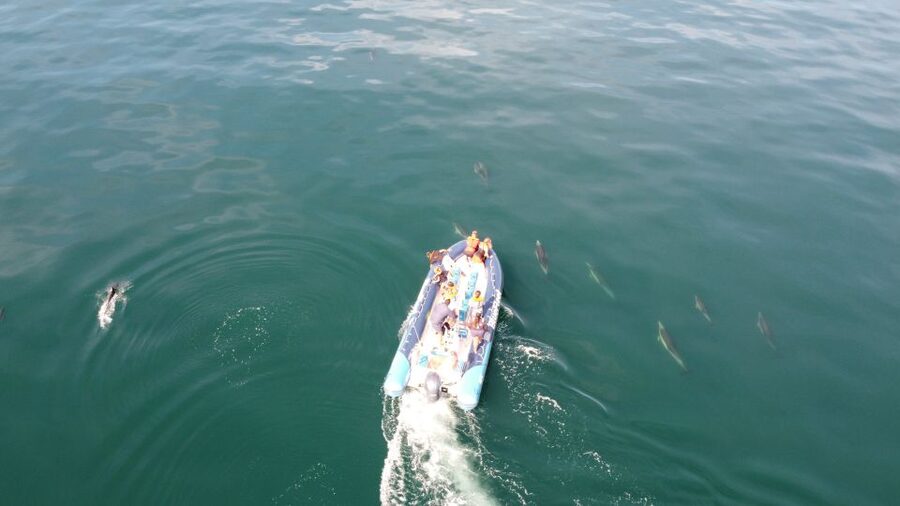
This is a strong match for:
- nature lovers who want a real wildlife experience
- couples who want something memorable and educational
- families (the key is age)
- people who like the idea of a science-led guide
The tour is not suitable for:
- children under 4 years
- pregnant women
- wheelchair users and people with mobility impairments
- people with heart problems
- people with back problems
Those restrictions are important because the boat is a fast RIB with offshore conditions, and open water adds physical demand.
If you’re traveling with someone who’s unsure, use the restrictions as your baseline. Don’t gamble with discomfort—choose an experience that matches your body.
Price and Value: Is $42 Worth It in Lagos?
At $42 per person for a 1.5-hour small-group trip, you’re paying for more than “a boat ride.”
Here’s what you’re really buying value-wise:
- marine biologist guidance (education + spotting help)
- small group size for better visibility and less crowding
- offshore-capable boat so the crew can search wider
- safety briefing and life jackets
- insurance included
You’re not paying for comfort features like pickup/drop-off here, because that’s not included. But if you’re already in Lagos, the meeting point is easy to reach (more on that below).
The smartest value move: pick your timing
If you want the best chance at value turning into dolphin time, consider the morning slot. When dolphins are active and conditions are good, the difference between “you saw something” and “you had a memorable encounter” is often down to timing.
Where You Meet in Lagos and How to Prepare
You meet at the local supplier’s office near Lagos Train Station, at:
- Estrada de São Roque, 8600-318 Lagos
- GPS: 37.108669, -8.672152
From there, you’ll connect with the crew for check-in and the onboard briefing. Since pickup and drop-off aren’t included, plan to arrive a bit early so you don’t feel rushed.
What I’d pack based on the trip style
This tour is fast and can get windy. Pack for the sea, not for the brochure weather.
- jacket/layers
- sunglasses and sunscreen
- a phone/waterproof pouch if you like photos
- leave valuables at home if you’re worried about lost or damaged items onboard (the operator notes they’re not responsible)
What If the Dolphins Aren’t Showing Up?
Wildlife watching has a real catch: dolphins can be shy, offshore, or simply not in a cooperative mood that day. And the tour is honest about that—part of the experience is searching.
Weather also matters. The trip is subject to conditions, and it may be rescheduled or canceled if conditions are bad.
Plan B can mean other marine life
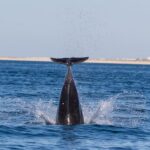
Even when dolphins are harder to find, the crew may still locate other marine animals. One report includes porpoises, and another mentions sightings including fin whales. So even if dolphins don’t happen the way you dreamed, you might still get genuine marine-life moments.
The best way to protect your odds is simple:
- choose a slot with better sea conditions if you can
- go in with respect for the fact that this is wild nature, not a guarantee
Should You Book This Lagos Dolphin Trip?
Book it if you want:
- a small-group experience (18 max)
- marine biologists who explain what you’re seeing
- a boat designed for open ocean searching, not slow sightseeing
- an ethical approach that respects wild dolphins
Skip it if you:
- need wheelchair access or mobility accommodations
- are pregnant
- have heart or back issues
- are traveling with small kids under 4
If you’re a go-with-the-flow nature person and you’re okay with the wildlife variable, this tour is one of the best ways to spend an Algarve morning or afternoon around Lagos. The combination of science onboard and an offshore-ready RIB is exactly the setup that turns dolphin watching from a gamble into a well-run hunt.
FAQ
How long is the dolphin watching tour?
The tour lasts about 1.5 hours.
What is the group size limit?
It’s a small-group experience with a maximum of 18 participants.
Where does the tour start in Lagos?
You meet at the local supplier’s office near Lagos Train Station, Estrada de São Roque, 8600-318 Lagos (GPS 37.108669, -8.672152).
How much does it cost?
The price is $42 per person.
What’s included in the tour price?
Included: the 1.5-hour dolphin-watching boat trip, a marine biologist guide, small-group experience (18 max), safety briefing, life jackets, and insurance.
Is pickup or drop-off included?
No. Pickup and drop-off service are not included.
What languages are available for the live guide?
The live tour guide is available in English, Portuguese, and Spanish.
Can I bring my pet?
No, pets are not allowed.
Are you allowed to feed or touch the dolphins?
No. Feeding animals and touching marine life (and touching animals) are not allowed.
What restrictions should I know about before I go?
You can’t smoke, and alcohol or drugs are not allowed. You also can’t jump on the boat. The tour also isn’t suitable for children under 4, pregnant women, wheelchair users, people with mobility impairments, and people with heart problems or back problems.