REVIEW · ALGARVE
Lagos: Dolphin Watch Tour with Professional Marine Biologist
Book on GetYourGuide →Operated by Sealife Dolphin Watching Algarve · Bookable on GetYourGuide
Wild dolphins, fast boats, real science.
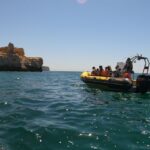
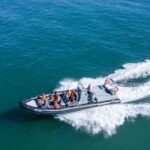
This Lagos dolphin watch is built around a 90-minute speedboat ride from the marina, searching for playful pods in the Atlantic while a marine biologist explains what you’re seeing. I also like that the operation is set up so you can reposition for sightings without turning it into a crowded zoo.
What really makes it worth your time is the blend of fun and purpose. You’re not just scanning water for fins; you get practical context about dolphin behavior and ongoing conservation work, including the idea that guides collect data during the trip. The main downside to plan around is that weather and sea conditions can cancel or change departures with short notice, so keep some flexibility.
In This Review
- Key highlights you’ll actually care about
- Finding the boat at Marina de Lagos (Passeio dos Descobrimentos 8)
- The 90-minute Atlantic search: what the speedboat time feels like
- Riding comfort tips that make a difference
- Spotting dolphins: what you’ll likely see (and what varies)
- How close is close?
- Marine biology onboard: what the biologist actually explains
- Guide names you might hear
- What “extra viewing room” means in real life
- Timing: when to go for better odds
- Price and value: is $42 reasonable?
- Who this fits best (and who should think twice)
- The decision: should you book this Lagos dolphin tour?
Key highlights you’ll actually care about
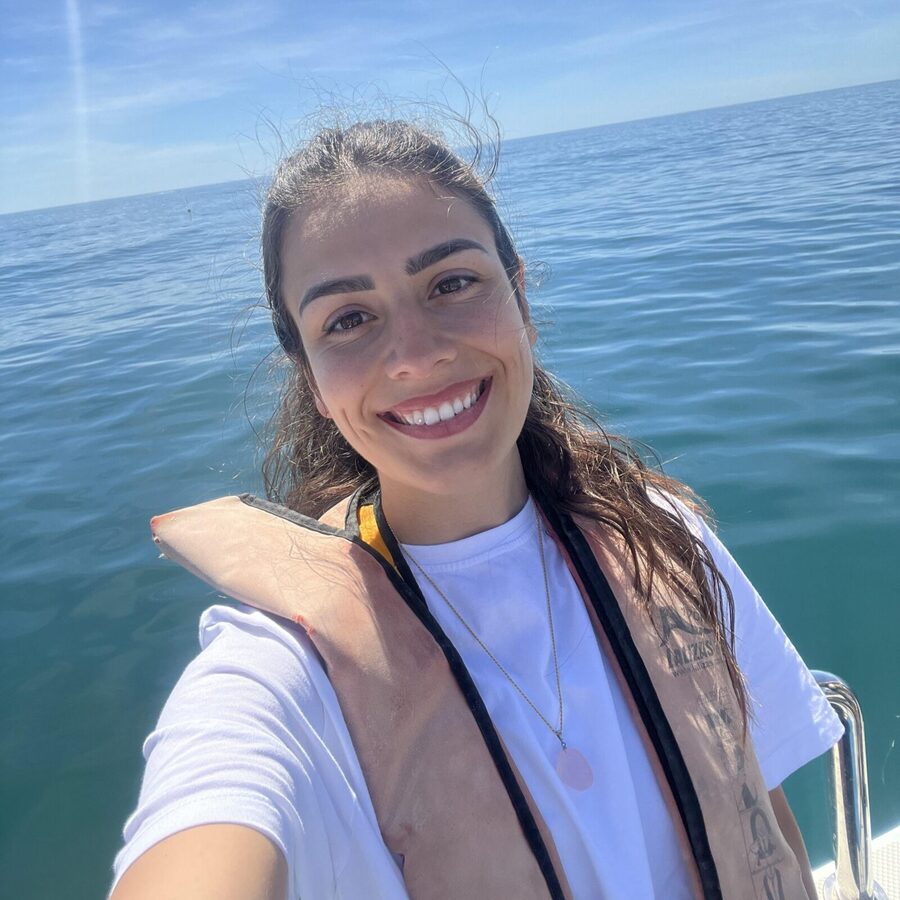
- Marine biologist onboard to translate dolphin behavior into plain English
- Speedboat with extra viewing space so more seats get a fair look when pods appear
- Conservation angle with data collection (so your outing supports real monitoring)
- High odds of sightings (the team claims about 96% success based on their track record)
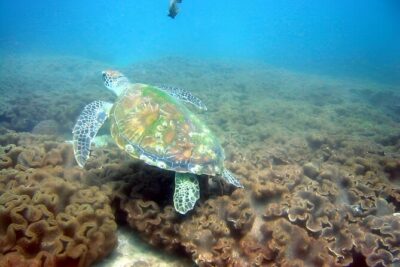
- You might see more than dolphins including occasional whales, depending on conditions
Finding the boat at Marina de Lagos (Passeio dos Descobrimentos 8)
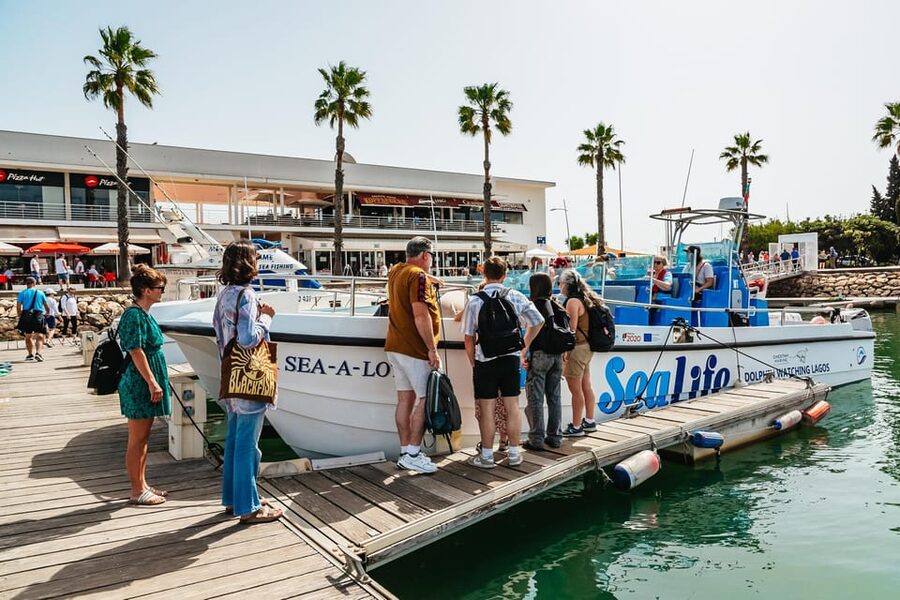
Your trip starts in Lagos at Passeio dos Descobrimentos 8, at the Marina area. Check in at the BomDia Boat Trip – Sealife – Seatrips booking office, loja 10, right in front of boarding gates A, B, C, D.
It’s a simple setup. Plan to arrive a few minutes early so you can check in, get your life jacket, and settle before the crew starts the run out to open water. The tour does not include hotel pickup, so you’ll want to be comfortable getting yourself to the marina by taxi, on foot, or local transport.
You can also read our reviews of more tours and experiences in Algarve.

The 90-minute Atlantic search: what the speedboat time feels like
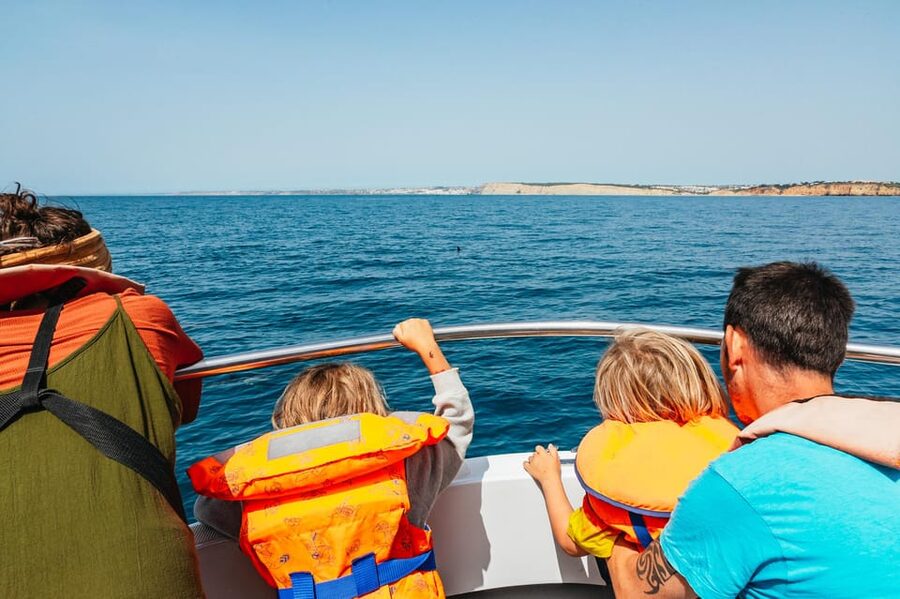
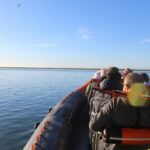
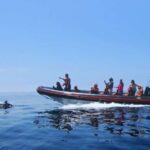
Once you’re aboard, the clock starts for about 1.5 hours total on the water. The general rhythm is: leave the marina, cruise along the Atlantic coastline area in search mode, then pause when dolphins show up so everyone can look.
A speedboat is a big part of the value here. You cover ground quickly, which matters because dolphins don’t hold still on a schedule. Some days dolphins appear fast; other days the crew has to work longer. The good news is that the boat setup and the staff style tend to keep it upbeat and organized even when you’re searching.
Riding comfort tips that make a difference
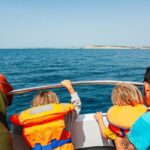
This isn’t a slow ferry. You will feel motion, and the water can spray—especially if you sit toward the front. If you want the smoothest ride, choose seats that help you reduce the spray and wave feel; many people report that sitting more toward the back is steadier.
Also, the Algarve can swing from warm to cool fast once the wind hits the water. Bring weather-appropriate clothing, and if you get cold easily, add a layer. One practical tip: bring something to cover your ears from cold wind. It’s not “extra”; it’s the difference between enjoying the narration and thinking about your headphones freezing.
Spotting dolphins: what you’ll likely see (and what varies)
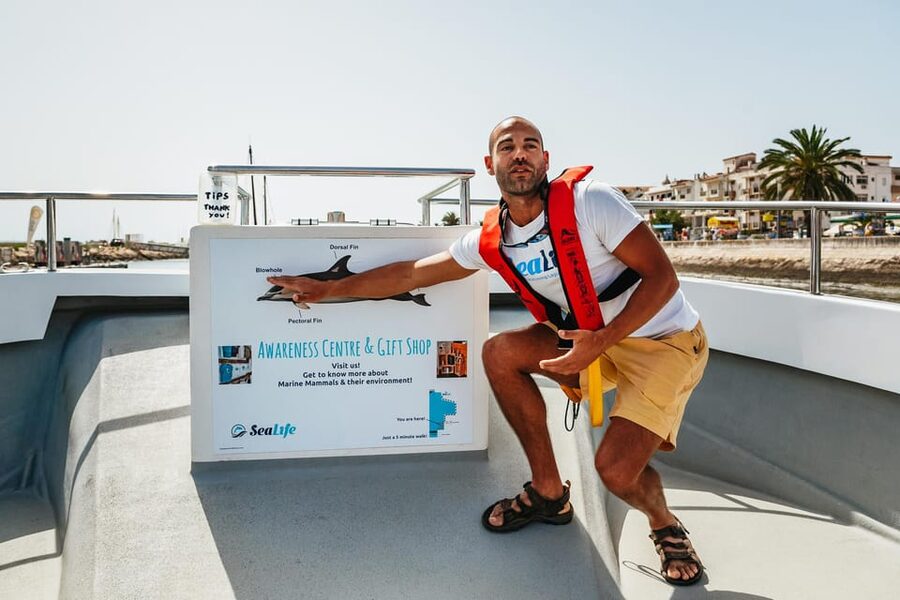
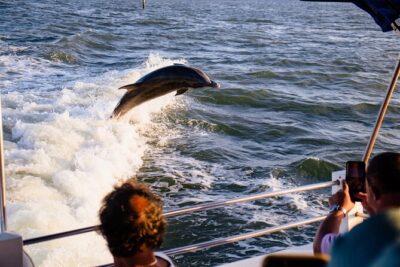
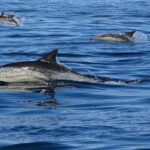
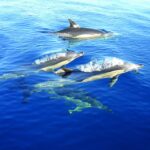
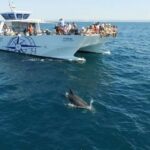
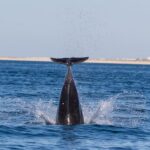
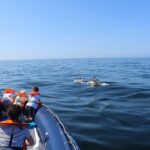
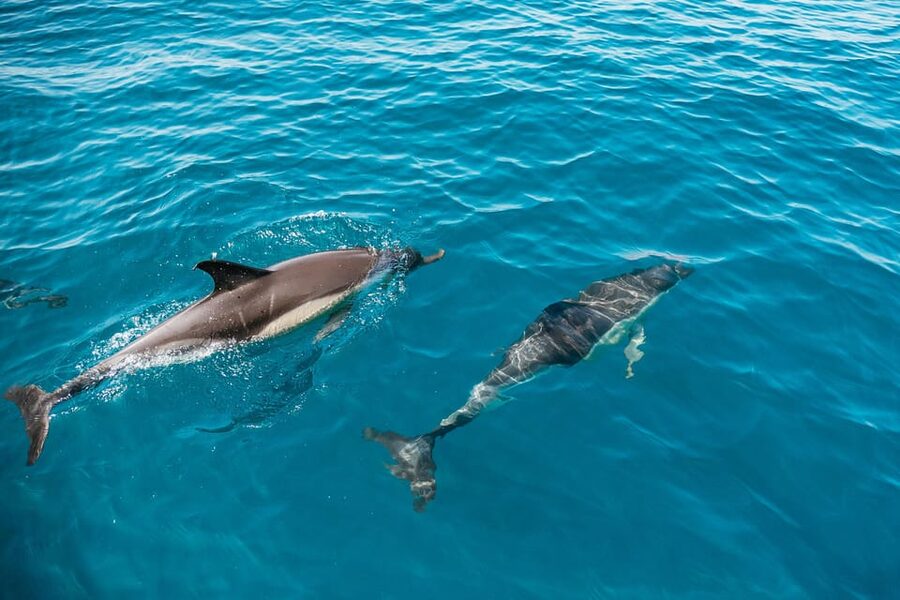
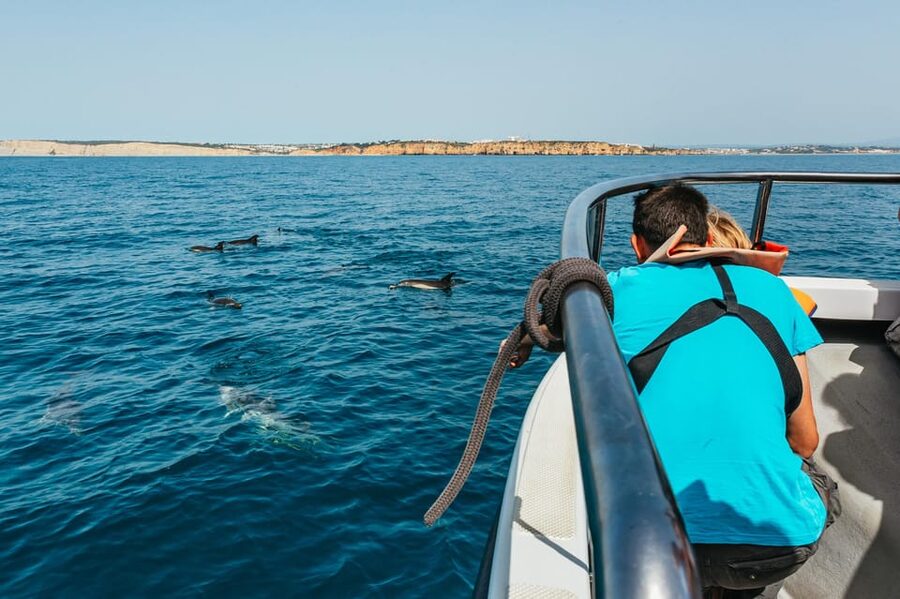
You’re looking for wild dolphins in natural habitat, usually in pods. Depending on what’s around that day, you might see different types such as bottlenose dolphins, common dolphins, or Risso dolphins. On a couple of outings, the surprises have included a right whale.
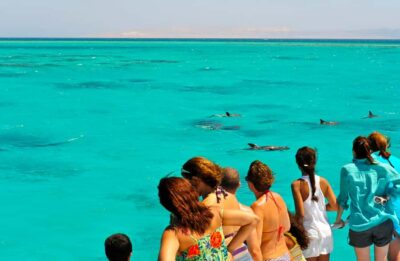
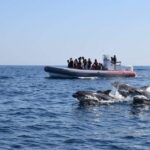
Dolphins also have different personalities. Some pods are curious and come toward the boat; others keep their distance and just do dolphin things at their own pace. Either way, your best “viewing strategy” is simple: once dolphins are spotted, move quickly into the best position you can from where you’re seated.
How close is close?
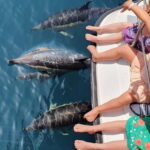
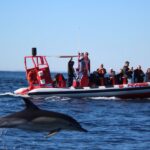
The tour is designed to keep a respectful distance, but dolphins can still come surprisingly near if they’re interested. People love seeing moms with babies and watching the pod coordinate behavior—surfacing, moving in arcs, and returning together. When a large superpod shows up (sometimes people describe pods in the tens or even over a hundred), the ride goes from sightseeing to wow-fact.
Marine biology onboard: what the biologist actually explains
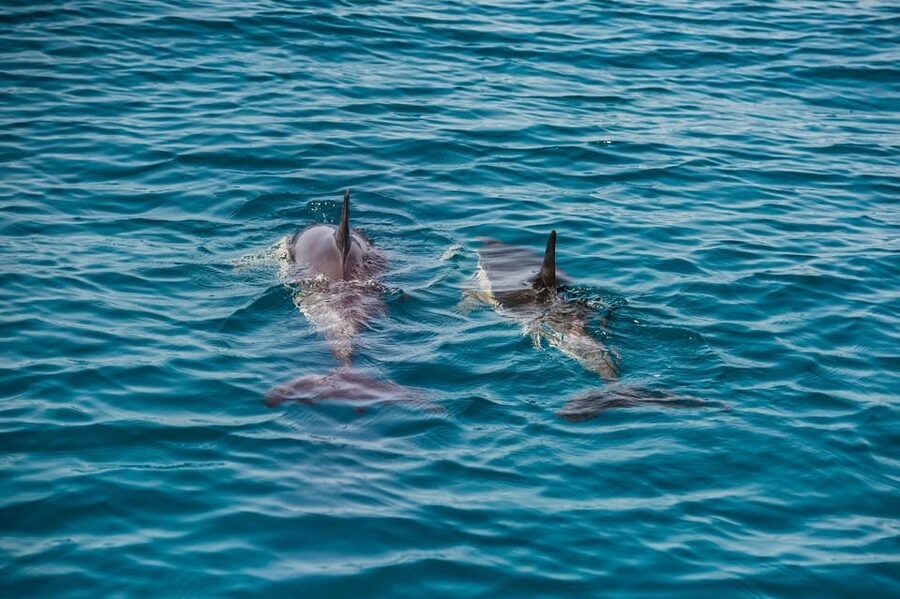
This is the part that turns a fun boat ride into a “why does that matter” memory. The tour includes marine biologists as guides, and the whole point is that you’re learning as you search.
You’ll likely hear explanations that make dolphin behavior click:
- How pods coordinate movement and why certain groups stay together
- What “communication” looks like in the water
- How dolphins use sound to find, track, and interact with one another
One specific detail I’d file away: a biologist explanation that dolphins can hear each other from as far as 3 kilometers. That kind of fact changes how you interpret what you’re watching, because you realize the animals aren’t reacting only to what you can see on the surface.
You may also hear about the bigger picture: conservation work and data collection. The guides collect observational info while you’re out there. It’s a meaningful layer because it turns your outing into support for monitoring, not just a one-time encounter.
Guide names you might hear
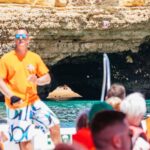
On some departures, the marine biologist is mentioned by name in the experience (for example, Danielle). In other cases, the guide and captain are also recognized (for example, Daniela as a guide and Bruno as the captain). If your guide introduces themselves, listen up. The best tours are the ones where the biology talk doesn’t feel scripted.
What “extra viewing room” means in real life
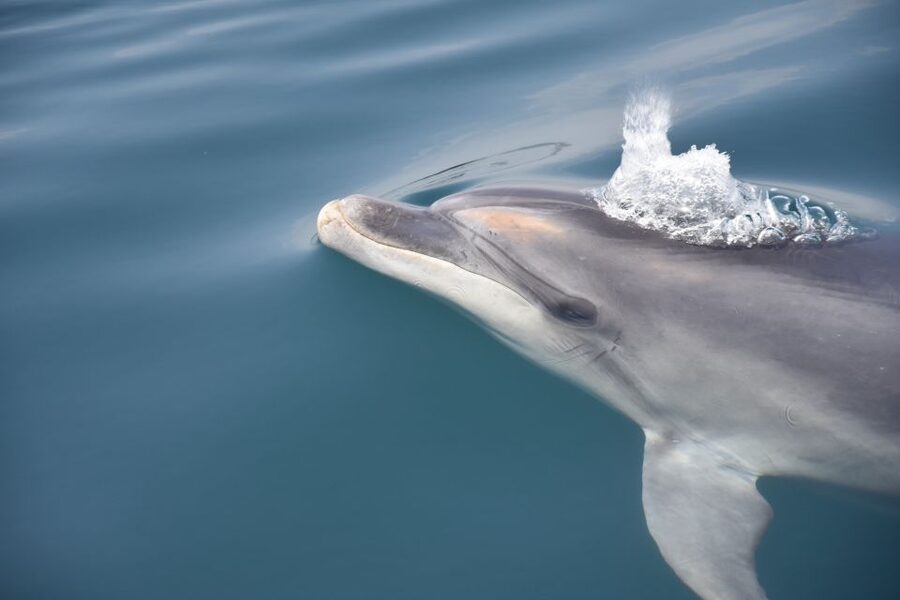
A lot of dolphin tours fail at one thing: half the passengers end up staring at the wrong angle. This one is often praised for giving more people the chance to look. The boat is set up so you can walk to a better spot when dolphins appear, not just crane your neck from one fixed seat.
You’ll also notice the difference when dolphins start swimming around the boat. The more room you have to move, the easier it is to watch the pod’s behavior rather than just spotting fins.
People specifically call out that some boats have better viewing than others, including references to a boat named Sir Sea a Lot. You can’t assume every departure uses the same vessel, but it’s a good clue: this operator clearly pays attention to passenger visibility.
Timing: when to go for better odds
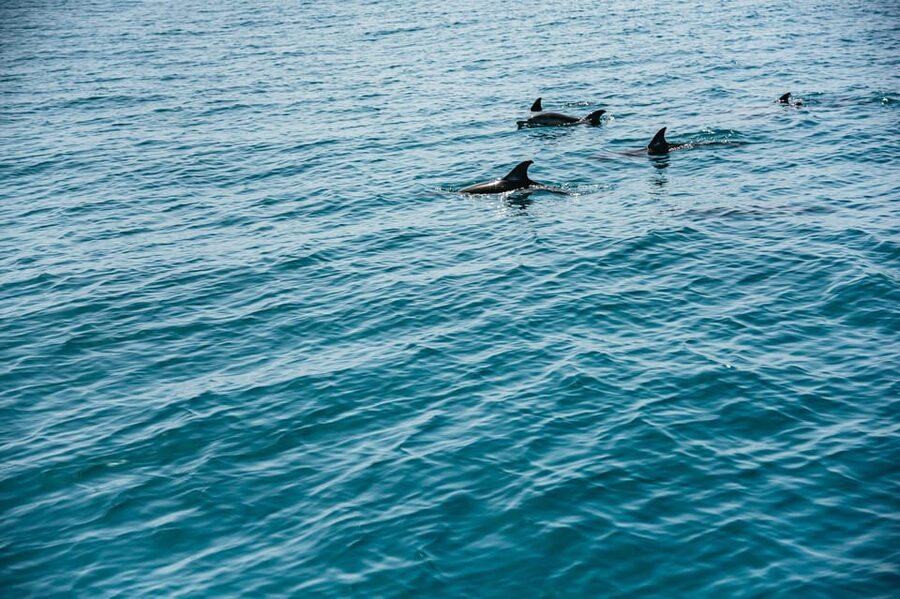
You can’t control wildlife. Still, you can make smart timing choices. One standout tip from experience: an early departure (someone mentioned a 9:15 AM slot) can feel like the better bet because you’re on the water earlier in the day.
If you’re flexible, consider morning tours first and save later slots if you want backup plans. And remember: even with good odds, some days dolphins are elusive. When that happens, crews may extend the time on the water to keep searching—because the goal is a worthwhile encounter, not just checking a box.
Price and value: is $42 reasonable?
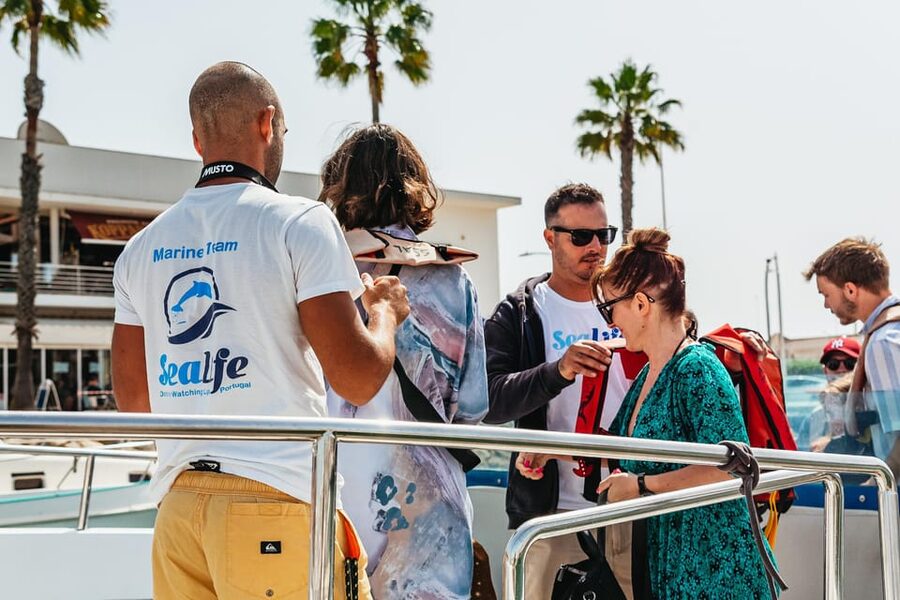
At $42 per person for about 1.5 hours, the value comes from what’s included and what you’re paying for beyond the boat ride.
You get:
- The boat tour
- Life jackets
- A live marine biologist as a guide
That biology piece matters. A generic sightseeing cruise can still be fun, but this one sells a different product: wildlife education plus conservation context while you’re out there. If you’ve ever done “see dolphins if you’re lucky” tours, this feels more deliberate because the crew is actively searching and explaining what you’re seeing in real time.
Also, the speedboat format helps. You cover more water, which can increase your chance of finding pods compared with very slow outings. Combine that with a setup where more passengers can view dolphins once they’re found, and the price starts to make sense quickly.
Who this fits best (and who should think twice)
This tour works best for people who:
- Want an active wildlife outing without a full day commitment
- Like science explanations delivered during the action
- Are comfortable with speedboat motion on open water
It may not be ideal if you:
- Are pregnant
- Have back problems
- Are traveling with babies under 1 year
If you’re bringing kids, many families seem to enjoy the chance to see dolphins up close and the way guides keep the info lively and engaging. Just dress for wind and spray, because “short ride” does not mean “dry ride.”
The decision: should you book this Lagos dolphin tour?
If you want a 90-minute dolphin outing that combines wildlife spotting with real marine-biology commentary, I think this is a strong buy. The main reason to book is the pairing of a marine biologist guide with a boat plan that supports viewing, plus the conservation/data angle that makes the whole thing feel purposeful.
Only hold off if you know you’re traveling on a day where you can’t handle schedule changes due to sea conditions. And if you’re sensitive to motion or you fall into the health limits listed for pregnancy/back issues, pick another activity with calmer pacing.
If your schedule has flexibility, go. When dolphins are around, this is the kind of Atlantic encounter that sticks.