REVIEW · ALGARVE
Lagos: Dolphin Watching with Professional Marine Biologists
Book on GetYourGuide →Operated by Dolphin Seafaris · Bookable on GetYourGuide
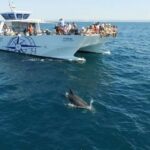
Dolphins off Lagos can feel unreal. This 90-minute boat trip from Marina de Lagos pairs a marine-biologist-led search with real respect for wildlife, so you’re watching dolphins in their normal routine rather than doing a gimmick.
I like two things most: first, the way the crew helps you read dolphin behavior so spotting feels less like luck and more like a skill. Second, the experience is short and punchy—fast out of the harbor, then you settle in with pods long enough for real viewing and photos. The only real drawback is that the ride is fast, with wind and spray in the front row of the experience.
In This Review
- Why this Lagos dolphin tour is worth your time
- Key things to know before you go
- Where you meet Seafaris at Marina de Lagos (and how to be ready fast)
- The Tornado rib ride: 90 minutes of Atlantic scanning, not slow cruising
- What species you’re hoping for: bottlenose and common dolphins, plus surprise wildlife
- Watching dolphins the ethical way: natural habitat, no feeding, no interference
- The guide team: marine-biologist explanations that actually help you spot more
- Who should book, and who should skip this Lagos dolphin ride
- Price and value: $40 for 90 minutes of dolphin-first searching
- Practical tips for comfort and better dolphin photos
- Should you book Dolphin Seafaris in Lagos?
- FAQ
- How long is the Lagos dolphin watching tour?
- Where is the meeting point in Lagos?
- Is this tour wheelchair accessible?
- What’s included, and what should I bring?
- What marine wildlife can we expect to see?
- What is not allowed during the tour?
- Who is the tour not suitable for?
Why this Lagos dolphin tour is worth your time
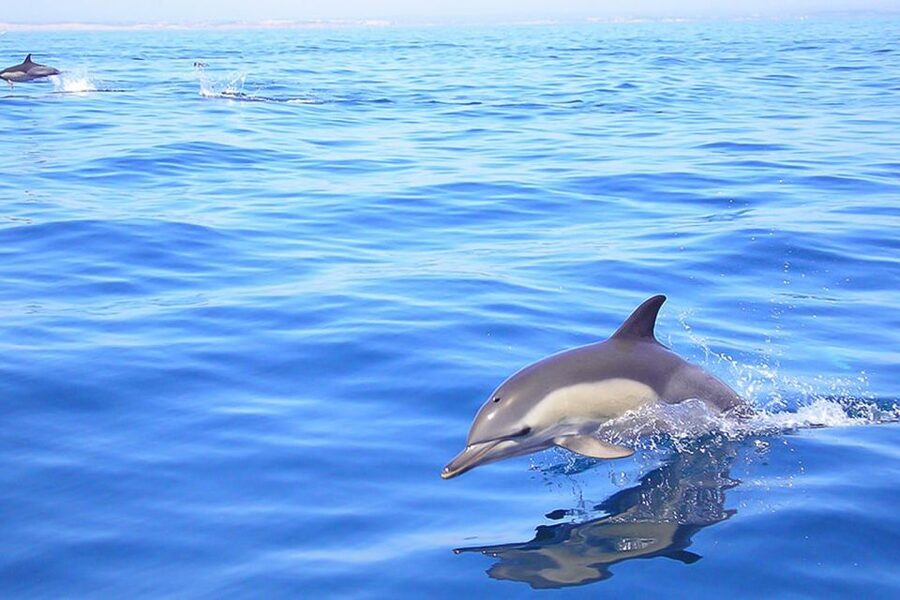
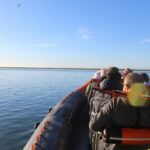
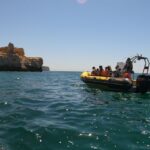
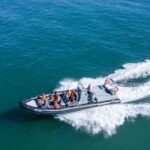
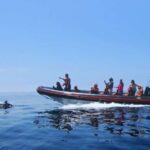
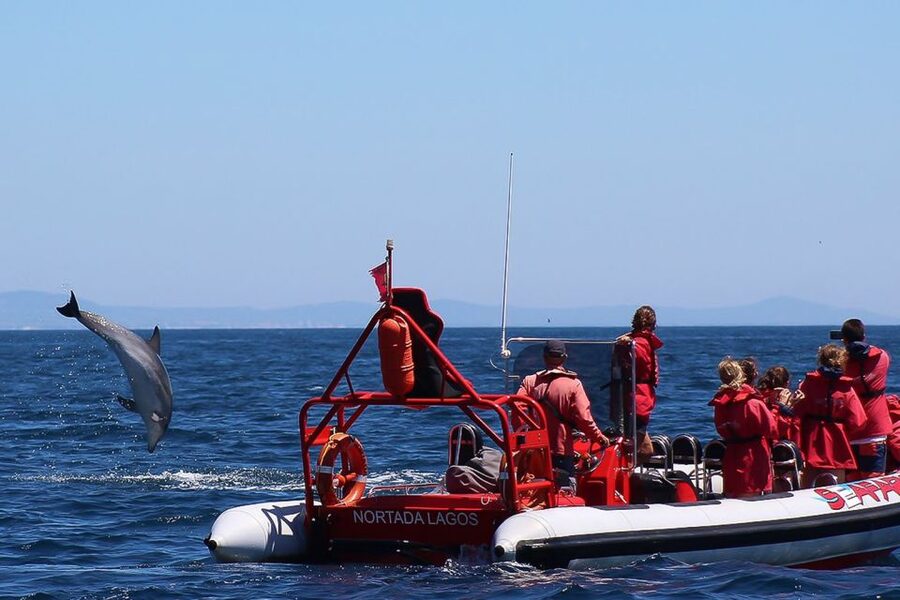
The basic idea is simple: get out onto the Atlantic near Lagos, search for cetaceans, then watch them calmly as you pass alongside. The boat is the Tornado rib, and yes, it moves—so the tour is energizing, not slow sightseeing. You’ll also get waterproof jackets and safety gear, which makes a big difference when you’re dealing with Atlantic breezes.
That speed also means comfort is situational. If you’re prone to motion sickness, have a sensitive back, or hate cold wind, plan carefully.
Key things to know before you go
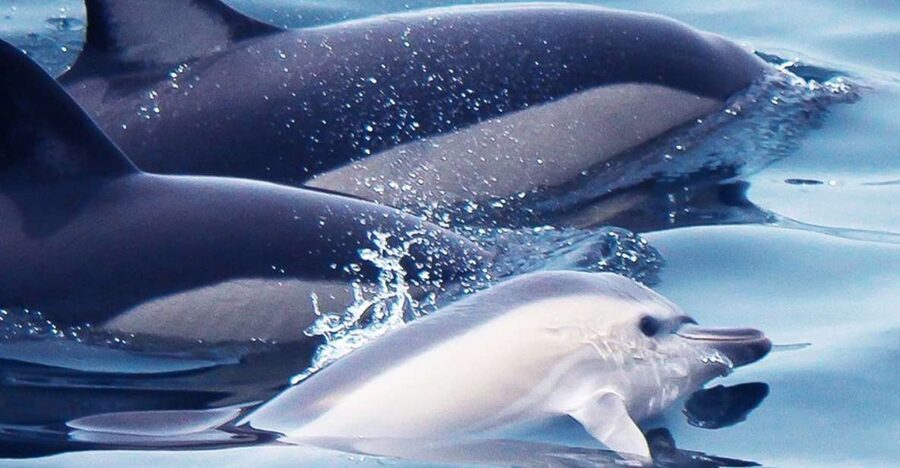
- Marine biologists on board: you’re not just getting a casual nature talk.
- Tornado rib speed: it’s thrilling, but you’ll feel the wind.
- Bottlenose and common dolphins: those are the headline species you’re searching for.
- Wildlife viewing in natural habitat: the goal is observation, not interaction.
- Ethical rules are clear: no feeding animals, and diving isn’t allowed.
- 90 minutes, daily departures: it’s an easy add-on to a Lagos day.
You can also read our reviews of more tours and experiences in Algarve.

Where you meet Seafaris at Marina de Lagos (and how to be ready fast)
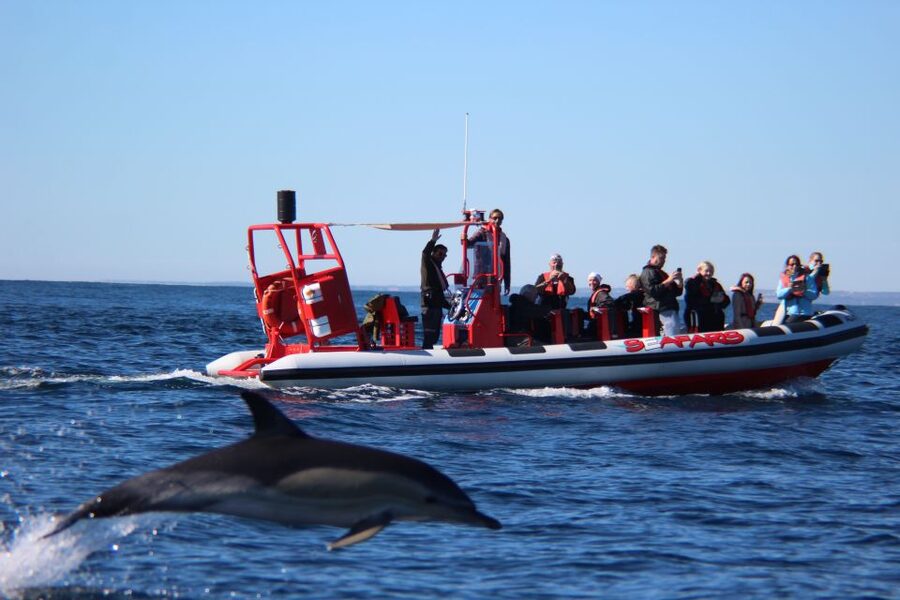
You’ll start at Marina de Lagos, at Loja 5, and you’ll board from there in a structured, straightforward way. Plan to arrive with a bit of buffer so you can check in, get sorted, and be ready to move.
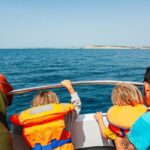
Once you’re at the dock, the practical side kicks in. You’ll be given waterproof jackets and safety equipment, which is important because you’re out on open water where wind can change fast. Bring your camera and sunscreen—even on cooler days, the sun off the water can sneak up on you.
If you’re wearing a lightweight layer on land, bring a warmer top. One thing I’d do every time on this kind of ride is dress like the boat will be colder than the dock.
The Tornado rib ride: 90 minutes of Atlantic scanning, not slow cruising
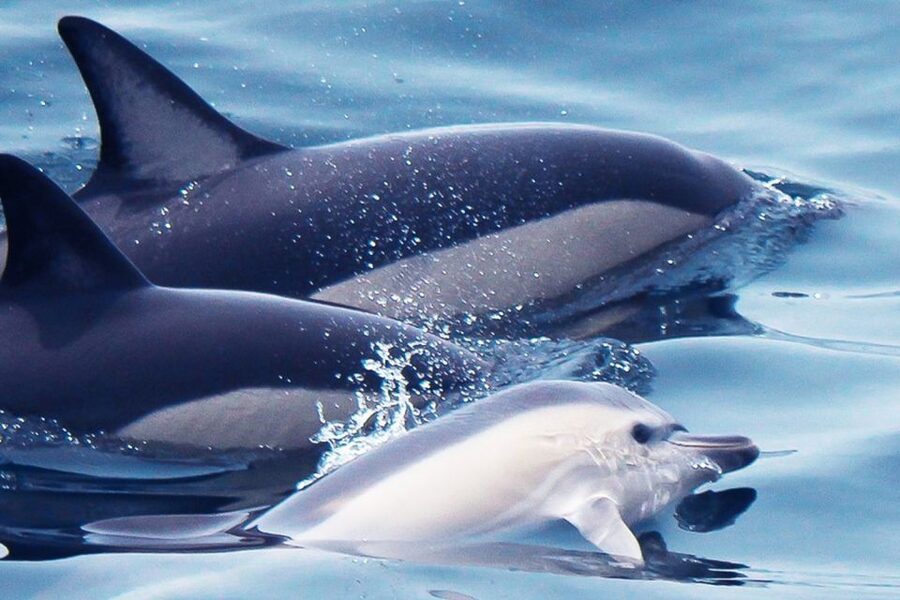
The schedule is about 1.5 hours total, and the main action happens on the water. The company runs each day from Lagos, so you’re not stuck with one awkward time slot.
The trip is designed like a search mission. You go out, the crew looks for signs, and when the dolphins show up, you’re positioned to watch them properly. Several details from the experience stand out: the boats often feel quick, and the guides coach you on where to look so you don’t miss the moment.
You’ll likely feel the boat’s pace right away. On a fast rib, your hair (and patience) gets tested. The upside is you’re not trapped on the water for hours with nothing happening—you’re actively searching, then actively watching.
Pro tip: when the dolphins appear, don’t just aim your phone forward and hope. Listen to what the guide says about what to watch for next. That’s where the trip turns from random spotting into something you can actually follow.
What species you’re hoping for: bottlenose and common dolphins, plus surprise wildlife
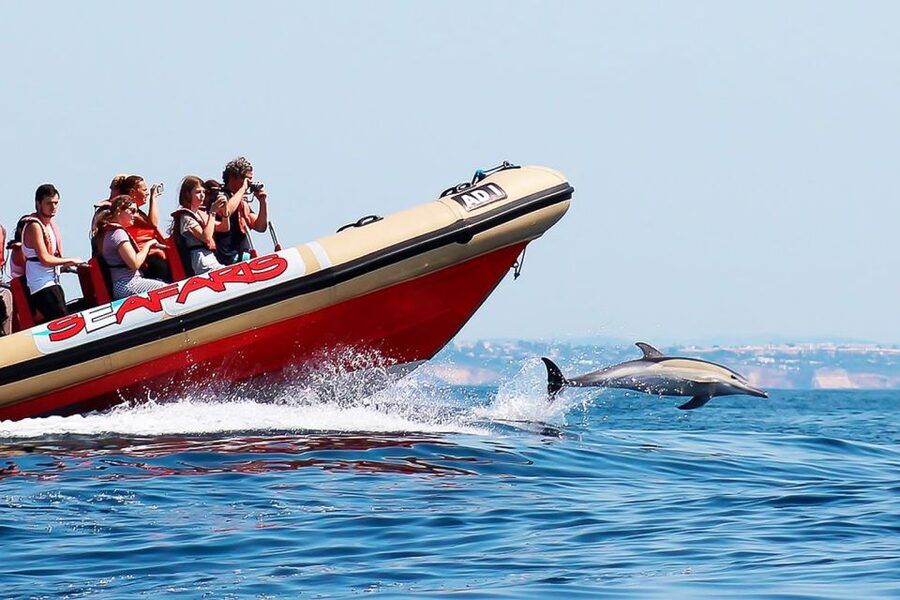
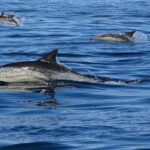
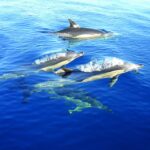
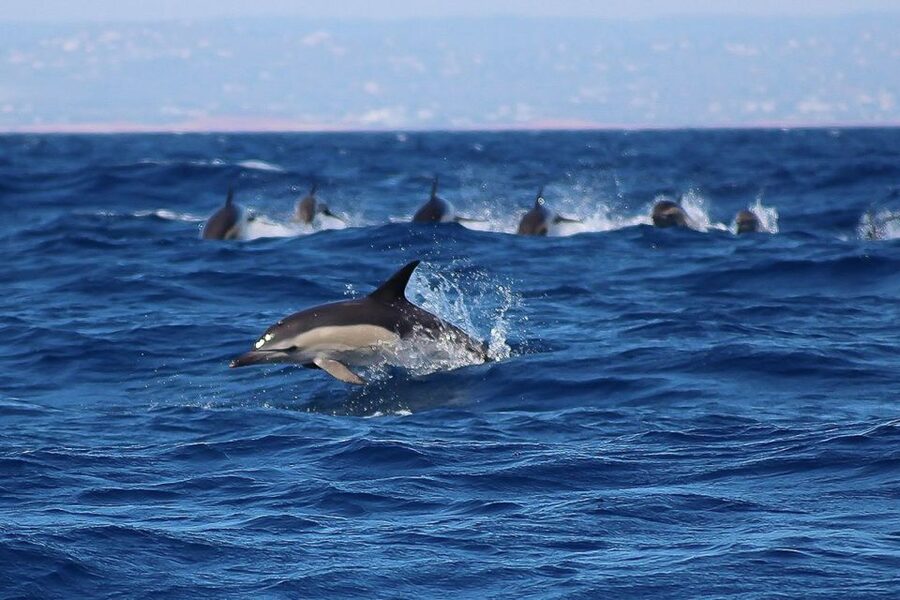
The target species are bottlenose dolphins and common dolphins. That matters because you’ll hear dolphins described differently depending on their behavior and movement patterns, and you’ll know what you’re looking for once you’re out there.
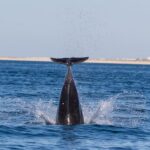
If you’re lucky, you may also see other marine wildlife. The experience is set up as a dolphin search, but some trips have included sightings like whales and even other ocean animals along the way. The key point is that your plan is dolphin-focused, while the Atlantic can still throw in pleasant extras.
Don’t build your day around guaranteed whale sightings. The responsible way to think about it is: your chances improve when you let the crew search and when you’re flexible about weather and sea conditions.
Watching dolphins the ethical way: natural habitat, no feeding, no interference
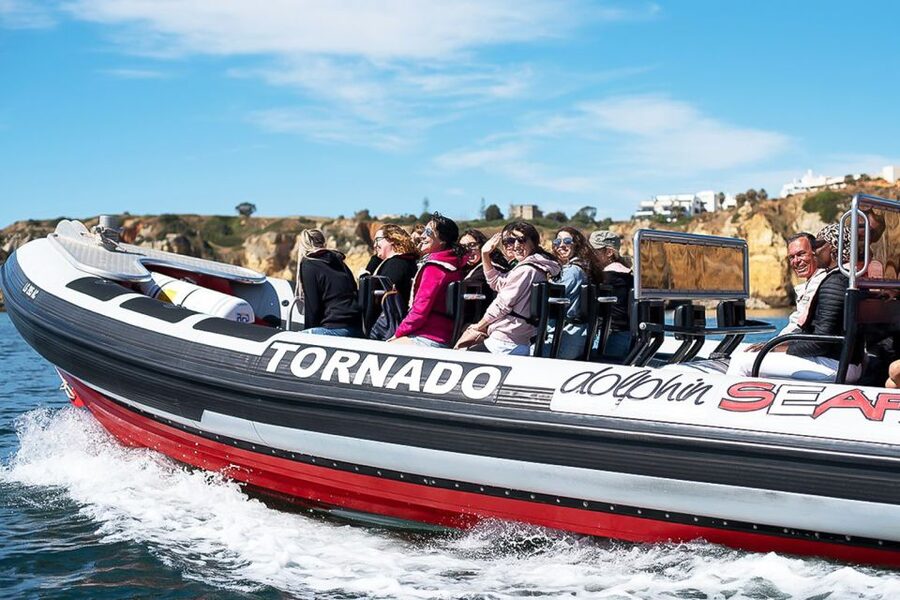
One thing you should appreciate going in: this is built around wildlife viewing in the dolphins’ natural habitat, and the rules are clear. Feeding animals isn’t allowed, and diving isn’t allowed—both of those restrictions are there for a reason.
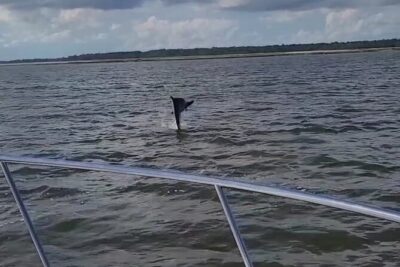
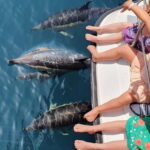
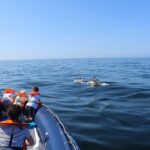
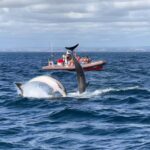
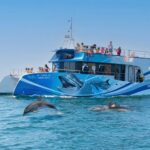
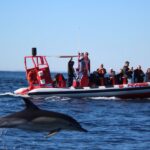
From the way the experience is described, the crew’s goal is to watch without turning the dolphins into a show. In practice, that means you may get close views, including moments where dolphins swim near or alongside the boat, but you’re still observing rather than chasing or forcing contact.
That approach makes a real difference for your sense of the moment. When dolphins approach naturally, you get behavior: playful movement, synchronized travel, and the kind of underwater rhythm you can almost feel from the deck.
If ethical viewing matters to you, this tour style is the right fit. You’re there to watch the real animal, not a staged interaction.
The guide team: marine-biologist explanations that actually help you spot more
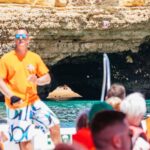
This tour stands out because the boat doesn’t just run on engines—it runs on guidance. You’ll have a live tour guide in Portuguese, English, and Spanish, and on many departures you may also hear from marine biologists (for example, a marine biologist named Joan has been mentioned).
You might also hear instruction from crew members you’ll recognize from prior trips—names like Sam, João, and Bruno show up in experience accounts. Even if the specific team changes by day, the pattern you should expect is consistent: they point out what to look for, explain behavior, and keep their focus on the dolphins rather than filling time with generic facts.
Here’s how that helps you as the passenger. When the crew says to stand in a certain spot or to watch for a particular movement pattern, you’re using real-time info. That increases your odds of seeing the best moments—breaches, turns, surfacing timing, and playful crossings.
Who should book, and who should skip this Lagos dolphin ride
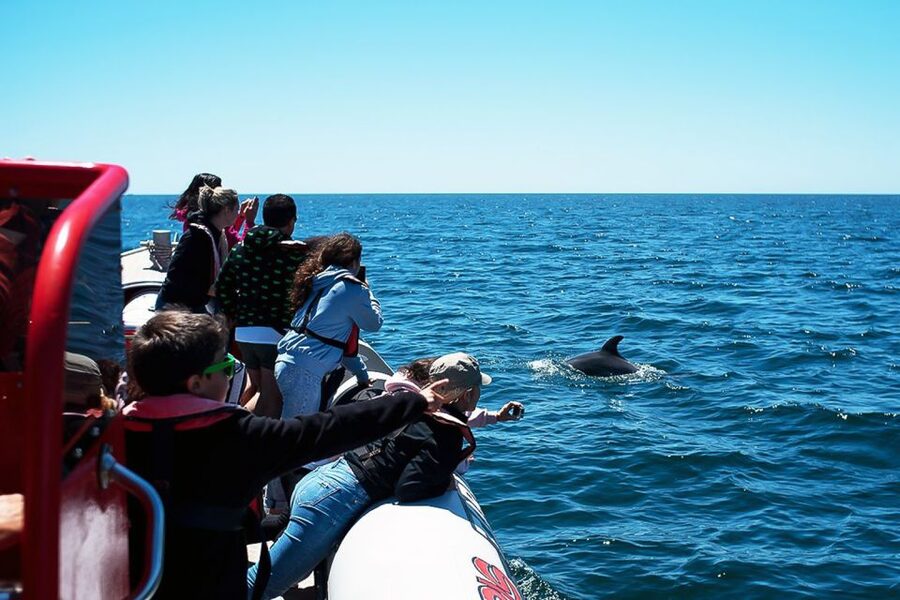
This experience is best for people who want a short, high-energy wildlife outing and can handle wind and speed.
It’s not suitable for:
- Children under 3
- Pregnant women
- People with back problems
Also, a few on-board rules matter for families and comfort. Baby strollers and baby carriages aren’t allowed, and there’s no smoking, no alcohol or drugs, and no glass objects. If you’re traveling with small kids, check the age limits first and plan for how you’ll manage them without a stroller.
If you’re the type who likes action—getting out quickly, searching, then watching intensely for a focused block of time—this is a strong match. If you prefer long, slow cruises where you can lounge for hours, you may find the speed a bit much.
Price and value: $40 for 90 minutes of dolphin-first searching
At $40 per person for about 1.5 hours, this isn’t a bargain deal, but it’s also not trying to be a luxury experience. The value comes from three places:
First, you’re paying for an active search effort—not a passive route. That means more time searching for dolphins and less time drifting.
Second, you get practical gear (waterproof jackets and safety equipment) and professional guidance (including marine-biologist involvement on the experience). Those details aren’t free on a boat operation.
Third, the trip is short. You get a big hit of wildlife viewing without losing most of your day.
One real-world note: a few experience accounts mention the price sometimes appearing lower than the stated amount. Prices can shift, so if you see a better rate on your travel dates, that’s even better value.
My advice: treat it as a “priority experience” in Lagos. If dolphins are high on your list, spending the money to maximize your odds makes sense.
Practical tips for comfort and better dolphin photos
You’ll be on the Atlantic, so bring what keeps you comfortable and ready to shoot.
Bring:
- Camera (this is strongly recommended)
- Sunscreen
- A warm layer, even if it looks mild at the marina
A few comfort truths:
- Wind hits harder when you’re moving fast.
- Even with jackets, your face and hands can get chilly.
- If you want photos, steady your stance. Use the moments the guide helps you position, not just the moments you panic.
Also, be smart about expectations. Dolphin spotting isn’t a vending machine. If the dolphins aren’t showing up right away, the crew continues searching, and sometimes that makes the difference between a mediocre trip and a memorable one.
Should you book Dolphin Seafaris in Lagos?
I’d book this if you want dolphin watching in Lagos with real scientific guidance, a short 90-minute format, and the thrill of a fast boat that actually searches. The included gear and the clear wildlife rules make it feel like a serious wildlife outing rather than a casual cruise.
I’d think twice if you’re sensitive to motion and wind, if your back is easily aggravated, or if you’re pregnant. For everyone else, this is one of the more efficient ways to put dolphins on your Algarve trip without turning your whole day into a waiting game.
If your goal is simple—see dolphins in the Atlantic and learn what you’re seeing—this tour earns the spot on your itinerary.
FAQ
How long is the Lagos dolphin watching tour?
The tour lasts about 1.5 hours (approximately 90 minutes).
Where is the meeting point in Lagos?
You meet at Marina de Lagos, Loja 5, 8600-780 Lagos, Portugal.
Is this tour wheelchair accessible?
Yes, it is listed as wheelchair accessible.
What’s included, and what should I bring?
Included are waterproof jackets and safety equipment. You should bring a camera and sunscreen.
What marine wildlife can we expect to see?
The main focus is dolphin watching, including bottlenose and common dolphins. The tour also allows for the possibility of seeing other wildlife species.
What is not allowed during the tour?
Not allowed items and actions include smoking, alcohol and drugs, glass objects, feeding animals, and diving. Baby strollers/baby carriages are also not allowed.
Who is the tour not suitable for?
It’s not suitable for children under 3, pregnant women, and people with back problems.