REVIEW · VIRGINIA BEACH
Sunset Dolphin Kayak Tours
Book on Viator →Operated by Chesapean Outdoors · Bookable on Viator
Dolphins, lighthouses, and sunset on calm water. That mix is why Sunset Dolphin Kayak Tours works so well: you get the wildlife part and the postcard part in one smooth 2-hour outing. I especially like the small-group feel, and I also like that guides such as Matt and Tommy bring the whole route to life with clear dolphin-spotting talk.
You’ll love the practical setup. You start with an easy-to-use sit-on-top kayak, you get a short safety and technique briefing, and you’re guided along shoreline stretches that tend to be strong for dolphin sightings. The guides’ job is not just to point; it’s to keep you safe, help you paddle efficiently, and steer the group toward dolphin pods when the timing is right.
One consideration: the beach launch involves walking in sand and you should expect to get wet. Also, wind, current, and waves can change conditions fast, so dolphin sightings can’t be treated like a sure thing.
In This Review
- Quick highlights
- Entering Virginia Beach’s Chesapeake Bay: the launch at First Landing State Park
- What dolphin watching by kayak really means on this route
- Cape Henry lighthouses and the Bridge-Tunnel glow on the return
- The pacing: how the 2 hours usually feels on the water
- Who this is best for (and who should think twice)
- Price and value: why $68 can feel like a bargain
- Weather reality: why conditions can change, even when everyone tries
- Should you book Sunset Dolphin Kayak Tours?
- FAQ
- Where does the Sunset Dolphin Kayak Tour start?
- How long is the kayak tour?
- What is included in the $68 price?
- Do I need to pay for parking?
- How many people are in the group?
- Is there a weight limit?
- What happens if weather cancels the tour?
Quick highlights
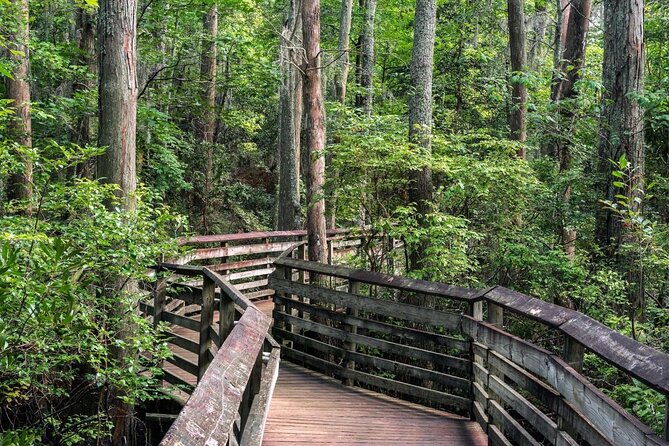
- Small-group kayaking (max 12) keeps the vibe personal and easier to manage on the water
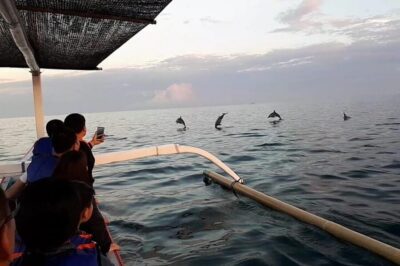
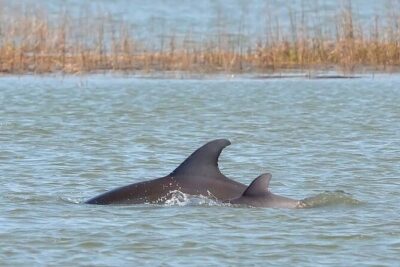
- Dolphin pods in their habitat along the Virginia Beach shoreline, when conditions cooperate
- Cape Henry Lighthouse area and the route’s classic landmarks, including the Cape Henry lighthouses
- Evening light photo moments, with the Chesapeake Bay Bridge-Tunnel lights showing up on the return
- Beginner-friendly sit-on-top kayaks, with a quick lesson before you paddle out
Entering Virginia Beach’s Chesapeake Bay: the launch at First Landing State Park
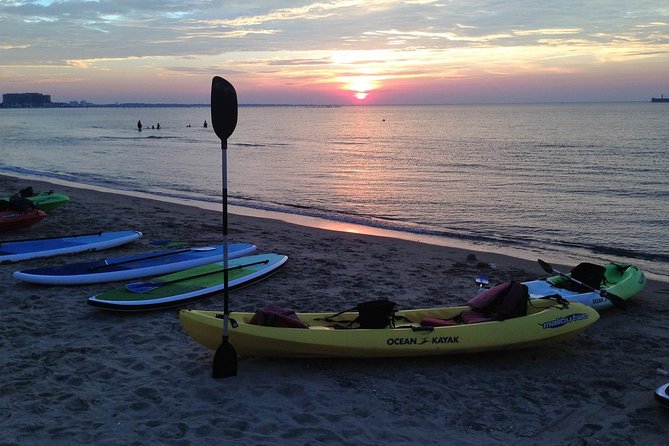
Most kayak tours start on a dock. This one starts where it should: right at First Landing State Park near 2500 Shore Dr, Virginia Beach. The whole experience feels simpler because you’re not juggling gear vans, long transfers, or complicated meeting points. You go to one place, meet the guide team on the beach, and get moving.
After you check in, expect a quick fit and feel session in a sit-on-top kayak. That matters for real beginners. Sit-on-top boats are stable, easy to handle, and forgiving if you’re still learning how to paddle straight or how to adjust your stance. Once you’re set, the guide covers kayak basics and water safety in plain terms so you get your bearings fast.
Then comes the part that turns a normal paddle into a sunset mission: you launch into the Chesapeake Bay and work a shoreline route designed for wildlife spotting. Early evening is key. The water tends to feel calmer than mid-day boating, and the light helps you see seabirds and shoreline landmarks clearly. Plus, you get that cooler tempo that makes it easier to enjoy the scenery instead of just surviving the paddle.
You can also read our reviews of more tours and experiences in Virginia Beach.
What dolphin watching by kayak really means on this route
Let’s talk expectations, because this is wildlife. You’re not in a controlled viewing platform. You’re in a small craft on an active coastline where dolphin pods move and the wind and current can shift fast.
The guides’ strength is how they read the water. They follow along shoreline stretches that are especially good for dolphin sightings, and they try to time things so you can paddle with pods instead of chasing after them like you’re on a race course. When dolphins are around, the action can happen quickly. In many outings, dolphins show up early, and once a pod is spotted, the rest of the route often turns into repeated sightings over the next part of the tour.
You also get the wildlife that comes along for the ride. The Chesapeake Bay is full of seabirds, and you’ll likely see them while you paddle. That’s useful if dolphins are slow one minute—there’s still plenty to watch without losing the sense of adventure.
One small truth that comes through in real-world experiences: you might see lots of dolphins, or you might see fewer than you hoped, depending on conditions. Winds, currents, and tide timing can make the area unsafe for a standard shoreline approach. When that happens, guides may change where you paddle. You’re still kayaking—just not always in the exact same dolphin zone. That’s part of the deal with being on open water.
Cape Henry lighthouses and the Bridge-Tunnel glow on the return
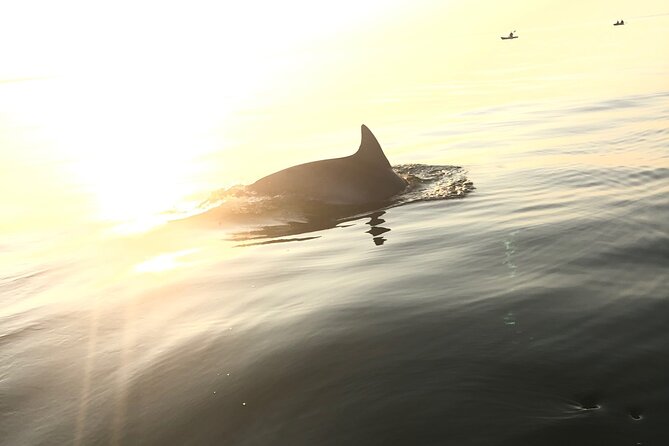
The best part of this tour isn’t just dolphins. It’s how the route keeps switching from wildlife to landmark sightseeing, without making you feel like you’re between stops on a bus.
As you paddle onward, you’ll head toward the Cape Henry Lighthouses—a pair of historic signal lights that guide vessels into the Chesapeake Bay. Seeing them from the water is different from driving past them on land. From your kayak, the scale hits you fast: you notice how the shoreline bends, how the light works on the water, and how the lighthouses sit as working markers in an active bay system.
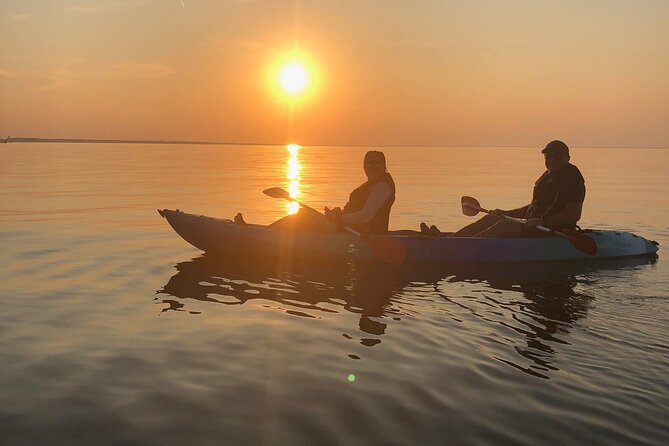
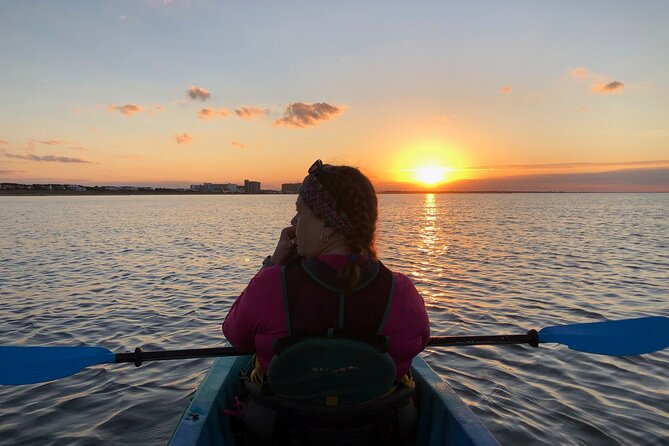
Then you angle back for a big evening payoff: the Chesapeake Bay Bridge Tunnel lighting up in the sunset. Even if you’re not a person who always takes photos, the moment has a way of pulling you into pause-and-look mode. The evening sky and the bright structure lights make for easy, natural shots. You don’t need special gear—just a phone and a willingness to stop paddling for a minute.
The whole return trip to First Landing State Park wraps up the tour in a way that feels like you did something both calm and memorable: wildlife watching in motion, plus iconic local sights lit by the day’s last warm light.
The pacing: how the 2 hours usually feels on the water
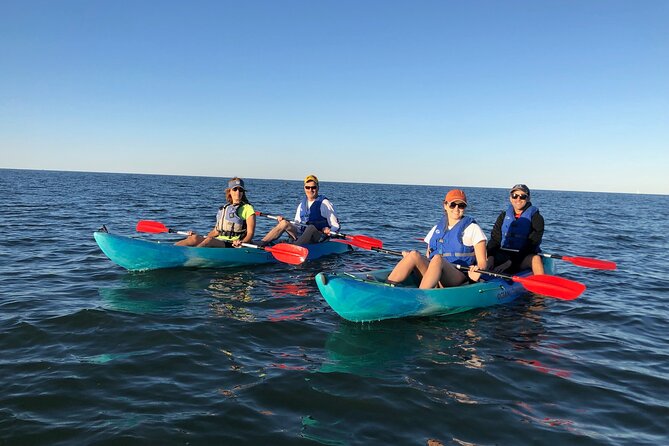
A 2-hour kayak tour can feel either short or long depending on how it’s run. Here, the pacing usually lands in the sweet spot because you’re not just paddling hard for the entire time. A good chunk is about navigation, spotting, and stopping long enough for the guide to explain what you’re seeing.
Guides tend to keep groups together carefully. That’s not just safety talk. It helps you get better wildlife moments because everyone is in roughly the same search area when a dolphin pod is active. In real outings, guides also take a friendly, patient approach—people mention guides being great at explaining dolphin behavior and local ocean details, and they mention keeping paddling easy to follow for the whole group.
If you’re nervous about kayaking, take comfort in how often this tour gets described as suitable for all skill levels. The sit-on-top setup and the short skills briefing do a lot of heavy lifting. If you can handle a steady seated posture and follow simple instructions, you can usually keep up.
If you’re already confident in a kayak, you’ll still appreciate the structure. You’re paddling with purpose, not just wandering. And you get the benefit of the guide team already knowing where to look and when to adjust based on conditions.
Who this is best for (and who should think twice)
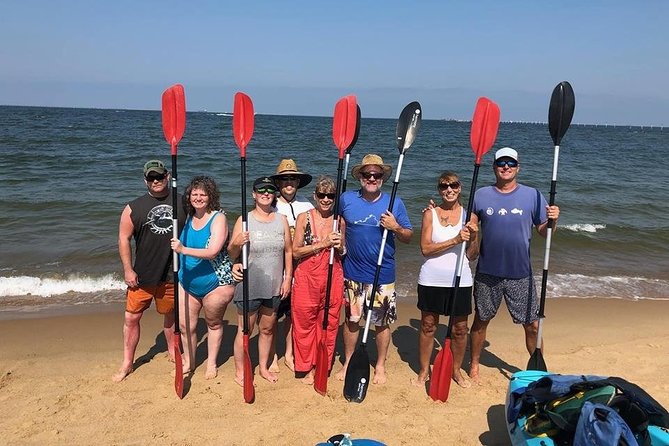
This tour is ideal if you’re doing a Virginia Beach trip and want something more real than a quick beach stop. It fits well for:
- Couples who want an active, scenic evening
- Families where at least one adult is comfortable helping with kayak basics
- Solo travelers who like guided experiences without the feeling of being herded
It also works well if you’ve never kayaked before. The equipment choice and the pre-launch guidance matter. People mention tandem kayaks as a good fit for an older parent who didn’t want to work too hard, which tells me the team thinks about comfort and effort level—not just speed.
Who should think twice:
- If you’re not okay with wind or getting wet from a sandy beach launch, plan for that up front.
- If you have a heavier carry-in-body concern, there’s a clear weight guidance: for customers exceeding 250 lbs, you’re asked to call before booking.
Price and value: why $68 can feel like a bargain
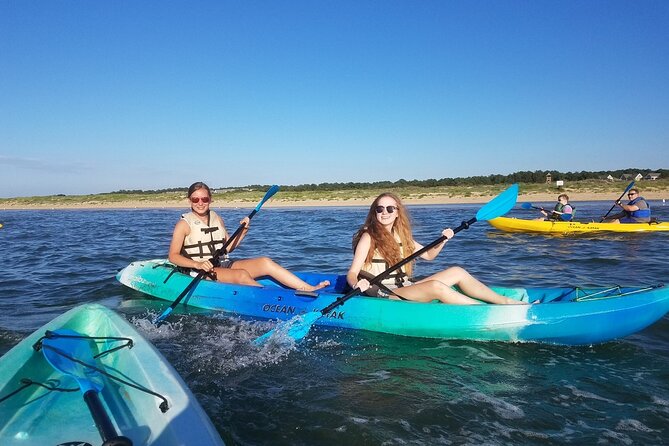
At $68 per person, this tour lands in a reasonable range for a guided wildlife kayak outing, especially because the basics are already covered. The tour includes local guide service and all taxes, fees, and handling charges.
The biggest “extra” isn’t a ticket add-on. It’s simple: parking at First Landing State Park. The park fee is listed as $4 per vehicle on weekdays and $5 on weekends and holidays. If you’re arriving with a car full of people, that can make the per-person value look even better. If you’re arriving solo, you’ll still likely feel like you got what you paid for, but keep the parking cost in mind.
What’s not included is typical for activities like this: you bring yourself, and you bring the right clothing. The fact that the tour supplies the kayak setup (and the guidance) is what makes the experience feel worth the money. You’re paying for time on the water with a guide team that knows the route and helps you paddle safely.
And then there’s the intangible value: seeing dolphins and then watching landmark lights turn on as the sky shifts. That’s the type of payoff that you don’t get from a lot of other paid activities around Virginia Beach.
Weather reality: why conditions can change, even when everyone tries
Open-water kayaking is weather-sensitive. This tour is designed to operate in a range of weather conditions, but the water is still the water. Wind, current, and waves affect safety and what route is possible.
When conditions are rough, guides may change plans. In some cases, dolphins are not the focus because the standard dolphin zone could be unsafe. In other cases, the full tour may be canceled due to high waves. The tour does operate with the idea that safety comes first, and you’ll be offered options if the day can’t work as planned.
The practical move for you: show up prepared for real outdoor conditions. Dress for the forecast, even if the air temperature feels pleasant at check-in. Also, bring water with you. A recurring small regret people mention on these types of paddles is simple: no one wants to be the person who runs out halfway through.
If you’re doing this late in your trip schedule, you also reduce stress by booking earlier rather than assuming the best day will magically stay open. Mother Nature doesn’t care about your itinerary.
Should you book Sunset Dolphin Kayak Tours?
I think you should book it if you want a Virginia Beach evening that feels local, active, and nature-forward. The mix of dolphin watching by kayak, the Cape Henry lighthouses, and the Bridge-Tunnel sunset light-up is a rare combo. The small-group size (up to 12) and the sit-on-top boats help make it approachable, and the guide approach—patient, organized, and focused on both safety and wildlife—seems to be a consistent strength.
Skip it only if you absolutely need a guaranteed dolphin sighting, or if you hate the idea of getting sandy and wet at the launch. With open-water wildlife, the best you can do is show up, paddle well, and let the bay do its thing.
If you can handle a little unpredictability in exchange for a real shot at dolphins and a classic sunset route, this is the kind of tour that makes your trip feel complete.
FAQ
Where does the Sunset Dolphin Kayak Tour start?
The tour starts at 2500 Shore Dr, Virginia Beach, VA 23451, USA, at First Landing State Park.
How long is the kayak tour?
It’s about 2 hours (approx.).
What is included in the $68 price?
The price includes taxes, fees, and handling charges, plus a local guide. Parking at First Landing State Park is not included.
Do I need to pay for parking?
Yes. You’ll need to pay the First Landing State Park parking fee: $4 per vehicle on weekdays and $5 per vehicle on weekends and holidays.
How many people are in the group?
The tour has a maximum of 12 travelers.
Is there a weight limit?
For customers whose weight exceeds 250 lbs, you’re asked to call directly before booking to speak with a representative.
What happens if weather cancels the tour?
If the tour is canceled due to poor weather, you’ll be offered a different date or a full refund.