REVIEW · PICO
Whale and dolphin watching in Pico Island
Book on Viator →Operated by Futurismo Azores Adventures · Bookable on Viator
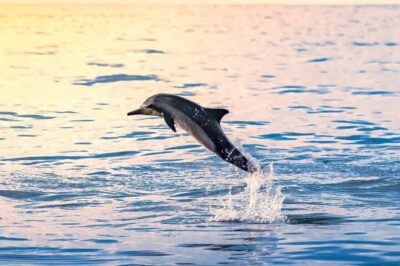
Three hours with whales and dolphins beats guessing. This Pico Island outing is built around real cetaceans—up to 28 species already identified in the Azores—and it runs from April to October. I like that it’s backed by a reported 98% cetacean sighting success rate, so you’re not just hoping for a miracle.
What also impressed me is the educational, hands-on approach: you get a marine biologist or nature guide aboard plus a pre-tour briefing, and the setup focuses on feeling safe out on the water. One thing to consider: there’s no pickup or drop-off, so you’ll want to plan how you’ll reach Rua dos Baleeiros nº 5 in Lajes do Pico.
In This Review
- Key things to know before you go
- Pico Island whale and dolphin watching: why this 3-hour format works
- Where you meet in Lajes do Pico (and why it matters for your day)
- Before you go: briefing, life jacket, and getting your bearings fast
- On the water: spotting behavior, respectful viewing, and the “real search” phase
- The marine biologist or nature guide: where the educational value actually comes from
- Duration, group size, and what you can expect from the onboard flow
- Price and value: is $69.39 worth it?
- Who should book this Pico whale and dolphin tour (and who should think twice)
- Quick practical tips for getting the most from your 3 hours
- Should you book Futurismo Azores Adventures in Pico?
- FAQ
- How long is the whale and dolphin watching tour in Pico?
- How much does the tour cost?
- Where do I meet for the tour?
- Is pickup and drop-off included?
- What’s included with the tour?
- When does the tour operate?
- What is the cancellation policy?
Key things to know before you go
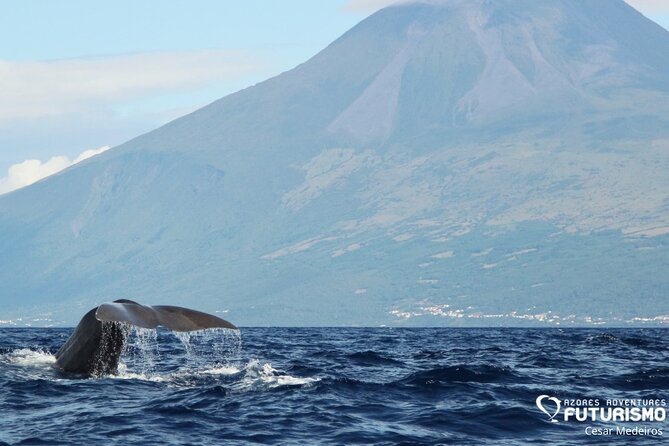
- 98% cetecan sighting success means your odds are much better than typical “maybe we’ll see something.”
- Marine biologist or nature guide onboard adds context, not just pointing and hoping.
- Life jacket included keeps the basics covered from the start.
- Max 24 travelers keeps it more personal and easier to hear the guidance.
- Good weather required: the tour depends on conditions, and plans can shift if the sea is not cooperating.
Pico Island whale and dolphin watching: why this 3-hour format works
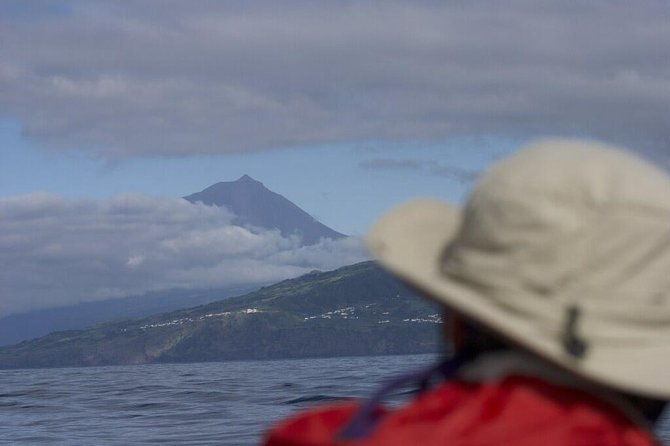
Pico is one of the best places in the Azores to look for whales and dolphins, and this tour is designed for people who want results without turning the day into a half-disaster logistics marathon. You’re out for about 3 hours, and that sweet spot matters: long enough for real searching, short enough to stay flexible if conditions are changeable.
The big headline is the focus on known local species. The tour is set up so you can see some of 28 cetacean species identified in the Azores, which is a more grounded promise than vague wildlife-watching marketing. On top of that, the operation reports a 98% success rate for a cetacean sighting. That doesn’t remove nature’s unpredictability, but it does suggest the team knows where and how to look.
Group size is also part of why this works. With a maximum of 24 travelers, you’re less likely to feel packed in or lose track of what the guide is saying. And since you start and end at the same meeting point, you aren’t juggling multiple transfers at either end.
You can also read our reviews of more tours and experiences in Pico.
Where you meet in Lajes do Pico (and why it matters for your day)
The tour starts at Futurismo Azores Adventures, Rua dos Baleeiros nº 5, 9930-143 Lajes do Pico, Portugal, and it ends back at the meeting point. That simple loop is practical. You don’t have to build a whole “transport storyline” into your schedule—just get yourself there.
What I’d plan around: pickup and drop-off aren’t included. If you’re staying somewhere that isn’t easily reachable by walking, you’ll want to line up local transport ahead of time. The good news is that the meeting point is described as near public transportation, so you likely won’t need a private car to make it work.
Because you’ll get a pre-tour briefing and life jacket before heading out, arriving on time pays off. Think of it as the calm part of the experience—the part where you get your bearings fast and the crew can organize the group smoothly.
Before you go: briefing, life jacket, and getting your bearings fast
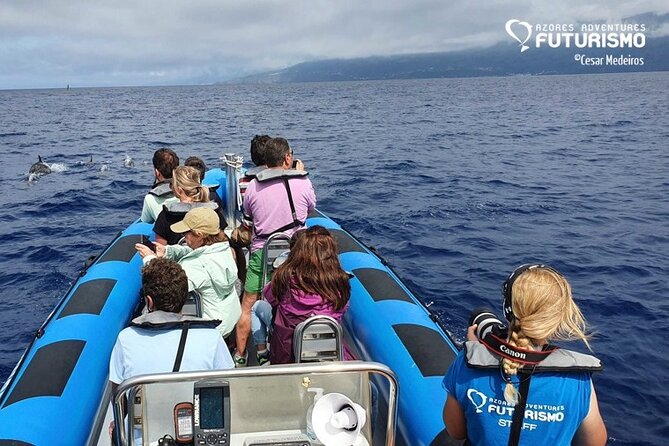
A quality whale and dolphin tour isn’t just about what you see. It’s also about how you’re prepared to see it. Here, you get a pre-tour briefing, which sets expectations for the outing and helps you understand what to look for once you’re on the water.
You also receive a life jacket, included as part of the tour. It’s not flashy, but it matters. When the safety basics are handled for you, it lets you focus on the experience instead of scrambling for gear at the last second.
From the way the guides approach the trip, I’d expect you to feel that the crew is managing the tour actively. One standout detail from feedback is how transparent the team is when spotting starts slow. In other words, if the spotter isn’t finding anything right away, you shouldn’t feel brushed off. You’re more likely to understand what’s going on and why.
On the water: spotting behavior, respectful viewing, and the “real search” phase
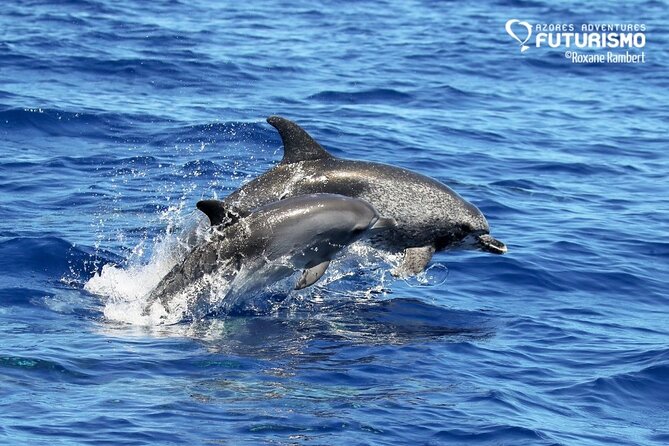
Once you’re out on the water, the experience becomes part biology lesson and part active search. The tour is aimed at spotting cetaceans already identified in the Azores, and the operation’s reported 98% success suggests you won’t be left standing still hoping. The crew looks for whales and dolphins using a spotting process that includes an onboard spotter.
One review detail that really helps you set expectations: the crew was described as open and transparent even when initial visibility wasn’t producing sightings. That’s actually a good sign. Wildlife watching is unpredictable; good operators communicate clearly instead of pretending it’s always instant.
The other theme is respect—both for the animals and for the people watching them. The experience is described as a calm, organized way to observe cetaceans, with a focus on keeping the interaction respectful. That matters because responsible wildlife viewing isn’t just a moral checkbox. It affects the quality of your view and the overall vibe onboard.
You’re also likely to see a mix of outcomes. Sometimes the most exciting sightings come from quick changes in location. A good 3-hour structure gives the team time to adjust if the first search area doesn’t deliver.
The marine biologist or nature guide: where the educational value actually comes from
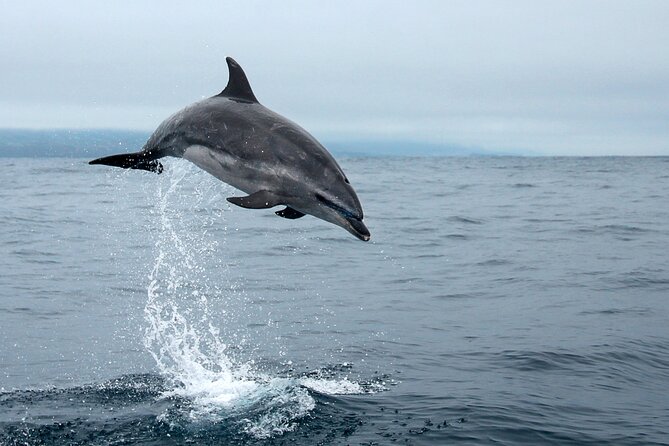
This tour includes a marine biologist or nature guide aboard, and that’s where the experience becomes more than a scenic boat ride. A good guide doesn’t just tell you what you’re seeing—they help you understand how to notice it in real time: changes in movement, breathing patterns, surfacing behavior, and the general “shape” of where animals show up.
Since the tour involves looking for a set of 28 cetacean species associated with the Azores, the guide’s role is especially practical. Even if you don’t end up seeing every type on the list, the tour still helps you connect what you’re seeing to the broader picture of local marine life.
The tone reported in feedback is important: people felt safe, and the crew made them feel secure out on the water. Safety and education often travel together—when you know what the guide is doing and why, you relax. And when you relax, you notice more.
Duration, group size, and what you can expect from the onboard flow
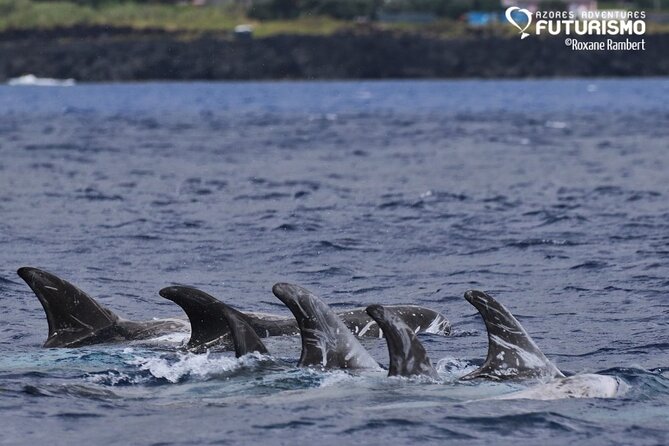
The tour runs for about 3 hours. That time frame is long enough to find opportunities, but short enough that you avoid the “did we really spend all day on the boat?” feeling. It’s also easier for many people to fit into a Pico day, especially if you’re building a full itinerary around hiking, viewpoints, and local food.
With a maximum of 24 travelers, the flow is likely structured. You’ll have space to move when needed, and you’ll be able to hear instructions during briefing moments. It also reduces the odds that you’ll be stuck behind someone when a sighting happens.
You should also plan for the reality that the tour depends on conditions. The activity requires good weather, and if it’s canceled due to poor weather you’ll be offered a different date or a full refund. In plain language: don’t plan this as the one activity that must happen no matter what. Treat it as a priority that still has an open door for rescheduling.
Price and value: is $69.39 worth it?
At $69.39 per person, this isn’t the cheapest thing on Pico. But you’re not paying for “a boat and vibes.” The included extras matter here:
- Life jacket included
- Marine biologist or nature guide onboard
- Pre-tour briefing
Add in the reported 98% sighting success and the tour’s focus on known local species, and the price starts to make sense as value rather than just a number. You’re paying for an operation that’s optimized for actual wildlife viewing, not a random detour at sea.
One more value factor: the average booking window is about 24 days in advance. When a tour sells early like that, it often means people understand it’s one of the more reliable marine experiences on the island. If you wait too long, you might find fewer options for your dates.
The only clear value catch is what isn’t included: pickup and drop-off. If you’d otherwise have to pay for private transport, that can raise your real all-in cost. If you can get to Rua dos Baleeiros nº 5 easily by public transport, you keep the price closer to what you see listed.
Who should book this Pico whale and dolphin tour (and who should think twice)
This tour is a strong fit if you:
- Want a high-probability wildlife outing with a reported 98% success rate
- Prefer a guided experience with real explanations from a marine biologist or nature guide
- Like group tours that are not oversized (max 24 travelers)
- Are traveling between April and October, when the operation runs
It may be less ideal if:
- You don’t have a simple way to reach the meeting point, since pickup and drop-off aren’t included
- You’re very sensitive to schedule changes, because the tour requires good weather and can be canceled if conditions aren’t right
Also, the tour states that most travelers can participate, which is reassuring. If you’re generally comfortable being out on the water, this reads like a workable option for a wide range of ages and travel styles.
Quick practical tips for getting the most from your 3 hours
You’ll get the best experience when you treat this like an active wildlife outing, not a sit-and-stare cruise. When the crew gives instructions, follow them quickly and keep your eyes where they direct you.
A few practical habits help:
- Arrive a little early so you’re not rushed during the pre-tour briefing
- Stay attentive during the “search” phase—wildlife sightings often come when you least expect it
- Use the guide’s explanations to guide your viewing, not just to fill time
And if the initial spot isn’t producing sightings, remember that transparency is part of the operation’s style. That means you’re more likely to understand the process while you’re waiting, rather than feeling like something has gone wrong.
Should you book Futurismo Azores Adventures in Pico?
If you want a whale and dolphin experience in Pico that emphasizes real spotting success, safety, and guided learning, I think this is an easy one to put high on your list. The strongest reasons to book are the reported 98% cetacean sighting success, the presence of a marine biologist or nature guide, and the fact that life jackets and a briefing are included.
My only caution is logistical and weather-based: plan how you’ll reach the meeting point at Rua dos Baleeiros nº 5, and keep one flexible window in your schedule because good weather is required. If that sounds doable, booking is a smart call—especially for a first (or only) marine outing on Pico.
FAQ
How long is the whale and dolphin watching tour in Pico?
The tour lasts about 3 hours.
How much does the tour cost?
The price is $69.39 per person.
Where do I meet for the tour?
Meet at Futurismo Azores Adventures, Rua dos Baleeiros nº 5, 9930-143 Lajes do Pico, Portugal.
Is pickup and drop-off included?
No. Pickup and drop-off are not included. The tour starts and ends at the meeting point.
What’s included with the tour?
It includes a life jacket, a marine biologist or nature guide aboard, and a pre-tour briefing.
When does the tour operate?
The tour operates on Pico island from April to October.
What is the cancellation policy?
You can cancel for a full refund up to 24 hours in advance. If you cancel less than 24 hours before the start time, the amount paid is not refunded. The tour also requires good weather, and if canceled due to poor weather you’ll be offered a different date or a full refund.