REVIEW · PICO
Whale and Dolphin Watching in Pico Island – Half Day
Book on Viator →Operated by Aqua Acores · Bookable on Viator
Fast boats, big cetaceans, real fun. I love the instant confirmation and the open-water views as you scan Pico’s coastline for whales and dolphins. One catch: you’ll be on a fast, bouncy zodiac-style boat, so expect wind, waves, and some stretches with no sightings yet.
I also like how the trip starts with a briefing presentation before you head out, so you know what you’re hunting for and how sightings usually unfold. When the action hits, the crew pushes hard, with guides such as Paulo and Paulo focused on getting you real wildlife time. Just keep safety in the front of your mind—some passengers felt life-vest use wasn’t consistent—so check what’s available and wear it right away if it’s provided.
In This Review
- Key Things to Know Before You Go (Pico Whale Watch)
- How The Half-Day Whale Watch Runs From Lajes do Pico
- Boat Time Reality Check: Fast, Wet, and Often Worth It
- The Briefing That Sets You Up to Spot Cetaceans
- What You Might See Off Pico: Dolphins Are the Sure Thing, Whales Are the Bonus
- Pico Coastline Views From the Water (Not Just Wildlife)
- Crew Skills: Spotting Fast, Handling the Boat, Staying Safe
- Price and Value: What You Get for $79.85
- What to Bring (So the Ride Feels Fun, Not Punishing)
- Who This Whale and Dolphin Cruise Suits Best
- Should You Book Aqua Açores Whale and Dolphin Watching on Pico?
- FAQ
- How long is the whale and dolphin watching cruise?
- Where does the tour start?
- Where does the tour end?
- What’s included in the ticket price?
- Is bottled water included?
- What language is the tour offered in?
- How many people are on the boat at most?
- When do I get confirmation after booking?
- What happens if the weather is poor?
- Is this tour suitable for most travelers?
- Is there free cancellation?
Key Things to Know Before You Go (Pico Whale Watch)
- Instant booking that confirms quickly lets you lock in your half-day without extra back-and-forth.
- A briefing first means you start the boat ride with a plan, not guesswork.
- Open sight lines from the boat help you spot surfacing blows and dolphin activity faster.
- Sighting variety is common on these waters, including multiple dolphin types and occasional whales.
- You can get wet and cold even on decent weather, so pack for spray, not comfort.
- Bring your patience—good sightings often take time, and the ocean decides the pace.
How The Half-Day Whale Watch Runs From Lajes do Pico
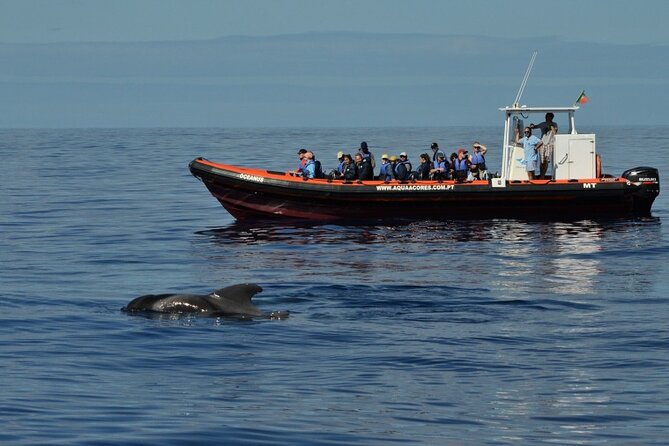
This is a 2.5-hour whale and dolphin cruise out of Pico, with the activity starting at Aqua Açores, Lda – Whale and Dolphin Whatching in the Núcleo Náutico area of Lajes do Pico. The whole point is to get you onto the water quickly, then spend a focused chunk of time scanning for cetaceans along the Pico coastline.
The first step is a briefing presentation. It’s not just a formality. You get the basics of what the crew looks for, what kinds of dolphins and whales might show up, and how spotting works once you’re out there. Then it’s straight to the boat, and you’re off in a zodiac-style craft designed for fast movement and good viewing angles.
Group size caps at 64 travelers, so it’s not a tiny private boat, but it also isn’t the type of huge crowd that turns wildlife watching into sightseeing with a steering wheel. One more practical note: it’s offered in English, so you can stay tuned to the spotting updates without playing translator in your head.
You can also read our reviews of more tours and experiences in Pico.
Boat Time Reality Check: Fast, Wet, and Often Worth It
Let’s talk about the part that decides whether you’ll enjoy the ride itself: the water.
Multiple people describe the boat ride as exciting and sometimes rougher than expected, especially when you hit waves at speed. That means you should dress and pack like you’ll get spray on you. Rain gear can be provided, but it may not fit perfectly for everyone, and you can still end up damp. If you’re bringing a phone or camera, treat it like it needs protection from mist and splashes.
One very specific tip that shows up in feedback: be ready to stand when the boat hits those waves. Not for show—just to keep your balance and avoid getting thrown off. Also, if you’re prone to seasickness, this is the kind of outing that’s worth planning for. The boat is moving, and you can’t rely on “smooth water luck.”
Safety is another piece to actively manage. Some passengers felt life jackets weren’t consistently used the way they expected on a fast zodiac ride, even though safety gear was mentioned. My advice: when staff hands you anything, get it on immediately. If you don’t see life jackets being used, ask calmly what the standard is and how you’ll be protected while underway.
The Briefing That Sets You Up to Spot Cetaceans
This tour begins with a briefing presentation before departure. That matters more than you might think, because cetacean watching is half science, half timing. If you only know whales exist and dolphins are out there somewhere, you’ll waste your eyes on the wrong part of the water.
In real-world terms, the briefing helps you understand what cues to watch for—things like surfacing behavior, blow patterns, and the way dolphins react when they find food or ride currents. When the crew is actively searching, those cues are what let you jump from casual watching to actually calling out sightings with the group.
The crew also appears to work hard once animals are spotted. People praise guides for staying focused on maximizing wildlife time and searching effectively instead of just cruising slowly. One review even mentions whales being located using underwater noise detection, which is a reminder that the crew isn’t just guessing. You’re following a search method.
What You Might See Off Pico: Dolphins Are the Sure Thing, Whales Are the Bonus
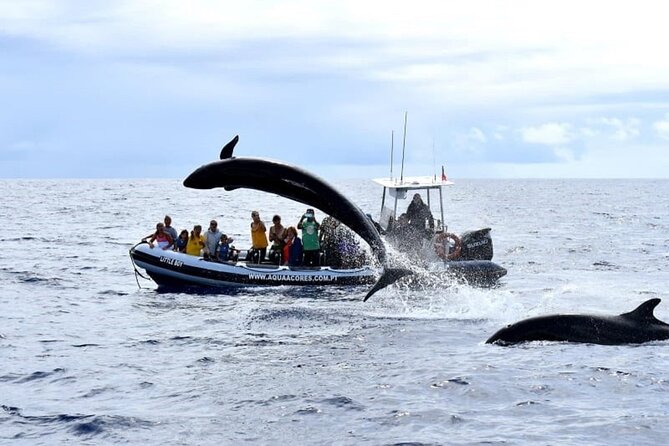
You shouldn’t book this expecting one guaranteed species. The ocean is the boss, and sightings depend on season, weather, and where animals are feeding.
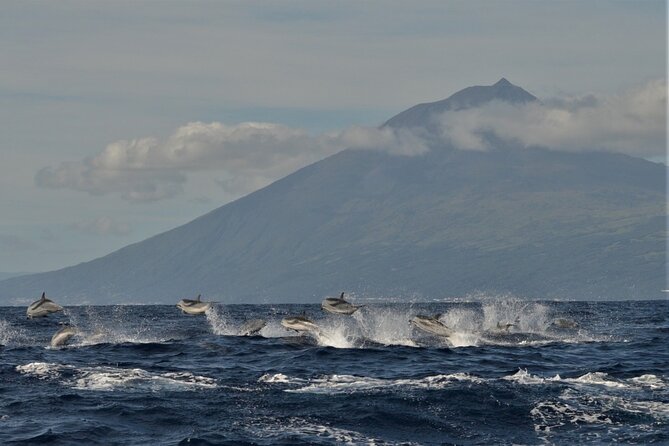
Still, the pattern of feedback is strong: dolphins often show up in impressive numbers, and whales can appear too, sometimes more than once during the same outing.
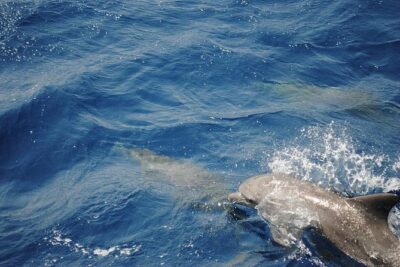
For dolphins, people report seeing multiple types, including common dolphins, Risso’s dolphins, and other species like Atlantic spotted dolphins and bottlenose dolphins. There’s also mention of dolphins following the boat and playing around the wake, which is the kind of thing that makes the whole trip feel immediate instead of distant.
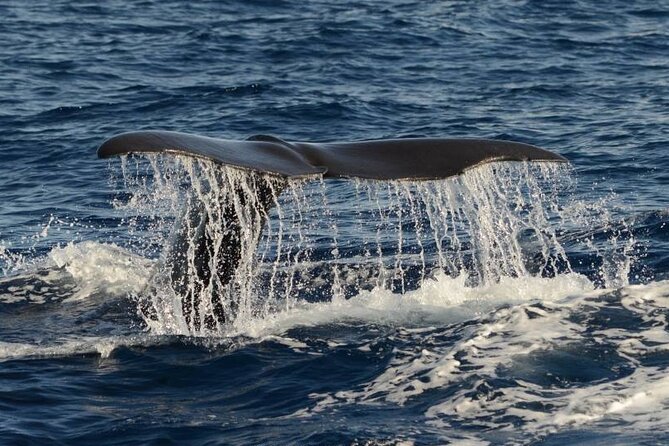
For whales, reported sightings include sperm whales, humpback whales, and even rarer mentions like blue whales. Some days include multiple whale sightings, and people describe careful, respectful observation rather than a slow, aimless cruise.
One more detail that helps your expectations: there can be long stretches of waiting before a sighting. That’s normal for whale watching anywhere. The difference here is that when something is found, the crew seems intent on getting you close enough for real viewing without turning it into chaos.
Pico Coastline Views From the Water (Not Just Wildlife)
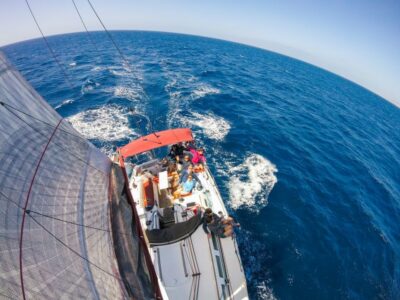
Even though the cetaceans are the headline, Pico’s coastline is part of why this feels special. You’re cruising along a rugged Atlantic edge with a sense of scale you don’t get from shore.
From the boat, you get unobstructed sight lines—meaning fewer “blocked view” moments and more chances to watch both the water surface and the horizon for spouts. That also matters for dolphins, since fast-moving pods can pop up in different places. Open viewing helps you react quickly.
If the weather is decent, you’ll also get that sense of being right inside the environment. It’s not a museum experience. It’s ocean in motion.
Crew Skills: Spotting Fast, Handling the Boat, Staying Safe
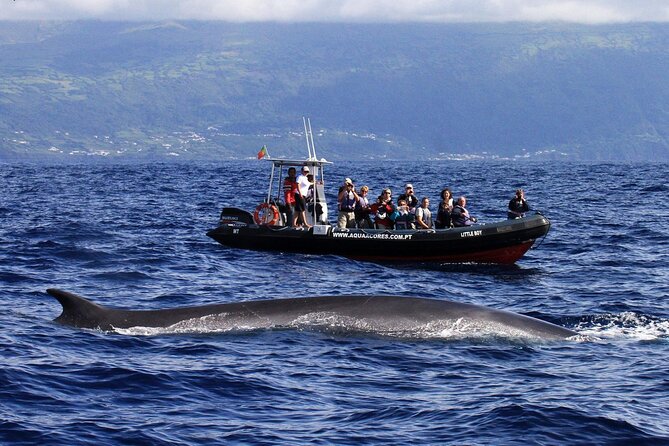
This tour leans on the crew doing two jobs well: finding animals and handling the boat while searching.
Feedback repeatedly praises the crew’s ability to get to sightings quickly. People also mention that guides and captains showed strong knowledge of the local environment and helped interpret what was happening on the water. That’s exactly what you want—because the difference between seeing a blow and missing it is usually a quick heads-up from someone who knows the patterns.
There’s also praise for professional handling during high speeds when whales or dolphins are spotted. You get the sense they’re not improvising once something surfaces. They’re working.
At the same time, balance is important. Ethical whale watching means keeping distance and minimizing disturbance. Some people raised concerns about other boats converging and how motors can affect animal behavior during intense watching. That doesn’t mean you’ll have a bad time, but it does mean you should treat this as a shared ocean with other operators. You can still choose how you react—keep your expectations realistic, and focus on watching rather than trying to force the moment.
Price and Value: What You Get for $79.85
At $79.85 per person, this is a paid ticket, not a bargain bus trip. The value comes from two things you can feel immediately.
First, it’s a half-day outing that gives you a serious chunk of time on the water—about 2 hours 30 minutes—instead of a short sample where you barely get set up. Second, it includes all fees and taxes. That matters because you won’t be surprised by add-on costs at checkout.
What’s not included: bottled water. That’s a simple thing, but it’s the kind of miss that can ruin a few hours if you show up thirsty. Bring water if you can, or plan to purchase what you need before you head onto the boat.
Also consider group capacity. With up to 64 people, you’ll have motion and close seating. That’s not a deal-breaker, but it does affect comfort if you’re taller, sensitive to cramped spaces, or hoping for maximum quiet.
What to Bring (So the Ride Feels Fun, Not Punishing)
Plan for ocean conditions, not just the forecast. This tour can be wet and windy. Bring what keeps you functional:
- A waterproof layer or rain jacket you trust in spray
- Water-resistant shoes or something you can get damp
- Gloves if you run cold (wind on open water can surprise you)
- Sun protection even when it’s cloudy
- A way to protect your electronics from mist and splashes
- Water since bottled water isn’t included
If you hate waiting, set your expectations. Waiting is part of whale watching. The goal is to give the crew time to find the animals, not to rush the ocean into cooperating.
Who This Whale and Dolphin Cruise Suits Best
This tour fits best if you want a high-activity ocean experience and don’t mind some weather.
You’ll probably love it if:
- you’re okay with a fast boat ride
- you want a serious chance at multiple dolphin species and possible whales
- you like being out on the water long enough to feel momentum
- you want English-led guidance and a structured start with a briefing
It might be less ideal if:
- you’re very sensitive to motion or seasickness
- you want a calm, cushy sightseeing cruise
- you need lots of on-board comfort and guaranteed sightings
Families can go—most travelers can participate—but if you’re traveling with kids, think about motion tolerance and how long you can handle waiting for the first sighting.
Should You Book Aqua Açores Whale and Dolphin Watching on Pico?
If your priority is seeing dolphins in a lively, open-water setting with a real shot at whales, I’d say yes, book it, especially if you’re flexible about timing and weather. The strongest draw is the combination of a guided search approach, a briefing that helps you spot what matters, and reports of multiple dolphin types plus whale sightings.
The main reason to hesitate is comfort and safety expectations. The boat can be wet and the ride can be rough. Bring the right gear, wear safety equipment if provided and encouraged, and keep your expectations realistic about what the ocean will deliver.
Do that, and you’ll walk away with the thing you came for: a memorable mix of whales, dolphins, and the feeling of watching wildlife in motion off Pico’s coast.
FAQ
How long is the whale and dolphin watching cruise?
It runs for about 2 hours 30 minutes.
Where does the tour start?
The meeting point is Aqua Açores, Lda – Whale and Dolphin Whatching, Avenida Marginal – Núcleo Náutico, 9930-121 Lajes do Pico, Portugal.
Where does the tour end?
The activity ends back at the meeting point.
What’s included in the ticket price?
All fees and taxes are included.
Is bottled water included?
No. Bottled water is not included.
What language is the tour offered in?
The tour is offered in English.
How many people are on the boat at most?
This activity has a maximum of 64 travelers.
When do I get confirmation after booking?
You receive confirmation at the time of booking.
What happens if the weather is poor?
The experience requires good weather. If it’s canceled due to poor weather, you’ll be offered a different date or a full refund.
Is this tour suitable for most travelers?
Most travelers can participate.
Is there free cancellation?
Yes, you can cancel for a full refund up to 24 hours in advance.