REVIEW · ADELAIDE
Adelaide: Dolphin Sanctuary Eco Kayaking Tour
Book on GetYourGuide →Operated by Dolphin Sanctuary Kayak Tours · Bookable on GetYourGuide
Mangroves, dolphins, and shipwrecks in 3 hours. From Angas Inlet Boat Club in Port Adelaide, you kayak through 10,000-year-old mangroves and into a dolphin sanctuary where birds, fish, and sea life come with the territory. Along the way, you may also paddle near abandoned shipwrecks, depending on conditions.
I love that this is led by a marine-focused guide, so the trip is more than sightseeing. On the water, guides such as Mark, Liam, Alex, Paddy, and Kendall are repeatedly praised for making the mangroves, wildlife, and dolphin behavior click in plain language. I also love the practical gear: kayak + life jacket are provided, and you get a waterproof bag plus water you can refill, so you’re not scrambling to kit up.
One key consideration: dolphin sightings (and getting close to shipwreck areas) aren’t guaranteed. With wild animals, weather, and tides in play, the route and access can change, and you’ll need to be okay with that reality.
In This Review
- Key things I’d bank on before you go
- Angas Inlet Boat Club launch: the calm before the paddle
- Kayaking Adelaide’s dolphin sanctuary mangrove creeks
- A practical tip: take notes on your own effort
- Shipwreck paddling: when you get close, and when you don’t
- Dolphin sightings: how to maximize your chances (without forcing it)
- A note on ethics you can actually feel
- The marine-biologist style guidance that turns nature into meaning
- What to bring for a comfortable 3-hour paddle
- Who this tour fits best (and who should skip it)
- Price and value: why $55 can make sense here
- Weather, wind, and tides: the real schedule maker
- Should you book this Adelaide dolphin sanctuary kayak tour?
- FAQ
- How long is the kayaking tour?
- Where does the tour start?
- Do I need prior kayaking experience?
- What’s included in the price?
- Is dolphin sighting guaranteed?
- Can we always paddle near the shipwrecks?
- What’s the minimum age for children?
- Can kids 10 to 15 ride in a single kayak?
- What should I bring?
- What if the weather isn’t suitable?
Key things I’d bank on before you go
- Mangrove feeding grounds: you paddle creeks tied to dolphin food sources like seagrass, saltmarsh, tidal flats, and creek edges
- Marine-biologist style guidance: you’re not left guessing what you’re seeing
- First-timer friendly pacing: you can go at a comfortable speed and get basics before launching
- Shipwreck views depend on conditions: wind and tides affect whether you’ll reach the wreck area
- Respectful dolphin viewing: the operation aims to watch dolphins without forcing the encounter
- Quiet, low-key nature time: long stretches of still water and birds, even if dolphins are distant
Angas Inlet Boat Club launch: the calm before the paddle
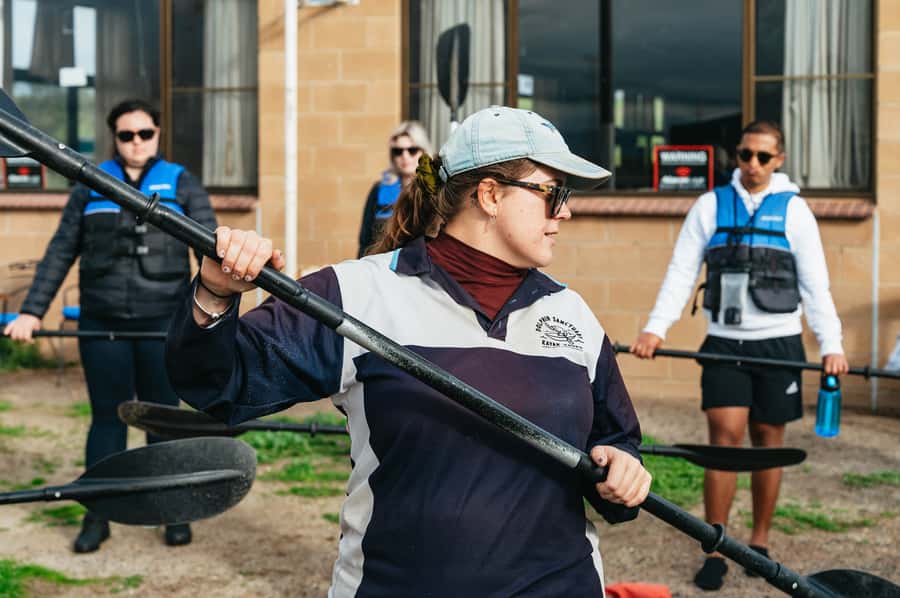
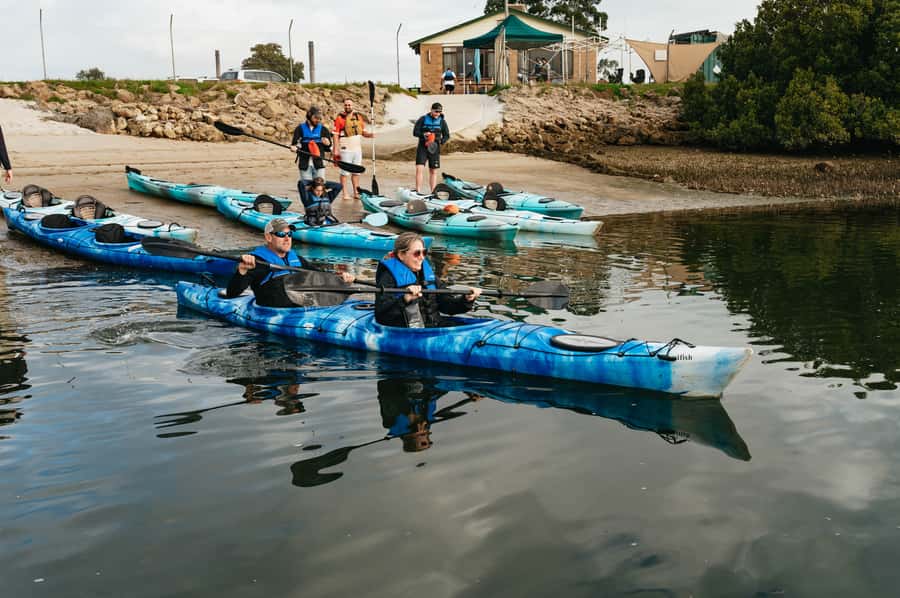
Your tour starts at Angas Inlet Boat Club on Garden Island Road in Port Adelaide. It’s the kind of meeting point that feels local and straightforward, not a big production line. You’ll do a short safety briefing before heading out, then you’ll be on the water for the core kayaking time.
This is a good moment to ask questions you actually care about. The guides are the ones who can tell you what to expect from the water level that day and how the group will be managed. If you’re new, you’ll also want to listen closely to how they explain paddling basics and what to do if you need a reset (because mangroves mean turns, tight spaces, and lots of “watch where you’re going” attention).
Equipment-wise, you’re covered. You’ll get a kayak and life jacket, and you’ll also have a waterproof bag for your phone or camera. That’s not just comfort—it matters in mangroves, where splashes and damp air are part of the environment.
You can also read our reviews of more tours and experiences in Adelaide.
Kayaking Adelaide’s dolphin sanctuary mangrove creeks
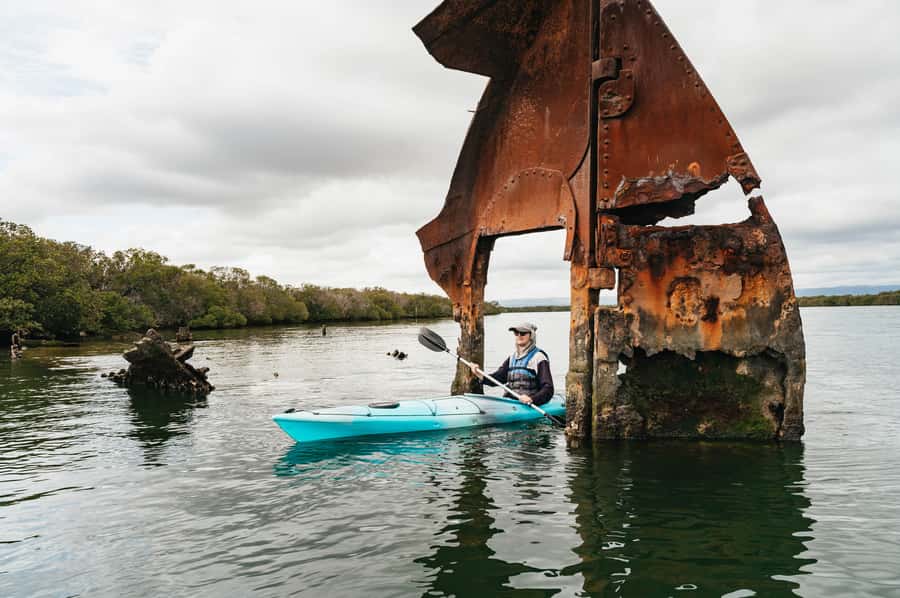
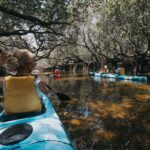
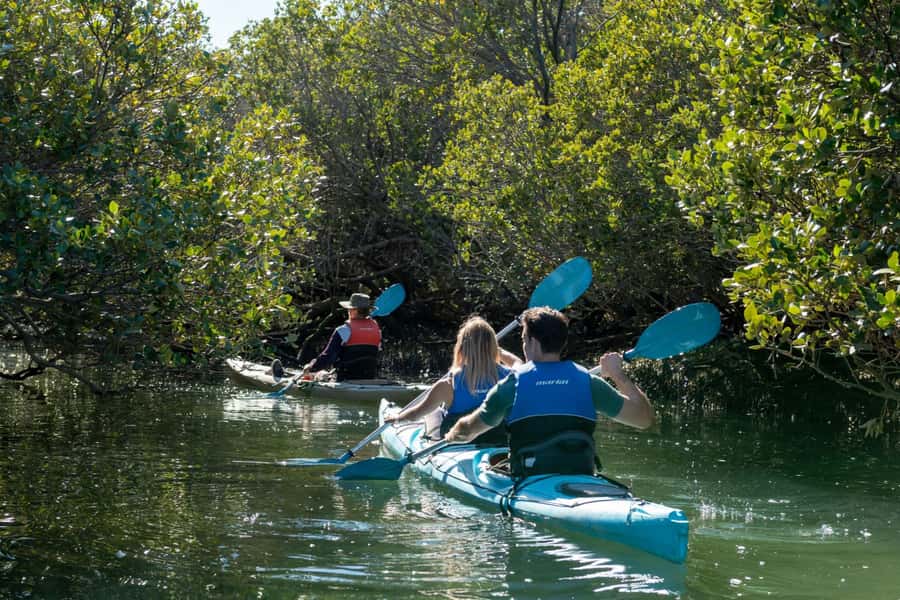
The main event is the mangrove-lined creek system in Adelaide’s dolphin sanctuary. The tour description calls these waterways 10,000-year-old mangrove channels, and the point isn’t just age as trivia—it’s why the place feels so alive. Mangroves connect shelter, breeding habitat, and food webs, and they’re also tied to dolphin feeding opportunities because of the surrounding seagrass and tidal flats.
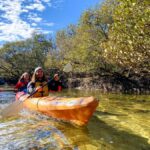
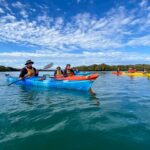
When you paddle through these creeks, you’ll feel the change fast: water gets more sheltered, birds show up in bursts, and the soundscape is quieter than open water. One reason this works for non-kayakers is the pace. The tour is designed so you don’t need prior experience, and you can travel at a comfortable speed. Several guides are praised for being patient with technique and helping people who were struggling, which is exactly what you want in narrow waterways.
Wildlife viewing is real here, but it’s not a theme-park promise. You might notice:
- birds perched above the creeks and saltmarsh edges
- colorful marine life in the ecosystem
- occasional movement in the water that turns into a sighting once you stop paddling and watch
Also, expect plenty of “look up and look around” moments. The mangrove canopy can be low, and the experience feels partly like gliding through tunnels of green. It’s not just pretty; it’s physically different from paddling in a wide channel, so you’ll have to be present.
A practical tip: take notes on your own effort
A few participants mention that 3 hours can feel like real paddling work if you push your technique. That’s not a bad thing, just a heads-up: plan to paddle, not just float. If you’re tired, it’s okay to adjust your rhythm—part of the magic here is steady observation, not sprinting.
Shipwreck paddling: when you get close, and when you don’t
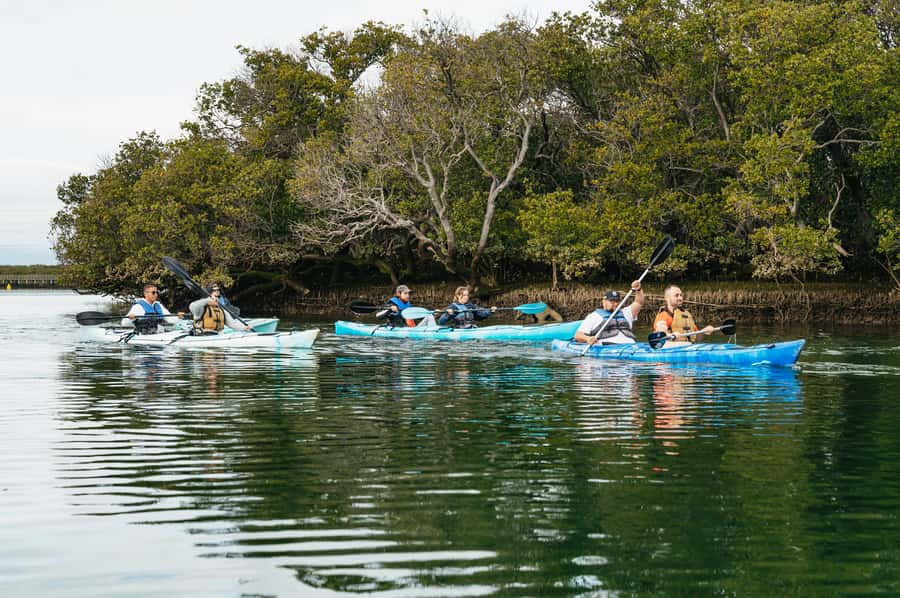
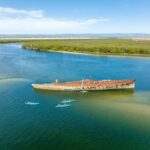
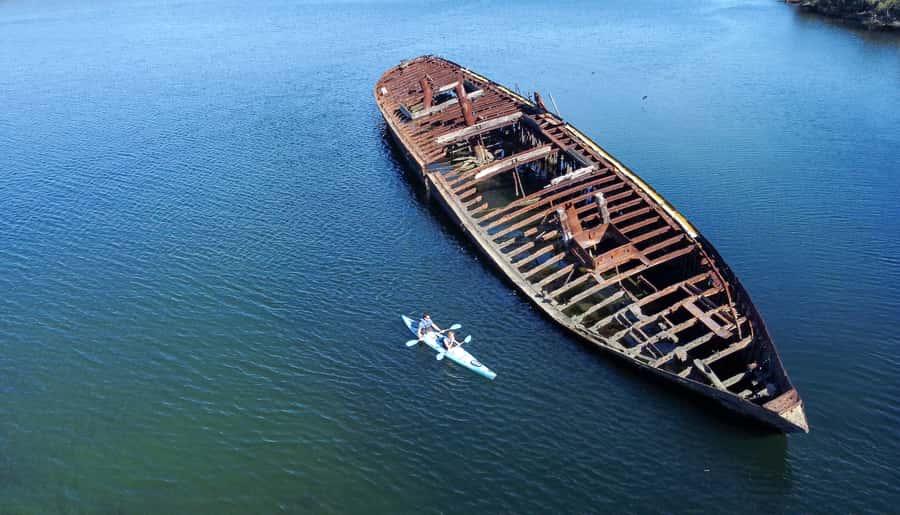
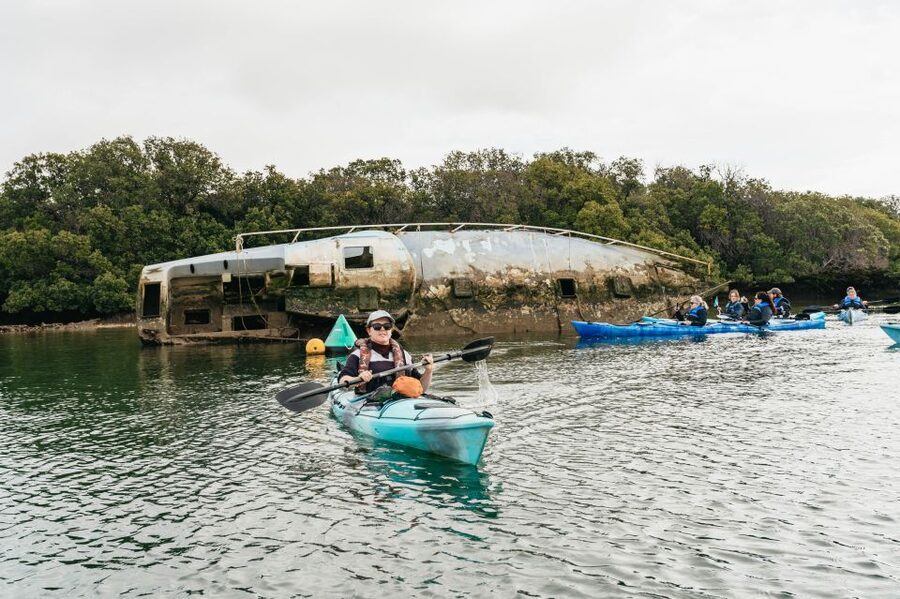
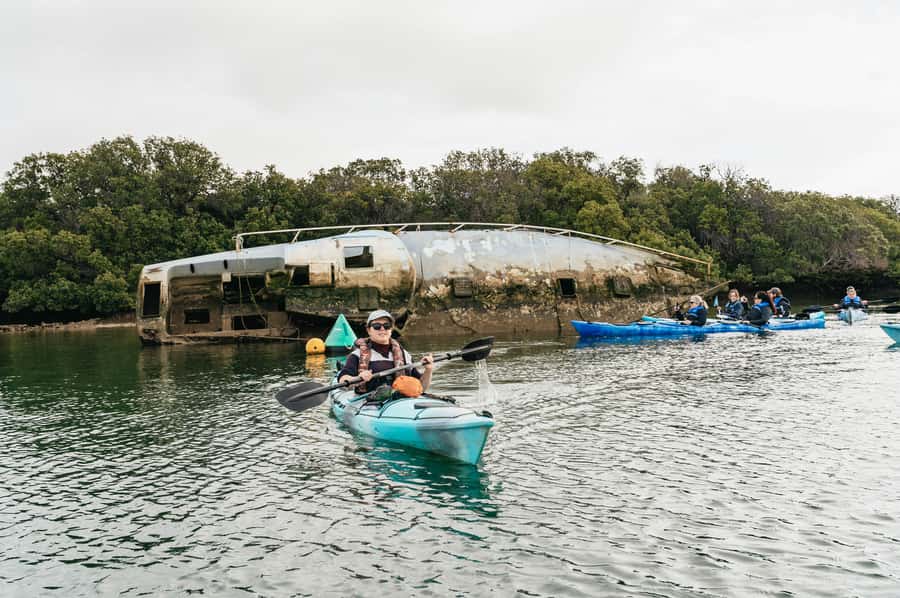
The tour can include paddling close to shipwrecks abandoned from a bygone era. That history element adds an extra layer to the scenery because you’re not only in nature—you’re in a place where the human story is already part of the ecosystem.
But here’s the honest trade-off: shipwreck access can depend on tides, weather, and conditions on the day. If wind is up or water movement is rough, you may not reach the wreck area as far as planned. One common theme from the experience is that you still get the core mangrove time even when wreck access changes.
So how should you think about it?
- If you’re excited about wrecks, go in with flexibility.
- If you’re more about dolphins and mangroves, you’re still likely to get a strong nature experience even when the wreck portion is limited.
There’s also the reality of shallow-water kayaking in tidal zones. At lower tides, you might ground at least once, and the guide may have you step out briefly and walk to deeper water. It’s not scary when the guide is in charge, but it is something to keep in mind if you’re carrying gear or wearing delicate footwear.
Dolphin sightings: how to maximize your chances (without forcing it)
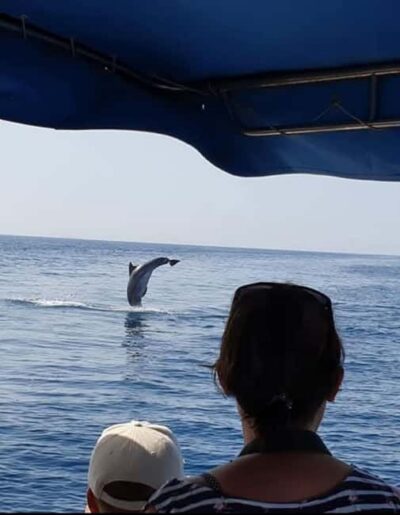
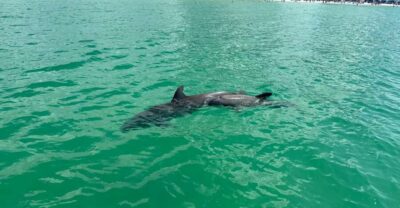
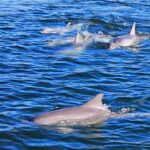
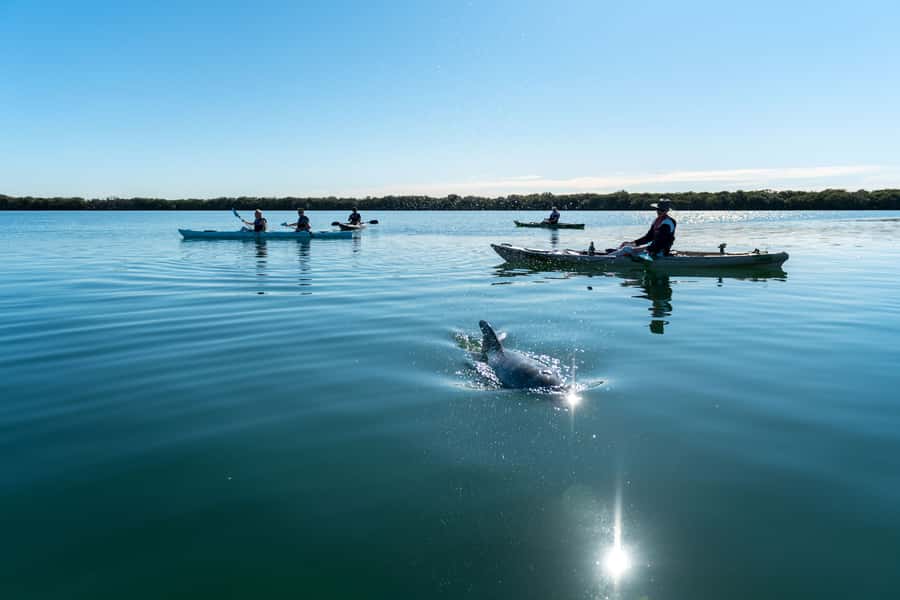
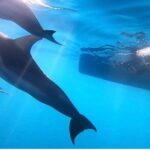
Dolphins are the headline, and the tour gives you a real shot at seeing them in their natural habitat. The experience is built around areas where dolphins feed, so when sightings happen, they tend to be tied to the ecosystem you’re actually paddling through—seagrass edges and tidal feeding zones.
That said, your biggest success factor is your behavior once dolphins appear. Guides are praised for managing encounters in a way that doesn’t pressure the animals. In plain terms: when told to pause, you pause. When told to be quiet, you stay quiet. That’s how you get the best viewing windows, including those moments where dolphins come close and then move on at their own pace.
You might see dolphins:
- passing at the surface
- feeding behavior tied to the creek conditions
- family groups (some sightings are described as mother and calf)
If you’re hoping for super-close viewing, don’t treat it as a right. Treat it as a bonus. Even when dolphins are distant, the value is that you’re seeing them in a living system, not in a staged setting.
A note on ethics you can actually feel
A participant specifically mentioned being happy the operation does not use bait or sounds to lure dolphins. That lines up with the overall vibe of the tour: quiet paddling, patient observation, and guides who prioritize dolphin wellbeing and safety of everyone in the kayaks.
The marine-biologist style guidance that turns nature into meaning
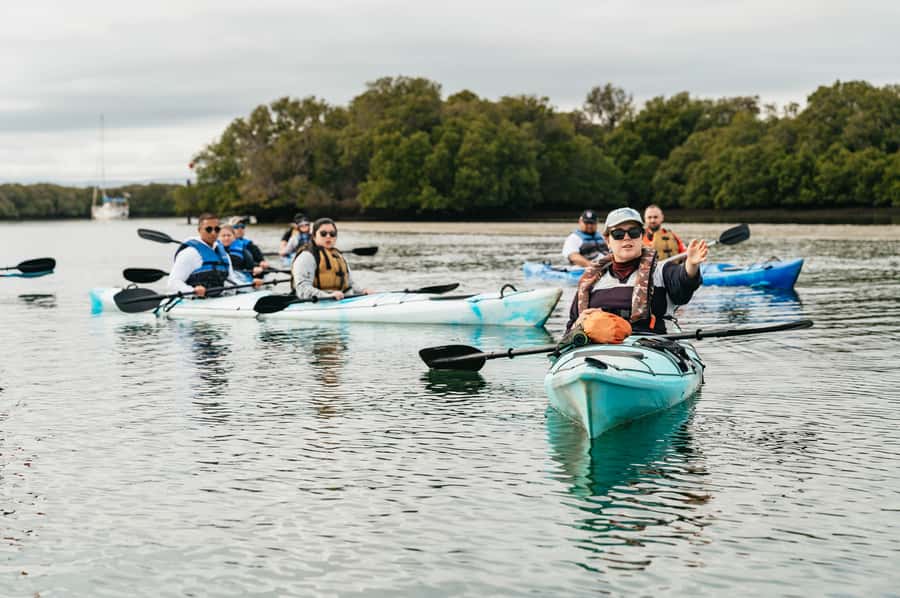
What makes this tour feel worth repeating for many people is the guide layer. This tour includes a guided component with a marine biologist, and that changes how you experience mangroves.
It’s not just, “Here are dolphins.” It’s why the mangroves matter, what kinds of species live there, and what you should watch for. Multiple guides are praised by name—Liam, Mark, Alex, Paddy, Kendall, Fiona, Brayden, Phoenix, and others—especially for explaining:
- plants and species in the mangroves
- dolphin behavior and how to spot signs
- the role of inlets and creeks as dolphin feeding grounds
Some guides also add local storytelling elements, including Dreamtime stories tied to the area (though that varies by guide, so keep your ears open once you meet them). Even without that extra layer, the marine explanation tends to make birds and sea life feel less random.
If you’re the kind of traveler who likes turning a walk into a story, this part matters. You’ll leave with a mental map of what’s happening in the creek system and why the dolphins use it.
What to bring for a comfortable 3-hour paddle
This is where you can make the day smoother, fast. The tour provides key gear, but you still need your own comfort items.
Bring:
- a sun hat
- food and drinks (food isn’t included)
- a waterproof camera (or a waterproof phone setup)
- biodegradable sunscreen
And bring mozzie protection. One participant tip is to use mozzie spray before you go, because mangrove areas can be insect-friendly, especially around dawn and late afternoon.
Also think about what you’ll wear. You’ll be in a wet, salt-air environment. If you have quick-dry clothes, that’s a win. If you’re bringing a camera, use the waterproof bag or pouches supplied so you’re not constantly worrying about splashes.
One small comfort win: water to refill your drink bottle is included. Still bring your own bottle and some snacks, because 3 hours on the water is enough time to want something to eat.
Who this tour fits best (and who should skip it)
This tour is built for people who want a guided nature paddle, not a hardcore kayaking challenge. It’s described as not requiring prior kayaking experience, and the pace is comfortable. You’ll also get support if you’re learning technique.
Best fit:
- age 10 and up (children must be 10 or older)
- kids ages 10–15 must be in a double kayak with an adult and must be able to paddle
- adults who are comfortable being active for a few hours and listening to guide instructions
Not suitable:
- children under 10
- wheelchair users and people with mobility impairments (not suitable per the tour info)
If you’re worried about the physical side, look at how the tour handles beginners. The guide support shows up in the way they adjust pacing and help people struggling with technique. Still, go in expecting some paddling effort.
Price and value: why $55 can make sense here
At $55 per person for around 3 hours, value comes from what you’re actually buying:
- a kayak and life jacket provided
- a waterproof bag
- water you can refill
- a guided tour with a marine biologist
- an experience set in a specific dolphin sanctuary ecosystem, not just generic paddling
You’re also paying for time on the water in a place most people never explore on their own—10,000-year-old mangrove creeks, plus the potential for shipwreck sightings. Even when dolphins are missed, several people still describe the mangroves and wildlife info as enough to feel like a good outing.
The main value downside is also simple: food and drinks aren’t included. Since water refill is covered, I’d budget snacks so you’re not hungry halfway through.
Weather, wind, and tides: the real schedule maker
This tour runs with nature, not against it. It may be canceled due to unsuitable weather conditions. And even when it runs, conditions affect what you can access.
Wind can change the plan. One participant described a windy day where they couldn’t do the full wreck portion. Another mentioned a water-depth reality with tides, including times when they grounded and walked to deeper water. That’s not a reason to avoid the tour—it’s a reason to dress for conditions and stay flexible.
If you’re planning Adelaide activities around this one, I’d avoid placing it as your only outdoor plan. A backup option keeps the day stress-free if the water doesn’t cooperate.
Should you book this Adelaide dolphin sanctuary kayak tour?
Book it if you want a calm, guided way to experience mangroves and you’re excited about the possibility of dolphin sightings. The big wins for many people are the guide quality and the way the tour teaches you what you’re seeing, not just where you’re going. The inclusion of a marine-biologist guided component, plus kayak gear and waterproof storage, makes the price feel reasonable.
Skip it if you need guaranteed dolphin sightings or guaranteed shipwreck access. This is wildlife viewing in real conditions. You’re going for the sanctuary experience, and dolphins and wreck closeness are dependent on nature doing its thing.
If you’re okay with flexibility and you want hands-on, on-the-water learning—this is a great use of a half day in Port Adelaide.
FAQ
How long is the kayaking tour?
The duration is listed as 3 hours.
Where does the tour start?
The meeting point is Angas Inlet Boat Club, Lot 204 Garden Island Road, Port Adelaide SA 5015.
Do I need prior kayaking experience?
No prior kayaking experience is required. The tour travels at a comfortable pace and includes demonstrations and equipment on arrival.
What’s included in the price?
Included: guided tour with a marine biologist, kayak and life jacket, water to refill your drink bottle, and a waterproof bag.
Is dolphin sighting guaranteed?
No. Dolphin sightings cannot always be guaranteed due to wild animals, weather conditions, and tides.
Can we always paddle near the shipwrecks?
Not always. Paddling within the shipwreck area depends on conditions like weather and tides.
What’s the minimum age for children?
Children must be 10 years or older to participate.
Can kids 10 to 15 ride in a single kayak?
The info says children 10–15 must be in a double kayak with an adult and must be able to paddle.
What should I bring?
Bring a sun hat, food and drinks, a waterproof camera, and biodegradable sunscreen. It’s also a good idea to protect against insects.
What if the weather isn’t suitable?
The tour may be canceled due to unsuitable weather conditions.