REVIEW · BARBATE
Barbate: Dolphin and Whale Watching in Cape Trafalgar
Book on GetYourGuide →Operated by Marine Atlantes · Bookable on GetYourGuide
A day on the Atlantic feels like fast-forwarding nature. This 3-hour outing from Barbate takes you out toward Cape Trafalgar for dolphin and whale watching, plus an on-board learning component. Expect a lot of scanning, a lot of ocean, and when the marine life shows up, that moment is the whole reason you came.
I especially like two things: the chance to see whales and dolphins in their natural habitat, and the small comfort upgrades like drinks and fruit during the trip. It’s the kind of tour where you get both the big wildlife payoff and a bit of practical care along the way.
Here’s the one real consideration before you book: the ride can feel rocky on days when the sea is active. If you’re prone to motion sickness, plan for it, because that can turn a great wildlife trip into a long one.
In This Review
- Key things to know before you go
- A 3-hour boat trip that’s really about the sightings
- Marine Atlantes in Barbate: getting set up fast
- The Barbate departure and the first photo-and-sighting stretch
- Out toward Cape Trafalgar: where the search turns into the show
- Whale and dolphin watching moments: what to expect on the water
- The crew, explanations, and how to get the most out of the tour
- Time on the water: why 3 hours can feel like more (or less)
- Price and real value: what $53 buys you
- Comfort and safety: what to do if you’re prone to motion sickness
- Who this tour is best for
- Should you book Barbate: Dolphin and Whale Watching in Cape Trafalgar?
- FAQ
- How long is the whale watching tour?
- Where does the tour depart from?
- What does the tour price include?
- What should I bring with me?
- Are pets allowed on the boat?
- Can I bring weapons or sharp objects?
- Is fishing allowed during the tour?
- Are tickets transferable to someone else?
Key things to know before you go
- Barbate as your launch point: you board at Marine Atlantes in Barbate and head out from the marina.
- Short, focused wildlife viewing time: you may get longer observation when sightings cooperate, but the dolphin/whale window can also be quick.
- On-board education plus Q-and-A: you’ll hear general info, and the crew can add details if you ask.
- You get basics covered: drinks and fruit are included, which helps on an ocean outing.
- Comfort matters more than you think: bring clothes that handle wind and movement, and don’t ignore nausea prevention.
- No pets, no fishing, no sharp items: the tour rules keep the deck safer and simpler.
A 3-hour boat trip that’s really about the sightings
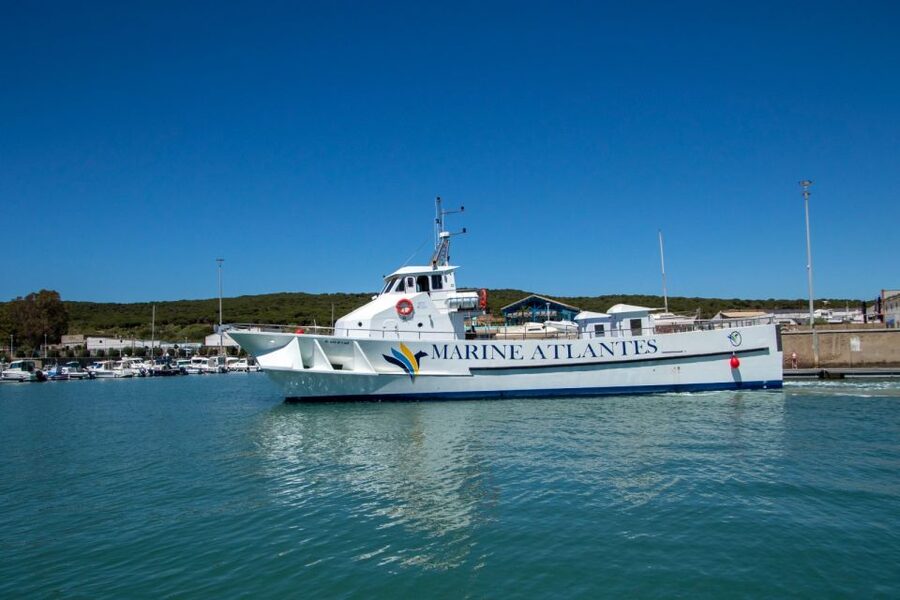
This isn’t a long cruise. It’s a timed wildlife outing built around one goal: get you out onto the water long enough to find dolphins and whales off Trafalgar/Cape Trafalgar, then return to Barbate. At $53 per person for a 3-hour tour, the value comes down to two things: (1) whether you land good sightings and (2) whether the boat ride matches your comfort level.
I like this format because it’s practical. You can fit it into a coastal day without feeling like you’ve surrendered your whole vacation schedule to the sea. And when the marine life shows up, it’s not a staged performance. It’s real animal behavior—leaping dolphins, slow whale movement, and that satisfying moment when everyone on board locks eyes with the horizon.
You can also read our reviews of more tours and experiences in Barbate.
Marine Atlantes in Barbate: getting set up fast
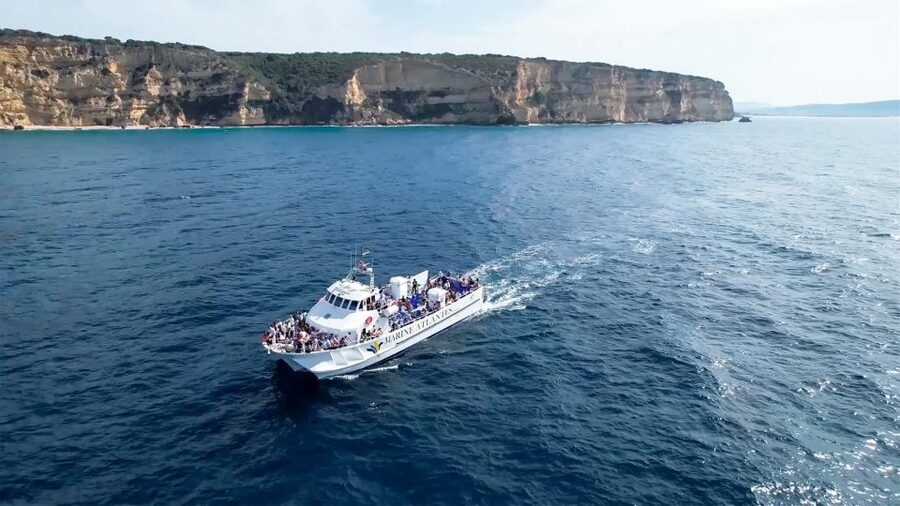
Your tour starts from Marine Atlantes in Barbate. This is the kind of meeting point that helps if you don’t want a big logistical runaround. Plan to arrive with time to find the right boarding area and get settled before the boat pulls away.
Two practical things to bring that are specifically worth your attention:
- A passport or ID card (you’ll board with the person on the ticket).
- Comfortable clothes, especially something that can handle wind and sea spray.
One small tip that can save you stress: if you’re driving, you may find free parking close to the embarkation point. That’s exactly the sort of detail that makes the day easier, especially before you’re half-focused on spotting spouts.
The Barbate departure and the first photo-and-sighting stretch
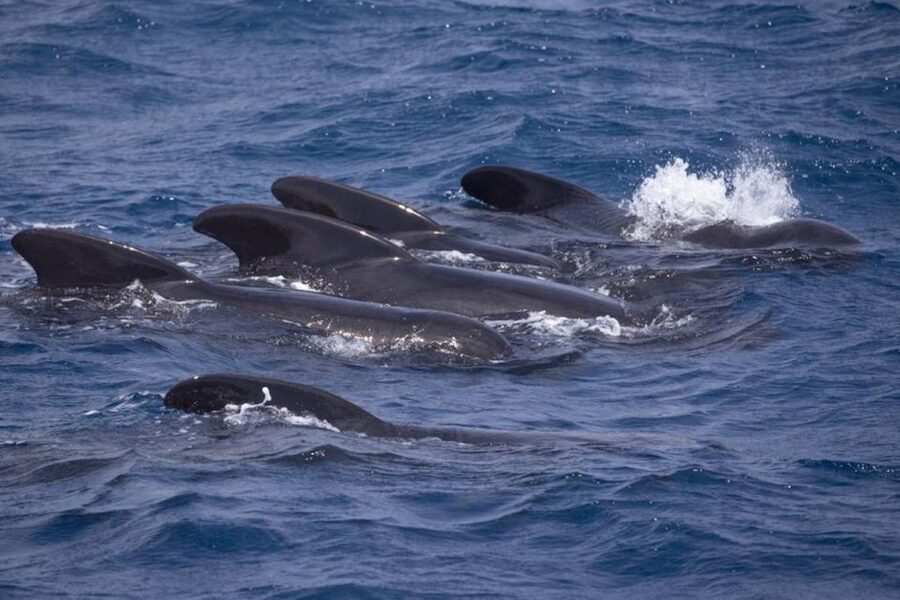
After boarding at the marina, your guide-led experience begins right in the Barbate area with what amounts to a built-in orientation. You’ll have time for a photo stop and some guided tour context, and then the crew starts looking for dolphins and whales as you move out.
This early phase matters because it sets your expectations:
- You’re not just out there to look. You’re learning what you might notice and why it matters.
- You’re also getting your camera and body ready for ocean motion.
- If you’re the type who needs a few minutes to get comfortable before scanning for wildlife, this first segment gives you that ramp-up time.
A realistic note for your planning: not every sighting window lasts the same amount of time. In some conditions, dolphin viewing can be brief before you head back to port at full speed. That doesn’t mean the trip failed—it just means you’re dealing with wildlife timing and sea conditions.
Out toward Cape Trafalgar: where the search turns into the show
Once you head out, you’re in classic Atlantic territory—open water, wind, and lots of watch time. The tour is designed to take you into the heart of the Atlantic search area connected to Cape Trafalgar. You’ll spend time looking for whales, dolphins, and other marine life that share these waters.
What you’ll do during this stretch:
- Scan the surface for signs of whales (you might see movement or spouts when conditions allow).
- Watch for dolphins, especially their quicker, more playful behavior.
- Listen for on-board guidance that explains what you’re looking at and how these animals behave.
This is also where the on-board “educational” part becomes more than just talk. When you understand what you’re seeing—how animals move, what behavior usually means, and why the tour emphasizes conservation—you experience the spotting differently. Instead of just filming, you end up noticing patterns.
Whale and dolphin watching moments: what to expect on the water
The main event is straightforward: whale watching and dolphin watching. The best-case scenario is the one you hope for—whales gliding through the water and dolphins leaping and moving around the boat area.
You might also see multiple types of cetaceans. One booking outcome described seeing orcas along with common dolphins and other dolphin types. That kind of variety is a reminder that this region can deliver exciting wildlife, not just one predictable encounter.
Still, be realistic about how sightings work on boats:
- Some sightings can last longer when animals stay in the area.
- Other sightings can be short and then the boat moves on.
- If the sea is rough, your ability to watch (and enjoy) can depend on whether you’re physically comfortable.
One more detail that affects your enjoyment: the crew response level can vary depending on what happens on board. In general, you should expect some info through announcements and then more specific explanations if you ask. If you’re the kind of person who loves details, it helps to be proactive with questions.
The crew, explanations, and how to get the most out of the tour
The trip experience is heavily influenced by the crew’s approach—how quickly they answer questions, how well they steer attention to what matters, and how much they help you connect animal behavior to the bigger picture of conservation.
In positive reports, the crew comes across as close and friendly, and the boat setup feels comfortable and well handled. You’ll also find that the included drinks and fruit can make a big difference during longer observation windows, because you’re more willing to stay out on the deck watching instead of retreating for comfort.
On the flip side, not every outing is the same. One account described more general announcements early on and then fewer detailed explanations for the rest of the trip. Another described a situation where the sea felt rough enough that people were very affected despite taking motion sickness medication.
So here’s my practical advice: if you want maximum value, come ready to do your part.
- Ask questions when the boat is stopped or moving slowly.
- Point your camera where the crew indicates.
- If you know you get seasick, don’t rely only on willpower.
Time on the water: why 3 hours can feel like more (or less)
The tour is advertised as 3 hours, and that’s a good planning assumption. But there are two factors that can change how the time feels:
- Sea conditions can make the ride slower or more tiring.
- Wildlife timing can affect how long you spend observing before heading back.
Some accounts described the trip running beyond the expected 3-hour mark, and that can be tough if you’re already uncomfortable with motion. If you’re working around tight dinner plans, give yourself a buffer. If you’re booking the tour as the centerpiece of your day, you’ll likely feel fine with the natural “sea schedule” reality.
Price and real value: what $53 buys you
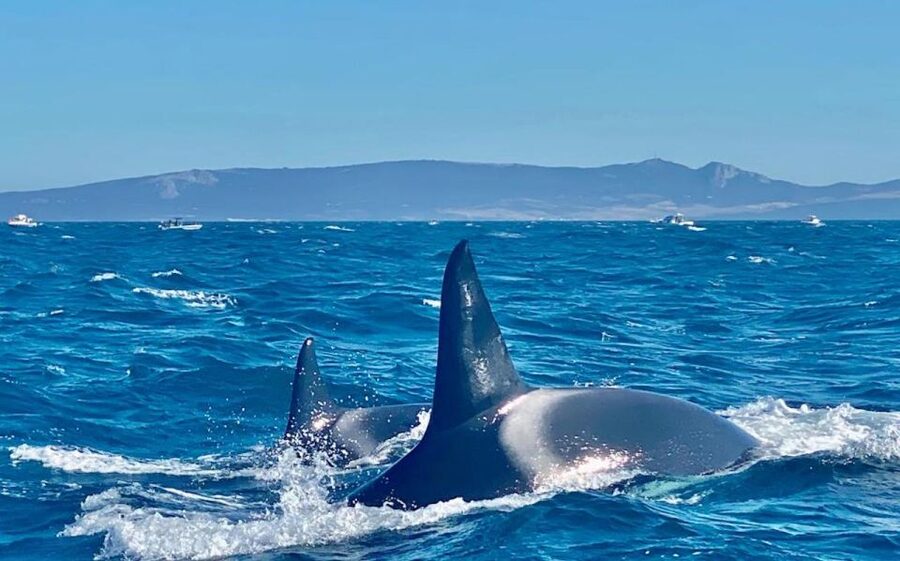
At about $53 per person for a 3-hour whale and dolphin tour, you’re paying for access to the water, search effort, and on-board guidance. In many tourist settings, wildlife tours can feel expensive if they don’t include anything extra beyond basic transit.
Here, value improves because drinks and fruit are included. That might sound small, but on a boat it’s not. It reduces the need to buy snacks and keeps you comfortable enough to keep watching.
The other value piece is the conservation-and-behavior learning angle. Even if you’re not an ocean nerd, knowing what the crew is pointing out helps you feel like you didn’t just pay to stare at waves. You’re watching with a purpose.
If you’re trying to decide between this and another tour option, choose the one that best matches your comfort with sea time. A wildlife payoff matters, but so does whether you’ll feel good enough to enjoy it while you wait.
Comfort and safety: what to do if you’re prone to motion sickness
This is the biggest “decision driver” for this type of outing. One report described serious motion and long-lasting discomfort even after taking biodramina (a motion sickness aid). Another warned about a strongly swaying ship on mild to normal seas.
You don’t need to panic. You just need to plan smart:
- Wear comfortable clothing that you don’t mind getting damp.
- Bring motion sickness medication if you’ve used it before successfully.
- Stay seated or positioned where you feel least motion (you’ll learn quickly once you’re on board).
- Keep your eyes on the horizon when possible.
Also note the tour’s rules: no pets, no fishing, and no weapons or sharp objects. Those restrictions are typical for shared boat tours, and they help keep the deck safer and more controlled.
If you’re traveling with someone who gets sick easily, consider that the best whale sightings can happen during rougher minutes. Pick your comfort strategy in advance so you can actually enjoy the moment the animals show up.
Who this tour is best for
This tour is a great fit if you want a straightforward, time-efficient way to experience Atlantic marine life around Cape Trafalgar. I’d especially recommend it for:
- Families who want a single, clear activity with included refreshment.
- Couples and solo travelers who want a focused wildlife outing without half-day bus transfers.
- People who enjoy asking questions and learning basic animal behavior while they watch.
It’s also a good option if you appreciate photos. Even when sightings are brief, dolphins can be camera-friendly with their movement, and whales can produce dramatic moments if the timing and visibility line up.
If your main priority is guaranteed length of viewing time, or if you need a super smooth ride to feel okay, you should think twice and prepare for variability. Wildlife tours are always like that. Your job is to show up ready.
Should you book Barbate: Dolphin and Whale Watching in Cape Trafalgar?
I’d book it if:
- You’re excited by the idea of seeing dolphins and possibly whales in the Atlantic near Cape Trafalgar.
- You want a 3-hour plan that’s simple and includes drinks and fruit.
- You can handle a boat ride and you’re willing to spend time looking rather than expecting constant action.
I’d hesitate or prepare extra carefully if:
- You know you get seasick easily, especially on moving boats.
- You’re counting on a strict schedule with no buffer for possible delays.
- You’re someone who needs nonstop narration. Some outings come with more detailed explanations than others, and the best info may come when you ask.
If you do book, do it with realistic expectations: sometimes the trip is a slow hunt with a big payoff, and sometimes it’s brief but intense. Either way, you’re paying for time on the Atlantic with a chance to see real whales and dolphins, plus the small but helpful comfort of included drinks and fruit.
FAQ
How long is the whale watching tour?
The tour duration is 3 hours.
Where does the tour depart from?
You board for the experience at Marine Atlantes in Barbate.
What does the tour price include?
The tour includes admission to the 3-hour whale watching boat tour, plus drinks and fruit.
What should I bring with me?
Bring a passport or ID card, and wear comfortable clothes.
Are pets allowed on the boat?
No, pets are not allowed.
Can I bring weapons or sharp objects?
No, weapons or sharp objects are not allowed.
Is fishing allowed during the tour?
No, fishing is not allowed.
Are tickets transferable to someone else?
No. Tickets are not transferable; you board with the person on the ticket.