REVIEW · ADELAIDE
Adelaide: Dolphin Sanctuary Single or Double Kayak Rental
Book on GetYourGuide →Operated by Adventure Kayaking SA · Bookable on GetYourGuide
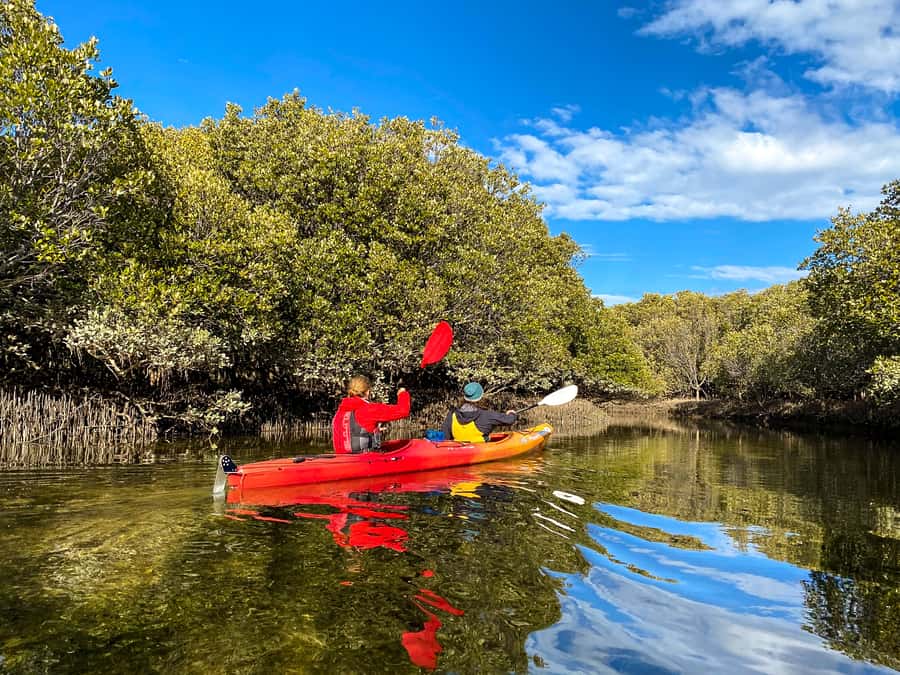
A paddle through mangroves sounds simple, but this one has real wildlife potential. The Adelaide Dolphin Sanctuary kayak hire lets you move at your own pace while you scan for dolphins in protected mangrove creeks.
I like that it’s genuinely self-guided. You get a safety briefing, a map, and then the freedom to chart your route inside the allowed area.
One thing to plan for: dolphin sightings aren’t guaranteed, and the 2-hour format plus launch time can mean less actual paddling than you expect.
In This Review
- Key highlights worth aiming for
- First steps at Garden Island: where your 2 hours really start
- Gear, briefing, and the quick path to feeling confident
- Paddling through Adelaide’s mangrove creeks: your route is the point
- Dolphin sightings: how to think about odds in a short self-guided paddle
- What you’re allowed to do (and what’s blocked off)
- Timing reality: launch time and the 2-hour clock
- Weather changes and how the operators handle them
- What to bring: small choices that make the paddle easier
- Price and value: is $27 per person worth it?
- Who this kayak rental suits best
- Should you book the Adelaide dolphin kayak rental?
- FAQ
- How long is the dolphin sanctuary kayak rental?
- Where do I meet for the kayak rental?
- What’s included in the rental price?
- Is ship graveyard access included?
- What should I bring with me?
- Are there age or size limits?
Key highlights worth aiming for
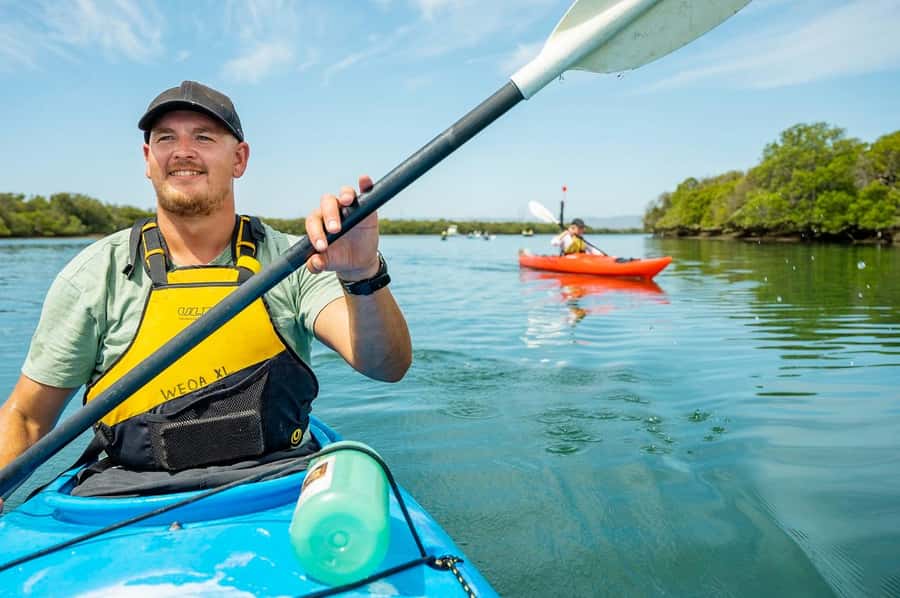
- Two kayak options (single or double) so you can go solo or bring a friend
- Mangrove-creek paddling in a marine protected area, with calm, enclosed waterways
- A map included, so you can chase the “interesting bits” instead of just following a straight route
- Brief setup + safety orientation, designed to get you on the water quickly
- Rules and restricted zones that protect both paddlers and wildlife, including a no-go ship graveyard area
First steps at Garden Island: where your 2 hours really start
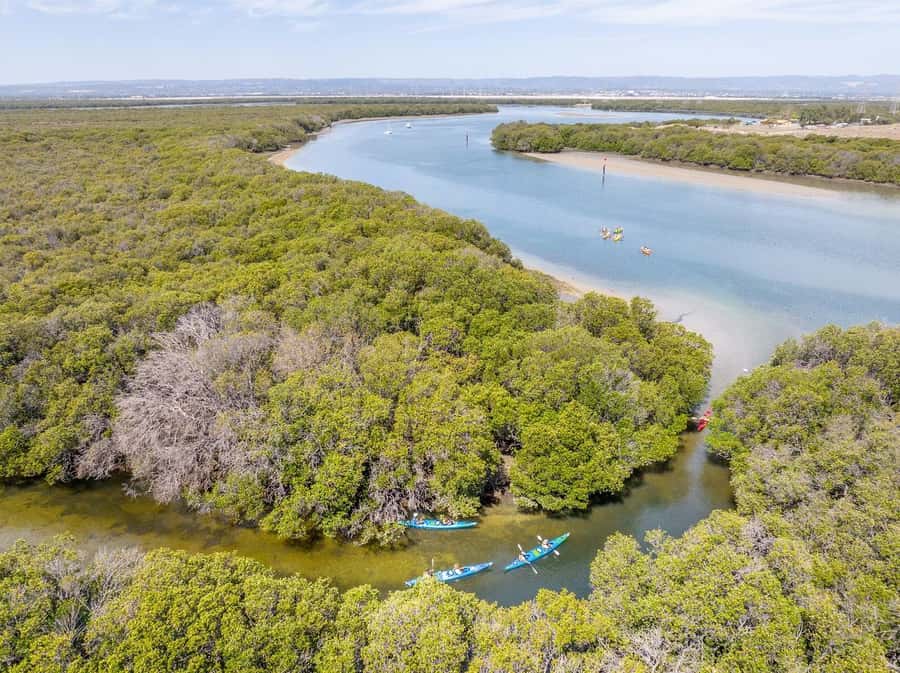
The meeting point is Adventure Kayaking SA| Port River Dolphins at the Garden Island Boat Ramp and Reserve. This is the start of your experience, and it matters because the 2-hour hire period begins at your scheduled start time, even if you arrive a little early.
In other words, you’re not “waiting around” for a full two hours on the clock. You’ll meet the staff, listen to the briefing, and get gear sorted. If you’re the type who shows up early and expects extra paddle time, this setup can feel tight. I’d treat your booking like a hard container: once the clock starts, your time is what it is.
Also, Garden Island has no public transport. If you don’t have a car, you’ll want to line up a taxi or ride-share return ahead of time so the end of your hire doesn’t turn into a scramble.
You can also read our reviews of more tours and experiences in Adelaide.
Gear, briefing, and the quick path to feeling confident
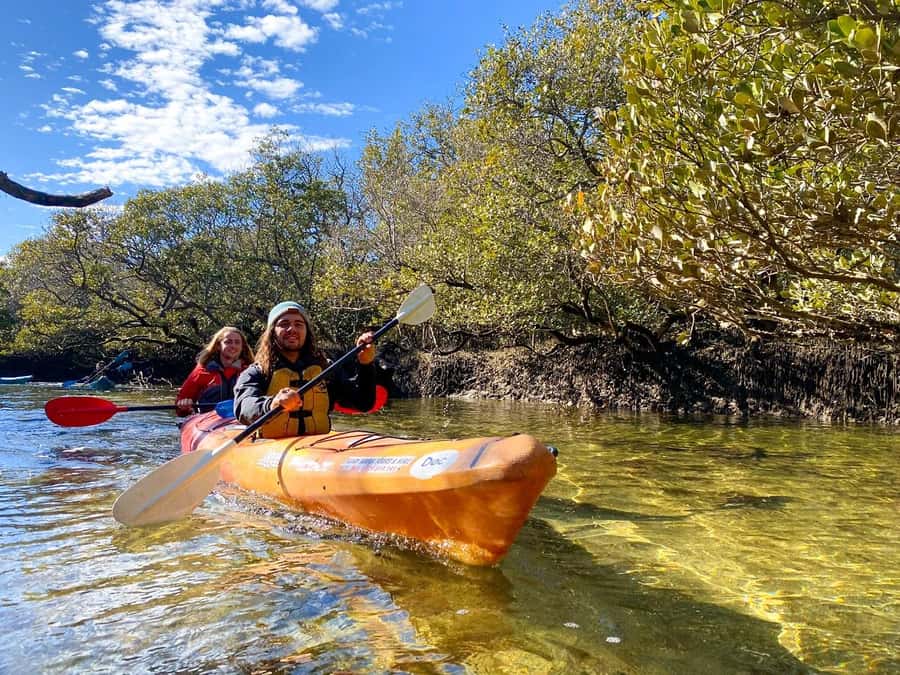
You’ll collect your rental at the office, then start with a safety briefing. After that you’ll get information about the area and a handy map to help you navigate the sanctuary at your own pace.
Included equipment is straightforward and high-utility:
- Kayak (1-person or 2-person)
- Paddles
- Life vest
- Map
The goal here is comfort fast. The activity is designed so you’re not stuck watching someone else paddle while you wait your turn. That said, you should expect the first chunk of your scheduled time to be used for:
- rules and how to handle the kayak,
- launch setup,
- getting oriented before you move into the mangrove creeks.
So even though the hire is listed as two hours, plan on less “pure paddling” time than you might guess. It’s not a bad thing—just a timing reality.
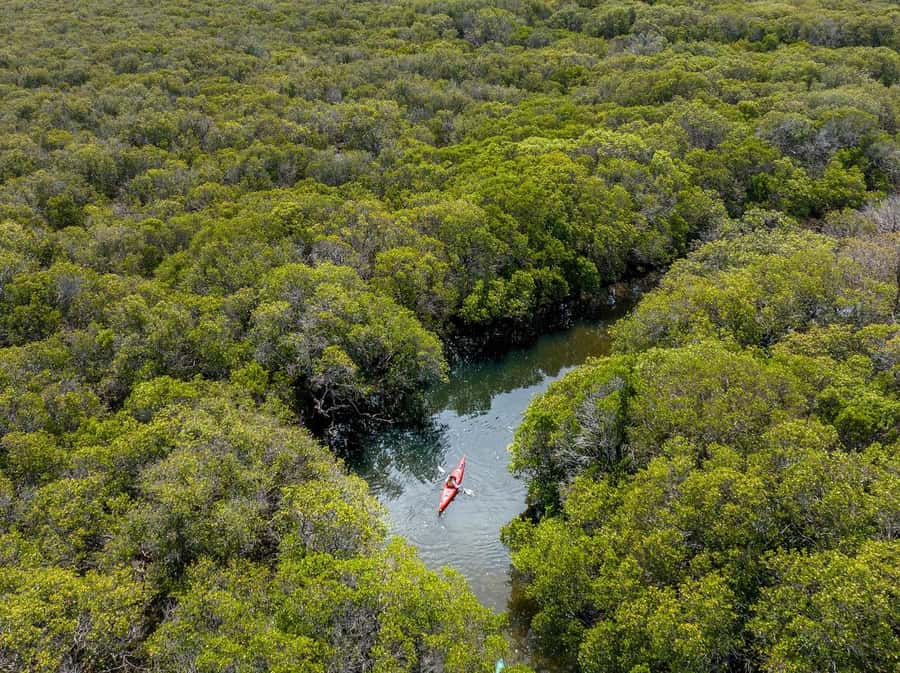
Paddling through Adelaide’s mangrove creeks: your route is the point
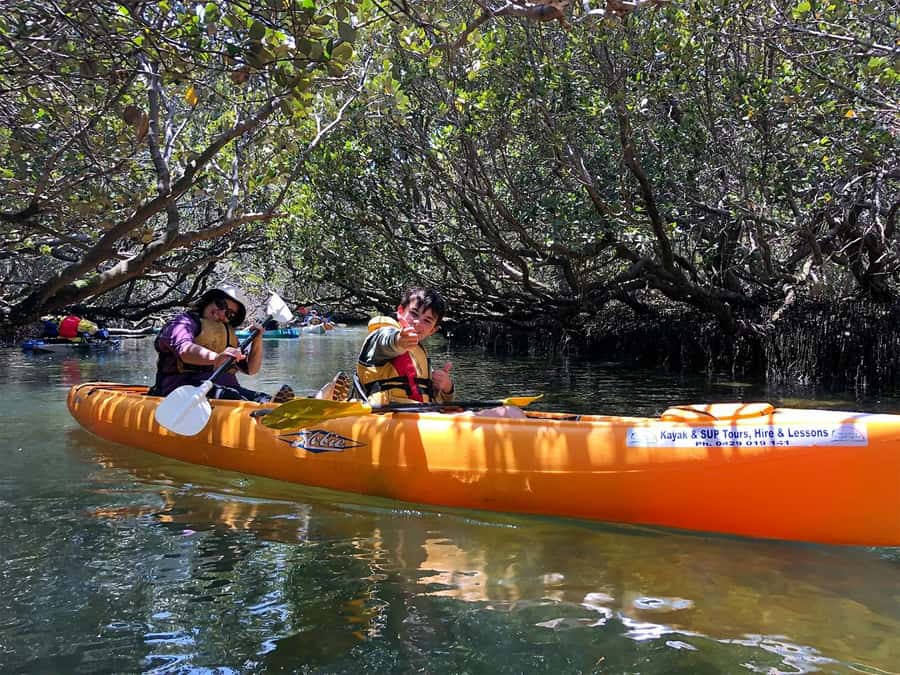
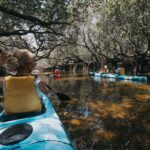
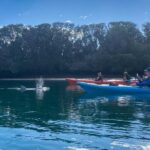
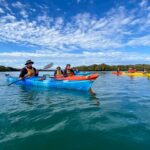
Once you’re geared up, the experience shifts into “you steer.” You’ll put on your life jacket and start paddling through the mangrove habitat, searching for marine life as you go.
What makes this special is the type of water. Mangrove creeks tend to feel sheltered and changeable. You’ll be moving through channels that can narrow, bend, and open again, which gives you constant reasons to look up, scan ahead, and slow down when you spot movement.
Your map is part of the fun because it turns the paddle from random wandering into a small adventure with decisions:
- Which creek arm looks most promising?
- Where do you want to spend your time if dolphins aren’t showing?
- Do you want a calmer path or a more active route in search of activity?
And yes, the vibe is meant for shared moments. Going with a partner in a 2-person kayak can make the search feel like a game—one person watches, the other handles the line and pace (or you switch as you go).
Dolphin sightings: how to think about odds in a short self-guided paddle
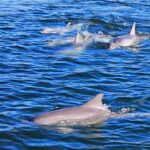
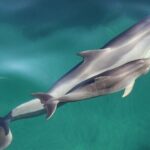
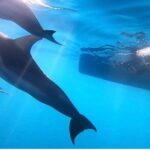
This is the big question: will you see dolphins?
Here’s the honest way to judge it based on what the experience is built to do. You’re paddling in a protected area with a chance to spot dolphins, but you have a limited hire window and you’re working within a controlled area. That combination means there are plenty of paddles where dolphins don’t appear—especially if they’re not moving through the exact creeks you end up in.
Some people have noted that dolphin numbers in the sanctuary can be low, including a comment about only a small count living in the wider area. Even if that number varies over time, it supports the real takeaway: dolphins are the headline, but the timing is out of your control.
So how do you make the most of your chances?
- Keep your head up and your scanning steady, not frantic.
- Slow down near likely habitat edges where movement could be hiding.
- Don’t burn all your time sprinting through one stretch. If nothing happens quickly, switch to another part of the allowed route and search again.
If your dream is guaranteed dolphin viewing, this format might feel like a gamble. If your dream is a calm, nature-focused kayak paddle with a genuine shot at wildlife, it fits well.
What you’re allowed to do (and what’s blocked off)
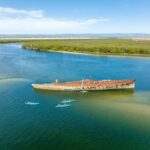
One clear boundary is that access to the ship graveyard is not permitted due to safety concerns. That means your “explore as far as you can” instincts need to be replaced with “explore what’s allowed.”
This matters because it shapes your route planning. A no-go zone can be frustrating if you were hoping for a specific destination. But it also keeps the activity safer and more manageable for self-guided paddlers, especially in a mangrove environment where conditions can change quickly.
If your ideal kayak trip is long-distance exploration with lots of destinations, the 2-hour time limit plus the restricted area may leave you wanting more. If you like short, focused wildlife hunting with plenty of time spent just being on the water, you’ll likely enjoy it.
Timing reality: launch time and the 2-hour clock
Your hire runs for 2 hours, and there are two timing details that can affect your experience.
First: the hire starts at the scheduled start time, even if you arrive late. Late arrivals may still participate, but you won’t get extra time to compensate.
Second: the early part of the session is used for briefing and launch. In plain terms, you’re not getting two full hours of uninterrupted paddling.
I recommend arriving ready to go (sun protection on, water bottle grabbed, shoes on) so you lose less time to last-minute adjustments. Comfortable shoes and closed-toe footwear help here. When you’re stepping down and launching, you want grip and stability.
Weather changes and how the operators handle them
This is South Australia, so weather can shift. If conditions are poor, you’ll be contacted as soon as possible. On some occasions, sudden weather changes can also trigger last-minute cancellations.
That’s why it helps to have weather-appropriate clothing in your bag and to keep your expectations flexible. If you’re trying to lock in a tight itinerary day-to-day, it’s smart to plan this paddle as something you can swap out if the weather won’t cooperate.
What to bring: small choices that make the paddle easier
The checklist is solid because it matches what you’ll actually deal with on the water. Bring:
- Comfortable shoes (closed-toe)
- Sun hat
- Sunscreen
- Water
- Snacks
- Weather-appropriate clothing
- Waterproof shoes if you have them
The “not allowed” list is also useful because it tells you what won’t work for safety and stability:
- No sandals or flip flops
- No bare feet
- No alcohol and drugs
- No unaccompanied minors
Also note the two key fit rules:
- Children under 8 years aren’t suitable.
- People over 140 kg (309 lbs) aren’t suitable.
If you’re using a 2-person kayak, there’s an extra size consideration: suitable for people up to about 1.85 m (6′) in height. That’s the kind of constraint you want to know before showing up with a taller paddler.
Price and value: is $27 per person worth it?
At $27 per person for a 2-hour rental, this sits in the “budget-friendly but not luxury” category. It’s not a guided, all-day wildlife excursion. It’s a rental experience with a briefing and a map—then you paddle.
So what value are you really paying for?
- Access to the mangrove creeks inside the Adelaide Dolphin Sanctuary
- The convenience of a kayak setup and safety gear (life vests, paddles)
- A way to search for dolphins without paying for a full guided itinerary
Where the value can disappoint is when you expect dolphin sightings as the default outcome. Because it’s self-guided and time-limited, some people come back without seeing dolphins. In that case, your “value” is mostly the mangrove paddle and the nature time, not a guaranteed animal encounter.
On the flip side, if you enjoy being outdoors, scanning quietly, and exploring at your own pace, this price can be a strong deal. It’s especially good if you’re comfortable paddling already and you don’t need a long narration or multiple destination stops.
Who this kayak rental suits best
This experience is best for:
- Couples or friends who like independent exploration
- Paddlers who are comfortable with basic kayak use (and don’t need an all-day guided program)
- People who want a short, nature-focused activity in Adelaide’s Port area without complex planning
It may be a poor fit if:
- You want guaranteed dolphin viewing
- You strongly prefer longer, guided routes with more stops and more time on the water
- You’re traveling with very young children (under 8)
- You need hotel pickup (it’s not included)
Should you book the Adelaide dolphin kayak rental?
Book it if you want a calm, self-directed way to explore mangrove creeks in a protected dolphin habitat, and you’re happy treating dolphins as a bonus rather than a guarantee. The included map, safety briefing, and kayak gear make it an easy “show up and paddle” option—especially for travelers who can handle a bit of nature uncertainty.
Skip it (or plan a backup) if dolphins are the single deciding factor for your trip. With a 2-hour hire and restricted access (no ship graveyard), you’re better off treating this as an atmospheric wildlife hunt, not a high-probability viewing tour.
If you do book, pack for sun and water, wear closed-toe footwear, and give yourself the best chance by slowing down and exploring more than one creek arm within the allowed area.
FAQ
How long is the dolphin sanctuary kayak rental?
The kayak hire lasts for 2 hours, starting at your scheduled start time.
Where do I meet for the kayak rental?
You collect your rental at Adventure Kayaking SA| Port River Dolphins at the Garden Island Boat Ramp and Reserve.
What’s included in the rental price?
You get the kayak (1-person or 2-person), paddles, life vests, a map, and a safety briefing.
Is ship graveyard access included?
No. Access to the ship graveyard is not permitted due to safety concerns.
What should I bring with me?
Bring comfortable, closed-toe shoes (or waterproof shoes), a sun hat, sunscreen, water, and snacks, plus weather-appropriate clothing.
Are there age or size limits?
Children under 8 years aren’t suitable, and there are limits for body weight (up to 140 kg / 309 lbs). For the 2-person kayak, it’s suitable for people up to about 1.85 m (6′) in height.