REVIEW · AKAROA
Akaroa: Dolphin Nature Cruise
Book on GetYourGuide →Operated by Akaroa Dolphins · Bookable on GetYourGuide
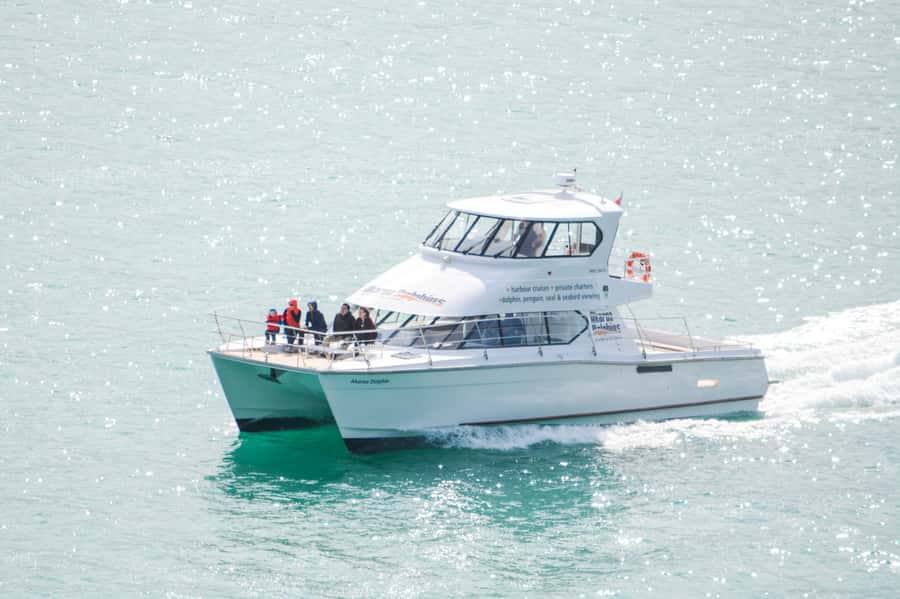
Hector’s dolphins are the main event here. On this 2-hour Akaroa Harbor nature cruise, I like the combination of close viewing from a low-lying, stable catamaran and the way the crew keeps the whole trip moving with sharp, friendly wildlife-focused commentary. For the best chance at seeing Hector’s dolphins, Akaroa really is a hotspot.
The main consideration is simple: dolphins are wild, so you can’t get a 100% guarantee. If you don’t spot dolphins on your trip, you’ll be offered another trip free of charge, but there are no refunds if you don’t see them; also, for conservation reasons, they do not swim with dolphins.
In This Review
- Quick takeaways before you go
- Why Akaroa’s Harbour cruise is a smart use of your time
- The catamaran ride: stable, low, and built for spotting
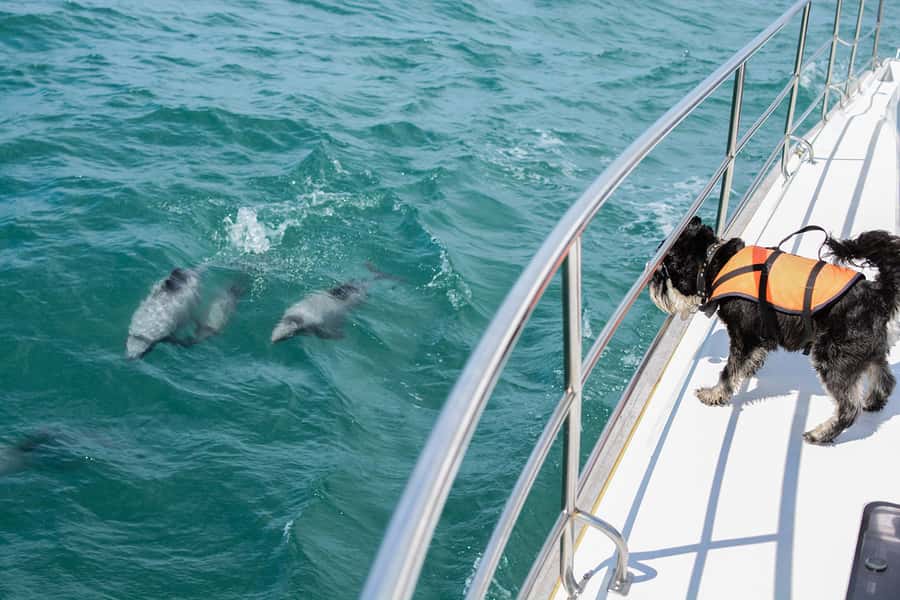
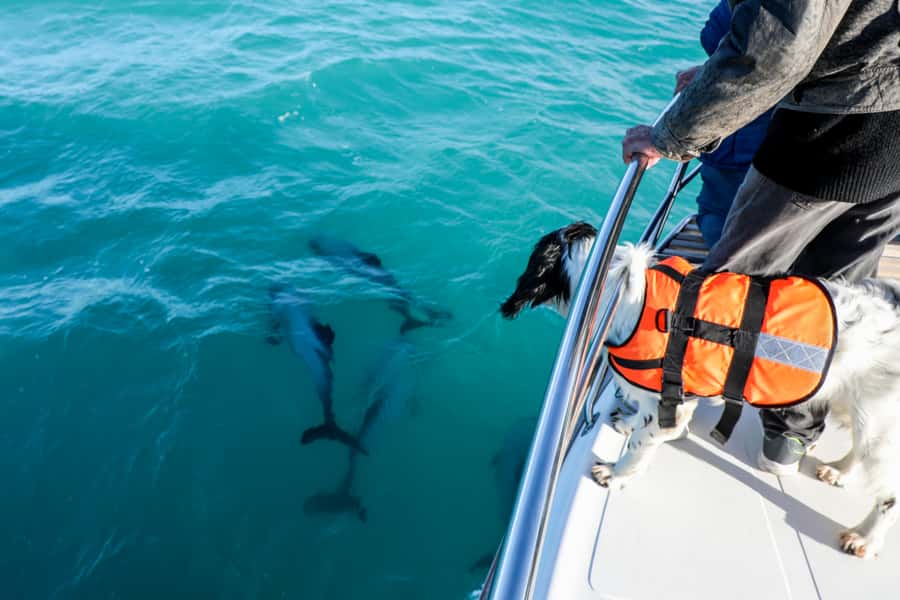
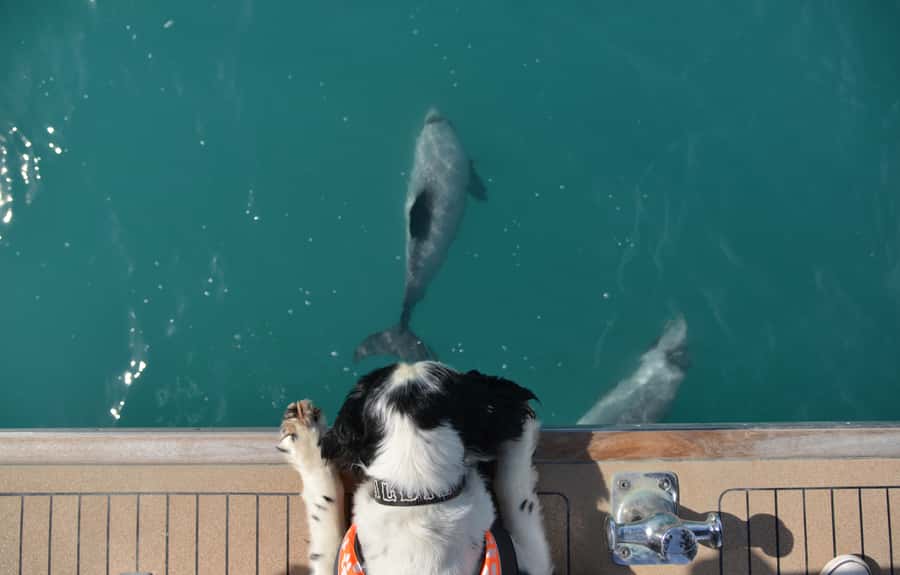
- Dolphin-spotting dogs: the unusual trick that actually helps
- What you see on the water: Hector’s dolphins plus harbour wildlife
- The sea caves and volcanic formations aren’t filler
- The best onboard element: continuous, local knowledge from the skipper
- Food and drinks: a small upgrade that makes winter weather easier
- Why the $77 price often feels fair (and when it might not)
- Getting there on time from Christchurch or Lyttelton Port
- Who should book this cruise, and who might choose something else
- Should you book Akaroa Dolphin Nature Cruise?
- FAQ
- How long is the dolphin nature cruise?
- What does the tour cost?
- Can you swim with the dolphins on this cruise?
- What happens if you do not see dolphins?
- Where do I meet, and when should I arrive?
- What should I bring?
Quick takeaways before you go
- Hector’s dolphins are the target, with a legal Department of Conservation viewing permit and a high sighting success rate year-round.
- Dolphin-spotting dogs help the crew work faster, and their reactions can turn a routine scan into real excitement.
- Sea caves and volcanic formations are part of the route, so even slower dolphin days still feel worth it.
- Warm jackets, sunscreen, and a comfortable catamaran make cold or choppy days far more manageable.
- A complimentary drink plus homemade cookies gives this cruise a more “local outing” feel than a basic sightseeing run.
- No swimming with dolphins, so your experience stays respectful and conservation-minded.
Why Akaroa’s Harbour cruise is a smart use of your time
Akaroa is one of those places where nature and human history get tangled up in a small space. That’s what makes a short, 2-hour harbour cruise a good move: you’re not spending half a day just getting to viewpoints, and you’re still in prime water where Hector’s dolphins feed and travel.
I also like the practical side of this tour. You get a low-friction outing with warm gear and onboard comforts, plus a crew that’s focused on what you’re seeing right now, not just facts delivered like a lecture.
One more thing: the company is 100% locally owned and run by a family business going back seven generations. That usually shows up in the way they talk about place, not just animals.
You can also read our reviews of more tours and experiences in Akaroa.
The catamaran ride: stable, low, and built for spotting
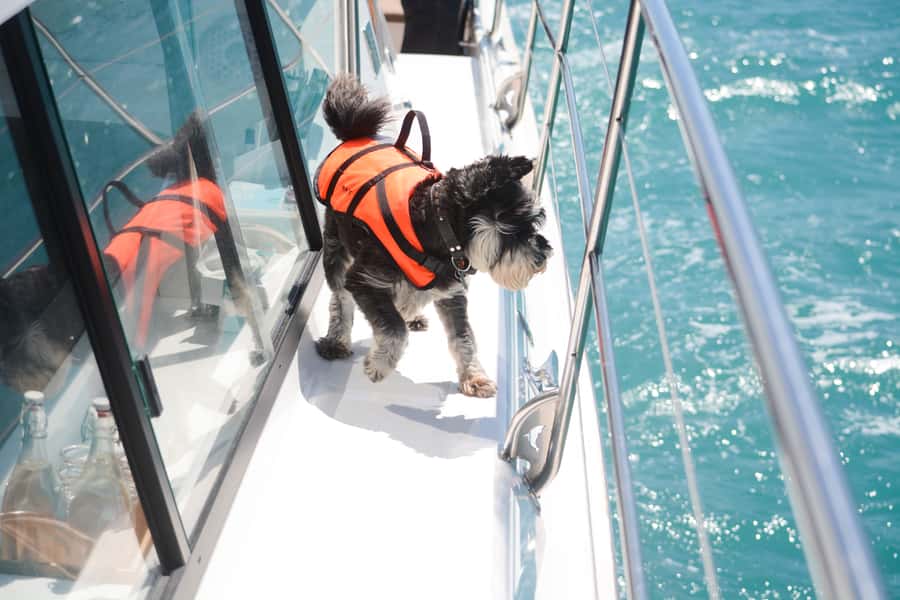
The vessel matters here, because you’re relying on quick positioning and good sightlines. This cruise uses a luxurious low-lying catamaran designed to keep you close to the water without feeling cramped or wobbly. Reviews repeatedly mention it as comfortable and not overcrowded, with lots of seating options and room to move around.
What you’ll likely appreciate during the ride:
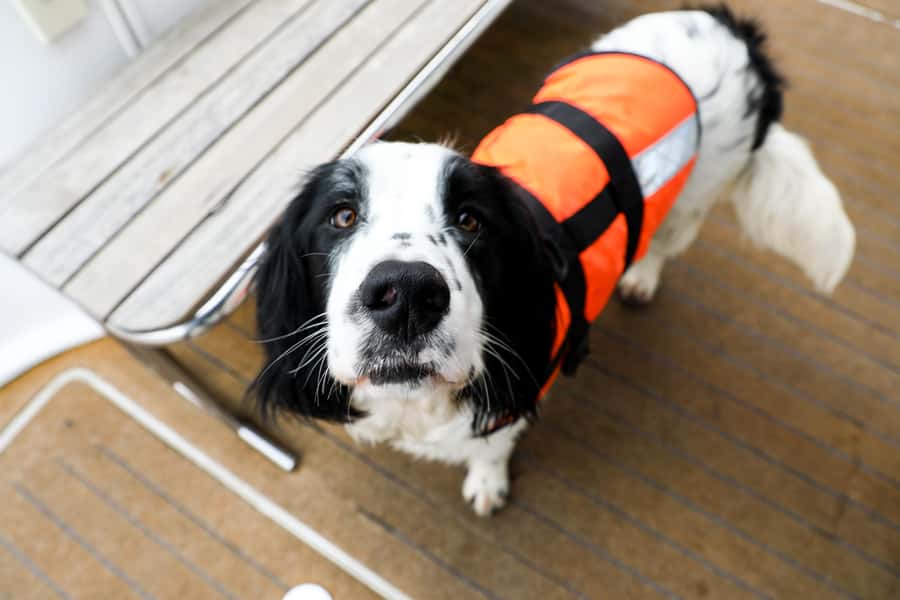
- Secure railings and lifejackets for all ages (including infants and children).
- Indoor and outdoor areas, so you can warm up or step out to get a better view.
- A flushable toilet aboard and access to filtered water.
Akaroa can be breezy, and weather can change fast. The tour includes warm jackets and sunscreen, which means you don’t have to overpack for a short cruise that could feel chilly once you’re out in open water.
Dolphin-spotting dogs: the unusual trick that actually helps
Yes, it sounds quirky. And yes, it works in practice. The cruise features dolphin-spotting dogs that are trained to react when dolphins are near, giving the crew cues to investigate areas faster.
In the onboard stories, different dogs steal moments of attention. Names show up like Albie, Wilbur, Theo, Archie, and others, and the common thread is that they genuinely react to dolphins being nearby. That reaction often leads to quicker adjustments, which can translate into better viewing angles for photos and calmer chaos for passengers.
Just keep one expectation straight. The dogs help the search. They don’t eliminate the core reality that Hector’s dolphins are wild and can change direction or surface times. Still, this “dog-assisted” approach is one of the most praised parts of the trip for a reason.
What you see on the water: Hector’s dolphins plus harbour wildlife
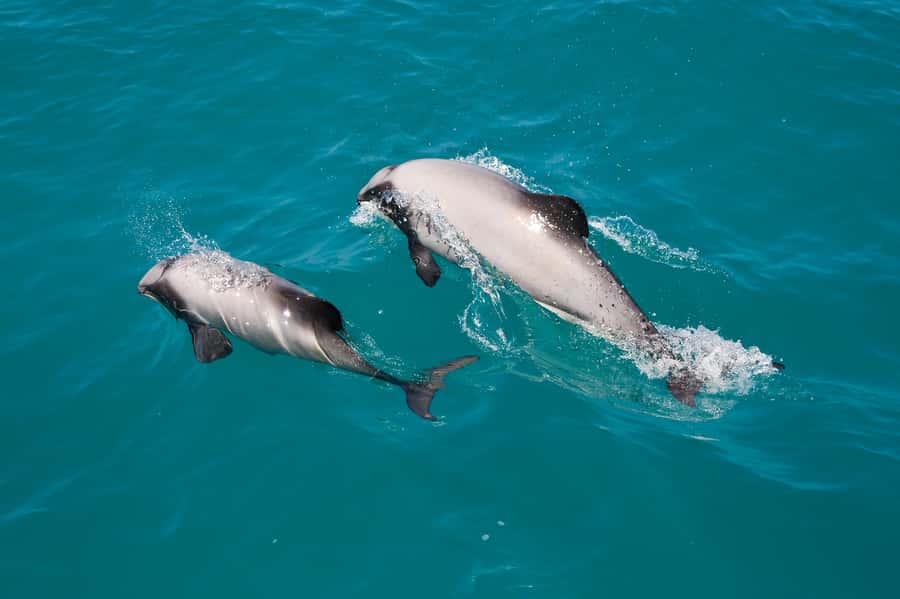
The star is the rare Hector’s dolphin. This tour is set up for dolphin viewing under a Department of Conservation Marine Mammal Viewing Permit, which also ties into why the experience is run in a conservation-minded way.
You can expect a mix of these harbour residents:
- Hector’s dolphins (the main goal)
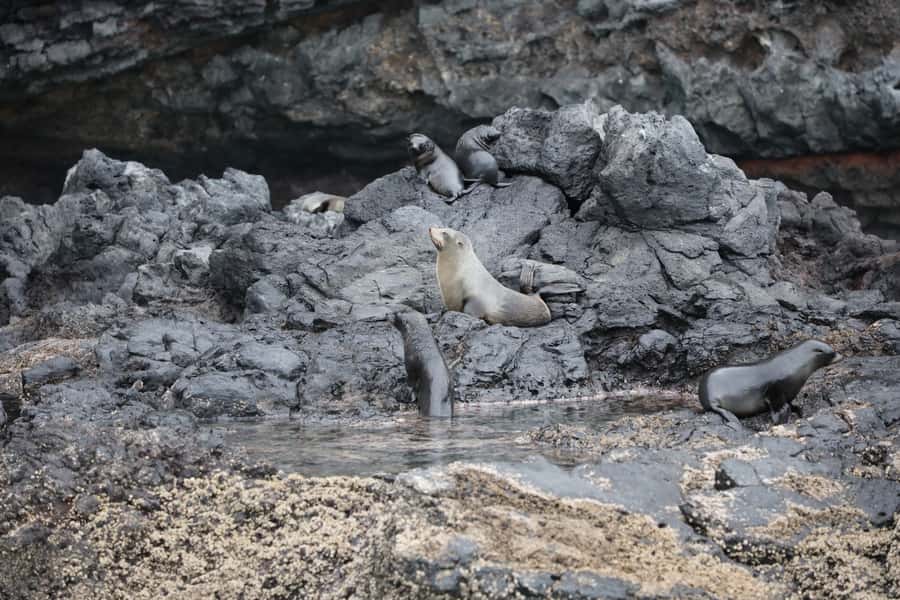
- NZ fur seals
- Penguins (often mentioned as part of the sightings)
- Seabirds
- Sea caves and dramatic volcanic formations along the route
On some trips, additional species pop up, like Indo-Pacific bottlenose dolphins. You might also spot things like NZ sea lions, depending on conditions.
The best part is that the cruise isn’t only “stop and stare.” The commentary helps you understand what you’re seeing and why it’s happening here. When dolphins are active, you’ll often get the kind of viewing where they ride the bow wave for photos, and it feels like the harbour has switched into wildlife mode.
One note for planning your hopes: Hector’s dolphins can come in smaller groups. If you’re picturing huge pods, you may be disappointed. But if you’re open to close, calm encounters with curious dolphins, this cruise is exactly the right kind of experience.
The sea caves and volcanic formations aren’t filler
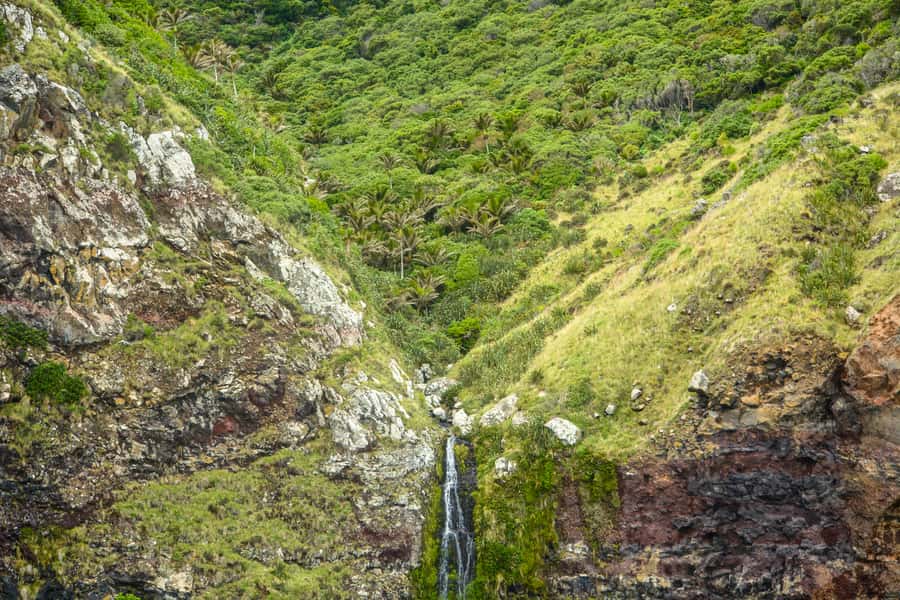
A lot of wildlife cruises either focus on animals only, or they treat scenery as a quick background. Here, the sea caves and spectacular volcanic formations are part of what you’re meant to learn and look for during the run.
That matters because even on a slower dolphin day, you’re still out on the water seeing Akaroa’s physical character: rock shapes shaped by volcanic activity and carved by waves. It turns the cruise into a two-track experience—wildlife viewing plus a geology-and-place story you can point to as you go.
You’ll also hear about the harbour’s formation and what makes this area different from other coastal spots. It helps you make sense of the “why” behind the animals showing up where they do.
The best onboard element: continuous, local knowledge from the skipper
The commentary is a big reason this cruise scores so highly. People describe it as continuous, fun, and educational without dragging. You’re not just told what species exist; you’re told how this harbour works and what to notice as you look out the windows.
Local skipper knowledge shows up in the way names like George appear in passenger accounts. You’ll often hear:
- How Akaroa and the harbour developed over time
- What specific formations mean
- Which birds and marine mammals are likely where
- How settlers and local life connect to what you can see from the water now
This is the kind of guiding that makes the cruise feel worth it even if you only catch part of the wildlife action. You’ll leave with a mental map, not just a handful of photos.
Food and drinks: a small upgrade that makes winter weather easier
Two hours is short, but it’s long enough to feel the chill if you’re not prepared. This cruise includes a complimentary drink of local NZ wine, beer, or juice, plus homemade cookies.
On colder days, you may also get extra warmth through onboard treats noted in passenger accounts, like hot chocolate at the start. Either way, having something warm to sip helps you relax into the viewing, instead of constantly checking your jacket zipper.
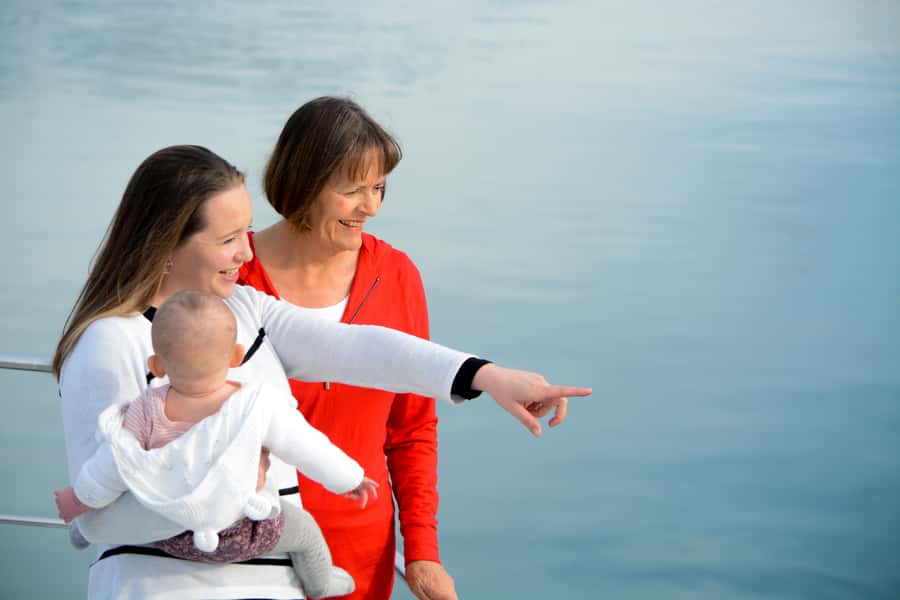
It’s a nice touch for families too. Kids can focus on the animals while parents take a breather with a proper snack. And it’s included, not an optional upsell.
Why the $77 price often feels fair (and when it might not)
At $77 per person for a 2-hour cruise, this isn’t a bargain deal. But it’s also not overpriced for what’s included: a catamaran ride, onboard commentary, wildlife viewing under a permitted conservation model, dolphin-spotting dogs, warm jackets and sunscreen, plus a drink and fresh cookies.
Where the value can swing in your favor:
- If you care most about seeing Hector’s dolphins and you want the best setup for finding them.
- If you like guided context, not just sightseeing.
- If you’re traveling with kids or someone who will appreciate the stable boat and onboard comforts.
Where you should adjust your expectations:
- If you need a guaranteed dolphin sighting no matter what. Nature doesn’t work like that.
- If you specifically want active interaction like swimming. This tour does not swim with dolphins, and it’s intentional for conservation reasons.
Also consider the “dolphin no-show” policy: if dolphins aren’t spotted, you’ll be offered another trip free of charge, but there are no refunds. That’s strong for people who can be flexible with dates, less ideal if your schedule is tight.
Getting there on time from Christchurch or Lyttelton Port
Plan timing like you would for a flight, because the cruise leaves on schedule. You’ll need to exchange your voucher at the ticket counter before departure, and you should arrive 30 minutes early to check in.
From Christchurch and Lyttelton Port, Akaroa is roughly a 90-minute drive. That’s not huge, but it’s long enough that traffic, parking, and last-minute errands can steal your buffer. I’d rather you show up early with time to spare than risk missing the departure and losing your spot.
Once you’re on board, you don’t need to worry about much besides basic comfort. Bring what you’ll actually use in the cold: sunglasses, a hat, sunscreen, and a camera.
Who should book this cruise, and who might choose something else
This is a great fit if you want:
- Hector’s dolphin viewing in a conservation-minded setup
- A relaxed outing for families and mixed-age groups (including seniors)
- A stable boat and onboard warmth tools
- Strong guidance and good storytelling, not just a drive-by look
It’s also wheelchair accessible, and the boat is designed with secure railings and multiple areas so people can choose where they feel most comfortable.
You might want a different option if you:
- Need dolphin certainty for a fixed itinerary with no flexibility.
- Want to swim with dolphins (this tour doesn’t do that).
Should you book Akaroa Dolphin Nature Cruise?
I’d book this cruise if Hector’s dolphins are on your Akaroa “must-see” list and you’re happy to let wild animals set the pace. The combination of a stable low-lying catamaran, onboard dolphin-spotting dogs, included warm gear, and the steady local commentary makes it feel like more than just a checklist activity.
If you’re the type who values respectful viewing and you’d rather learn what you’re seeing than just chase the next photo moment, this fits well. And if your schedule is flexible, the offer of another trip if dolphins aren’t spotted adds extra reassurance.
Go in with realistic expectations, dress for the water, and give the crew time to work the harbour. That’s when this cruise delivers its best magic.
FAQ
How long is the dolphin nature cruise?
It’s a 2-hour cruise.
What does the tour cost?
The price is listed as $77 per person.
Can you swim with the dolphins on this cruise?
No. For conservation reasons, they do not swim with the dolphins.
What happens if you do not see dolphins?
If your tour does not see dolphins, you will be offered another trip free of charge. No refunds are given if dolphins aren’t seen.
Where do I meet, and when should I arrive?
You must exchange your voucher at the ticket counter before the tour starts, and you should arrive 30 minutes prior to check in.
What should I bring?
Bring comfortable shoes, warm clothing, sunglasses, a hat, and a camera. Sunscreen is also recommended (and warm jackets are provided onboard).