REVIEW · AKAROA
Akaroa Dolphins ~ Harbour Nature Cruise
Book on Viator →Operated by Akaroa Dolphins · Bookable on Viator
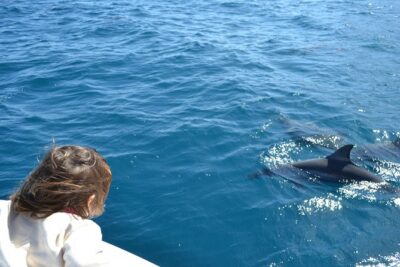
Hector dolphins are a real wow. This 2-hour Akaroa Dolphins harbour nature cruise takes you out on a stable, roomy catamaran to scan for Hector’s dolphins (a rare New Zealand resident), fur seals, and white-flippered penguins, with an included drink and home-baked cookies. I also love the practical approach: you’re viewing wildlife from the water, not chasing it, and you get real explanation as you go.
The only potential drawback is that sightings aren’t guaranteed, and the team won’t swim with dolphins for conservation reasons. Also, the sea can get choppy once you’re heading toward the open-water bits, so if you’re prone to seasickness, plan for a rougher ride on less-than-perfect days.
In This Review
- Key Things That Make This Cruise Worth Your Time
- Roomy Catamaran Days in Akaroa Harbour
- What You’re Really Doing: Watching Wildlife the Right Way
- Dolphin Spotting With a Team and a Sniffing Dog
- Before You Go: Timing, Weather, and Packing for the Water
- Cruise Route: Akaroa Lighthouse, Town Views, Banks Peninsula
- Stop 1: Akaroa Lighthouse
- Stop 2: Akaroa (Harbour and Town Views)
- Stop 3: Banks Peninsula (Scenery + Wildlife Chances)
- Included Drink and Cookies: A Small Luxury That Helps You Stay Longer
- Getting the Best Chance of Seeing Dolphins (Without Chasing Them)
- Group Size, Comfort, and What $80.67 Buys You
- Seasickness and Comfort: My Practical Take
- Who This Tour Fits Best
- Should You Book Akaroa Dolphins Harbour Nature Cruise?
- FAQ
- How long is the Akaroa Dolphins Harbour Nature Cruise?
- Where does the tour start and end?
- Is a drink and cookies included?
- Can I swim with the dolphins?
- Are dolphin sightings guaranteed?
- When should I check in?
- What group size should I expect?
Key Things That Make This Cruise Worth Your Time
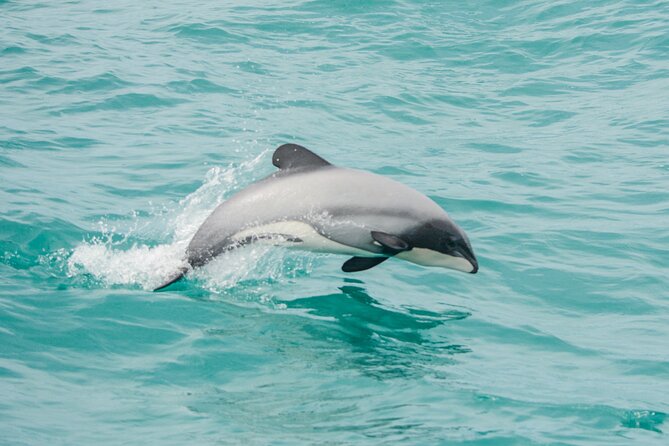
- Hector’s dolphin focus with a high success rate and a repeat option if you don’t spot them
- Roomy catamaran comfort with extra stability and deck space for scanning wildlife
- Dolphin-spotting dogs on board, including the fan-favorite sniffing dog Albie (or Albi)
- Included drink and family-recipe cookies, which make the trip feel like a small treat, not just a tour ticket
- Legally permitted marine mammal viewing under a New Zealand Department of Conservation Marine Mammal Viewing Permit
Roomy Catamaran Days in Akaroa Harbour
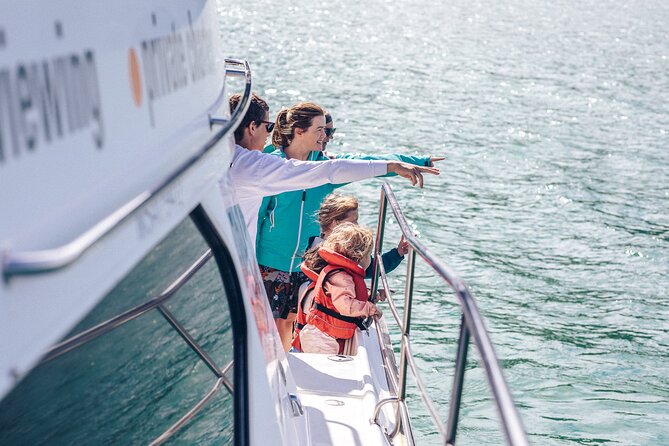
Akaroa’s harbour feels like a sheltered secret until you’re on the water looking back. That’s where this cruise shines: you’re close enough to track movement on the surface, but comfortable enough to enjoy the long look—whether dolphins pop up right near the boat or you’re watching seals cruise by at a distance.
I like that the boat setup is built for spotting. A catamaran means more stability and more room to shift around, which matters when you’re trying to spot fast movement in changing light. Several people on this kind of trip call out the boat as comfortable and spacious, and that matches the way you actually experience it: you can stay put, scan calmly, and not feel squeezed.
You can also read our reviews of more tours and experiences in Akaroa.
What You’re Really Doing: Watching Wildlife the Right Way
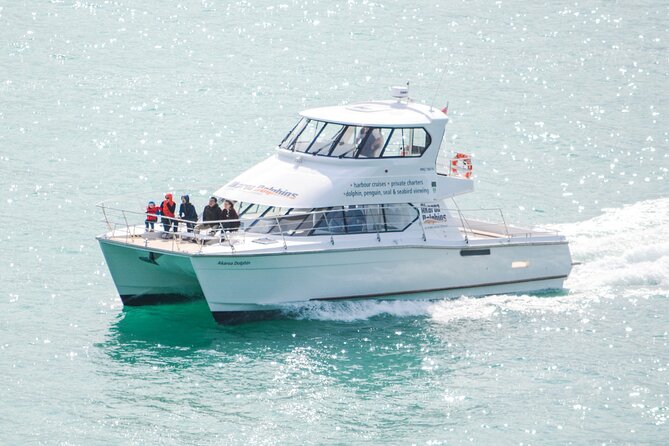
This is a legal, conservation-minded dolphin and seal viewing cruise, run by an operator authorized through a Department of Conservation Marine Mammal Viewing Permit. In plain terms, that means you’re in the right lane for how wildlife should be viewed—focused on safe, responsible distance and calm observation.
You also get a clear boundary: there’s no swimming with dolphins. That’s not a deal-breaker for most people; it often turns out to be the point. You’re here to see animals in their habitat, not to turn wildlife into a swimming event. You’ll still get that big feeling when dolphins appear, because the boat is designed to let everyone track them properly.
Dolphin Spotting With a Team and a Sniffing Dog
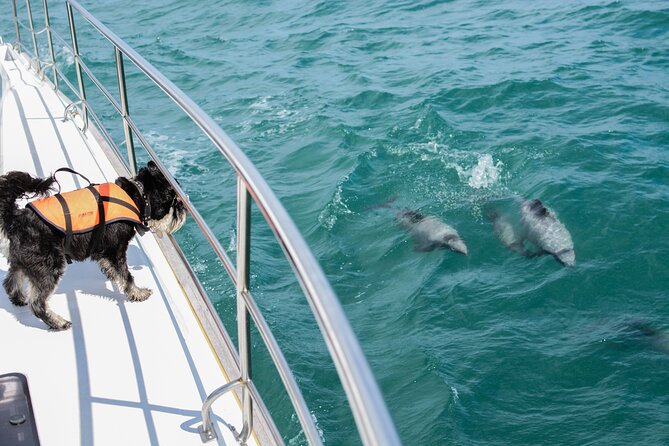
The cruise doesn’t rely on luck alone. You’ll have a skipper and onboard guide scanning for activity, plus dolphin-spotting dogs equipped with life vests. The dog element is genuinely memorable. People repeatedly mention how Albie (the dolphin sniffing dog) kept things fun and helped the group stay upbeat while the team searched.
And the human team part matters too. From the reviews, the guides bring personality and real local pride, with skippers like George and Joe specifically called out for friendly commentary. You’ll get more than just names of animals—you’ll learn how to read what you’re seeing: surfacing patterns, where movement tends to gather, and how Hector’s dolphins often show up in small groups.
One more practical point: Hector’s dolphins are rare and usually travel in small groups. So if you’re hoping for a huge pod, temper expectations. The payoff is that each sighting feels extra special, because it’s genuinely not a constant show.
Before You Go: Timing, Weather, and Packing for the Water
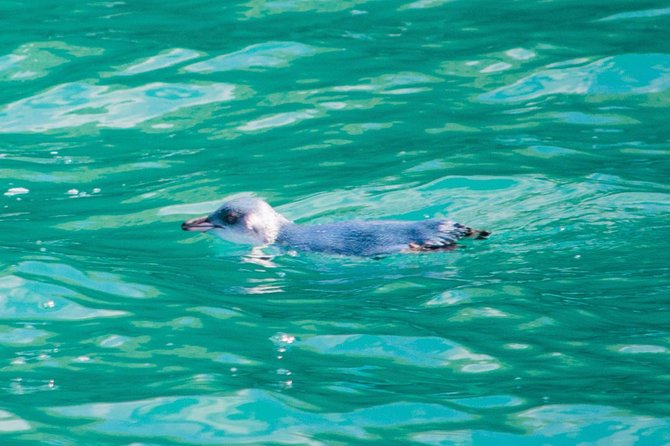
This cruise runs for about 2 hours, and you’ll want to arrive early. Check-in is no later than 30 minutes before departure, and boarding starts 15 minutes before. If you’re traveling with kids or just want a relaxed start, give yourself buffer time at the dock.
Weather is part of the deal here. The experience requires good weather, and if the tour is canceled due to poor conditions, you’ll be offered another date or a full refund. Even when you do sail, conditions can affect what you see. One downside you might run into: on windy or less sunny days, dolphin sightings can be fewer or harder to spot from the deck.
Pack for a “waterfront breeze” reality. People recommend bringing a warm jacket, especially if you’re likely to sit at the front. The good news: you can ask about spare coats on board, and staff have been known to provide them when someone forgot a layer.
If you get motion sick, take that seriously. One review notes that the sea can feel rougher once you get out toward the heads and open ocean. That means it’s smart to check conditions with the team when you arrive, not just when you booked.
Cruise Route: Akaroa Lighthouse, Town Views, Banks Peninsula
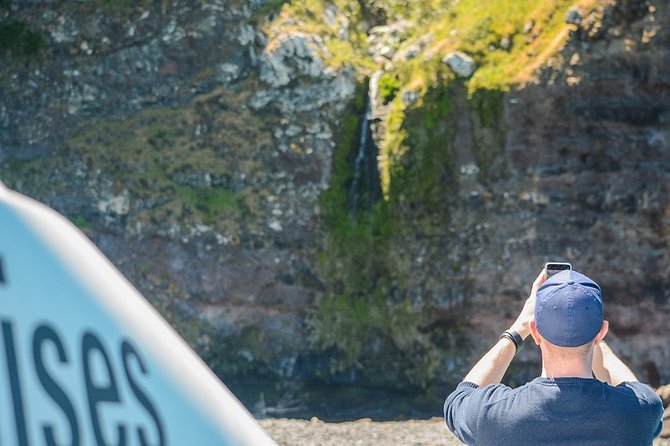
The itinerary is simple and that’s a good thing. You’re out on the water for a full wildlife scan, and the route gives you changing scenery and vantage points.
Stop 1: Akaroa Lighthouse
From the water, a lighthouse stop is about more than a photo moment. It helps you orient yourself in the bay and understand how Akaroa is shaped—what looks sheltered from shore can open up quickly once you push into wider water. That orientation is handy for wildlife viewing because dolphins and seals don’t move randomly; you’ll often spot activity where the water and coastline geometry encourage it.
Drawback to consider: if you’re expecting calm, glassy sailing the whole time, it won’t always happen. Lighthouse-side views can be great, but the wider part of the harbour can change fast.
Stop 2: Akaroa (Harbour and Town Views)
This is where you get that “you’re really in Akaroa” feeling. Watching the harbour from the boat gives you scale and depth you don’t get from the waterfront walk. It also tends to be a good stretch for spotting marine life because you can scan both the shoreline edges and the water surface.
This stop is also where the onboard commentary lands best. Expect your skipper and guide to tie together the geography, the wildlife you might see, and why Hector’s dolphins are so closely associated with this area.
Stop 3: Banks Peninsula (Scenery + Wildlife Chances)
Banks Peninsula is where the scenery becomes more dramatic. It’s also where sea conditions can feel more noticeable. Some people report that once you move toward the open-water edge, it can get choppy—so stay ready with that jacket and a steady stance if you’re prone to feeling it in your stomach.
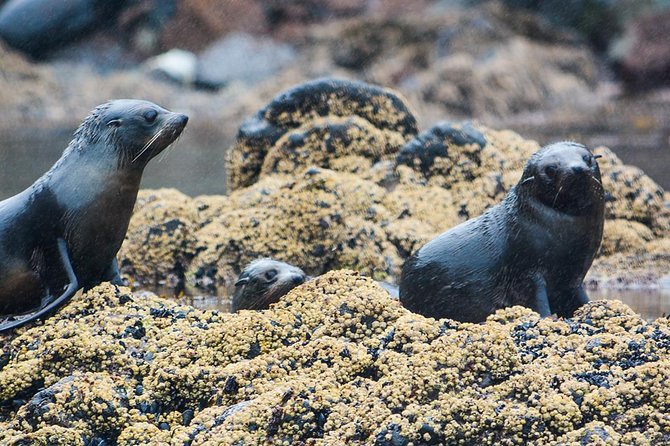
Wildlife-wise, this is the stretch you came for. You’ll be scanning for Hector’s dolphins, New Zealand fur seals, and (if you’re lucky) white-flippered penguins and seabirds like shags. Penguin sightings aren’t guaranteed, but when they happen, they’re the kind of moment you’ll remember when you’re back on land.
Included Drink and Cookies: A Small Luxury That Helps You Stay Longer
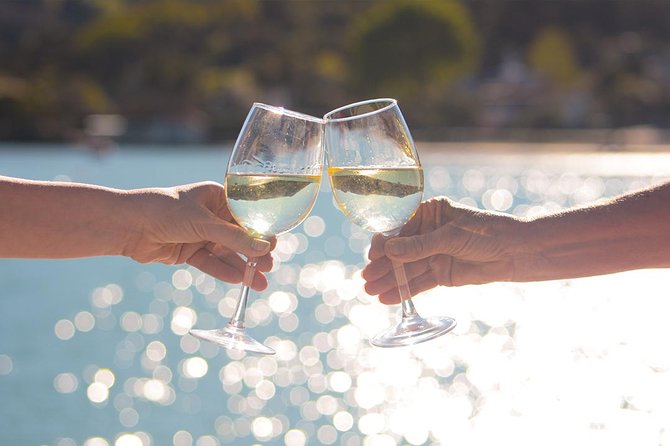
This cruise includes a complimentary drink—New Zealand beer, NZ wine, or a non-alcoholic alternative—plus homemade cookies from a family recipe. That might sound like a nice bonus (because it is), but it also improves how the cruise feels.
You’ll likely be standing, scanning, and waiting in between sightings. Having something warm or cold in hand makes the waiting part feel less like a chore and more like part of the experience. It’s one reason people often describe the trip as a favorite part of their New Zealand time—because the vibe stays relaxed even when nature decides to be subtle.
Getting the Best Chance of Seeing Dolphins (Without Chasing Them)
Here’s how to set yourself up for success while keeping your expectations real:
- Stay alert during scanning moments and listen to the crew’s guidance.
- Look where the team indicates, not just where you personally assume dolphins will appear.
- Dress for the deck, not just the shore. Cold and wind reduce how long you’ll comfortably stay focused.
- Remember Hector’s dolphins often show up in small groups. So a “few dolphins” can still be a real win.
And there’s a practical safety net. The operator notes a repeat option: if you don’t see dolphins, cruise again for free. That matters, because dolphin sightings are wild-animal sightings. This is one of the few tours that openly deals with that uncertainty instead of pretending every departure is a guaranteed highlight reel.
Group Size, Comfort, and What $80.67 Buys You
At $80.67 per person, you’re paying for a two-hour wildlife cruise in a stable catamaran with an included drink and cookies. You’re also paying for a crew plus the infrastructure required to spot animals responsibly.
One value point: the group maximum is 35 travelers. Smaller group sizes help in two ways. First, you can actually find your viewing angle. Second, the crew can manage movement on deck when people react to a sighting.
You’re also not paying for “just a boat ride.” The cruise includes the local skipper and guide, and the dolphin-spotting dogs add a unique layer you won’t get on generic harbour cruises.
Seasickness and Comfort: My Practical Take
If you’re sensitive to motion, you should treat this as a real sailing activity, not a floating bus. One review mentions the ride can get rough once you get out to the heads and open ocean. That’s a useful warning because the catamaran helps, but it can’t erase waves entirely.
Your best move is simple: be honest about your body. If you usually feel rough on boats, bring whatever you use back home (medicine, wrist bands, ginger, whatever works for you) and sit where you feel most stable. And yes, bring layers—warmth changes everything.
Who This Tour Fits Best
This is a great fit if you want a mix of wildlife and comfort. You’ll probably enjoy it most if you:
- Care about seeing Hector’s dolphins and fur seals in the wild, without any forced “swim with wildlife” angle
- Like a relaxed pace with commentary and a small onboard treat
- Want a short day activity that doesn’t require a whole day of logistics
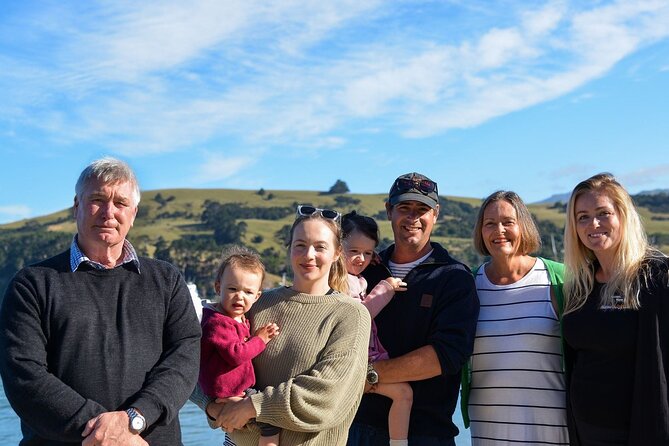
Families often enjoy it too. People mention traveling with babies and kids, and the boat’s roominess helps. The crew also tends to be friendly and accommodating—one review even highlights a child being allowed to hold the wheel for photos, which is the kind of little memory that makes a cruise feel personal.
And if you’re a dog-lover, you’ll probably get extra joy from the onboard sniffing dog tradition.
Should You Book Akaroa Dolphins Harbour Nature Cruise?
If your priority is wildlife viewing with a responsible, permit-based operator—and you like the idea of a roomy catamaran plus an included drink and cookies—this cruise is an easy yes.
Only skip it (or at least adjust expectations) if you’re:
- Strictly anti-sailing when waves pick up
- Hoping for guaranteed dolphin sightings in every weather pattern
- Expecting dolphin swimming (it’s not offered, by design)
My rule of thumb: book it if you can handle a bit of cold wind and you’re happy to let wild animals set the pace. The combination of Hector’s dolphins, the onboard team, and the dog-supported spotting makes it feel like more than a standard harbour loop.
FAQ
How long is the Akaroa Dolphins Harbour Nature Cruise?
The cruise lasts about 2 hours.
Where does the tour start and end?
It meets at 65 Beach Road, Akaroa 7520, New Zealand, and returns to the same meeting point.
Is a drink and cookies included?
Yes. You get a complimentary drink (beer, NZ wine, or a non-alcoholic option) and a homemade cookie from a family recipe.
Can I swim with the dolphins?
No. Swimming with dolphins is not allowed for conservation reasons.
Are dolphin sightings guaranteed?
No. You’re legally authorized and the operator says they have a high success rate, but wildlife is wild. They also state that if you don’t see dolphins, you can cruise again for free.
When should I check in?
Check-in is no later than 30 minutes prior to departure. Boarding happens 15 minutes before departure.
What group size should I expect?
The maximum number of travelers is 35.