REVIEW · ALGHERO
Alghero – Dolphin Watching (Spring & Autumn Tour)
Book on Viator →Operated by Progetto Natura · Bookable on Viator
Cool water, big dolphins, real science. This Alghero dolphin watching trip runs about three hours and pairs a high-quality certified boat outing with MareTerra NGO researchers. Even in spring and autumn, you’re cruising the Marine Protected Area coastline of Capo Caccia–Isola Piana, with an 80% dolphin-spotting chance when conditions cooperate.
I like two things a lot. First, the briefing is practical and conservation-minded: you learn dolphin biology and behavior, then get a respectful look at how scientists study them. Second, you’re not just hoping for dolphin sightings. With photo-identification, you can hear details such as dorsal-fin recognition, and the team can share information like names, how old dolphins are, and their health status, plus dolphin sounds from researchers’ recordings. Guides such as Fabio and Francesco (and Gabriella in the team) keep the tone friendly and focused.
One thing to plan around: dolphin sightings are never 100% guaranteed, and the crew may adjust the route or end early if sea conditions affect safety or the planned program. If you go in knowing that, you’ll enjoy the experience more.
In This Review
- Key things to know before you go
- Alghero’s Capo Caccia–Isola Piana waters: why this trip makes sense
- Meet the team: MareTerra science and the dolphin briefing
- Responsible dolphin watching on a certified boat
- Photo-identification plus dolphin sounds: what you’re actually learning
- The 3-hour plan: what happens once you’re on the water
- What to bring: cool-weather comfort, no toilet, and shade reality
- When dolphins don’t show up: how the trip still holds value
- Price and value: what $60.34 buys you
- Who should book this dolphin watching in Alghero
- Should you book this Alghero dolphin watching trip?
- FAQ
- How long is the dolphin watching tour from Alghero?
- Where do I meet, and does it return me there?
- What language is the tour in?
- How many people are on board?
- Is it suitable for kids?
- What should I bring for the boat trip?
- Is there a toilet on board?
- What happens if the tour is canceled due to weather or safety?
Key things to know before you go
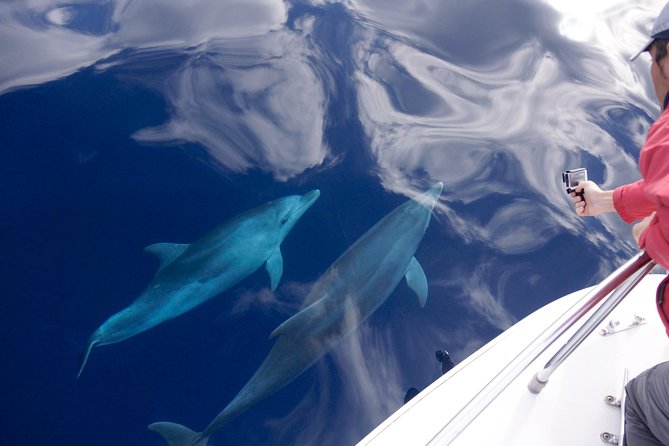
80% dolphin-spotting chance with a MareTerra NGO researcher on board
High Quality Whale Watching certified approach with a good code of conduct
Photo-identification in action using dorsal fins (including names/age/health info when available)
Bioacoustic listening to recordings scientists collected for their studies
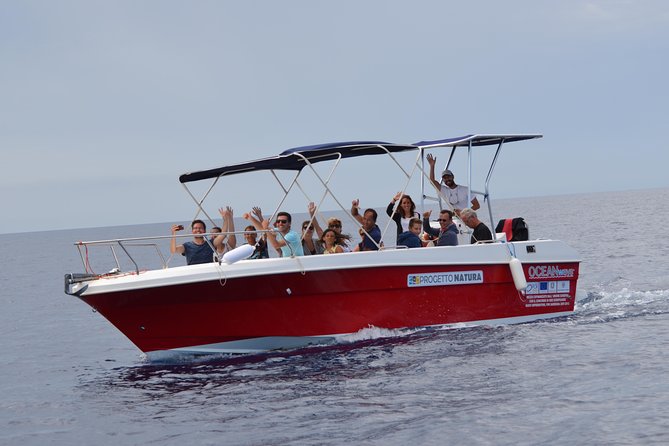
Small group size (max 12) for a calmer boat experience
Capo Caccia and Isola Piana inside the Marine Protected Area
Alghero’s Capo Caccia–Isola Piana waters: why this trip makes sense
Alghero sits on the northwest coast of Sardinia, facing some of the island’s best marine scenery. This outing focuses on the protected seascape around Capo Caccia–Isola Piana, which matters because dolphins are more likely to show up where food and habitat are healthier. You’re not doing a long, stop-and-go cruise far from the action. You’re working a specific stretch of water where the team expects sightings.
Spring and autumn can feel chilly on the water. That’s part of the bargain. The upside is that you’ll often get clearer attention on wildlife behavior, and the cooler air makes it easier to stay comfortable while you scan the water for dorsal fins and surface activity.
You can also read our reviews of more tours and experiences in Alghero.
Meet the team: MareTerra science and the dolphin briefing
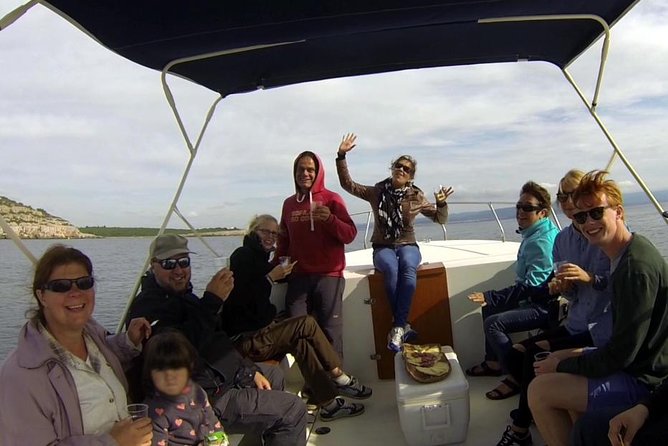
This trip isn’t just a sightseeing cruise. It’s built around a research partnership with MareTerra NGO, which is why you get a science-forward talk before you head out. Expect a briefing that covers dolphin biology and behavior, plus how dolphins are faring in terms of conservation.
What I like is how the presentation sets expectations for what you’ll see. Instead of treating dolphins like random magic, you learn what to look for: movement patterns, typical group behavior, and how researchers interpret those signs. You also get context for why responsible viewing matters, which changes how you watch once you’re on the water.
The crew is also clearly comfortable explaining things in English, and the overall vibe stays simple and direct. In the same way, you’ll feel the difference between a tour that is hoping for a sighting and one that is prepared to interpret what happens if dolphins appear.
Responsible dolphin watching on a certified boat
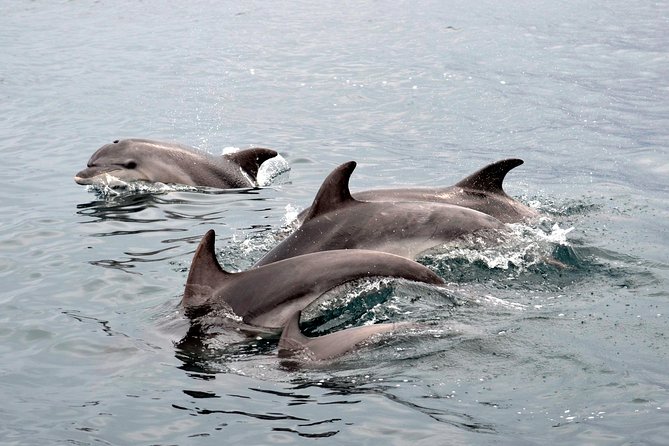
Here’s the key idea behind this dolphin trip: it’s designed to reduce disturbance. Once the team spots dolphins, they approach them according to the good code of conduct used in their High Quality Whale Watching certification. That means the boat doesn’t act like a thrill ride hunting for selfies.
You should picture a thoughtful approach rather than a chase. The goal is for dolphins to keep behaving normally. The crew also respects the animals’ well-being by minimizing risk and interference, which makes the experience feel better for you and for the dolphins.
This also explains why you sometimes may not get the kind of slow, close interaction you expect from a movie. If the dolphins move on, the team doesn’t force it. And honestly, that restraint is part of why the whole experience feels credible instead of performative.
Photo-identification plus dolphin sounds: what you’re actually learning
The most interesting part is how the trip turns sightings into information. The team uses photo-identification based on dorsal fins. Dolphins can be recognized by their fin features, which lets researchers track individuals over time.
That’s how you can hear details like dolphin names, how old they are, and their health status when the team identifies a group. Even if you’re not a dolphin nerd, that added layer makes the sighting feel real and grounded. You’re not just counting animals. You’re learning about individuals and how the population is doing.
Then there’s the listening component. You’ll hear dolphin sounds through recordings collected by the scientists for their bioacoustic research. This is valuable because it helps you connect what you see on the surface with what dolphins are doing underwater and how scientists study those signals.
The 3-hour plan: what happens once you’re on the water
The timing is straightforward: plan on about three hours of navigation and viewing. You meet at Via Giuseppe Garibaldi, 49 in Alghero, and the activity returns you back to the meeting point.
Stop focus is simple: the boat works the area around the Area Marina Protetta Capo Caccia / Isola Piana. That matters because you’re not spending the whole time driving. You’re spending the time where the wildlife attention is.
A small-group size (up to 12 people) also changes the feel on board. It’s easier for the crew to brief everyone, scan together, and move without turning the boat into a crowded platform. The downside is the flip side of small groups: if sea conditions worsen or dolphins don’t show, you won’t have a massive lineup of distractions. The experience is more dependent on nature doing its part.
What to bring: cool-weather comfort, no toilet, and shade reality
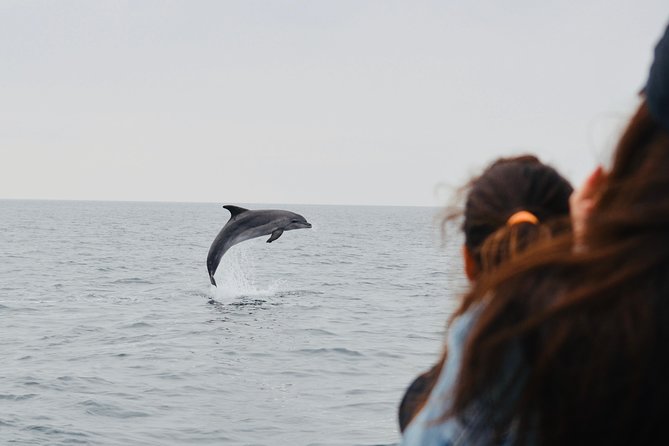
This trip is practical about what you need, especially for spring and autumn. You’ll want warm clothes, a waterproof jacket, and water. Pack layers. Even if you start warm on shore, the wind off the water can change the temperature fast.
Two other details can matter more than you think:
- No toilet on board. Plan for that before you leave.
- Shade is limited. On some trips, you might find not much cover from the sun or weather, so bringing something like a small seat cushion can help if you’re sensitive to sitting conditions.
Also remember: this is an outdoor boat trip. You’ll be standing or leaning forward at times while scanning for fins. Having something that keeps you warm and dry makes that part much more enjoyable.
When dolphins don’t show up: how the trip still holds value
You’re getting an 80% chance because the team is matching search effort with research presence. Still, wildlife is wildlife. Sometimes dolphins are present but keep their distance. Sometimes they don’t appear on the schedule of the day.
One thing I appreciate is that the experience doesn’t pretend dolphin watching is a guaranteed product. If you don’t see dolphins, you’re still on a boat tour operating in a protected marine area with structured education. The briefing and the conservation talk remain useful even when sightings are slow.
And if sea conditions prevent a safe experience, the guides can end the excursion early. The ticket cost could be reduced in that scenario. That’s one more reason to go in with a flexible mindset and treat the outing as time on the water with serious wildlife ethic, not as a vending machine for dolphin encounters.
Price and value: what $60.34 buys you
At about $60.34 per person for roughly three hours, this is priced like a focused, smaller-capacity wildlife experience. You’re not paying for a big-party sightseeing cruise. You’re paying for:
- a certified approach to animal welfare,
- research partnership through MareTerra NGO,
- and the added layer of identification and conservation interpretation.
If dolphins show up, the value feels even stronger because the trip gives you more than a passing glance. You get context, names and identification when available, and sound recordings that connect the surface behavior to how scientists study dolphins.
If dolphins don’t show, the value depends on your interest in marine conservation and education. If that’s your thing, you’ll probably feel like the briefing and the protected-coast setting were worth the time even without a perfect sighting.
Who should book this dolphin watching in Alghero
This works best for you if you want wildlife viewing with rules. You’ll like it if you care about how animals are treated and you want to understand what you’re seeing.
It also suits families. The activity is suitable for kids from age 5, and the pace is built around viewing and explanation rather than frantic stops. That makes it a good pick for mixed-age groups who still want something outdoors and memorable.
Sea lovers will enjoy it, especially if you don’t mind cooler weather. Spring and autumn aren’t a problem here. The whole format is designed for those seasons, with the right reminder to dress for the wind and water.
Should you book this Alghero dolphin watching trip?
I’d book it if you want an ethical, science-backed dolphin experience in a protected area, not just a generic boat ride. The small group size, the certified welfare standards, and the research elements like photo-identification and bioacoustic recordings make it feel like you’re gaining something, not just passing time.
Book with realistic expectations too. Dolphins are not on a schedule, and sea conditions can affect what happens. If you plan for that, you’ll appreciate the care the crew puts into both safety and animal respect.
If you’re choosing between a simple whale/dolphin tour and one with a research component, this is the kind that gives the sighting meaning.
FAQ
How long is the dolphin watching tour from Alghero?
It lasts about 3 hours (approximately).
Where do I meet, and does it return me there?
You meet at Via Giuseppe Garibaldi, 49, 07041 Alghero SS, Italy, and the activity ends back at the same meeting point.
What language is the tour in?
The tour is offered in English.
How many people are on board?
The experience has a maximum of 12 travelers.
Is it suitable for kids?
Yes. It’s suitable for children from age 5.
What should I bring for the boat trip?
Bring warm clothes, a waterproof jacket, and water.
Is there a toilet on board?
No, there is no toilet on board.
What happens if the tour is canceled due to weather or safety?
The tour requires suitable sea conditions and a minimum number of people. If it’s canceled due to poor weather, you can choose another date if available or receive a full refund. If the program must be ended early for safety or sea conditions, the ticket cost could be reduced.