REVIEW · ALGHERO
Alghero: Dolphin Watching Tour with Marine Researcher
Book on GetYourGuide →Operated by MareTerra Group SNC · Bookable on GetYourGuide
Dolphins off Alghero, with real scientists aboard.
This 3–4 hour boat outing from the port of Alghero pairs responsible dolphin watching with on-board research, so you’re not just looking—you’re learning what makes the local bottlenose dolphins tick.
I especially love how the team explains dolphin behavior in plain language while you’re out on the water. And I like that the tour is built around scientific data collection—you can even learn about photo-ID of dorsal fins while you watch.
One drawback to plan for: dolphins are wild and move far, so there’s always a chance you won’t spot any, and there’s no refund if no dolphins are seen.
In This Review
- Key things to know before you go
- Dolphin Watching with MareTerra ERC: Research You Can Feel
- Where the Boat Search Starts (and Why There’s No Fixed Route)
- How Responsible Dolphin Watching Works in Practice (HQWW®)
- The 3-Hour vs 4-Hour Experience: What Changes
- Snorkeling at Capo Caccia and Isola Piana (June–September)
- Boats, Comfort, and Sea Conditions: Plan Like a Local
- Price and Value: Why $59 Can Be a Smart Deal
- Who This Tour Suits Best (and Who Should Skip)
- Should You Book This Alghero Dolphin Watching Tour?
- FAQ
- How long is the tour?
- What months include snorkeling?
- Where do we meet in Alghero?
- Do I get snorkeling gear?
- Is responsible dolphin watching part of the tour?
- Are dolphins guaranteed?
- Is there a bathroom on board?
- What should I bring?
- Are drones allowed?
- What if weather cancels or changes the outing?
Key things to know before you go
- Certified responsible watching (HQWW®) means they follow a strict code to minimize disturbance
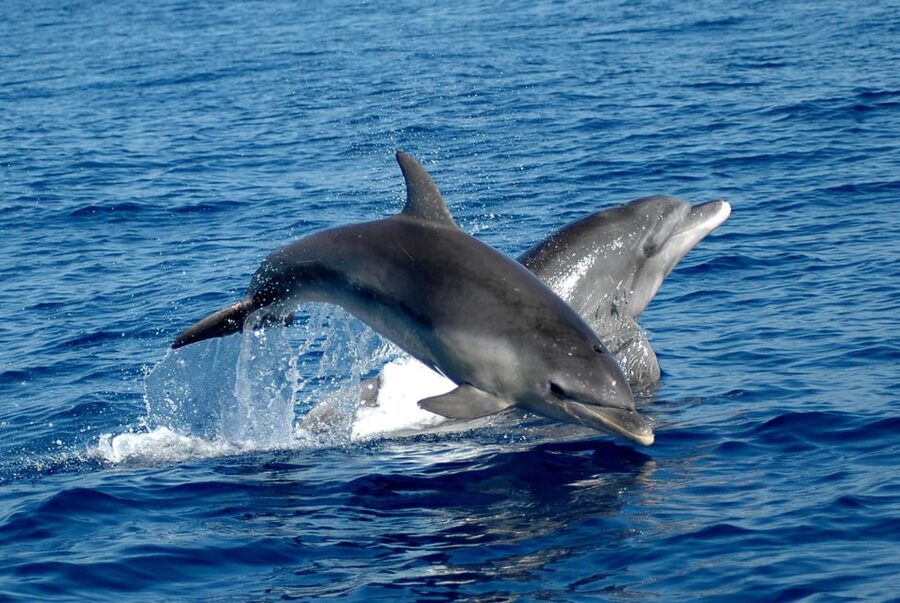
- 80% sighting success thanks to years of monitoring of this resident near-shore dolphin population
- Research in action: you may see photo identification, location tracking, and behavior notes being recorded
- Snorkeling is season-dependent: included only June to September in the Marine Protected Area
- No bathroom on board, so bring what you need and plan for a short, focused outing
Dolphin Watching with MareTerra ERC: Research You Can Feel
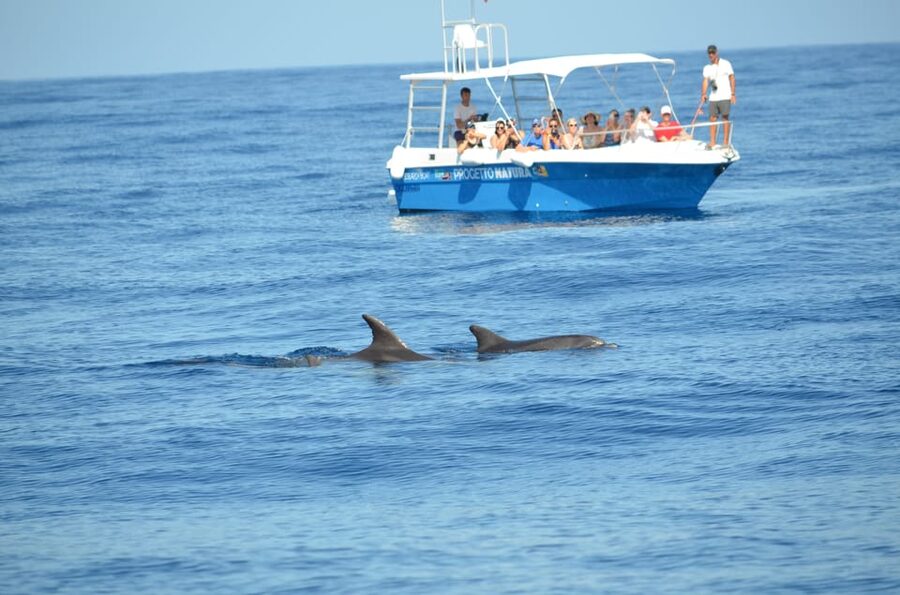
Alghero has a rare bonus: you can watch marine life with people who study it for a living. The MareTerra ERC team doesn’t treat dolphin spotting like a thrill ride. They treat it like fieldwork—careful, methodical, and guided by a responsibility-first code.
What you’re paying for isn’t just time at sea. It’s a guided chance to understand how bottlenose dolphins use the bay, where they travel, and how researchers track individual animals over time. You’ll also hear about the daily reality of wild dolphins: constant movement, changing conditions, and plenty of moments when the best you can do is wait and watch.
The experience is timed for real life at sea too. There’s a 3-hour option in April, May, and October, and a longer 4-hour version from June to September that adds a guided snorkeling stop. Either way, the boat ride is where the story starts—meeting the researcher, getting onboard, and then heading out based on monitoring results and the day’s sea conditions.
You can also read our reviews of more tours and experiences in Alghero.
Where the Boat Search Starts (and Why There’s No Fixed Route)
You’ll start at the meeting point in front of the Cicloexpress bike rental shop along Lungomare Barcellona promenade. A MareTerra ERC researcher meets you there and brings you to the boats, so you can skip the “where do I go” confusion.
Once you’re underway, there’s no rigid checklist like Go to Point A, then Point B. Instead, direction depends on recent monitoring and where dolphins have been moving, plus the current sea conditions. That flexibility matters. Dolphins don’t stay put, and neither should your search strategy.
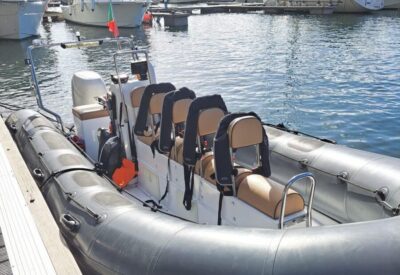
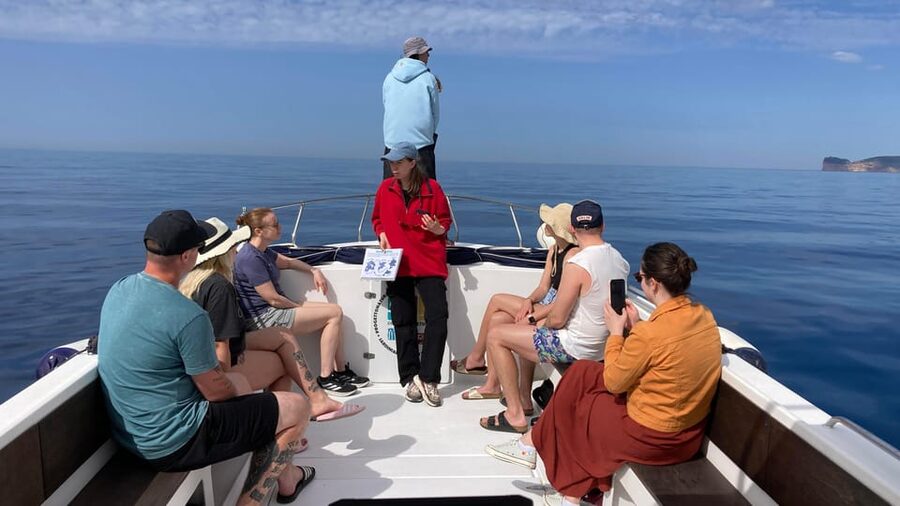
Also, the boat setup is made for this kind of work. These are built specifically for dolphin-watching activities and safe navigation in the Gulf of Alghero. Translation: you’re not hopping onto some random craft and hoping for the best. You’re on a vessel designed for marine viewing and field observation.
On the ride out, the guide shares findings about the resident bottlenose dolphins that live close to the coast. If conditions line up, you’ll get that satisfying moment of spotting them on-site, not just hearing about them secondhand.
How Responsible Dolphin Watching Works in Practice (HQWW®)
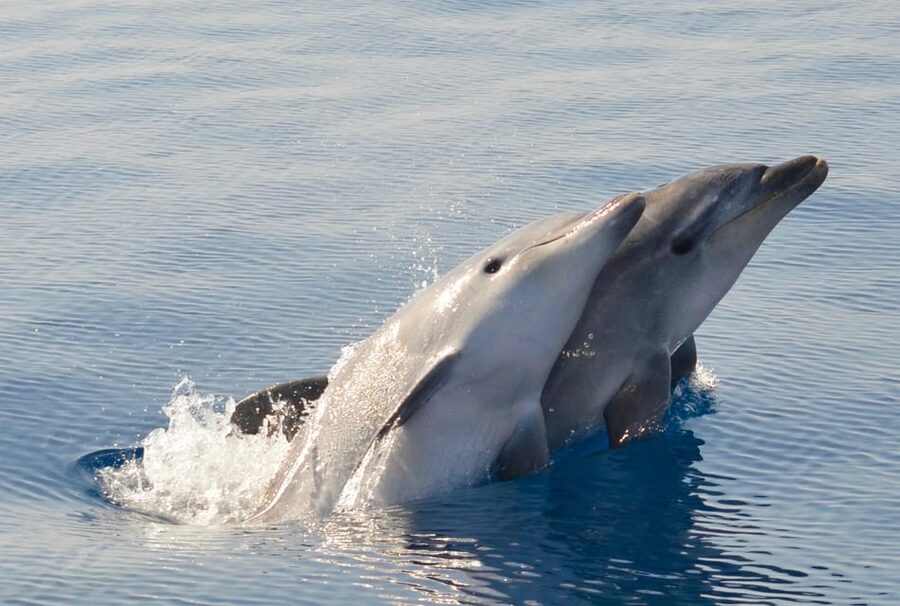
Here’s the core difference between this tour and the careless sort of dolphin encounter you see in some places: they follow a certified international code of conduct (HQWW®). That code is about limiting your impact on the animals, not just “being nice.”
When dolphins are spotted, the approach focuses on minimizing disturbance to daily life. In practical terms, that means the team behaves like researchers, not drivers trying to chase a photo. It’s a calmer style of observation, and it often makes sightings feel more authentic—like you’re observing behavior, not forcing an interaction.
What you’ll also see is the research part of the process while you watch. If dolphins are present, the team may use methods like:
- photo identification from dorsal fin patterns
- noting geographic location and movement
- recording behavior observations
That’s how a near-shore resident population gets monitored over time—and why this kind of tour can support conservation work rather than just provide entertainment.
If conditions allow, you may even listen to dolphin sounds using a hydrophone for bioacoustics research. It’s one of those moments that turns the dolphins from a visual subject into a living communicator.
The 3-Hour vs 4-Hour Experience: What Changes
Timing is everything here because it shapes what you do at sea.
3-hour dolphin watching runs in April, May, and October. You’ll focus on the main event: searching for the local bottlenose dolphins and learning about them with marine biologists. Expect plenty of time on the water, plus the chance to watch the researchers collecting data if dolphins are encountered.
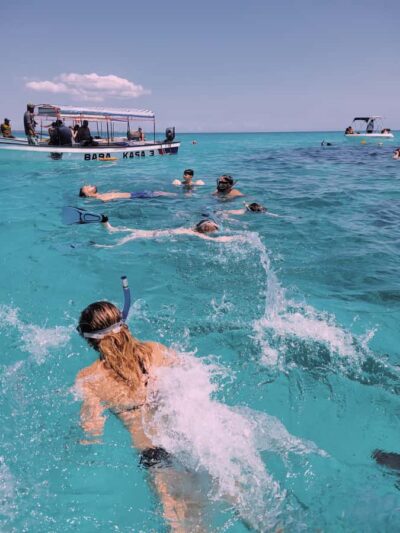
4-hour dolphin watching plus guided snorkeling runs June to September. After dolphin watching, you stop for one hour in the Marine Protected Area of Capo Caccia and Isola Piana. That’s where you switch gears from surface observation to underwater exploration with a guide.
If you’re traveling in summer, the snorkeling can be a strong add-on because it turns the day into a two-part marine experience: dolphins above, sea life below. In other months, the tradeoff is simpler: more time chasing dolphins and learning about them, but no snorkel stop.
Snorkeling at Capo Caccia and Isola Piana (June–September)
When snorkeling is included, it’s not an afterthought. The team stops in a Marine Protected Area, and snorkeling is guided. You’re provided with masks and fins on board for this part of the tour.
The tour time also keeps things realistic. You’re not stuck in the water for hours. You get a structured hour, with a guide there to point out what’s worth seeing and keep the experience moving safely.
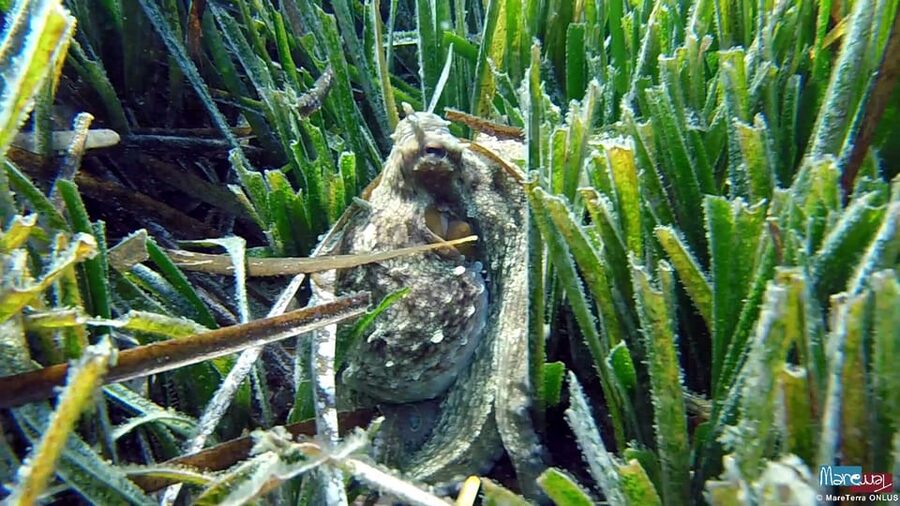
What you might spot depends on what’s there that day. Based on what people have described, it’s possible to see octopus during the snorkel. Even without specific species guarantees, the key benefit is having someone show you what to look for, instead of snorkeling “blind” and hoping for the best.
Logistically, come ready. The tour suggests bringing your beach towel and putting on your swimsuit in advance (June to September). Warm layers matter too, because the boat ride back can feel chilly even in summer, especially with cold Mistral winds possible.
Boats, Comfort, and Sea Conditions: Plan Like a Local
This is a small-boat experience, and that changes the comfort rules. There’s no bathroom on board, so plan around that before you leave shore. Also, there’s no food and drink included, so bring your own water and snacks only if you’re allowed on board under their rules (food isn’t listed as included, so you should expect to manage it yourself).
Clothing matters more than you’d think. Bring warm clothing and dress in layers, particularly in spring and autumn when weather can shift quickly. Even in summer, the Mistral winds can make the deck colder than you expect.
If you’re prone to seasickness, don’t ignore that. Some trips happen in rougher water, and since the boats are smaller, it can feel noticeable. If you know your limits, pack sea-sickness tablets or choose the calmer months if you can.
You’ll want essentials too: sunglasses, a hat, sunscreen, and a towel (especially for the snorkeling months). A camera helps, because you may get dolphin sightings close enough to make photos worthwhile—though the emphasis here is behavior and observation, not chasing perfect frames.
Price and Value: Why $59 Can Be a Smart Deal
At about $59 per person, this tour is priced like a mid-range activity, but it’s not just “a boat ride.” You’re paying for marine biologists on board, a responsible watching framework, and in-season access to a protected marine area.
A good way to judge value is to look at what’s included:
- Marine biologists of MareTerra ERC on board
- Certified interpretive nature guides
- Responsible dolphin-watching approach (HQWW®)
- Access to the Marine Protected Area for snorkeling season (June–September)
- Masks and fins for snorkeling (June–September)
- On-board insight into dolphin biology and behavior
Plus, there’s a conservation angle: your participation supports the research and conservation projects behind the sightings and data collection. That’s the part that tends to make people feel good about the experience, not just entertained by it.
One thing to keep it real: no dolphins means no refund. So for best value, go in with flexibility and patience, not with the mindset of a guaranteed encounter. The tour’s high sighting rate helps, but it doesn’t remove the wild-animal element.
Who This Tour Suits Best (and Who Should Skip)
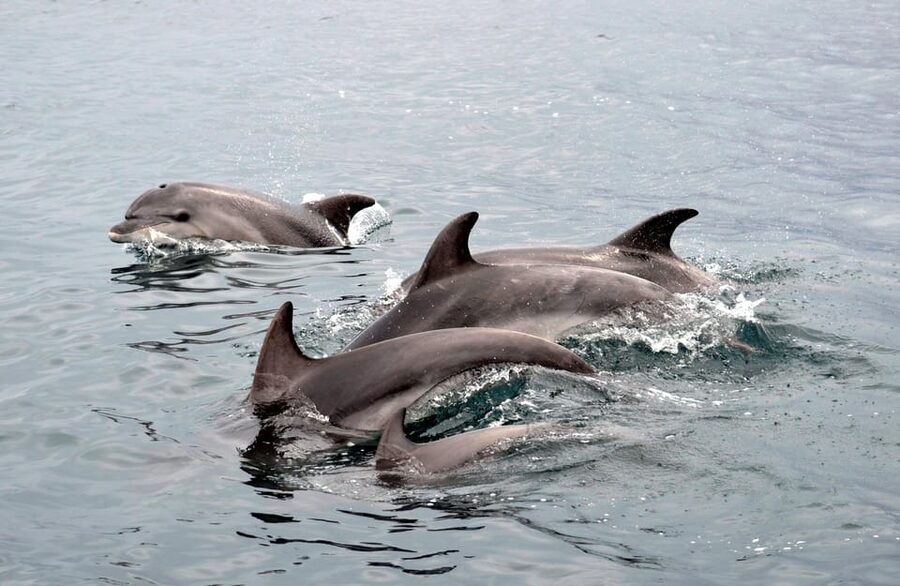
This is a great pick if you like the outdoors and you want more than a casual dolphin sighting. You’ll enjoy it if you care about how animals are studied and if you appreciate responsible wildlife viewing.
It’s also ideal for people who enjoy snorkeling with guidance. The guided stop in a protected area can make the water time feel purposeful instead of random.
It may not be a fit if you fall into any of these categories, based on the activity’s guidance:
- children under 5
- pregnant women
- people with heart problems
- people over 75
Also, if you’re counting on calm water and you’re very sensitive to motion, consider sea conditions carefully. Small boats + open sea can be unpredictable.
Finally, if you’re the type who needs constant certainty, adjust your expectations. Wild dolphins move, and sometimes you just don’t get them that day.
Should You Book This Alghero Dolphin Watching Tour?
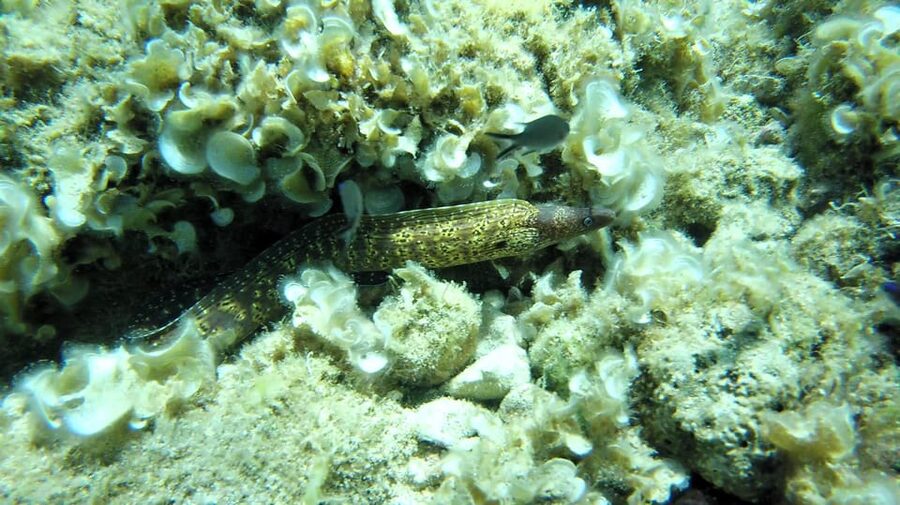
Book it if you want a dolphin experience that feels controlled in the right way—ethical, research-focused, and led by people who know the local bottlenose dolphins. The combination of responsible watching (HQWW®) and on-board data collection is what turns this into more than just sightseeing.
Skip it if you’re traveling with strict “must-see dolphins” expectations, or if you can’t handle small-boat conditions and the lack of onboard facilities. And if snorkeling is your main goal, plan around the June–September window for Capo Caccia and Isola Piana.
If you’re okay with a little uncertainty in exchange for a more meaningful encounter, this is a strong value way to spend half a day on Sardinia’s coast—watching dolphins in a way that supports real conservation work.
FAQ
How long is the tour?
The tour is 3 hours for dolphin watching in April, May, and October. It’s 4 hours in June to September when guided snorkeling is included.
What months include snorkeling?
Guided snorkeling in the Marine Protected Area is included from June to September only.
Where do we meet in Alghero?
You meet in front of the Cicloexpress bike rental shop along the Lungomare Barcellona promenade. A MareTerra ERC researcher meets you there and leads you to the boats.
Do I get snorkeling gear?
Yes, masks and fins are provided for the guided snorkeling portion (June to September).
Is responsible dolphin watching part of the tour?
Yes. The tour uses a certified responsible dolphin watching code (HQWW®) designed to minimize impact on dolphins.
Are dolphins guaranteed?
No. Sightings are reported as quite common (over 80% of tours), but dolphins are wild animals and may not appear on every outing. No refund is given if no sighting happens.
Is there a bathroom on board?
No. There is no bathroom on board.
What should I bring?
Bring warm clothing, sunglasses, a hat, sunscreen, and a towel. For the snorkeling months, bring your beach towel and have your swimsuit ready.
Are drones allowed?
No, drones are not allowed.
What if weather cancels or changes the outing?
The tour indicates free cancellation up to 24 hours in advance. In addition, weather can affect sea conditions, so be prepared for possible changes on the day you booked.