REVIEW · AUCKLAND
Auckland Dolphin and Whale Watching Eco-Safari Cruise
Book on Viator →Operated by Auckland Whale and Dolphin Safari · Bookable on Viator
Whales are the goal here, not the promise. This 4.5-hour Auckland eco-safari heads into the Hauraki Gulf Marine Park on a custom-built 65-foot catamaran, with marine research scientists onboard to explain what you’re seeing. I like that it’s built for real viewing, not a quick drive-by.
Two things I really like: the expert commentary (you’ll learn what species the crew is tracking and how the local research works), and the way the cruise often delivers top-notch dolphin time plus other wildlife like penguins and seabirds. The only real drawback to plan around is that sightings are never guaranteed, and some departures can be whale-light or whale-free.
In This Review
- Key Things I’d Circle Before You Go
- Fieldwork-Style Wildlife Viewing in the Hauraki Gulf
- The Boat Matters: Catamaran Comfort and Where You’ll Want to Be
- Wildlife You Can Look For (And What the Crew Will Actually Point Out)
- Your 4.5-Hour Route: What Each Stop Adds to the Day
- What Makes the Onboard Commentary Worth It
- Weather and Water: How to Stay Comfortable (Even When It’s Choppy)
- Price and Value: Is $135.91 a Good Deal?
- Who Should Book This Cruise (And Who Might Not Love It)
- Should You Book This Auckland Dolphin and Whale Watching Eco-Safari Cruise?
- FAQ
- How long is the Auckland Dolphin and Whale Watching Eco-Safari Cruise?
- What species can this eco-safari help you spot?
- Are whale and dolphin sightings guaranteed?
- What happens if you don’t see marine mammals?
- Where does the cruise depart from in Auckland?
- What boat will you be on?
- Is food included in the ticket price?
- How large is the group?
- What should you bring or wear for the trip?
- Is mobile ticketing used?
Key Things I’d Circle Before You Go
- Marine research scientists onboard explaining ongoing work in the Hauraki Gulf
- A custom-built 65-foot (20-meter) catamaran designed for good wildlife viewing
- Chance to see up to six types of whales plus dolphins, seals, penguins, and seabirds
- Scenic route through Auckland’s harbors and islands, including Rangitoto and Tiritiri Matangi
- If you don’t see marine mammals, you can return another day at no extra charge
- Small-to-midsize group feel with a maximum of 99 travelers
Fieldwork-Style Wildlife Viewing in the Hauraki Gulf
Auckland’s waterfront can look like any big city’s harbor from shore. Out on the water, it turns into something else. This cruise runs through the Hauraki Gulf Marine Park, a place known for strong biodiversity and multiple marine preserves, with islands right where you want to spot marine life.
What makes this experience different from the run-of-the-mill whale watching is the emphasis on research and conservation. Your ticket directly supports marine mammal conservation, and the crew includes marine research scientists who share what they’re collecting and how the work connects to protecting animals and their habitats. You’ll hear why the Gulf matters, not just what animals might appear.
You can also read our reviews of more tours and experiences in Auckland.
The Boat Matters: Catamaran Comfort and Where You’ll Want to Be
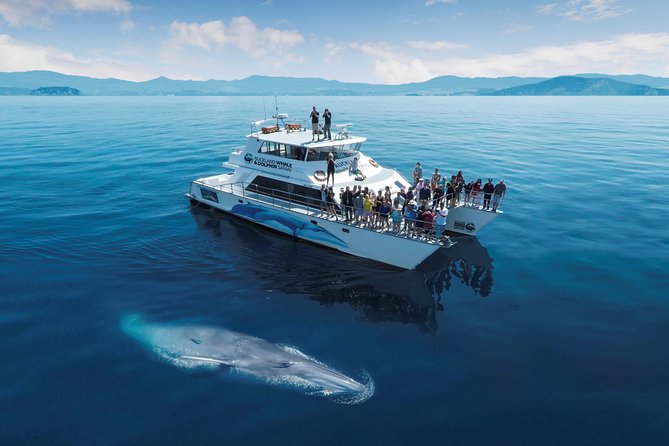
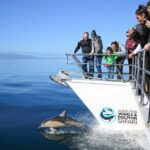
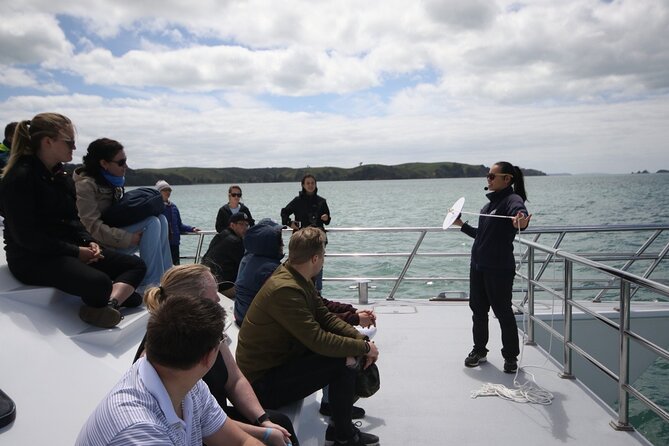
This is a custom-built 65-foot (20-meter) catamaran, and the setup is clearly meant for wildlife watching. You can view from inside and outside, which matters because Auckland weather can flip fast. If it’s sunny, you’ll want the deck. If it’s windy or wet, inside gives you a place to ride it out without losing the view.
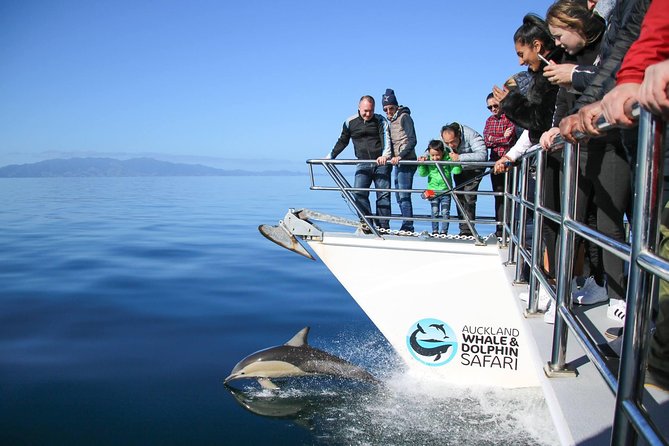
One practical tip from real-world experience on boats like this: the front area tends to draw attention when dolphins come close. In calm moments, people often rush toward the best angles, and you’ll notice fast how quickly the best photo spots get crowded. If you want pictures, aim for a spot near the action, then be ready to rotate when the crowd shifts. The crew does try to keep things fair when pods show up.
The boat can feel busy at peak times. With a maximum of 99 travelers, you may have periods where you’re packed in, especially if it starts raining and everyone tries to shelter in the same zones. It doesn’t ruin the trip, but it does affect comfort and how easy it is to move around for photos.
Wildlife You Can Look For (And What the Crew Will Actually Point Out)
Let’s talk targets. The Gulf supports a mix of marine mammals and birds, and the crew is set up to help you identify what’s around you.
You’re in the right place for:
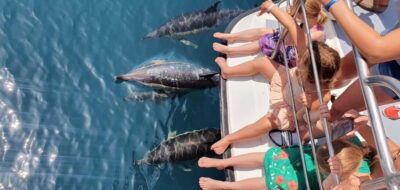
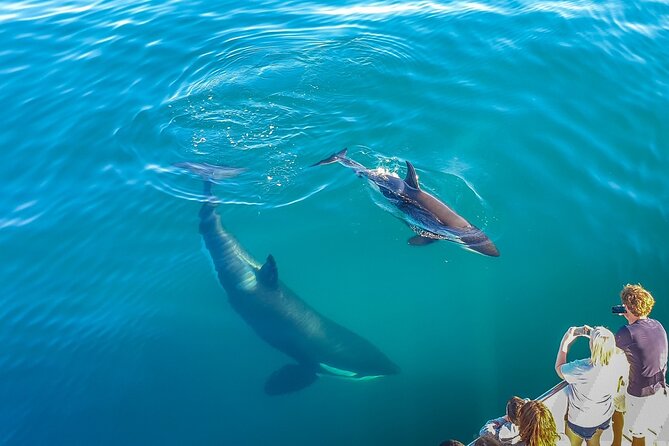
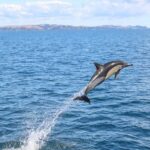
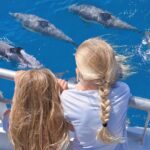
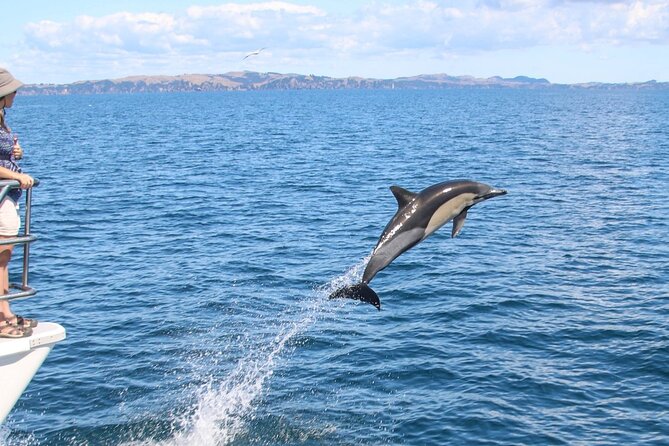
- Dolphins: bottlenose dolphins often show up in pods, and you may see them repeatedly as the cruise moves.
- Whales: The cruise is designed to spot Bryde’s whales and the broader program tracks multiple whale types. The info you get onboard will include which whales the crew is actively looking for.
- Seals and seabirds: You can spot seals and seabirds like Australasian gannets, petrels, shearwaters, and white-fronted terns.
- Penguins: Be ready for blue penguins if conditions line up and the birds are active.
Here’s the honest expectation: dolphins are typically more reliable than whales. Reviews from past departures back up the pattern—many people come away with lots of dolphin time, while whale sightings can be more variable day to day. That variability is normal for wild animals, even with a strong search effort.
Your 4.5-Hour Route: What Each Stop Adds to the Day
This isn’t a single-viewpoint cruise. It’s a moving route that strings together harbors, islands, and the broader Hauraki Gulf wildlife area.
Stop 1: New Zealand Maritime Museum (Viaduct Harbour)
This is where you meet the crew. It’s a good place to get your bearings before you board. If you’re using binoculars, it’s also where you can test your viewing angle and confirm your camera settings before you’re out in open water.
Stop 2: Viaduct Harbour
This is the “downtown Auckland” starting point. You’ll leave from the Viaduct Harbour area, so you begin with city energy and clear water views right away. If you like getting your eyes adjusted to the motion and horizon early, this start helps.
Stop 3: Auckland Harbour Bridge
As you pass by, you’ll get a sense of scale: Auckland’s geography feels dramatic from the water. It’s also a useful navigation landmark as the route builds toward the Gulf.
Stop 4: Rangitoto Island
Rangitoto is one of those places you recognize even if you’re not sure why. From the water, the island becomes part of the visual “frame” for the wildlife search. I like this section because it’s scenic enough that even quiet stretches don’t feel wasted.
Stop 5: Waitemata Harbour
This is the transition zone from the built-up harbor area toward the more open marine park waters. If you’re hoping for smoother motion, you often feel the change here first—sometimes it’s easy, sometimes you feel the real Gulf conditions.
Stop 6: Hauraki Gulf Marine Park
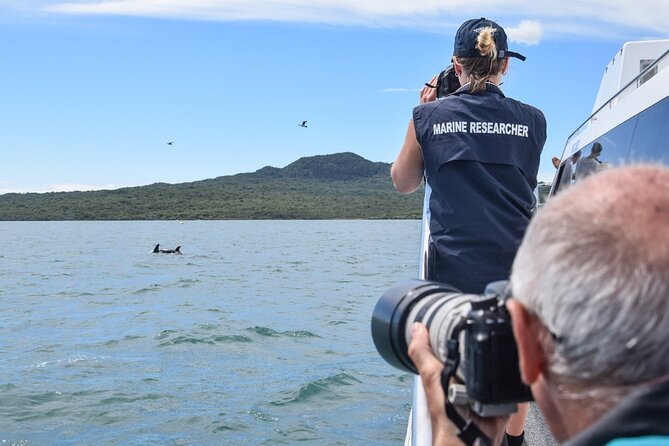
This is where the search effort is focused. This is the stretch where you’ll pay attention to what the scientists and guides are tracking. The commentary helps you read the water and birds faster, so you spend less time guessing.
Stop 7: Auckland Whale & Dolphin Safari (main viewing period)
This is the core of the cruise, where you’ll look for marine mammals and seabirds. When dolphins show up, you’ll feel the whole boat get alert fast. When whales appear, it’s all about patience and staying in the right viewing zone without pushing animals or crowds.
Stop 8: Motuihe Island
From here, you get more island scenery while the cruise continues its pattern of scanning for wildlife. Islands can be hotspots for birds, and they give you a sense of how close the marine world is to Auckland’s shores.
Stop 9: Motutapu Island
This stretch keeps the island-and-water visuals going while you move deeper into the Gulf experience. If you love bird activity, keep your eyes up as the route changes.
Stop 10: Tiritiri Matangi Island
Tiritiri Matangi is one more major landmark on the route. It helps break up the day and keeps the scenery interesting even if sightings are spaced out.
Stop 11: North Head Historic Reserve
This is part of the return feel: you’re moving back toward Auckland with one last look at the coastline. It’s also a nice point for final photos and bird spotting as you wrap up.
What Makes the Onboard Commentary Worth It
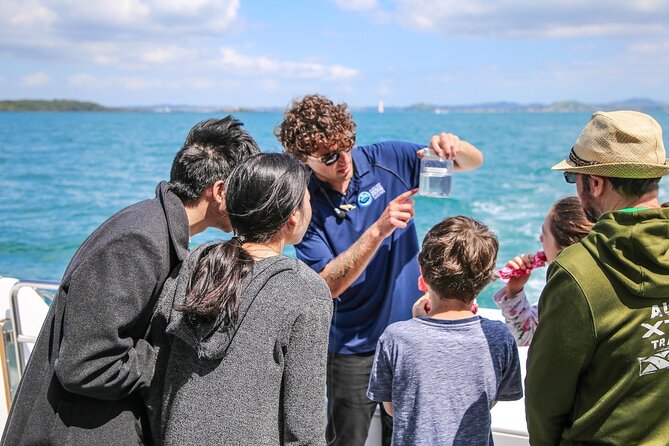
This cruise is built around expert marine interpretation, and that matters more than you might think. When the scientists talk about what whales the crew tracks, and what behaviors you should watch for, you stop treating sightings like random luck.
You’ll get guidance on:
- how pods may move and appear repeatedly
- how seabirds can signal activity in the area
- how local research fits into marine mammal conservation
Even on days when whales don’t show, this kind of commentary helps you enjoy the trip as a wildlife experience, not just a whale checklist.
Weather and Water: How to Stay Comfortable (Even When It’s Choppy)
Auckland can hand you a “nice day” and then rewrite the script. Your best defense is packing and layering.
Plan for:
- warm layers plus weatherproof gear (wind and spray happen)
- a sun hat with a chin strap (wind can steal light hats)
- sunscreen and sunglasses
- camera and binoculars if you have them
- flat-soled, sturdy shoes for deck movement
Sea conditions can change your comfort level quickly. On calmer mornings or afternoons, the cruise often feels smooth and easy to watch. On rougher days, you’ll still see wildlife, but you’ll notice the boat motion more, especially if you’re on an outside deck for long periods. The good news is the crew does the job of positioning the boat for viewing while keeping an eye on wildlife stress.
Price and Value: Is $135.91 a Good Deal?
At $135.91 per person for about 4.5 hours, this isn’t the cheapest thing in Auckland. The value is in what’s included and what you support.
Here’s where the money goes:
- You’re paying for a guided eco-safari with local marine research scientists onboard.
- Your ticket contributes directly to marine mammal conservation.
- The boat is designed for wildlife viewing (inside and out, with space for watching).
- If you do not see any marine mammals, you can go again another day at no extra charge.
You also avoid a common hidden cost: you don’t have to hire additional guiding or tours to understand what you’re seeing. Food and drinks aren’t included, but snacks and drinks are available to purchase onboard, so you’re not stuck hunting for a meal at a bad moment.
If your main priority is a guaranteed whale show, you may feel frustrated. If your priority is the best chance for dolphins and the most educational, conservation-minded way to scan the Gulf, this price starts to make sense.
Who Should Book This Cruise (And Who Might Not Love It)
This tour is a great fit if you:
- want a research-based whale and dolphin experience, not just a sightseeing ticket
- like learning bird and marine mammal identification
- enjoy being out on the water for multiple viewing zones
- are okay with the wild-animal reality that whales may be elusive
It might be less satisfying if:
- you’re only interested in whales and would feel disappointed without them
- you dislike crowds on a boat during peak times (you can still enjoy it, but it’s not a quiet private tour)
- you can’t handle choppy water and don’t want to layer up for wind
Should You Book This Auckland Dolphin and Whale Watching Eco-Safari Cruise?
I think you should book if you’re coming to Auckland with one clear goal: spend real time in the Hauraki Gulf Marine Park and understand what you’re seeing. The onboard marine research focus, the strong dolphin odds, and the chance to see other wildlife like blue penguins and seabirds make it more than a single-species gamble.
If you’re whale-only, go in with flexibility. Even then, you’re still buying a guided marine experience with good scenery, expert interpretation, and a no-extra-charge return option if marine mammals don’t show up.
If this sounds like your kind of day on the water, it belongs on your short list.
FAQ
How long is the Auckland Dolphin and Whale Watching Eco-Safari Cruise?
The cruise is about 4 hours 30 minutes.
What species can this eco-safari help you spot?
You can look for whales, dolphins, seals, and rare seabirds, with the cruise designed to view up to six types of whales plus dolphins and other marine life.
Are whale and dolphin sightings guaranteed?
No. Wildlife viewing cannot be guaranteed, though dolphins and whales are often in these waters.
What happens if you don’t see marine mammals?
If you don’t see any marine mammals during your trip, you can return another day at no extra charge.
Where does the cruise depart from in Auckland?
It departs from Viaduct Harbour in downtown Auckland (meeting at the Eastern Viaduct area near the New Zealand Maritime Museum).
What boat will you be on?
You board a custom-built 65-foot (20-meter) catamaran.
Is food included in the ticket price?
No. Food and drinks are not included, but they are available to purchase onboard.
How large is the group?
The cruise has a maximum of 99 travelers.
What should you bring or wear for the trip?
Dress in warm layers and weatherproof gear, and bring sun protection like a hat, sunscreen, and sunglasses. Flat-soled shoes, a camera, and binoculars are also recommended.
Is mobile ticketing used?
Yes, the tour features a mobile ticket.