REVIEW · AUCKLAND
Auckland: Whale and Dolphin Watching Half-Day Eco Cruise
Book on GetYourGuide →Operated by Auckland Whale & Dolphin Safari · Bookable on GetYourGuide
Dolphins, right off the city. This half-day eco-cruise takes you from Auckland’s waterfront into the Hauraki Gulf Marine Park, where Dolphins and other wildlife often show up close to land. I like that the route builds in great scenery too, including Rangitoto Island and North Head as you head out.
What makes this tour really work is the human factor: the skipper and marine research team keep the trip lively with hands-on science talk and smart wildlife guidance. I also appreciate the way they mix animal viewing with research—people I noticed by name include Emily, Sanaa, John, Joseph, Toni, Brittany, Jo, and George.
One possible drawback: sightings are never guaranteed, and if seas get choppy you’ll want that showerproof jacket and a sense of humor about getting wet. (Good news: you can go again for free if you don’t see marine mammals.)
In This Review
- Key things that make this cruise worth your time
- From Eastern Viaduct to the Hauraki Gulf: a smooth start
- Luxury catamaran comfort on the Dolphin Explorer
- What you’re really hunting: orcas, dolphins, whales, and sea birds
- Rangitoto and North Head: the scenery that earns its screen time
- How the scientists and skipper turn sightings into lessons
- Second cruise for free: how they handle the odds
- Weather and motion: how to prepare without overthinking
- Food, drinks, and what to bring for better wildlife viewing
- Price and value: is $130 reasonable for Auckland?
- Who this cruise is best for (and who should skip it)
- Should you book the Auckland Whale and Dolphin Eco Cruise?
- FAQ
- How long is the Auckland whale and dolphin eco-cruise?
- Where exactly do I meet the boat?
- When should I arrive for check-in?
- Are orcas and bottlenose dolphins guaranteed?
- What happens if I don’t see any marine mammals?
- Is food included in the ticket price?
- What should I bring for the trip?
- Can children go on this cruise?
- Is the boat wheelchair accessible?
- Is the cruise okay during pregnancy?
Key things that make this cruise worth your time
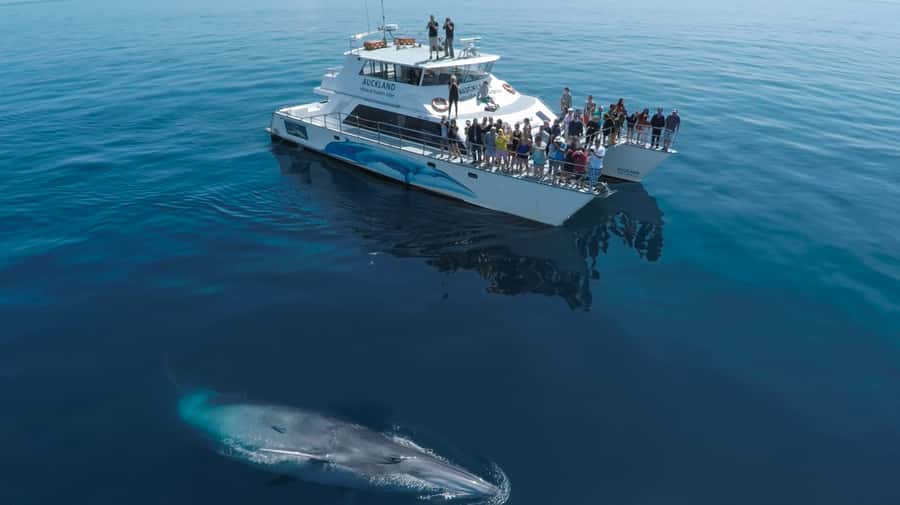
- Up-close chance at orcas and bottlenose dolphins near the city, from a purpose-built 65-foot catamaran
- Rangitoto Island and North Head/Devonport views without rushing your Auckland day
- Marine research commentary on board, with skipper-led narration plus science staff
- Conservation impact tied to your ticket through the Hauraki Gulf Guardians fund
- A second cruise if you miss marine mammals, so your odds feel fairer
- Comfort and visibility that feels less crowded than the classic big-boat whale-watch
From Eastern Viaduct to the Hauraki Gulf: a smooth start
This cruise meets at Berth 9, Eastern Viaduct Marina, right by the Maritime Museum area. You’ll head in from the end of Quay Street toward the west side, and you’ll check in with the crew at the top of the boarding ramp. Plan to arrive about 30 minutes before departure, since check-in closes 15 minutes prior.
The timing is a big deal. At 270 minutes (about 4.5 hours), it fits neatly between other Auckland plans without forcing you into a full-day outing. It’s also a smart move if you’re trying to squeeze in wildlife without spending hours commuting out of town.
Once you’re on board, you’ll get that quick “getting oriented” phase: short passes by landmarks like North Head/Devonport and Rangitoto Island. It’s not just a warm-up for later sightings. These areas help explain how the Gulf’s coastline, currents, and habitats shape where animals feed and travel.
You can also read our reviews of more tours and experiences in Auckland.
Luxury catamaran comfort on the Dolphin Explorer
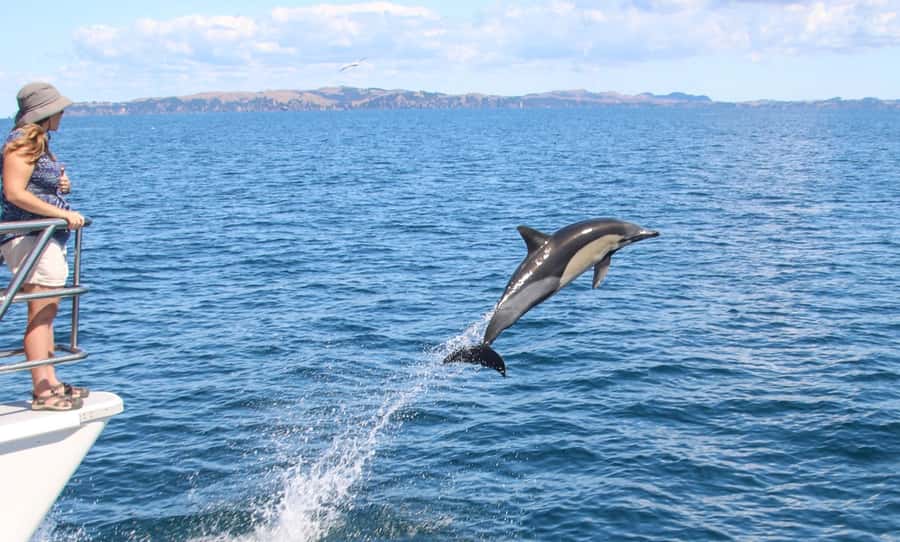
The boat is the Dolphin Explorer, a 65-foot luxury catamaran designed for good viewing. This matters because whale and dolphin watching is basically two problems: finding animals, and keeping everyone able to see them. Many people note that the vessel isn’t huge and feels roomy enough to get a clear line of sight over the edge.
That “space to see” changes the whole experience. When wildlife appears, you don’t want to be stuck craning your neck or squeezing past strangers. A smaller-feeling boat also makes it easier for the guide to speak and keep the group engaged when the action starts.
Comfort is also practical. You’ll be out on open water, so warm layers matter as much as attitude. Bring your showerproof jacket, hat, sunscreen, and anything that makes you comfortable staying outside for long minutes at a time—especially if the wind picks up.
What you’re really hunting: orcas, dolphins, whales, and sea birds
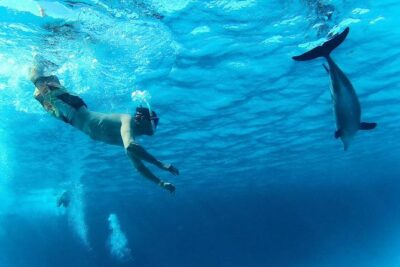
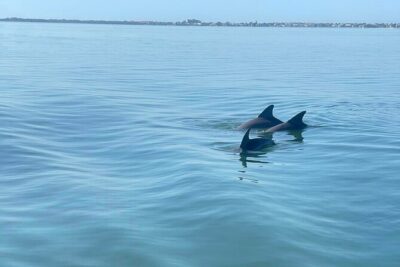
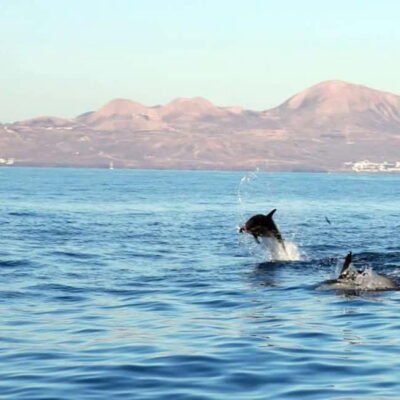
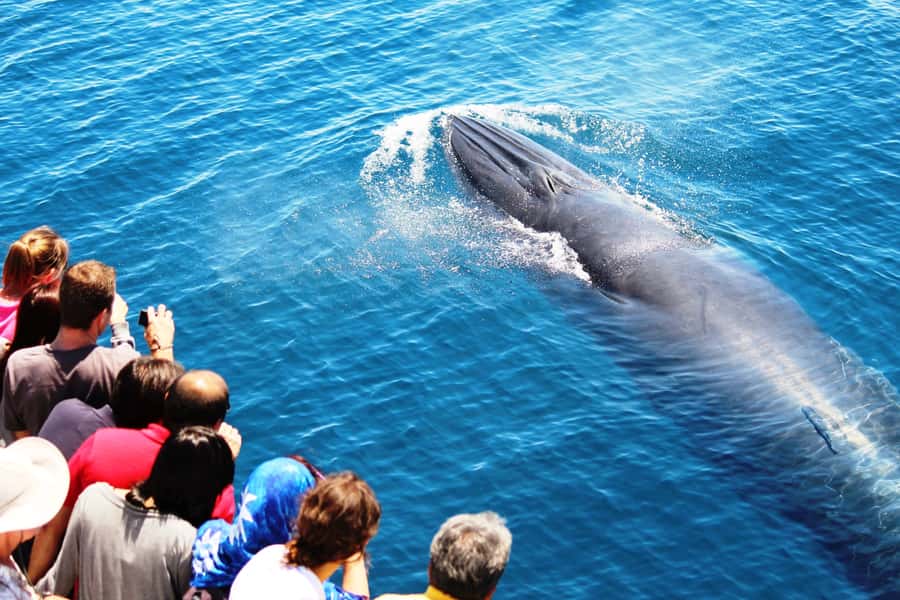
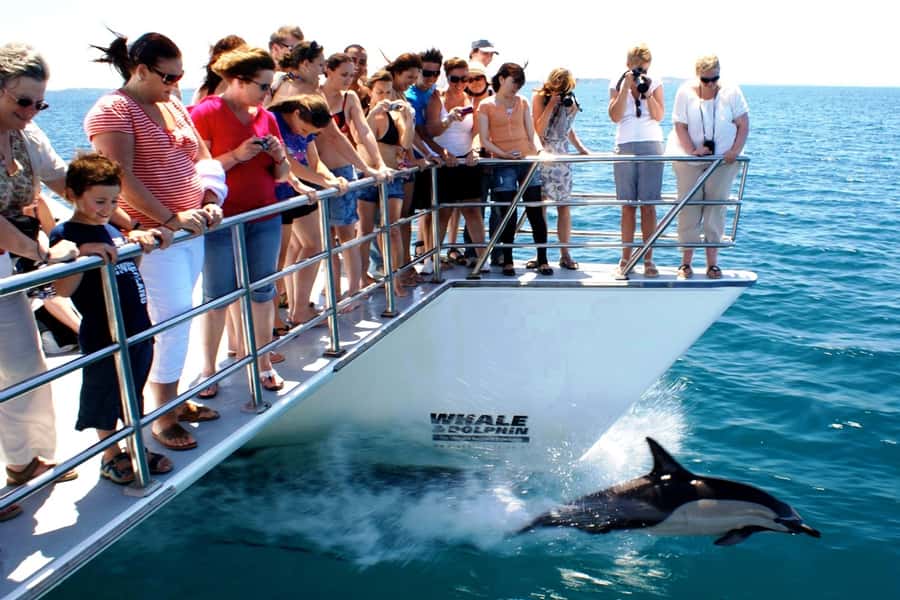
This trip’s headline targets are orcas and bottlenose dolphins, which visit waters close to Auckland often enough to make the search worthwhile. You’re also set up for whale watching in the wider Hauraki Gulf Marine Park area. The key point to remember is simple: you can control what you bring. You can’t control the animals.
In real life, that means your day might be heavy on dolphins and sea birds, or it might include whales too. The pattern I saw in outcomes is that dolphins are the most consistent payoff, with whales showing up more randomly. People have also reported sea birds like gannets and other types of coastal birds, sometimes with penguins popping up depending on conditions.
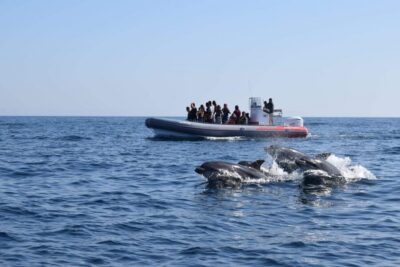
One reason this tour feels different from the usual “spot and hope” is how the boat’s design is meant to get closer than some other operations. When animals are near, that extra closeness can turn a distant speck into real behavior—breathing, surfacing patterns, and the way dolphins move around the vessel. Just remember that the crew keeps distance and follows safe, ethical viewing practices.
You might also see other marine life beyond the main targets—some days include sharks in the mix. If it happens, it’s usually a bonus, not the plan.
Rangitoto and North Head: the scenery that earns its screen time
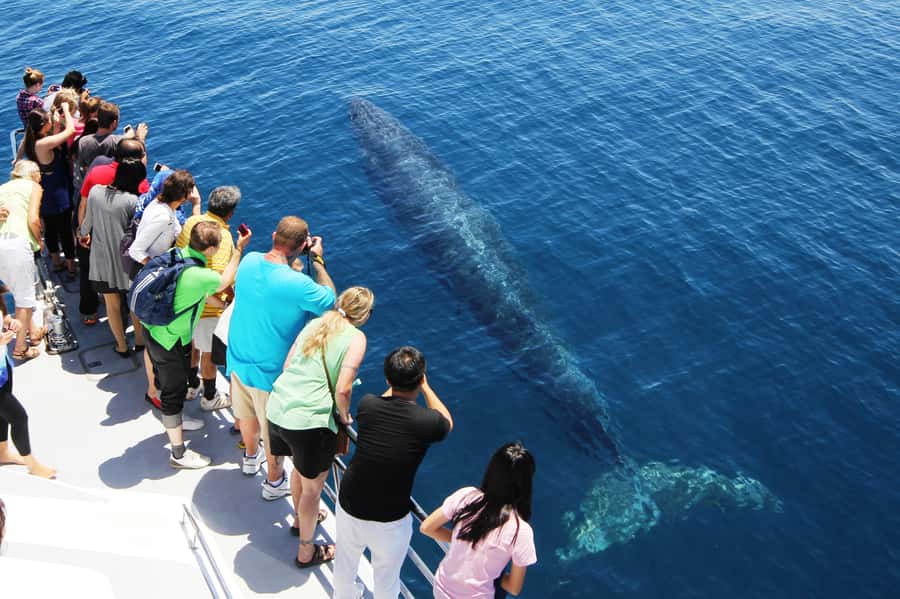
Even if you think you’re coming only for marine mammals, the scenery is part of the value. You’ll cruise past North Head/Devonport and out toward Rangitoto Island, which frames the harbor like a natural landmark you’ll recognize on your way in.
This helps you enjoy “in-between time.” Wildlife sightings can be spaced out. During the slower minutes, you still get something worth watching: island shapes, the working coastline feel, and wide water views that make Auckland’s geography click. It’s the kind of background that makes your photos look like you went somewhere bigger than a marina.
If you’re the kind of traveler who gets restless waiting for the moment, the route here helps. You’re not stuck staring at one direction for hours. The boat’s movement and coastline context keep the trip feeling active.
How the scientists and skipper turn sightings into lessons
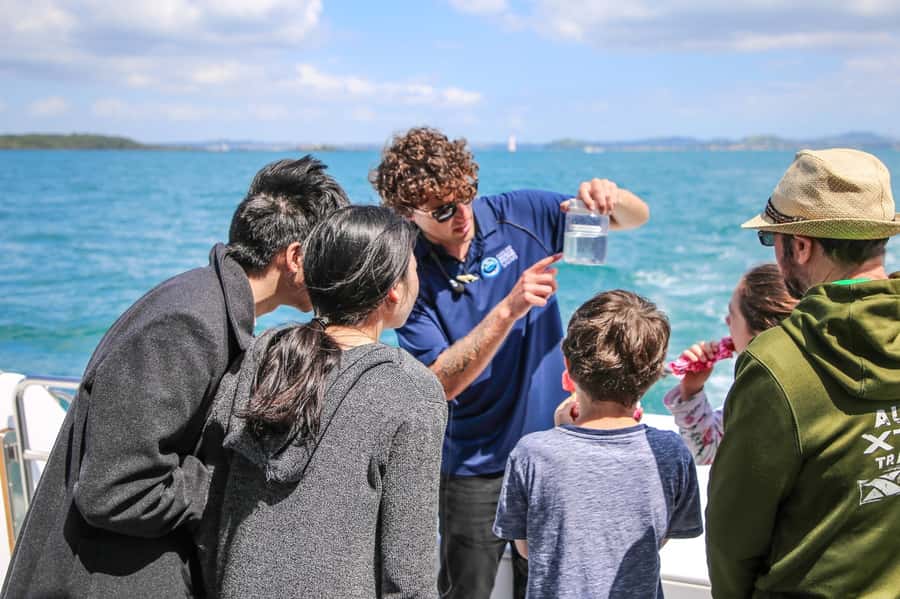
The best whale-and-dolphin days aren’t just about spotting animals. They’re about understanding what you’re looking at, and this cruise leans hard into that.
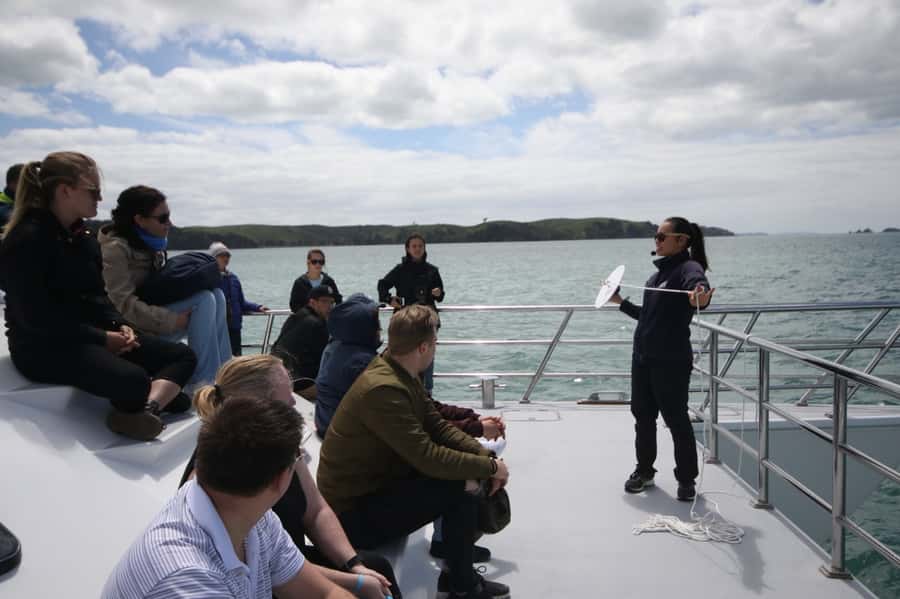
You’ll hear expert commentary from the skipper and interact with marine research scientists on board. That usually means two things: clear explanations of what species you might see and how they behave, plus context about the Gulf ecosystem that makes the sightings feel less random.
People have described the science component as including plankton-focused research moments, and you may see short science steps during the trip (like a quick sampling stop). Even if you’re not a “science person,” that’s useful because it explains why the crew is paying attention to the conditions around you—not just the animals.
Ethics are part of the story too. The crew’s job isn’t to chase animals closer. It’s to watch responsibly and share what’s happening while keeping a safe distance.
On the way back, there’s often a recap presentation that helps connect the day’s sightings to ongoing research. It’s a nice way to leave with something you can talk about later—not just a handful of photos.
Second cruise for free: how they handle the odds
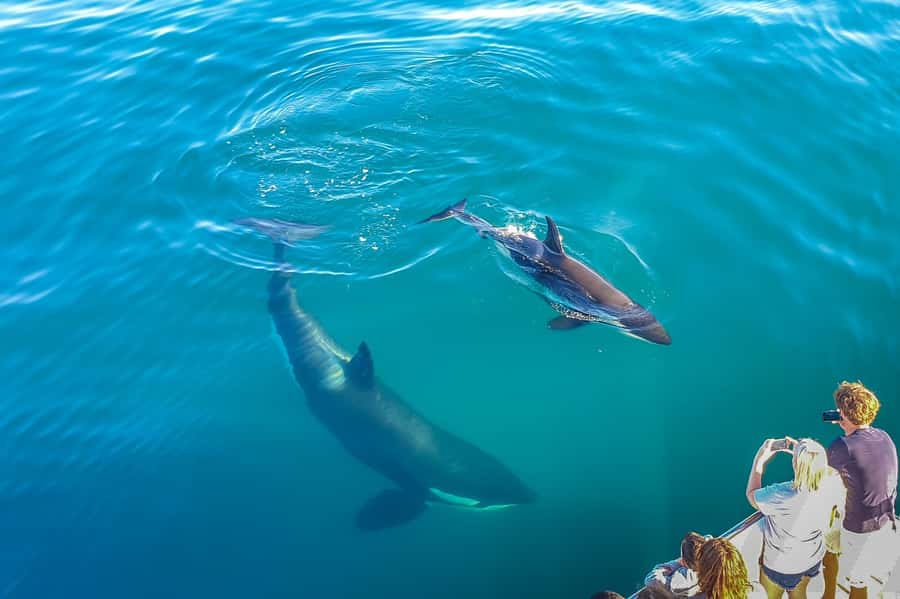
Let’s talk about the elephant in the water: you could miss whales or dolphins on any given day. This tour handles that reality with a straightforward safety net—if you don’t see marine mammals, you can take the cruise again for free.
That’s a big part of the value in a city like Auckland, where whale watching is weather-dependent and sightings aren’t guaranteed. It turns the “lottery ticket” feeling into something closer to reasonable risk.
Still, keep your expectations grounded. The second cruise helps, but you still don’t get to demand specific species. Plan to enjoy what you do see: dolphins, sea birds, and the Gulf itself are part of the experience whether whales show up or not.
Weather and motion: how to prepare without overthinking
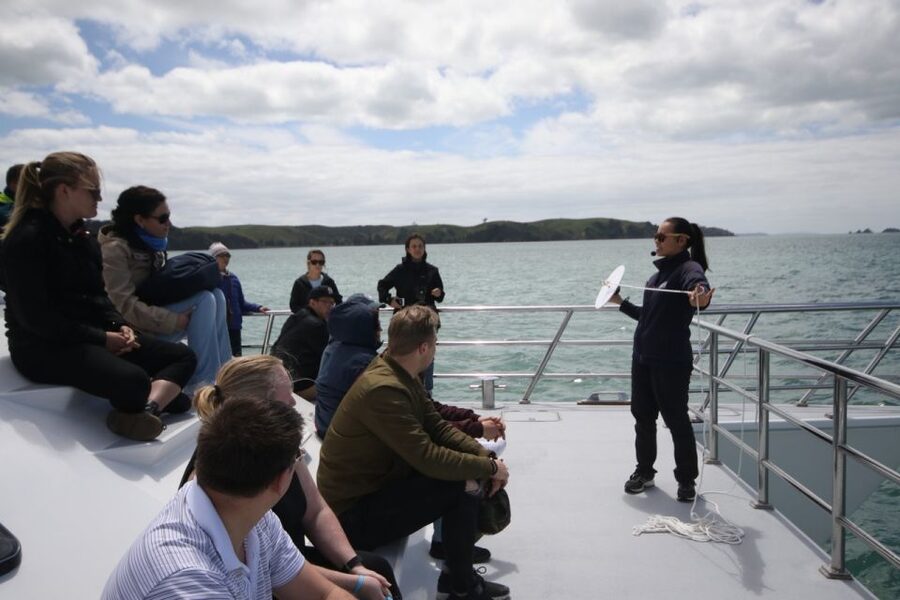
New Zealand water can change fast. Wind and sea conditions can make the ride more intense, and the provider reserves the right to cancel a trip due to wind, weather, or sea conditions for safety.
So your best prep isn’t fancy. It’s basic kit and smart timing. Wear warm clothes. Bring a showerproof jacket. Add a hat for sun breaks. Sunscreen is worth it even when it looks cloudy.
If you’re prone to motion sickness, take sea-sickness medication ahead of time, not after you’re already regretting the decision. This is one of those trips where being prepared makes the difference between “I’m toughing it out” and actually enjoying the science talk and wildlife viewing.
If you’re traveling with kids, note that unaccompanied minors aren’t allowed. Also, children under 5 can join only with close supervision. Practical reality: younger kids can be loud, and that can make it harder to hear commentary when everyone is excited at the same time.
Food, drinks, and what to bring for better wildlife viewing
Food and drinks aren’t included, but you can buy a small range of snacks, hot food, and drinks on board. Beer and wine are available too. That’s handy if you want a warm drink mid-trip—especially on cooler days.
For wildlife viewing, the “bring list” matters. You’ll want:
- Camera (with charged batteries)
- Binoculars if you have them
- Showerproof jacket and warm layers
- Sun hat and sunscreen
- Personal medication and sea-sickness medication if needed
If you want better photos, bring any extra lens support you have and be ready to shoot quickly when the crew spots something. Wildlife moments can be short, even when it’s dramatic.
Price and value: is $130 reasonable for Auckland?
At $130 per person, this isn’t a budget activity. But half-day duration, a luxury catamaran, expert commentary, and the built-in conservation impact make it more than a simple sightseeing boat.
Here’s the value math I’d use:
- You’re paying for access to a marine eco-safari in a marine park with strong wildlife odds close to the city.
- You’re paying for a boat designed for visibility, plus interpretation from the skipper and marine research team.
- You get a second cruise if marine mammals aren’t seen, which reduces the odds-burn a lot of tours ignore.
- A dollar from each ticket supports the Hauraki Gulf Guardians fund, tied to regeneration and protection work.
If you’re the type who wants comfort and guidance, the price starts to make sense. If you only want casual boating with minimal chance of a wildlife payoff, there are cheaper harbor cruises in Auckland. But if your goal is actually orcas/dolphins and understanding the ecosystem behind them, this is one of the better ways to spend a few hours.
Who this cruise is best for (and who should skip it)
This tour is a strong fit if you:
- Want a half-day activity that doesn’t steal your whole day
- Care about animals in the wild, with real science behind the talking
- Appreciate responsible viewing and distance rules
- Like having a second chance built in if sightings don’t happen
It might be less ideal if:
- You’re sensitive to motion and haven’t planned for it
- You need wheelchair access (the vessel is not wheelchair accessible due to stairs and narrow doorways)
- You’re heavily pregnant (not suitable for heavily pregnant women)
If you’re visiting Auckland with limited time and you want an experience that feels distinctly New Zealand—marine life, research, and the Gulf’s coastline all together—this is a smart pick.
Should you book the Auckland Whale and Dolphin Eco Cruise?
I’d book it if you want a practical wildlife outing that feels ethical, educational, and well-run. The biggest reasons are the strong chance of dolphins, the real science input from the crew, and the free second cruise if you miss marine mammals.
You’re also getting worthwhile Auckland views on the way out, so you’re not trapped waiting for the perfect sighting. Pack warm layers, protect yourself from wind and spray, and show up ready to enjoy what the Gulf gives you that day.
If your top priority is whales specifically, accept that it can still be a luck-based search. But even when whales don’t show, a day with dolphins, sea birds, and knowledgeable people pointing out what’s happening around you is still a very good use of half a day in Auckland.
FAQ
How long is the Auckland whale and dolphin eco-cruise?
The cruise runs for 270 minutes, which is about 4.5 hours.
Where exactly do I meet the boat?
You’ll meet at Berth 9, Eastern Viaduct Marina. It’s accessed from the end of Quay Street heading west, opposite the Maritime Museum.
When should I arrive for check-in?
Check in is 30 minutes before departure, and check-in closes 15 minutes prior to trip time.
Are orcas and bottlenose dolphins guaranteed?
No marine animal sightings are guaranteed, but the trip focuses on orcas and bottlenose dolphins that regularly visit the waters close to Auckland.
What happens if I don’t see any marine mammals?
If you don’t see any marine mammals, you can take the cruise again for free.
Is food included in the ticket price?
No. Food and drinks are available to purchase on board.
What should I bring for the trip?
Wear warm clothes and bring a showerproof jacket, sun hat, sunscreen, a camera, and binoculars if you have them. Bring personal medication if needed and sea-sickness medication if you’re prone to motion sickness.
Can children go on this cruise?
Unaccompanied minors are not allowed. Children under 5 are permitted only if closely supervised by a parent or guardian.
Is the boat wheelchair accessible?
No. The vessel is not wheelchair accessible due to stairs and narrow doorways.
Is the cruise okay during pregnancy?
The activity is not suitable for heavily pregnant women.