REVIEW · BIG ISLAND OF HAWAII
Big Island: Pelagic Whale Watch Tour
Book on Viator →Operated by Hawaiian Adventures · Bookable on Viator
The ocean shows off when it wants to. This Kona pelagic whale watch runs 3 to 4 hours and pushes out from Honokohau Harbor to search both near-shore and deep-water wildlife. I love that the guides treat spotting like an art, not a hope, so you get real explanations while you scan the horizon for whales and dolphins.
Two things I particularly like: the on-board marine naturalists who translate animal behavior into plain English, and the tour’s ability to reach the pelagic zone instead of staying close to the coast. On one trip, I saw how that naturalist approach landed with guests when Dennis pointed out what to look for, while Captain Andrew and Olivia shared whale history and migration details that made each sighting feel earned.
The only real drawback is the wild part: you can have a perfect boat ride and still miss specific animals some days. If you are prone to motion sickness or you are booking with kids under 10, plan accordingly.
In This Review
- Key things to know before you go
- Kona’s whale watch zones: how Honokohau Harbor changes your odds
- The boat and the ride: what comfort really means on whale-watch time
- Naturalists on board: Dennis, Olivia, and Captain Andrew make the sightings click
- What you might see: dolphins, humpbacks, sharks, and the rare whale-shark jackpot
- Depth and how close whales might feel
- Timing, meeting point, and how to prep for a 3–4 hour ocean session
- Price and value: why $129 can be worth it in Kona
- Should you book this Kona pelagic whale watch?
- FAQ
- How long is the Big Island Pelagic Whale Watch Tour?
- What time does the tour start?
- Where do I meet for the tour?
- Does the tour include drinks?
- Is hotel pickup included?
- Is the tour only for whales?
- Is seeing whales and dolphins guaranteed?
- Is this tour appropriate for kids?
- What language is the tour offered in?
- What if the weather is bad or I need to cancel?
Key things to know before you go
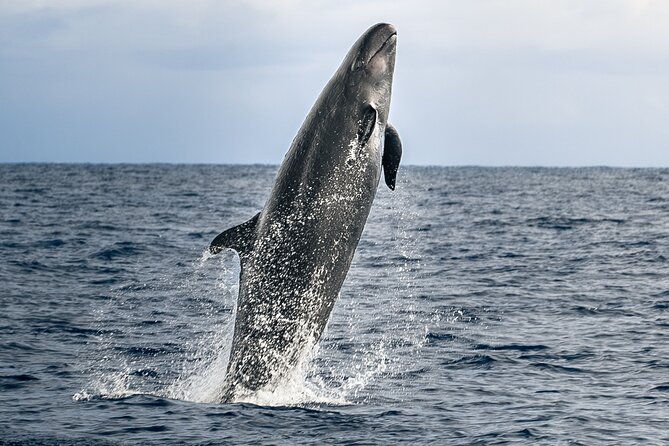
- Near-shore plus pelagic search: you are not limited to the coastline
- Naturalists who explain behavior: you learn what breach, chin slaps, and other actions mean
- Comfort-forward catamaran viewing: open sightlines from many seats
- Year-round chances: dolphins, multiple whale species, and even rarer sightings like whale sharks can happen
- Cold drinks included: soft drinks and bottled water keep the trip easy
Kona’s whale watch zones: how Honokohau Harbor changes your odds
Most Kona whale tours stay in one area. This one starts with a smarter plan: you leave from Honokohau Harbor so you can cover both the near-shore zone and the pelagic zone. That matters because different species use different water, and you will spend more time where the action actually is.
In the near-shore zone, you can often find winter humpbacks along with dolphins and other marine life. On this coast, you might also spot spinner dolphins, bottlenose dolphins, manta rays, and even flying fish during the right conditions. In other words, even when whales are quiet, you are still likely to see something moving and feeding.
Then comes the pelagic part. Because the operator holds US Coast Guard offshore certification, the boat can push into deeper water—waters thousands of feet deep—to look for species that don’t always show close to shore. Think pilot whales, beaked whales, sperm whales, spotted dolphins, and the long-shot thrill of a whale shark. If you are the type who wants more than one species on your day, this wider search is the big reason to choose this tour.
You can also read our reviews of more tours and experiences in Big Island of Hawaii.
The boat and the ride: what comfort really means on whale-watch time
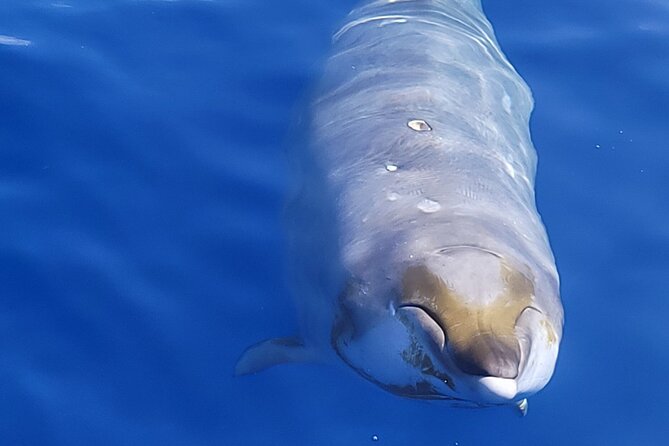
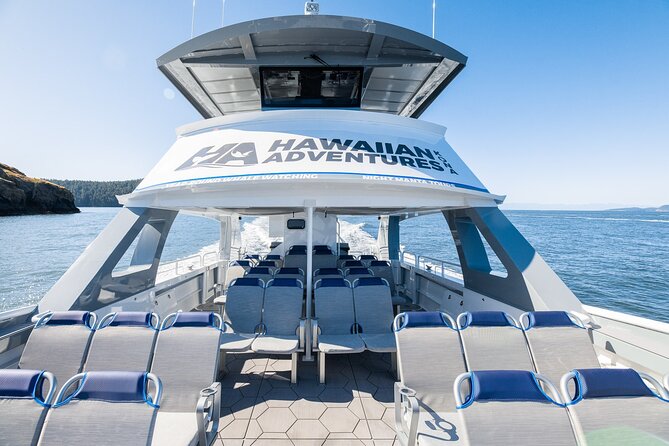
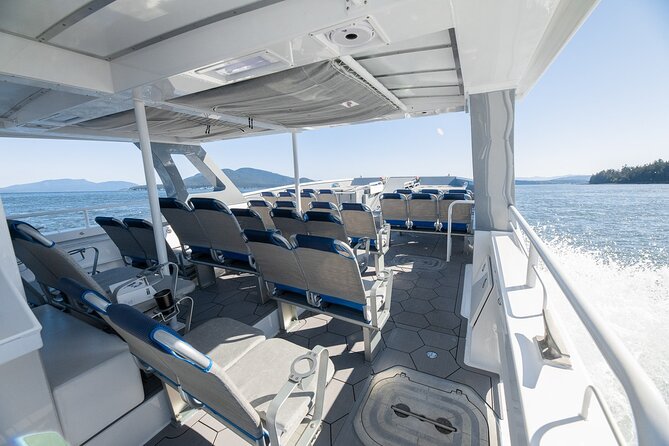
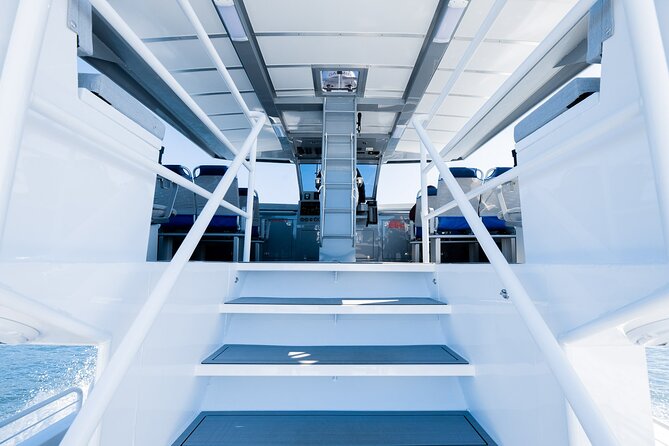
Whale watching can be a great idea right up until the boat ride feels like a workout. This tour runs on a 46-foot catamaran designed for viewing comfort, and the catamaran shape helps the boat glide through swells more smoothly than a single-hull vessel. You also get an open-style layout that makes it easier to see from many seats, not just the front row.
You are not sitting in a narrow viewing box. The vessel has padded seating and features handholds and railings, which is a big deal when you are spotting at the surface and shifting your gaze constantly. There are shaded and full-sun areas too, so you can adjust when the morning turns bright.
One practical tip: if you are prone to seasickness, take something before you board. That advice shows up for a reason—there is typically more motion out on open water than people expect, even when Kona’s waters are often described as calm. I’d rather you be comfortable than tough it out and miss the show because your stomach is leading the tour.
Naturalists on board: Dennis, Olivia, and Captain Andrew make the sightings click
The biggest difference on this kind of tour is not the boat. It is what you understand while you watch. The naturalist-guided approach here is a big part of why the experience scores so high, and you feel it quickly once the spotting starts.
On one trip, Dennis stood out for sharing expert insights that turned the day into more than a checklist. Captain Andrew and Olivia have also been praised for explaining whale behavior in a way that gives you instant context—why whales do what they do, and how their migration and feeding connect to Hawaii’s waters. If you like learning on the fly, this team style fits perfectly.
Even the language of whale watching gets translated. Guests have mentioned learning terms like behaviors you might not know how to recognize in real time, and then actually seeing those behaviors on the water. That turns a random sighting into a moment you can name, understand, and remember.
Safety is part of the story too. The crew emphasizes both your experience and the whales’ safety, which is exactly what you want when you are trying to get close enough for a good look without crowding wildlife.
What you might see: dolphins, humpbacks, sharks, and the rare whale-shark jackpot
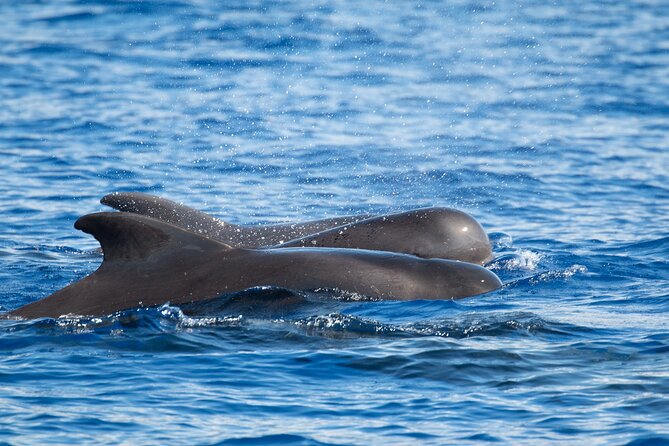
This tour is built around a simple promise: you are going out for whales and dolphins, and the search includes other marine life along the way. A lot of the magic in Kona is that the ocean does not follow a script. One day is spinner dolphins and manta rays; another day is humpbacks with dramatic surface behavior.
Common and exciting possibilities include:
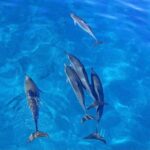
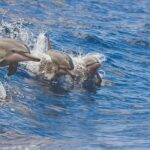
- Spinner dolphins: famous for leaping and bow-riding behavior
- Bottlenose dolphins and other dolphin species: pods can show up unexpectedly depending on where the food is
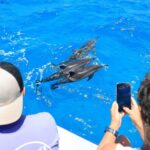
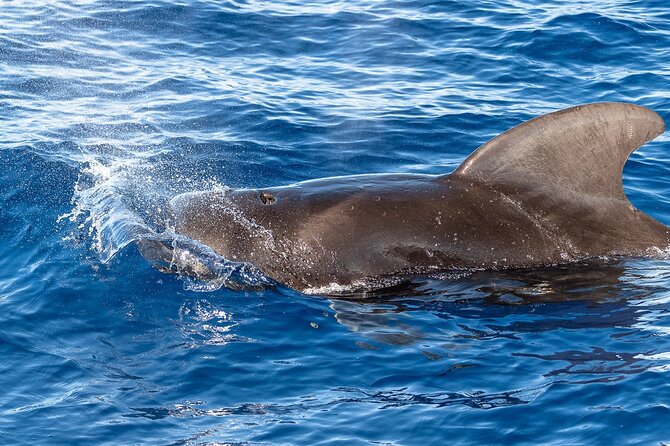
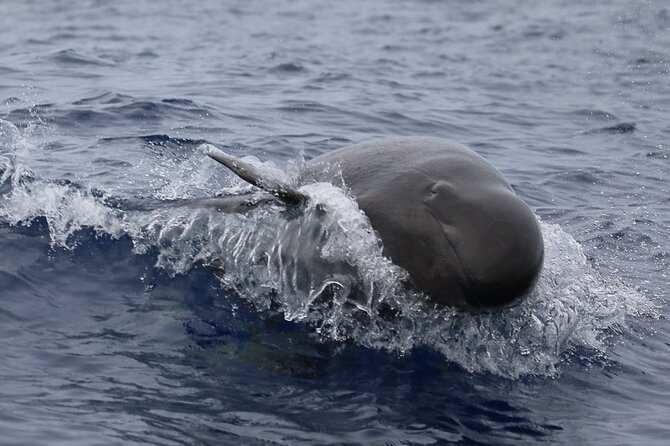
- Pilot whales and short-finned pilot whales: they can be loud and active at the surface
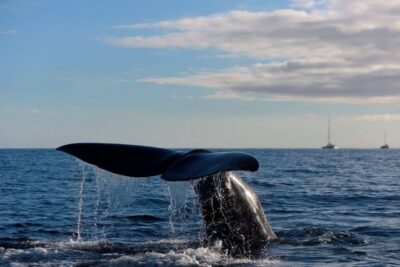
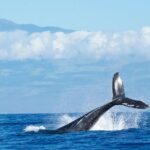
- Humpback whales during the winter season: sometimes spotted closer to shore when conditions line up
- Manta rays and flying fish: not always guaranteed, but they add variety and color to the day
Sharks are also part of the reality here, not just a rumor. Depending on the day, you might see oceanic white tip sharks, and there have been reports of tiger sharks as well. One guest highlighted a trip that included a scalloped hammerhead and other shark sightings, which is exactly why going pelagic can pay off—your chances widen beyond what you see from shore.
The whale-shark possibility is the true wildcard. It’s rare, but it has happened on this tour. If that is your bucket-list animal, you should know that you are buying probability, not a calendar guarantee.
Depth and how close whales might feel
On at least one trip, the naturalist shared that whales were in water roughly 50 to 200 feet and close to the coastline at the time of observation. That kind of detail matters to you because it explains why sightings can feel so immediate rather than distant dots on the horizon.

Timing, meeting point, and how to prep for a 3–4 hour ocean session
This tour typically runs 3 to 4 hours with a start time of 8:30 am. It begins at 275 Kealakehe Pkwy, Kailua-Kona, HI 96740, and the activity ends back at the same meeting point.
Hotel pickup is not included, so plan to get yourself to the meeting area. The tour is listed as near public transportation, which can help if you are not driving. Also, mobile tickets are supported, which means you likely can keep everything on your phone and check in smoothly.
Because you are on the water for half a day, the little comfort decisions matter. Dress for an ocean morning: light layers are usually the safe bet, and bring whatever helps you stay steady and calm while you watch. If you have motion sickness history, that pre-ride medication is not overkill; it is a way to protect your attention for spotting.
One more practical thing: the group size caps at 42 travelers. That keeps the experience from feeling like a cattle call, and it makes it easier to find your own sightlines without constantly getting squeezed.
Price and value: why $129 can be worth it in Kona
At $129 per person for about 3 to 4 hours, this is not the cheapest whale watch in Hawaii. But it also isn’t trying to be. The value comes from two big factors you can feel on the water:
First, you are paying for a wider operational range. The near-shore zone is part of the plan, but the pelagic certification means you are not trapped in shallow viewing. More search area equals more chances at the species that only show up offshore.
Second, you are paying for interpretation, not just navigation. When you have a naturalist explaining behavior in real time—why whales surface, what actions indicate, and how the Kona ecosystem fits together—your day becomes more than photos. It becomes understanding.
There’s also a demand signal here. This tour is commonly booked around 37 days in advance. That usually means people recognize it as a solid choice, not just a random activity, and it’s worth reserving early if your schedule is tight.
Should you book this Kona pelagic whale watch?
I think you should book if you want a whale watch that works like a real search: covering near-shore and pelagic waters, with a crew that focuses on spotting plus explanation. You are also a good fit if you enjoy marine wildlife variety, since dolphins, manta rays, flying fish, and sharks can show up alongside whales.
Hold off or adjust expectations if whale and dolphin sightings are your only goal and you feel fragile about uncertainty. Wildlife is wild, and even the best crew can have quieter days. In fact, the operator’s own stated remedy (as described on the tour’s guarantee info) is a 50% off chance to rebook if you do not see whales or dolphins on your outing.
Also, if you are traveling with kids, note that this tour is not appropriate for children under age 10. And if your stomach gets upset on boats, plan for motion sickness before you step aboard.
If you match those points, this is one of the stronger ways to spend a morning on the Big Island—especially if you want your sightings to come with real context, not just a lot of pointing.
FAQ
How long is the Big Island Pelagic Whale Watch Tour?
It runs about 3 to 4 hours.
What time does the tour start?
The start time is 8:30 am.
Where do I meet for the tour?
You meet at 275 Kealakehe Pkwy, Kailua-Kona, HI 96740, USA.
Does the tour include drinks?
Yes. Soft drinks and bottled water are included.
Is hotel pickup included?
No, hotel pickup and drop-off are not included.
Is the tour only for whales?
No. You’re out for whales and dolphins, and you may also see other marine wildlife such as manta rays, flying fish, and sharks.
Is seeing whales and dolphins guaranteed?
The information provided indicates there is a guarantee involving a 50% off chance to join again if you do not see whales or dolphins on your tour.
Is this tour appropriate for kids?
It is not appropriate for children under age 10.
What language is the tour offered in?
The tour is offered in English.
What if the weather is bad or I need to cancel?
The experience requires good weather. If it’s canceled due to poor weather, you’ll be offered a different date or a full refund. Free cancellation is available up to 24 hours in advance for a full refund.