REVIEW · BIG ISLAND OF HAWAII
Small-Group Snorkel at Kealakekua Bay in Captain Cook, Big Island
Book on Viator →Operated by Hawaii Oceanic · Bookable on Viator
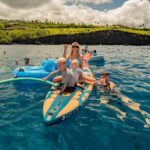
Kealakekua Bay is the kind of snorkel stop that makes you slow down. This small-group trip (capped to keep things personal) times your water time to help you avoid the nastiest crowds, and you get more minutes in the reef because boarding feels quick. I also love that the ride builds in sightseeing, with the Captain Cook area as your backdrop and a good shot at marine life along the Kona coast.
The payoff for me is simple: more time snorkeling in a calmer bay, with hands-on crew help and included gear. One drawback to know up front: you’ll need a moderate fitness level and you must be able to swim without a flotation device.
In This Review
- Key points worth knowing before you go
- Why Kealakekua Bay is a snorkel level-up
- Small-group snorkeling: what you’ll feel on the water
- Meeting point and the easiest way to not stress
- The 3-hour route: Captain Cook Monument to the state park
- Stop 1: Captain Cook Monument
- Stop 2: Kealakekua Bay
- Stop 3: Kealakekua Bay Marine Preserve
- Stop 4: Kealakekua Bay State Historical Park
- What you might see: dolphins, whales, manta rays, and reef life
- Spinner dolphins and humpback whales
- Mantas and other big reef visitors
- Reef fish and underwater surprises
- Price and value: what $109 includes (and what it doesn’t)
- Crew energy and safety: why the day stays fun
- Who should book this and who should skip it
- Should you book Kealakekua Bay in a small group?
- FAQ
- How big is the group for this snorkeling tour?
- What snorkeling gear and food are included?
- What should I bring with me?
- Do I need to be able to swim?
- How long is the tour?
- Where does the tour start and where does it end?
- What marine animals might I see?
- What are the cancellation and weather rules?
Key points worth knowing before you go
- Small group size keeps boarding and exits moving so you get more time in the water.
- Early timing at Kealakekua Bay helps you snorkel before the busiest wave of boats.
- Marine life odds are strong in the protected marine sanctuary, including spinner dolphins and (in season) humpback whales.
- Snorkeling gear is included, plus snacks and nonalcoholic drinks to keep the morning easy.
- Plan ahead for comfort: there’s no restroom on the boat, so go before you meet.
Why Kealakekua Bay is a snorkel level-up
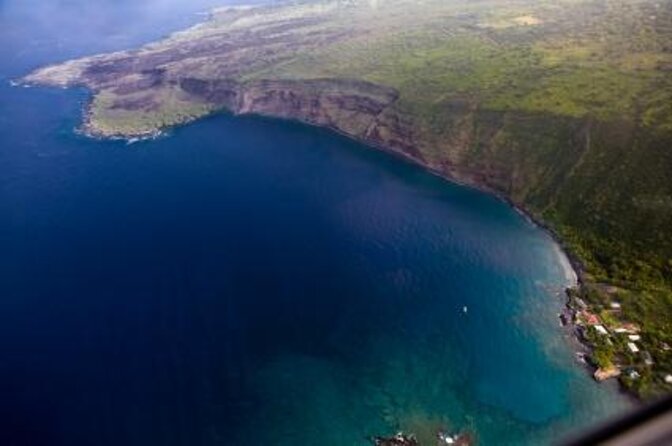
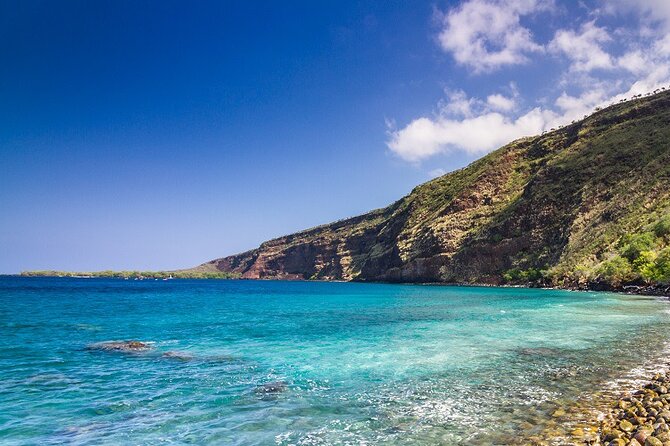
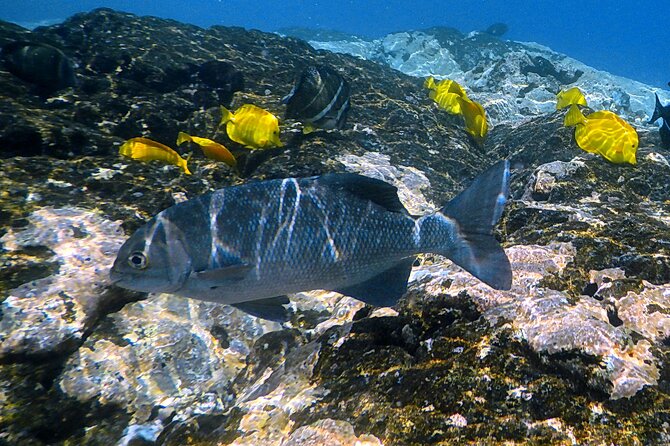
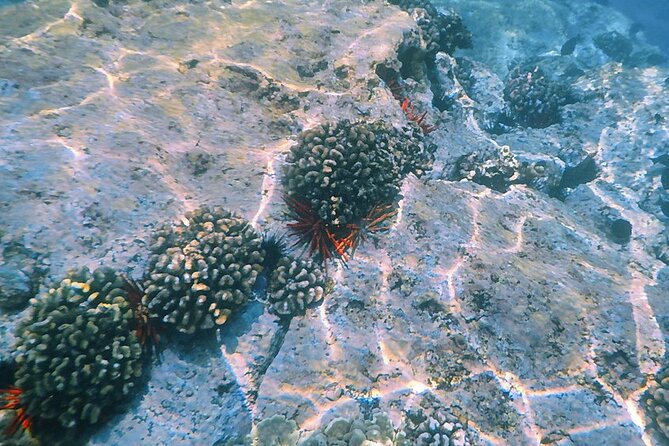
Kealakekua Bay sits inside a protected marine sanctuary, and that protection shows. The water tends to be clear enough early in the morning to enjoy coral and fish rather than just floating around hoping you spot something. And the reef life here is the main event: you’re looking at places like cauliflower coral, yellow tang, pencil urchins, and plenty of other species that live right in the shoreline scenery.
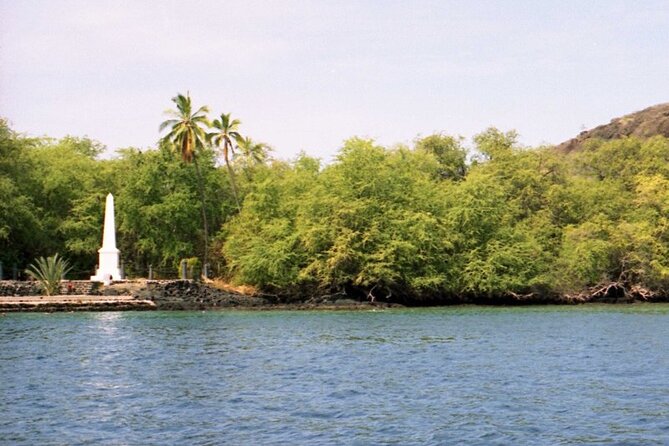
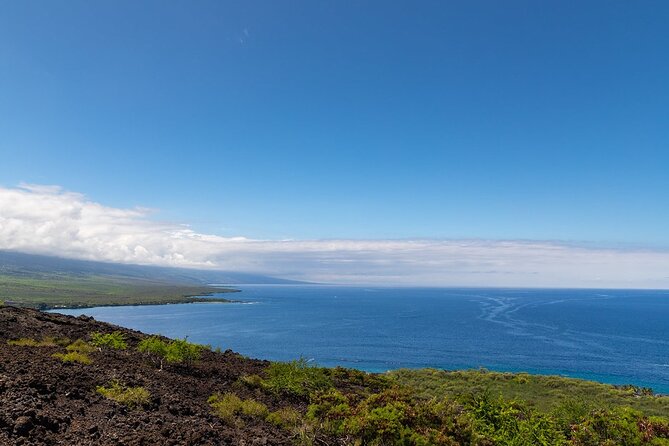
The Captain Cook Monument area also adds a layer of interest above the water. You’re not just snorkeling a random patch of ocean—you’re doing it at a famous historical spot, with the Kona coast scenery doing its part. Even if you only come for the fish, the setting helps you pay attention, and that makes the whole experience better.
This is also a bay where timing matters. If you show up when everyone else shows up, the water can feel crowded and the pace gets rushed. That’s why the tour’s focus on avoiding peak crowds matters for your experience, not just for someone else’s photo.
You can also read our reviews of more tours and experiences in Big Island of Hawaii.
Small-group snorkeling: what you’ll feel on the water
The biggest difference you’ll notice is how the group moves. With a maximum of 11 travelers on this operator’s small-group format (about a dozen at most), you’re not stuck waiting while a large group shuffles gear and finds the ramp. That means the crew can get everyone into the water in a more efficient way, and you don’t lose snorkeling time to logistics.
That extra time is real. In 3 hours, shaving even 10–20 minutes off the “getting ready” and “getting out” parts changes your day. It also changes your snorkeling style. When you’re not rushed, you can slow down and watch fish behavior—like where yellow tang hover, how coral lines up against the sand, and how predators sometimes move through an area.
The small-group vibe is also about the feel of the reef. You get to snorkel in a more peaceful setting, and you’re more likely to get the crew to point out specific spots as you go. On past outings, people have talked about being the first boat to the bay in the morning, which is exactly what you want if your goal is calm, clear water and fewer interruptions.
Meeting point and the easiest way to not stress
Your start point is at 78-7138 Kaleiopapa St, Kailua-Kona, HI 96740. The details matter here because this isn’t described as a full-on shop-and-office setup. The practical move: arrive early, double-check the exact meeting instructions you receive, and plan to be ready to go from the boat ramp area.
Also plan your bathroom situation. There’s no restroom on the boat. That’s an easy thing to forget if you assume this will be like a lot of other tours. Don’t gamble with it—use the restroom before you meet.
If you’re bringing a waterproof camera or phone case, test it the night before. Once you’re in the water, you won’t want to waste time figuring out what’s fogging your lens. And yes, sunscreen and towels aren’t included, so you’ll want those ready too.
The 3-hour route: Captain Cook Monument to the state park
This tour is built around four focused stops, and each one has a different “why.”
Stop 1: Captain Cook Monument
You start by heading to the Captain Cook Monument area. This is both a visual landmark and a common reference point for the bay. You can expect the crew to get you oriented and set the rhythm for safe snorkeling, since everyone has to be comfortable swimming without flotation support.
If you’re thinking about when to get the most fish-viewing time, this is where it starts. Early in the morning tends to mean calmer conditions and clearer views, and that’s when people typically see the most reef activity right away.
Stop 2: Kealakekua Bay
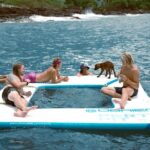
Next comes the main snorkeling water time at Kealakekua Bay. This is the protected sanctuary zone where you’ll likely see a lot of the classic reef residents—plus the bigger surprises that move through the area.
In practical terms, this is where you’ll benefit most from the small group. More time in the water means you’re more likely to catch different animal behavior patterns rather than one brief pass.
Stop 3: Kealakekua Bay Marine Preserve
Then you shift to the Marine Preserve area. The preserve status matters because it helps keep the reef ecosystem healthier, which in turn supports more fish life and more consistent visibility.
This stop also helps spread out your snorkeling time. Instead of one continuous water session that can feel samey, you get another chance to look at the reef from a slightly different position. That matters if your first pass was focused on staying calm and getting your footing.
Stop 4: Kealakekua Bay State Historical Park
Finally, you’re in the state historical park area. This is where the scenery and context land harder. You see more of the coastline features around you while still keeping the day tied to marine life.
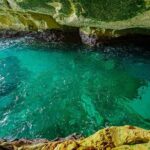
On the return, many trips include bonus shoreline sights—think caves and lava-tube style features that the crew points out from the boat. Conditions determine what’s possible, but it’s one of those add-ons that makes the tour feel more like a guided experience and less like a drop-and-go.
What you might see: dolphins, whales, manta rays, and reef life
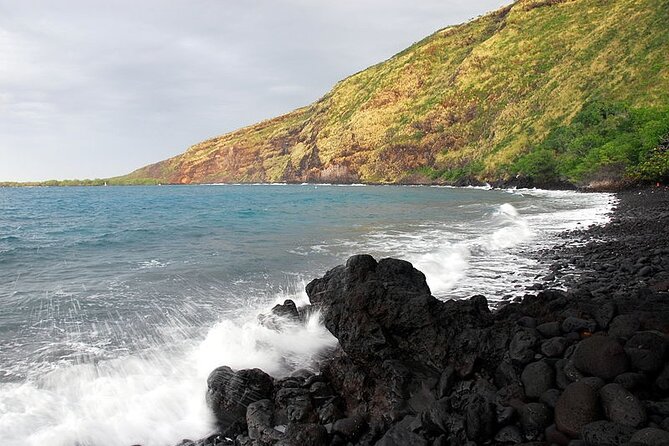
Kealakekua Bay is famous for marine animals, but no one can promise a specific sighting on any given day. What I like about this tour is that it’s set up to maximize your chances, not just hope for the best.
Spinner dolphins and humpback whales
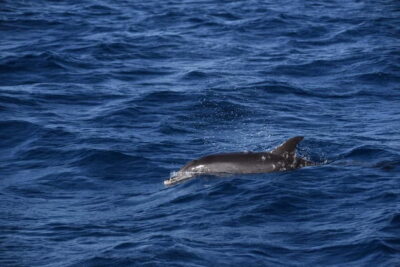
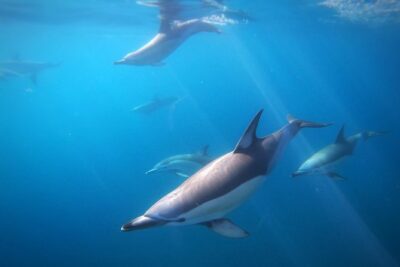
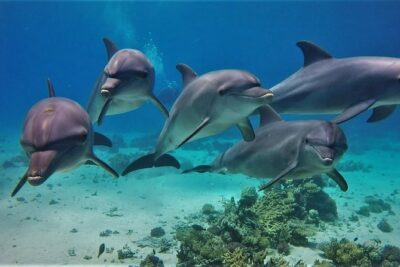
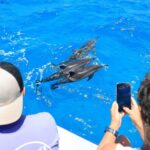
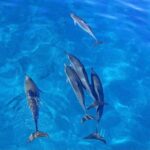
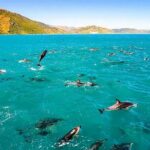
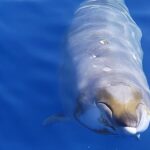
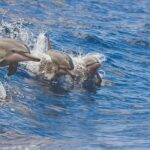
Spinner dolphins are a frequent star here, and you’re often told to watch for them as you travel to and from the bay. In winter months, humpback whales are possible too, so the tour’s timing can line up with seasonal wildlife.
Even if dolphins are the only big animal you spot, the experience feels worth it. People describe spinner dolphin pods swimming near the boat and around the area while snorkeling time is happening nearby.
Mantas and other big reef visitors
You might also see manta rays depending on conditions, and the crew may take you near manta cleaning stations when conditions allow. People have reported manta sightings close to where they were snorkeling, which is the kind of thing that changes your mental picture of what a “snorkel trip” can include.
Reef fish and underwater surprises
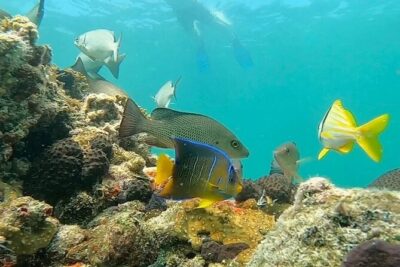
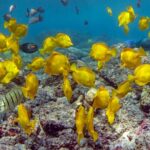
On the reef, you’re in a good spot to see colorful reef fish like yellow tang, plus other species living among coral structure. Past snorkeling moments have also included eels, octopus sightings, rays (including eagle rays), and sometimes sharks in the broader water area.
One more detail: cauliflower coral and pencil urchins show up in the bay’s reef life picture. If you love texture—coral shape, urchins, and fish grazing along the reef edge—this is a strong match.
Price and value: what $109 includes (and what it doesn’t)
At $109 per person for about 3 hours, the value comes from three things working together: small group size, included snorkel gear, and snacks/drinks that keep you comfortable during the morning.
Included for you:
- Bottled water
- Snacks (island-sourced pineapple and chips)
- Nonalcoholic refreshments
- Snorkeling equipment
Not included (so bring it):
- Towel
- Sunscreen
- Sunglasses
- Hat
- Waterproof camera
Here’s how I think about the cost. If you were paying separately for a snorkel mask set, a lot of tours would also nickel-and-dime snacks. Here, you get the basics covered so you can show up and focus on the reef. And because the group stays small, you’re not paying for a crowded experience where your time in the water is chopped up by a big-boat schedule.
If you want photos, bring your waterproof option. That’s the one “hidden” item that really affects your satisfaction, because snorkeling at Kealakekua Bay can make you want proof.
Crew energy and safety: why the day stays fun
The crew setup is a big part of why this tour feels smooth. You’ll generally have a captain steering and a guide helping you get oriented, keeping safety clear, and pointing out what to look for underwater and along the coast.
You’ll hear friendly, practical instruction before you get in. People talk about the crew making sure everyone feels welcome and comfortable. There’s also attention to calm guidance: how to snorkel with less panic, where to look, and when to adjust position in the water.
Guide names you might encounter include Justin, Alan, Alexis, Erika, Kayli/Kayley, Jayna, Carmelle, Carmelo, Liza, and Sarah, depending on the day and schedule. Across all those different pairings, the pattern is the same: people come away saying they felt cared for, not rushed, and supported if they had questions.
Weather happens in Hawaii, and this tour is weather-dependent. The crew adjusts when conditions shift, including handling storm-front situations in a way that tries to keep your day on track.
Who should book this and who should skip it
This one is best for swimmers who are comfortable without flotation assistance. The tour requires you to be able to swim, and it’s recommended for people with moderate physical fitness. There’s also a 280-pound weight limit per traveler.
If you have neck problems, this tour isn’t recommended. That’s not a minor detail—boat conditions and movement can matter for comfort and safety.
If you’re a casual snorkeler, this can still work well, especially in a small group where the crew can help you settle in. But if you’re not confident swimming, you’ll have a tough time with the requirements.
On the flip side, if you love marine life, hate crowds, and want a morning that feels guided rather than hectic, this is a great fit. It’s also a strong option for couples and families who want a memorable Big Island activity without feeling like they’re herded.
Should you book Kealakekua Bay in a small group?
If your priority is better snorkel time with a calmer vibe, I’d say yes. The small-group format is the lever that improves your day: quicker boarding, more minutes underwater, and a better chance of peaceful viewing—especially if you’re aiming for that early-bay calm.
Book it if:
- You can swim comfortably without flotation
- You want a guided experience with room to move at your pace
- You care about seeing spinner dolphins and possibly winter humpback whales
- You want snorkel gear and snacks handled for you
Skip or reconsider if:
- You’re not comfortable swimming unaided
- You have neck issues and want to avoid extra boat movement
- You’re looking for a totally hands-off “just float and watch” experience
If you go, do two things right: arrive early and pack smart (towel, sunscreen, and waterproof camera). Then show up ready to watch the reef like it’s alive—because here, it is.
FAQ
How big is the group for this snorkeling tour?
The tour is a small-group experience with a maximum of 11 travelers (and it’s marketed as a maximum of 12 passengers).
What snorkeling gear and food are included?
You’ll get bottled water, snacks (island-sourced pineapple and chips), nonalcoholic refreshments, and snorkeling equipment.
What should I bring with me?
Bring your own towel, sunscreen, sunglasses, hat, and a waterproof camera if you want photos underwater.
Do I need to be able to swim?
Yes. You must be able to swim without the assistance of a floatation device.
How long is the tour?
It runs for about 3 hours.
Where does the tour start and where does it end?
It starts at 78-7138 Kaleiopapa St, Kailua-Kona, HI 96740, and ends back at the same meeting point.
What marine animals might I see?
You may see spinner dolphins, and humpback whales are possible during the winter. You’ll also have chances to spot reef fish and other marine life while snorkeling in the protected areas.
What are the cancellation and weather rules?
You can cancel for a full refund up to 24 hours in advance. If it’s canceled due to poor weather, you’ll be offered a different date or a full refund.