REVIEW · BUNBURY
Bunbury: Swim with Dolphins Tour
Book on GetYourGuide →Operated by Bunbury Dolphin Discovery Centre Inc · Bookable on GetYourGuide
Wild dolphins feel like a different planet. This 4-hour eco-snorkel with Koombana Bay bottlenose focuses on real animal behavior, not canned tricks.
I love that the tour is guided end to end by a small, well-staffed team, and you get kitted out properly with warm wetsuits and snorkel gear. I also like the conservation angle: every outing feeds dolphin research and welfare work, not just a photo stop.
One drawback to plan around: dolphin interaction is never guaranteed to be the same day-to-day. Even with a good dolphin count, water can be murky sometimes, so your best views depend on what the animals do and how the conditions look.
In This Review
- Key things I think are worth your attention
- Koombana Bay is the star, not a gimmick
- Dolphin Discovery Centre: gear, warmth, and quick confidence
- The 4-hour flow: boat cruise, dolphin watching, and guided snorkel swims
- How dolphin interaction actually feels in the water
- Marine Biologists and volunteer energy: what the research angle changes
- Value check: is $155 worth it for a 4-hour wild swim?
- Who this suits best (and who should rethink it)
- Tips to get the best day on Koombana Bay
- Should you book the Bunbury Dolphin Swim?
- FAQ
- How long is the Bunbury swim with dolphins tour?
- Where does the tour start and meet you?
- Do I need to bring snorkelling equipment or a wetsuit?
- What should I bring with me?
- What is the minimum age for swimmers?
- Is it guaranteed that I will see wild dolphins?
- Is a buoyancy vest included?
- What is included for the Marine Discovery & Interpretive Centre?
Key things I think are worth your attention
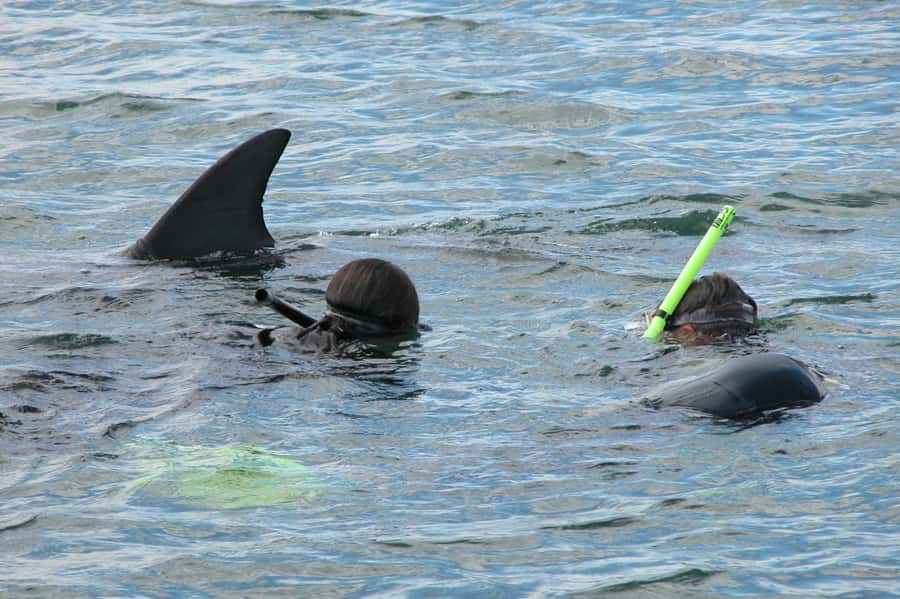
- Wild dolphins, in the bay that supports over 100 bottlenose
- You only enter the water when dolphins show up nearby and choose how to interact
- Warm wetsuits plus full snorkel setup means you spend less time figuring things out
- Guides encourage confidence for first-timers, including safety habits like staying together
- Research and conservation are part of the tour day, not an add-on
- If you do not see wild dolphins in the water, you can go again for free (subject to availability)
Koombana Bay is the star, not a gimmick
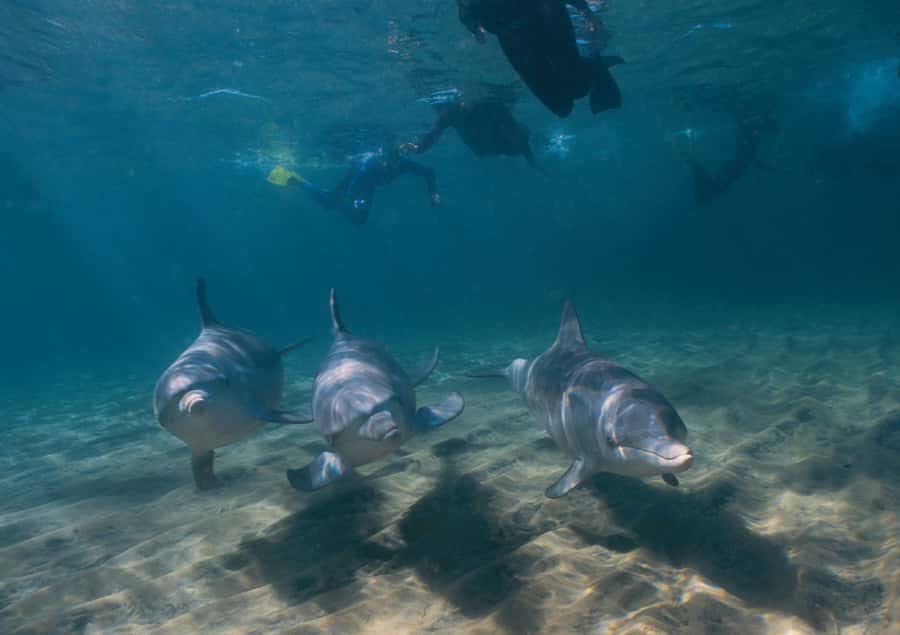
Bunbury’s dolphin swim works because it’s built around place. Koombana Bay is the home base for a large, resident group of bottlenose dolphins, and that matters. When dolphins are already living in the area, the tour can aim for meaningful encounters rather than trying to manufacture them.
The experience is also explicitly wild-animal focused. You’re not chasing dolphins on a schedule, and you’re not doing any “trained” routine. The tour runs on sightings—if dolphins are nearby and interested, you’ll be guided in. If not, you stay prepared and keep searching with the boat crew and guide. That approach keeps expectations honest, and it usually leads to better behavior from the dolphins too.
You’ll also get a very specific sensory moment: dolphins may approach and you can feel the buzz of their echolocation as they check you out. That’s not a stadium trick—it’s just what happens when a wild dolphin investigates something new.
You can also read our reviews of more tours and experiences in Bunbury.

Dolphin Discovery Centre: gear, warmth, and quick confidence
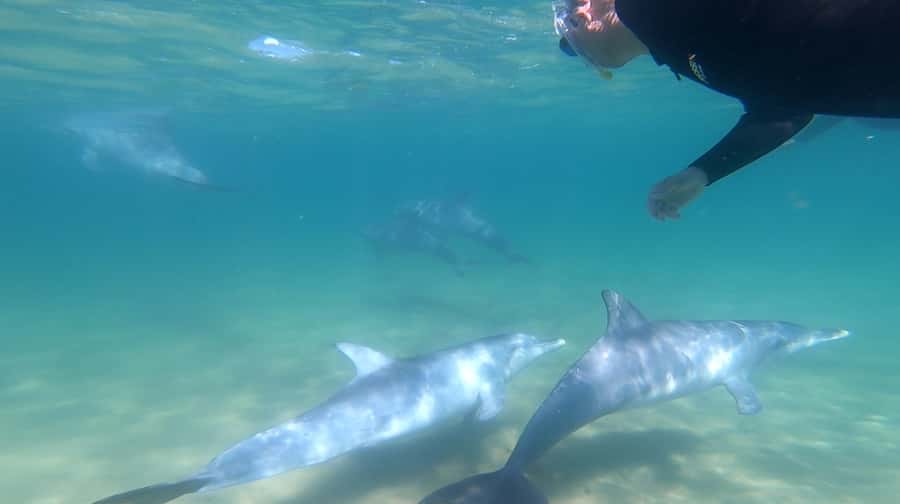
Your day starts at the Dolphin Discovery Centre. Before you even hit the water, you’ll be set up with the right basics: warm wetsuits, a mask, fins, and snorkel, plus a buoyancy vest if required. That’s a big deal if you’re not a strong swimmer or not used to snorkel gear. It removes a lot of the guesswork.
You’ll also have access to changing rooms, storage facilities, and hot showers. After 4 hours in salt water, hot showers feel like a travel luxury, not a necessity. Then there’s the extra comfort of a hot barista-made coffee or beverage after the tour, which is a nice way to end rather than feel like you’re just wrung out and sent away.
What to bring is simple, but don’t skip it:
- warm clothing for outside time before/after
- swimwear under the wetsuit
- a towel
If you’re new to the sea, this part helps. A couple of guides were singled out in the tour feedback for reassuring people from scratch and helping them get comfortable in the water. Names that came up included Julie, Yvette, Cathy, Kathy, and Jess—and the common thread is calm instruction. That’s valuable because wild dolphins can show up fast once the group is ready.
The 4-hour flow: boat cruise, dolphin watching, and guided snorkel swims
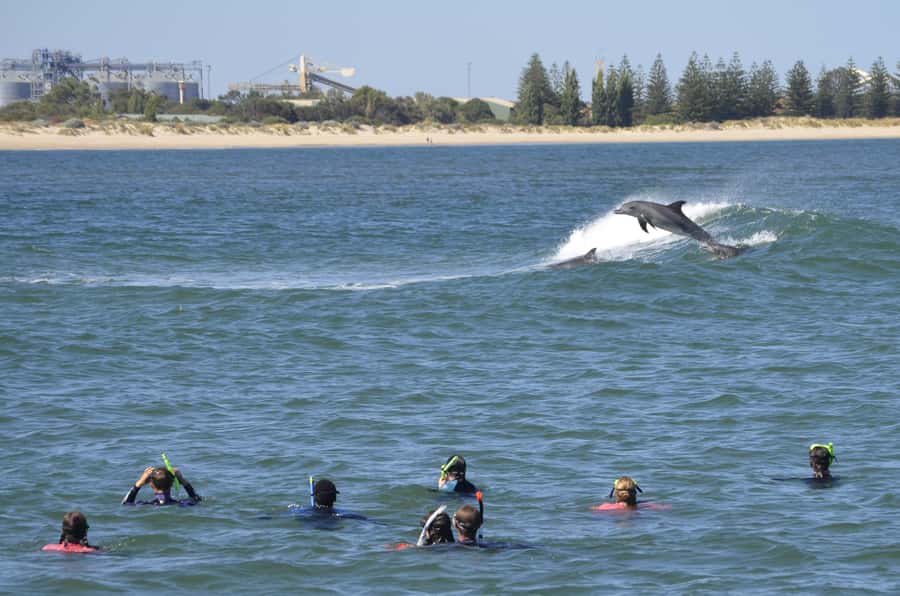
This is a 4-hour licensed eco-tour built around three repeating stages: boat time to find dolphins, water time when it’s appropriate, and then back to the centre.
Boat cruise + dolphin watching
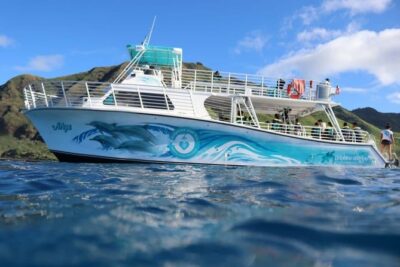
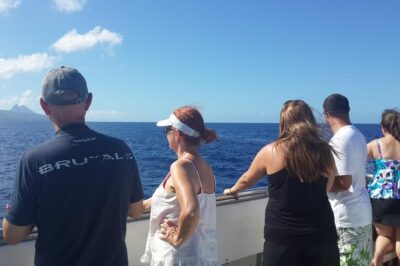
You’ll start with a boat segment where you’ll look for dolphins and watch their behavior. Expect lots of wildlife viewing time. This is when you’ll learn what you’re looking for—how to spot individuals, how dolphins move when they’re feeding or socializing, and what their surfaces and timing can tell you.
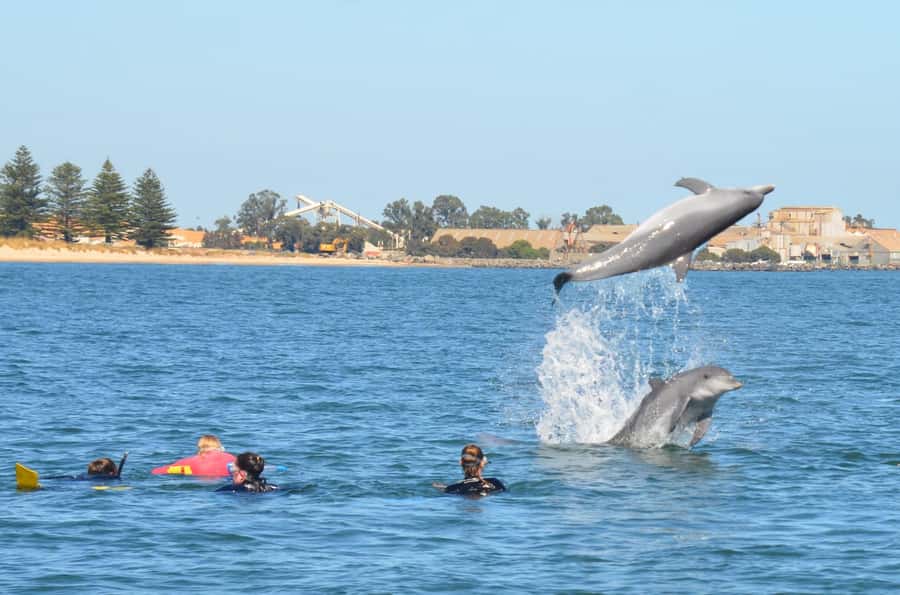
Then you shift into snorkeling/swimming when conditions and dolphin activity line up. The tour description is clear: depending on sightings, you may be guided into the protected waters of Koombana Bay, and the dolphins decide whether to initiate interaction. That word decide matters. You’re not in control of the moment the dolphins approach, so the best plan is to stay calm, follow the guide’s cues, and be ready.
Multiple dips are possible
One theme from the day-to-day experience is that you may get more than one chance to be in the water as the crew manages sightings. Even if you only get one strong water session, it’s still a real swim experience, not a short taste.
Back at the centre
When you return, you’re back at Dolphin Discovery Centre for showers and the post-tour coffee or beverage. You also get a practical benefit if you want to learn more: a 50% discount to the Marine Discovery & Interpretive Centre is included, though entry to that centre itself is not.
If you’re the type who gets anxious waiting for the “main event,” remember the search time is part of the story. It’s what keeps the encounter wild.
How dolphin interaction actually feels in the water
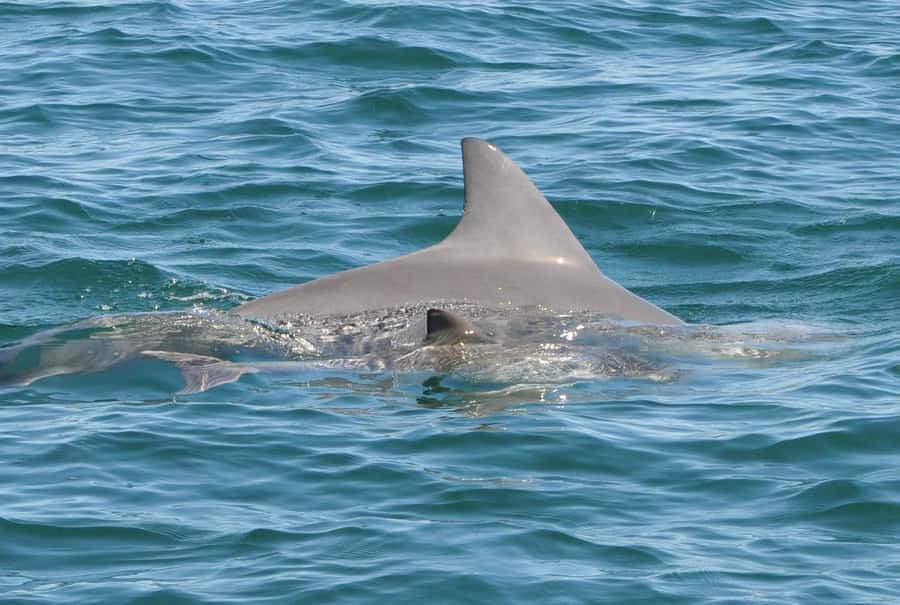
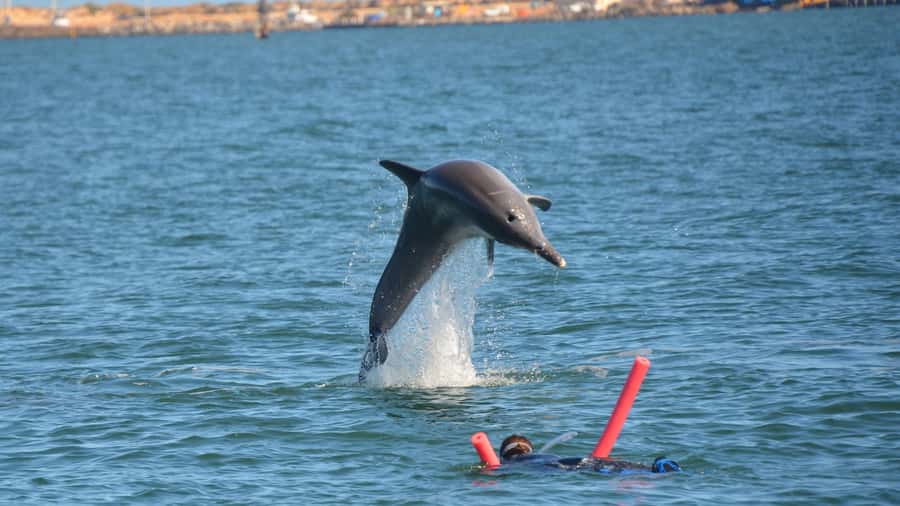
The tour’s top promise is simple: you will see wild dolphins in the water, and you may get interaction if the dolphins choose to come close. The interaction level is not something the crew can force. That unpredictability can be exciting if you’re flexible, and disappointing if you’ve built a rigid mental script.
From the experience feedback, interaction tends to be best when you:
- stay in the group
- follow the guide’s timing
- let the dolphins come to you
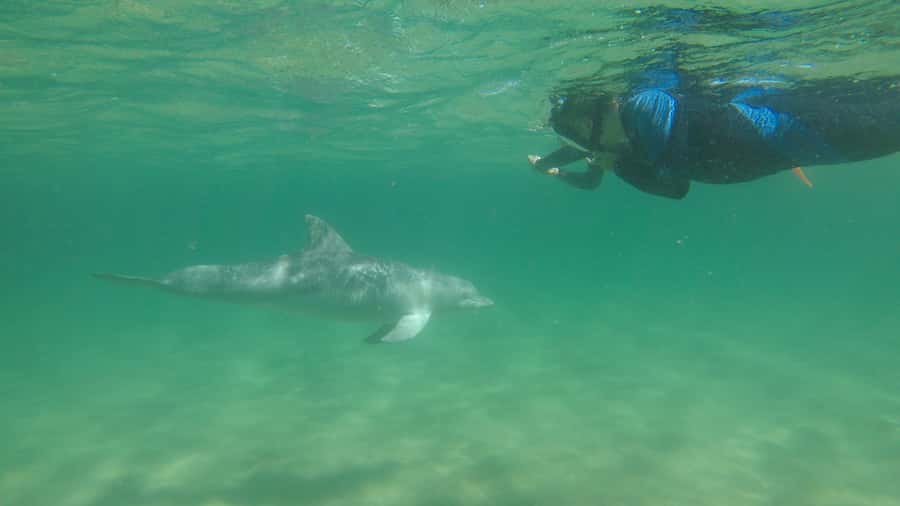
There’s also specific safety guidance that shows up in real instruction. One person described being encouraged to stick together and to look down at the right moments when dolphins swim under them. That makes sense in practice. You can’t just wave your arms and hope for the best when animals are passing beneath your position.
Also, one downside popped up clearly: water can be murky, which can reduce underwater clarity. That doesn’t mean the dolphins aren’t there—it just affects what you can see. If you’re okay with that possibility, you’ll still enjoy the surface-to-surface moments, the echoes, and the way the dolphins move and socialize right near you.
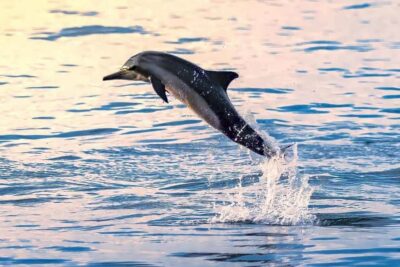
And yes, you might get to watch dolphins doing a lot of different behaviors—playing, feeding, socializing, jumping, and resting. The point isn’t a checklist, but seeing variety helps you feel like you’re watching a real community, not one passing by for a quick glance.
Marine Biologists and volunteer energy: what the research angle changes
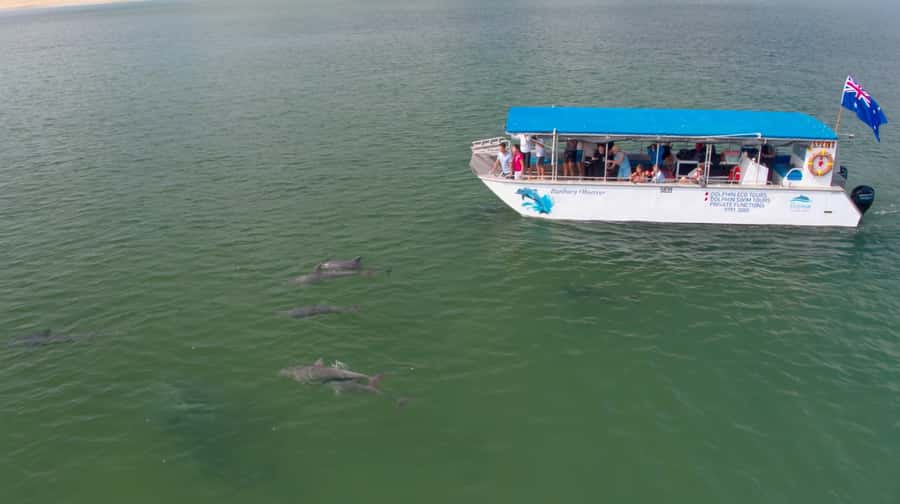
This tour isn’t sold as a pure thrill ride. It’s framed as a licensed ecotourism wildlife encounter created by Marine Biologists, with dolphin welfare treated as the priority.
What does that look like during the day? You’ll be part of a routine where staff and volunteers document animal populations and behaviors. The tour goes further than saying conservation is important; it positions each outing as a real research and education day.
In the feedback, one reviewer specifically highlighted the volunteer-driven feel of the experience and noted that money supports dolphin center animal rescue and rehabilitation. I can’t promise every day runs with the same staffing mix, but the overall impression is consistent: the energy comes from people who care deeply about what happens to dolphins when they aren’t in the bay.
That matters for you because it changes the vibe. When the goal is research and welfare, instruction tends to be more careful and respectful. You’ll likely feel that in how the crew talks about staying together, how they handle the water time, and how they treat dolphin interactions like something to protect—not something to exploit.

Value check: is $155 worth it for a 4-hour wild swim?
At $155 per person for a 4-hour experience, you’re paying for several things at once:
- a guide and trained support team
- a boat cruise to locate dolphins
- included snorkeling equipment and warm wetsuits
- snack and a cold drink on board
- a well-run facility with hot showers and storage
- a conservation/research mission embedded in the day
The biggest value lever for me is this: the tour is built around a dolphin encounter in the wild, not a generic “look at dolphins from shore” experience. Wild swim tours cost more because the risk and logistics are higher. Here, you’re also getting the gear and warmth handled for you, which keeps the day from turning into an equipment hunt.
Then there’s the practical safety net: if you do not see wild dolphins in the water, you can take part in another tour for free, subject to availability. That’s not a guarantee that you’ll have a perfect dolphin show, but it does protect you from paying for a day that turns out to be dolphin-less.
Also, don’t ignore the included perks. The 50% discount to the Marine Discovery & Interpretive Centre gives you a low-effort way to extend your learning once you’re back on land.
Who this suits best (and who should rethink it)
This tour is not suitable for children under 8. If you’re bringing kids aged 8 to 11, they must be accompanied by an adult in the water. That’s important: it means the experience is designed around active participation, not just watching from the edge.
It’s a good fit if:
- you want a true snorkel-and-swim experience, not just dolphin spotting
- you’re open to following guides and staying in formation
- you don’t need guaranteed underwater visibility
It’s also a strong choice if you’re new to snorkelling. Feedback includes examples of people who weren’t confident in the sea feeling looked after and reassured from the moment they arrived. Proper wetsuits and fins help a lot, and the crew’s coaching style matters just as much.
If you struggle with cold water, be honest with yourself. Warm wetsuits are provided, but you’ll still spend time in the bay. Dress for warmth outside the water too.
Tips to get the best day on Koombana Bay
Here’s how to make the most of your 4 hours:
- Arrive ready to suit up fast. You’ll be most comfortable if you plan your warm layer before the day gets started.
- Bring your towel and warm clothing for outside time. The tour covers wetsuits, but you still need to get dry and warm quickly after.
- Stay close to your group and follow instructions. The guides repeatedly encourage sticking together, which improves safety and makes it easier to manage dolphin passes.
- Expect the dolphins to set the tempo. You might enter when sightings are strong, and then you wait for the dolphins to decide to engage. That patience is part of why people remember the swim.
- Handle murky water calmly. If visibility is low, your focus should shift to surface behavior, timing, and movement rather than relying on clear underwater viewing.
- Ask questions about dolphin identification while you’re out there. The tour is designed to teach you how to identify dolphins and learn about their lives, and the more you listen, the more the day makes sense.
Should you book the Bunbury Dolphin Swim?
Book it if you want a real wild dolphin experience in Koombana Bay, and you’re excited by the idea that dolphins choose the interaction. I think the strongest reasons to book are the included equipment and warm wetsuits, the careful guided support, and the fact that dolphin welfare and research are built into the tour day—not added later.
Skip it or rethink it if you need predictable underwater visibility or if you’re not comfortable with the idea that interaction level can vary. Wild animals run the show.
If you go in with flexible expectations and listen to your guides—names like Julie, Yvette, Cathy, Kathy, Jess, and even the skipper mentioned as Jeff in feedback—you’re set up for a memorable, meaningful afternoon.
FAQ
How long is the Bunbury swim with dolphins tour?
It runs for about 4 hours.
Where does the tour start and meet you?
You meet at the Dolphin Discovery Centre in Bunbury (Koombana Drive, Bunbury WA 6230). Staff at the front counter direct you to the meeting point.
Do I need to bring snorkelling equipment or a wetsuit?
No. Warm wetsuits, a mask, snorkel, and fins are provided. Water, a snack, and a cold drink are also included.
What should I bring with me?
Bring warm clothing, swimwear, and a towel.
What is the minimum age for swimmers?
Children must be 8 years or older. Kids ages 8–11 must be accompanied by an adult in the water.
Is it guaranteed that I will see wild dolphins?
The tour guarantees you will see wild dolphins in the water. If you do not, you can take part in another tour for free, subject to availability.
Is a buoyancy vest included?
Yes, a buoyancy vest is provided if required.
What is included for the Marine Discovery & Interpretive Centre?
You get a 50% discount to the Marine Discovery & Interpretive Centre, but entry to that centre is not included.