REVIEW · SAN DIEGO
City Cruises San Diego: Whale and Dolphin Watching Adventure
Book on Viator →Operated by City Cruises California · Bookable on Viator
Gray whales make San Diego feel like ocean magic. This City Cruises cruise turns the bay into a moving classroom, with captain-led narration that helps you understand what you’re seeing (often credited to Captain Rick’s whale-spotting skills). You’ll also get a high-value mix of city views and wild-marine sightings from the same boat.
I also love the San Diego Natural History Museum naturalists who join the trip to answer questions and add context to the migration story. One fair consideration: mother nature runs the show, so you may see lots of dolphins and seabirds even if whales aren’t sighted that day.
In This Review
- Key Highlights Worth Marking
- Gray Whale Season in San Diego: When Your Odds Get Better
- Boarding at Navy Pier (970 N Harbor Dr): The Setup You’ll Feel Fast
- The Real Itinerary: One Stop, But It’s a Full Experience
- What the cruise includes during the sail
- What you should know about duration
- What You’ll Likely See: Dolphins, Sea Lions, Seals, and Maybe Gray Whales
- On-Board Learning: Why the Narration Changes the Trip
- Comfort Tips That Actually Matter: Wind, Sunburn, and Motion
- Wear and pack like it’s a real boat day
- Motion sickness prevention
- Life vests and safety
- Whale Check Guarantee: What It Means for Your Risk Tolerance
- Price and Value: Is $56.92 Per Person Fair?
- Group Size and Boat Feel: Why “Room to Move” Helps
- Weather and Cancellations: How to Think About Backup Plans
- Who This Cruise Suits Best
- Should You Book This San Diego Whale and Dolphin Cruise?
- FAQ
- How long is the City Cruises whale-watching cruise?
- Where do I meet the tour?
- Is the tour offered in the morning or afternoon?
- What animals might I see?
- Do I need to wear a life jacket?
- Is there a guarantee if whales aren’t spotted?
- What should I bring to stay comfortable on the water?
- What is the cancellation refund window?
Key Highlights Worth Marking
- Dec–Apr gray whale season: this is the best time window for spotting migrating gray whales.
- Three hours vs. four hours by season: plan around the shorter winter-style cruise or the longer summer sail.
- Museum volunteers on board: you’re not just watching—you’re learning from people who study the natural world.
- On-deck and indoors options: windows for comfort, deck time when you want wind + big views.
- Whale check guarantee: if whales aren’t spotted, you get a complimentary return option.
- Big-boat comfort for a calm-ish experience: indoor seating, restrooms, and space to shift around while underway.
Gray Whale Season in San Diego: When Your Odds Get Better
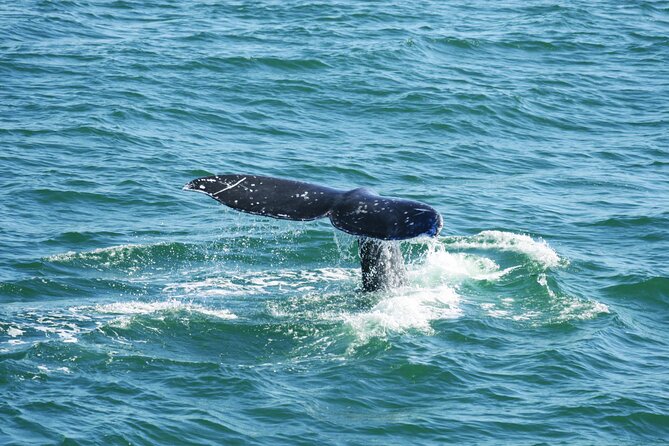
If your mental image of whale watching is only about a lucky sighting, this cruise is more reassuring. The timing is built around the gray whale migration that moves along the North American coast.
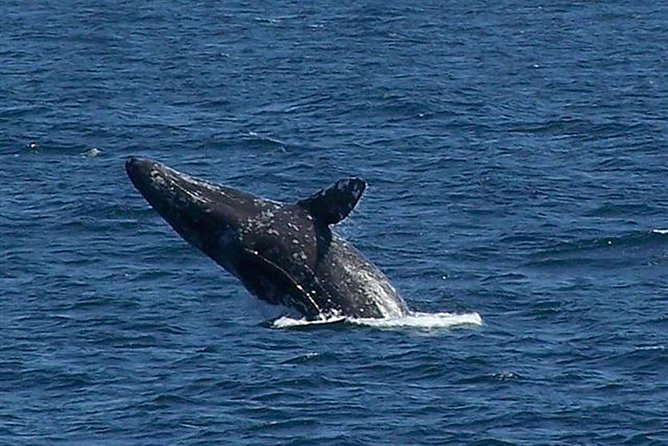
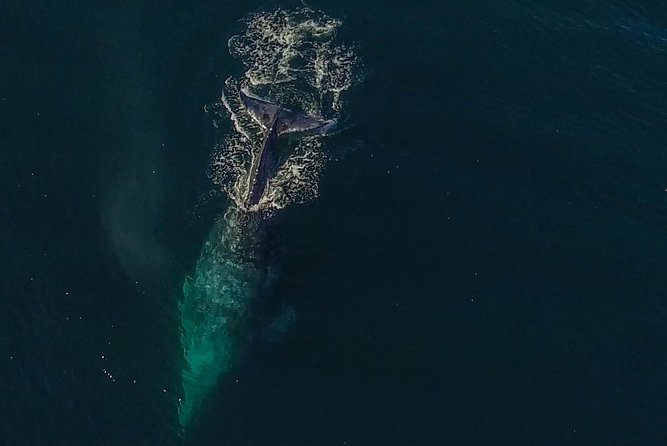
Between December and April, gray whales travel roughly 6,000 miles between colder Arctic waters and warmer Baja California breeding grounds. On the southbound journey, calves sometimes swim alongside their mothers, so the whole scene can feel like a family event happening in real time—right offshore of San Diego.
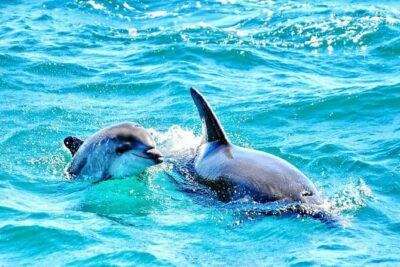
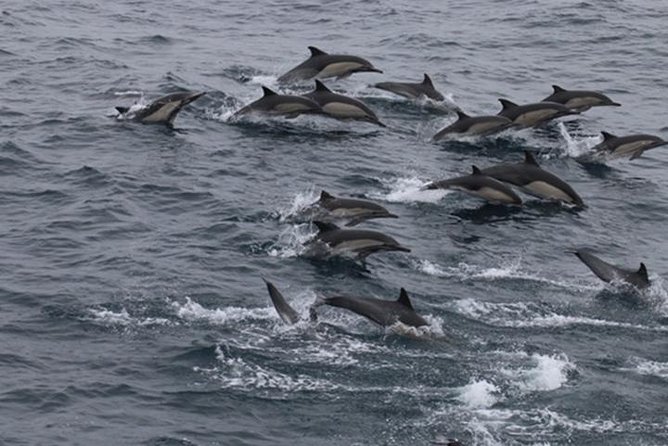
Even when whales are the main target, you’ll still be out on the Pacific with a good shot at other marine life. On many days, dolphins, seals, sea lions, and seabirds show up regularly, so your trip doesn’t automatically become a “nothing happened” outing if the whale gods are quiet.
You can also read our reviews of more tours and experiences in San Diego.
Boarding at Navy Pier (970 N Harbor Dr): The Setup You’ll Feel Fast
The meeting point is City Cruises San Diego Whale Watching & Harbor Tours, 970 N Harbor Dr, San Diego, CA 92101. You’ll want to arrive 30 minutes early so you can check in without rushing and get settled before departure.
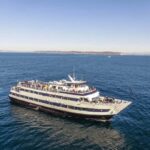
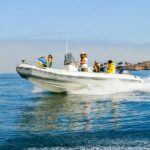
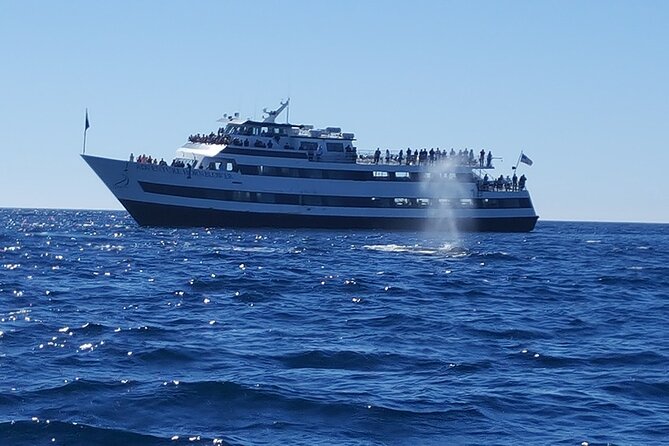
The boat itself is the kind of practical mid-size setup that makes a big difference on the water. You’ll have both indoor and outdoor seating, plus restrooms. From your seat, you’ll be able to keep an eye on the horizon while still having a place to warm up or dry off if the weather turns.
One small thing that matters more than people think: you don’t have to commit to one position for the entire cruise. Some reviews describe how easy it is to walk around while the boat is moving, so you can chase a sighting without feeling glued to one spot.
The Real Itinerary: One Stop, But It’s a Full Experience
This tour is essentially one main phase: you board at the harbor, cruise the waters of San Diego Bay and nearby coastal areas, and return you to the same spot at the end.
That simplicity is a plus. You’re not burning vacation time with multiple transfers. Instead, your time stays focused on being on the water and scanning for marine life.
What the cruise includes during the sail
- A whale-watching cruise on San Diego Bay
- Expert narration from captains and Natural History Museum volunteer naturalists
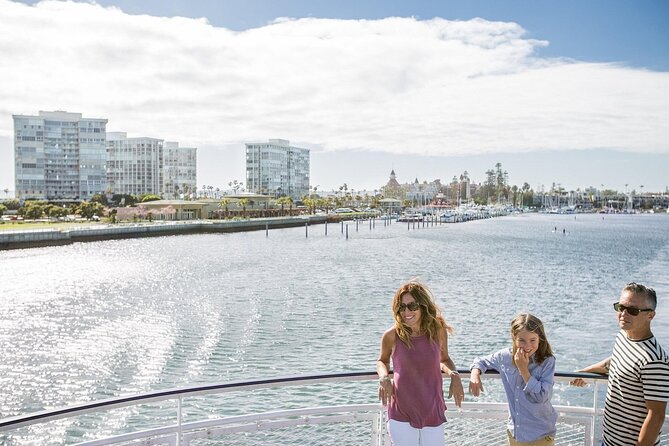
- City skyline and local landmark views while you cruise
- The chance to see whales and other animals like dolphins, sea lions, seals, and seabirds
What you should know about duration
The cruise length shifts by season:
- Dec–Apr: about 3 hours (winter-style whale season sailing)
- Jun–Sep: about 4 hours (summer-style longer outing)
It’s not a huge difference, but it can affect your expectations. On a day when whales are active, 3 hours can feel like plenty. On a day when sightings are slow, 4 hours buys extra time to keep scanning.

What You’ll Likely See: Dolphins, Sea Lions, Seals, and Maybe Gray Whales
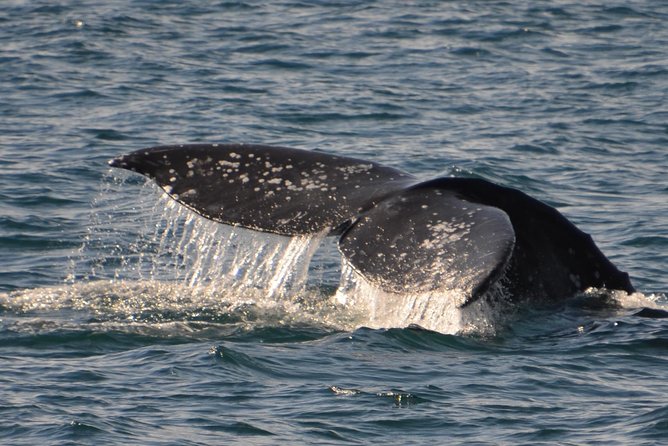
Let’s talk realistic expectations. Gray whales are the headline, but the ocean doesn’t follow a script. The most reliable part of the day is the variety of life around the boat.
Here’s what you should plan to spot, with increasing “maybe” depending on conditions:
- Dolphins: often seen in groups; when they’re active, it can be constant excitement.
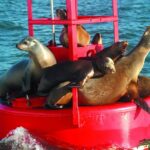
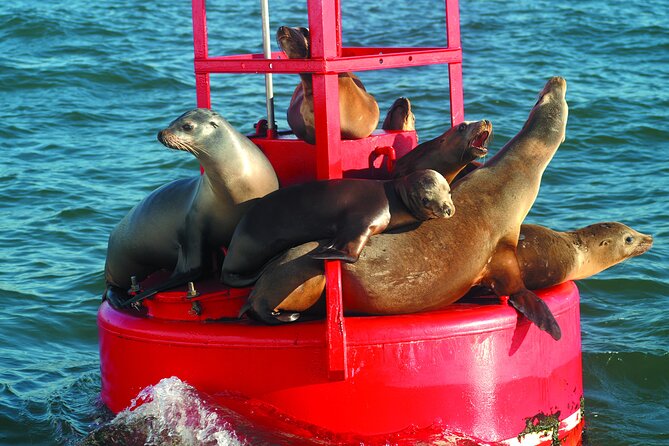
- Seals and sea lions: frequently show up along the waterline, sometimes popping up in spots that make you realize how close they are to human observation.
- Seabirds: they can act like a clue when they’re circling around active waters.
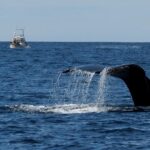
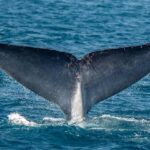
- Gray whales: the star sighting in the Dec–Apr window.
If you’re going in winter, you’re not just chasing whales—you’re also signing up for wind, cold, and wet conditions that can change how comfortable you feel. That’s part of the trade. Bring layers, and you’ll be set up to enjoy even the “wait and watch” stretches.
On-Board Learning: Why the Narration Changes the Trip
Here’s one thing I value in whale tours: I don’t just want to see animals—I want to understand what I’m looking at.
This cruise is set up for exactly that. You’ll hear commentary from the captain and volunteer naturalists, and those explanations can turn a distant spout into a moment you actually interpret.
Names that come up in on-board storytelling include Captain Rick, plus volunteers like Ken from the Natural History Museum. In practical terms, this kind of on-board education helps you:
- understand migration timing (north/south movement)
- recognize behaviors linked to feeding or traveling
- know what to watch for beyond the biggest moments
And when the boat crew is good at tracking—again, something many people credit to Captain Rick—you usually feel like you’re on a team hunt, not just sitting on a boat waiting for luck.
Comfort Tips That Actually Matter: Wind, Sunburn, and Motion
This is where your enjoyment can swing fast. Several reviews highlight that the ride can feel lively, especially if you’re prone to motion sickness. You don’t need to guess—plan ahead.
Wear and pack like it’s a real boat day
- Bring a jacket (especially in colder months; February trips can be chilly)
- Use layers so you can adjust if the sun pops out
- Have a hat and sun protection too, because even cool days can still burn you
Motion sickness prevention
If you get queasy on water, don’t rely on willpower. One practical tip that comes up: taking Dramamine before departure. You may also find a small bar on board where snacks and beverages are available, and some people note Dramamine being sold onboard.
Also, remember that walking around is harder on a moving vessel. If you’re with kids, keep a closer eye while you enjoy the chance to reposition for better views.
Life vests and safety
The boat has Personal Flotation Devices for all guests (Coast Guard requirements). You typically don’t need to wear the provided PFDs during the cruise, though you can request that children wear them if you prefer.
Whale Check Guarantee: What It Means for Your Risk Tolerance
Whale watching is emotional—so when sightings are slow, frustration can creep in fast. This tour offers a straightforward safety net: a whale check if whales aren’t sighted.
If whales aren’t viewed during your cruise, you receive a complimentary whale-watching or harbor tour option. That matters because it turns a weather-dependent, wildlife-dependent activity into something more manageable. You’re not stuck with “thanks for coming” if nature doesn’t cooperate.
Do keep your expectations grounded: this doesn’t promise guaranteed whales every single time, and it doesn’t stop wind or waves from affecting comfort. But it does reduce the chance that the trip feels like a total loss day.
Price and Value: Is $56.92 Per Person Fair?
At $56.92 per person, this cruise sits in a reasonable band for a guided whale-watching experience with narration and educational additions.
What supports the value isn’t only the boat ride. It’s the combination of:
- expert narration from the captain
- volunteer naturalists from the San Diego Natural History Museum
- the included cruise time (3 hours in Dec–Apr, about 4 hours in Jun–Sep)
- the chance to see multiple marine species, not just whales
- all fees and taxes included
- PFD availability onboard
Food and drinks aren’t included, but the boat does have a small bar with snacks and beverages available to purchase. So if you want light snacking, you can handle it without bringing your whole picnic.
The bottom line: if whales are on your must-see list and you want more than a bare-bones ride, the package feels fairly priced for what you’re getting.
Group Size and Boat Feel: Why “Room to Move” Helps
This tour can host up to 300 travelers. That number sounds big, but it doesn’t have to feel crowded.
You’re on a boat with indoor and outdoor space, and some visitors describe the comfort as spacious enough to spread out and move around while cruising. That makes a difference when you’re trying to locate a spout, a tail fluke, or a pod surfacing together.
The key is using the space intelligently. If you find a comfortable spot indoors during cold stretches, you can still step out to the deck when you hear the crew change the tone—because on a whale tour, the vibe shifts when something is spotted.
Weather and Cancellations: How to Think About Backup Plans
This experience requires good weather. If the cruise is canceled due to poor weather, you’ll be offered a different date or a full refund.
That’s the practical reality of sea life tours. Winds, swell, and visibility can change the ability to safely cruise and responsibly watch wildlife. The strongest move on your side is picking a date when you can be flexible—so you’re not locked into a schedule with no wiggle room.
Who This Cruise Suits Best
This is a great fit if you want a classic San Diego ocean outing with guidance.
It works particularly well for:
- couples who want a relaxing, scenic half-day plus real wildlife chances
- families with kids old enough to handle the boat and outdoor watching time
- first-time whale watchers who want context, not just sightings
- people who care about the “why” behind migration—not only the “what”
You should consider skipping or bracing yourself if you:
- can’t handle cold/wind (especially in winter months)
- are extremely sensitive to motion and haven’t planned for it
- need a guaranteed whale sighting with zero variability (wildlife doesn’t do guarantees)
Should You Book This San Diego Whale and Dolphin Cruise?
Book it if you want a practical, guided whale-watching experience that gives you value beyond the ride. The combination of captain-led tracking, Natural History Museum volunteers, and the whale check reduces the risk that you’ll get a dull outing.
Skip it or wait if you’re trying to avoid any chance of unpleasant weather or you’re not willing to prepare for boat conditions. In that case, you might end up focusing on comfort instead of the ocean.
If you time your visit for Dec–Apr and come dressed for the water, you’re setting yourself up for the kind of wildlife experience that stays with you—the kind where you remember not only what you saw, but what you understood when you saw it.
FAQ
How long is the City Cruises whale-watching cruise?
The cruise is about 3 hours between December and April, and about 4 hours between June and September.
Where do I meet the tour?
Meet at City Cruises San Diego Whale Watching & Harbor Tours, 970 N Harbor Dr, San Diego, CA 92101. The tour ends back at the meeting point.
Is the tour offered in the morning or afternoon?
Yes. You can choose a morning or afternoon departure depending on the schedule.
What animals might I see?
You’re there to look for gray whales (seasonal), and you may also see dolphins, sea lions, seals, and seabirds.
Do I need to wear a life jacket?
No. There are PFDs available for all guests, but you do not need to wear them during the cruise. You can request that children wear them during the ride.
Is there a guarantee if whales aren’t spotted?
Yes. If whales are not sighted, you receive a whale check for a complimentary return whale-watching or harbor tour.
What should I bring to stay comfortable on the water?
Bring layers. The water can be cold and windy in some months, and the boat movement can be noticeable. If you get motion sickness, consider taking medication before departure (and note that a small bar may sell snacks and beverages).
What is the cancellation refund window?
You can cancel for a full refund up to 24 hours before the experience start time. The experience may also be canceled for poor weather, in which case you’ll get an alternative date or a full refund.