REVIEW · SAN DIEGO
San Diego: Whale and Dolphin Watching Cruise
Book on GetYourGuide →Operated by City Cruises California · Bookable on GetYourGuide
San Diego turns the ocean into a wildlife watching show. This whale and dolphin cruise heads out from the harbor for a 3.5- or 4-hour run, with live narration that helps you spot what’s out there and understand why these animals show up where they do. You’ll also get views of a lot of the port area as you head offshore.
I love two parts of this outing: the guaranteed whale or dolphin sighting (or you get a pass for another cruise), and the onboard education from Natural History Museum volunteer naturalists. I also like that the captain’s job is to locate animals without crowding them.
One thing to think about: the best viewing is on outer decks reached by stairs only, and the cruise is temporarily not wheelchair accessible due to outdoor seating restrictions.
In This Review
- Key things to know before you go
- San Diego’s coastline is a year-round marine highway
- From Pier 2 to open water: what the 3.5–4 hours really are
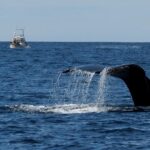
- What you might see: gray, blue, humpback, and a whole cast of dolphins
- Whales to watch by season
- Dolphins and other wildlife that often steal the show
- Expect change, not a fixed script
- On-board narration from the Natural History Museum and Capt. Rick’s style
- Comfort and views: what to bring for deck time and cold mornings
- Food, drinks, and motion sickness: keep it practical
- Value check: is $77 worth it for a 4-hour cruise?
- Who this cruise suits best (and who should rethink it)
- Should you book this San Diego whale and dolphin cruise?
- FAQ
- How long is the San Diego whale and dolphin watching cruise?
- Where does the cruise depart and return?
- Is food and drinks included in the ticket price?
- Do you get a refund or voucher if you don’t see whales or dolphins?
- What should I bring for the cruise?
- Is the cruise wheelchair accessible?
- What ID do I need to board?
Key things to know before you go
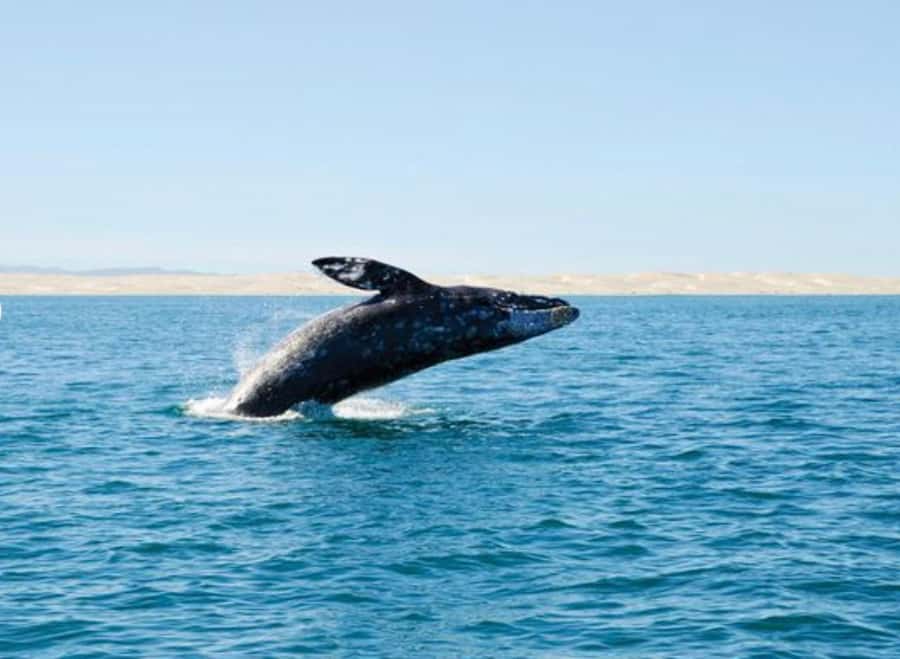
- Guaranteed sighting policy: If you don’t see whales or dolphins, you’ll be issued a pass good for another San Diego whale or harbor cruise.
- Natural History Museum narrators onboard: Expect live commentary focused on marine life and local environmental efforts.
- Captain-led whale spotting: The captain works to find animals while keeping a respectful distance.
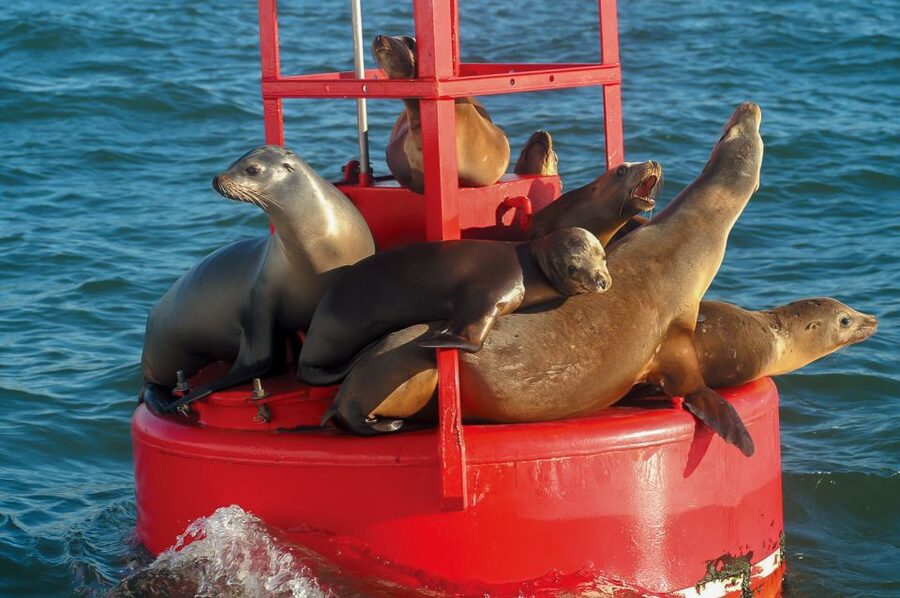
- You may see more than whales: Dolphins, sea lions, harbor seals, Mola Mola (sunfish), and seabirds often share the water.
- Weather can bite: Even on a sunny day, you’ll want a jacket—especially for time on deck.
- Views start at Pier 2: Check in at Pier 2, 970 North Harbor Drive before departure.
San Diego’s coastline is a year-round marine highway
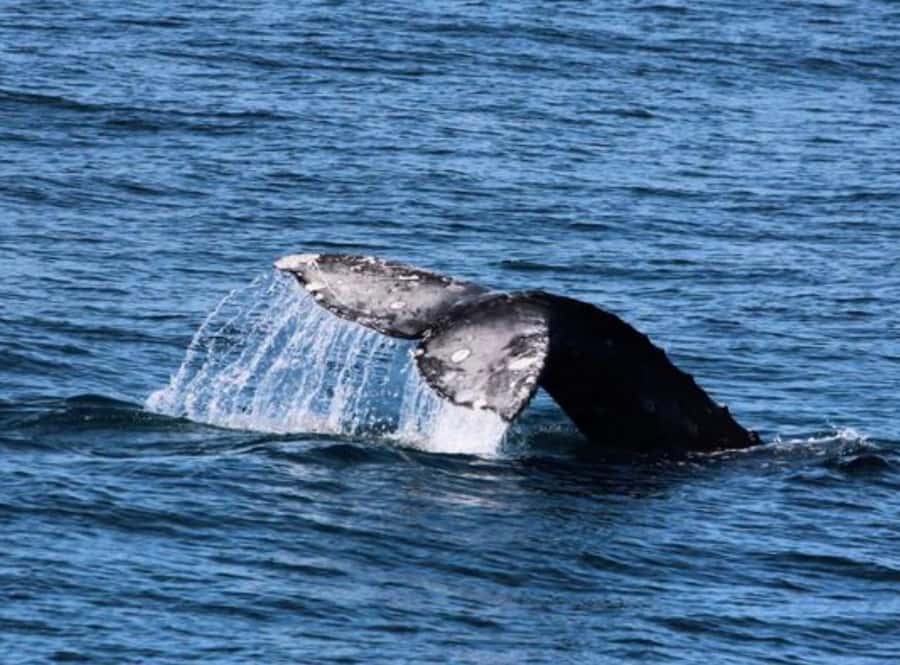
San Diego is one of those rare places where the wildlife calendar stays busy. In winter and spring, you’re in gray whale country. These giants migrate from Alaskan feeding grounds down toward calving lagoons in Baja California—and then turn around to head back north. In summer, it’s blue whale season off the coast, when these largest animals on Earth often feed farther offshore.
This matters because whale watching isn’t just luck here—it’s seasonal timing plus smart searching. Even when whales don’t show, the cruise has plenty of backups in the form of pods of dolphins and other marine life. That makes this a solid choice if you want ocean wildlife without needing to be a marine expert.
You can also read our reviews of more tours and experiences in San Diego.
From Pier 2 to open water: what the 3.5–4 hours really are
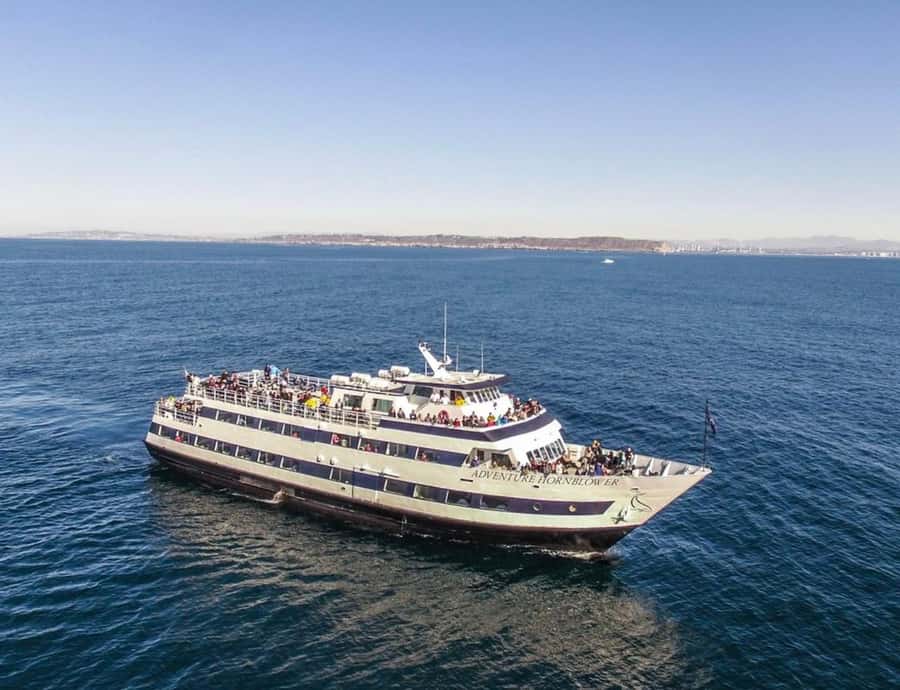
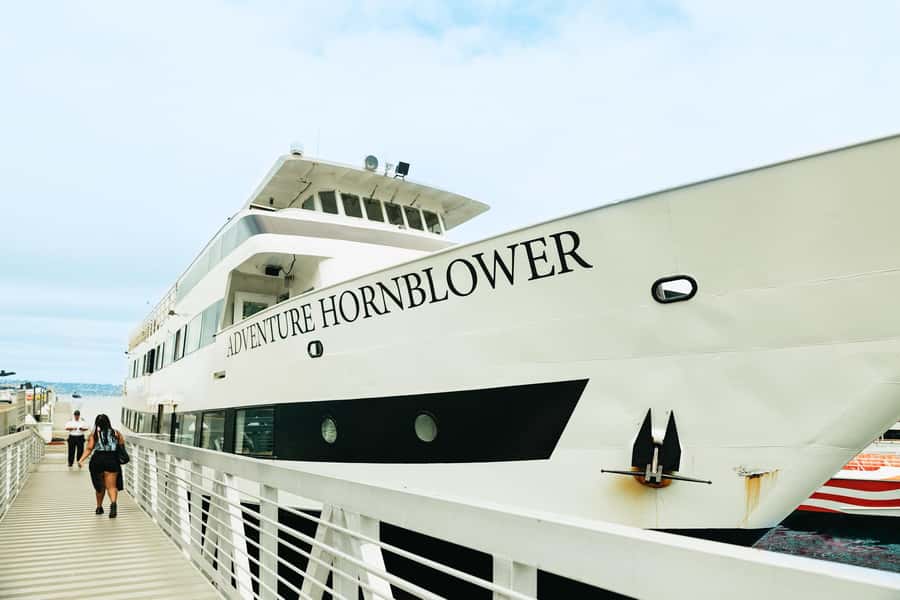
Your day starts at San Diego Harbor, at Pier 2, 970 North Harbor Drive. You’ll check in there and then head out. The cruise itself runs about 3.5 or 4 hours depending on the departure time you pick. When you return, you end back at the meeting point—no long bus ride, no mystery transfer.
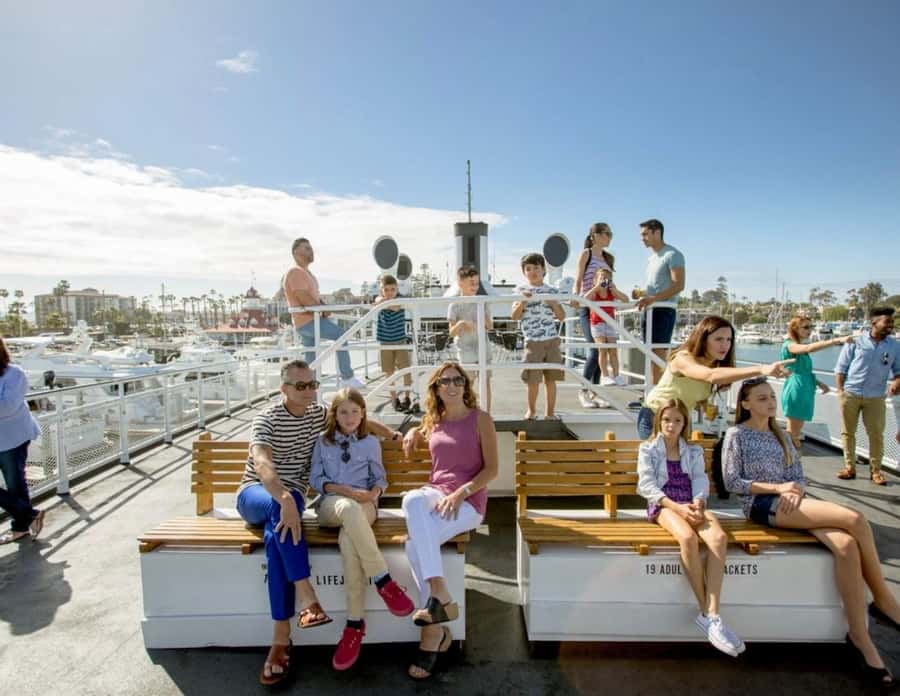
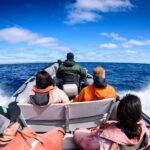
On the boat, the experience is built around staying alert while staying comfortable. You’ll likely spend time bouncing between indoors (for warmth) and the outside decks (for best spotting). The cruise offers outdoor and indoor seating, which is great because conditions can shift fast when you’re on the water.
There are two practical things to plan for:
- Coast Guard rules require a photo ID at boarding. Don’t leave this to the last minute.
- Access to the outer decks is via stairs only. The cruise notes it is temporarily not wheelchair accessible due to outdoor seating restrictions, so plan accordingly if mobility or deck access is an issue for you.
If you’re trying to be efficient, aim to arrive early so check-in doesn’t eat your best daylight viewing window. Whale and dolphin watching rewards patience, but you also don’t want to spend the first part of the cruise stuck in lines.
What you might see: gray, blue, humpback, and a whole cast of dolphins
This cruise is set up for the big names, but it’s also tuned to the frequent “supporting cast” that makes the trip feel alive even on slow days.
Whales to watch by season
- Gray whales: Most likely in winter and spring during migration.
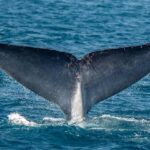
- Blue whales: More common in summer, with feeding activity off San Diego.
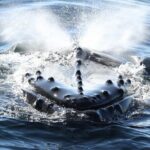
- During summer, you may also see fin, humpback, and minke whales, depending on conditions and where animals are moving.
Dolphins and other wildlife that often steal the show
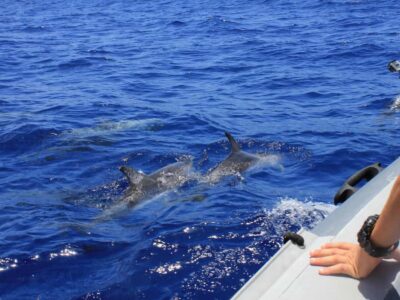
Even when whale sightings are quiet, dolphins tend to keep things interesting. The cruise guidance includes multiple dolphin types, such as:
- Common dolphins
- Bottlenose dolphins
- Risso’s dolphins
- Pacific white-sided dolphins
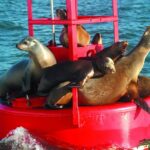
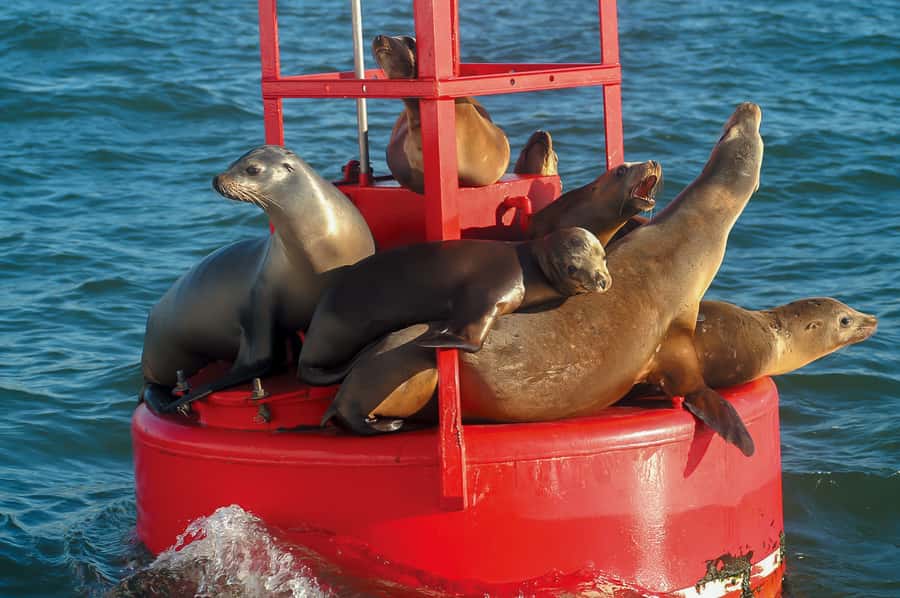
You might also spot sea lions and harbor seals, plus seabirds like herons, terns, pelicans, and gulls. If you’re lucky, the captain and crew may also point out fish such as Mola Mola (sunfish)—a reminder that this is a food web, not just a whale hunt.
A fun detail that gets discussed onboard is the possibility of seeing a whale calf with its mother during migration routes. That’s the kind of moment that can make a cruise feel bigger than a sightseeing trip.

Expect change, not a fixed script
This is why the tour’s policy is a big deal. The ocean doesn’t read calendars. Your captain goes out with a plan, but sightings depend on animal movement, weather, and sea conditions. When you know that, the experience becomes less about a single outcome and more about being out there long enough to catch action as it happens.
On-board narration from the Natural History Museum and Capt. Rick’s style
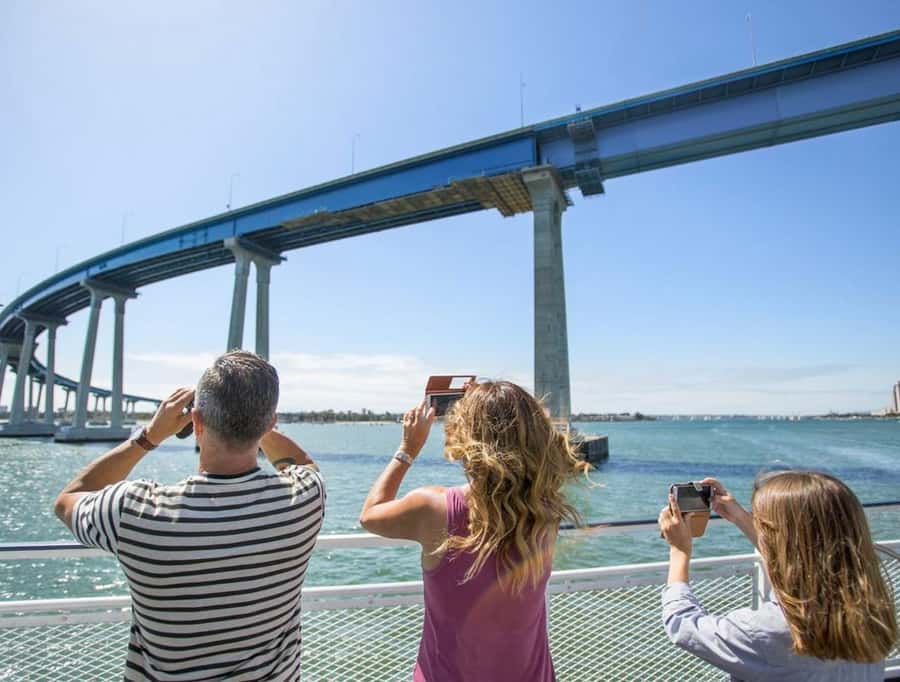
What makes this cruise worth your time goes beyond the animals. The key is the live narration from volunteer naturalists connected with the San Diego Natural History Museum. They help you turn random sightings into something you can actually interpret.
On this kind of tour, you’re not just looking for a spout. You’re learning how to read behavior—what feeding looks like, how pods move, and why whales might be in certain areas. The onboard team also explains local environmental efforts, so you leave with a stronger sense of how the harbor and ocean relate to conservation.
Captains play a big role too. In the feedback, the captain style shows up repeatedly: fast spotting, good pointing, and a respectful approach. One highlight is how the captain works to show whales without approaching too close. That matters for two reasons:
- It helps keep the animals safer and less stressed.
- It gives you better long viewing time, since animals aren’t forced into abrupt reactions.
You also get commentary about the port area and the surrounding activity. If you’re the type who likes learning how places work, this is the kind of narration that makes the harbor views feel purposeful rather than random.
Comfort and views: what to bring for deck time and cold mornings
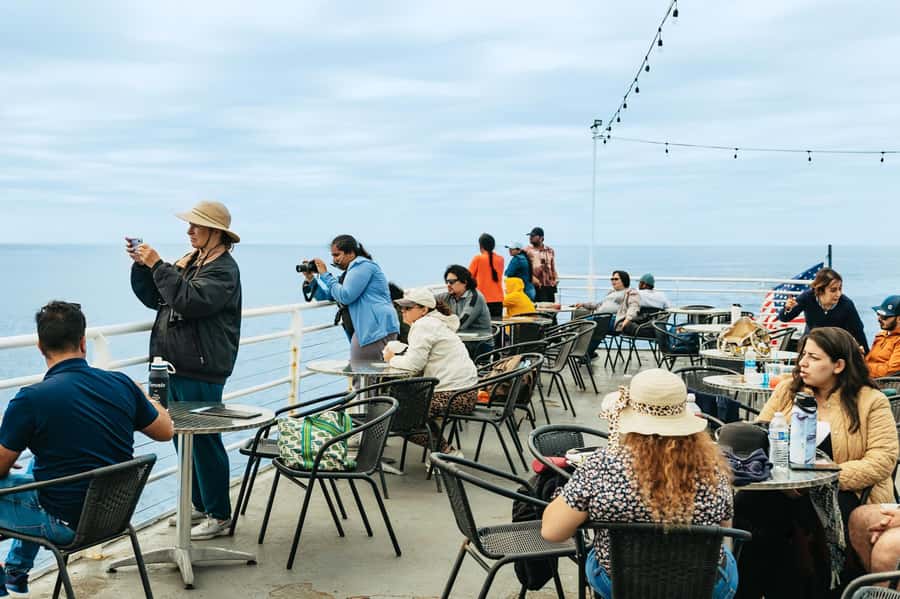
Whale and dolphin cruising is one of those activities where the real comfort factor is gear and timing. The tour notes a simple list, and it’s worth taking seriously:
- Sunglasses
- Sun hat
- Jacket
Even in warm seasons, open water plus wind can cool you down quickly. If you end up spending extra minutes outside while the crew tracks wildlife, you’ll appreciate having a jacket. Also bring sunglasses because your eyes will work harder when you’re scanning the water for spouts and dorsal fins.
One more comfort note from real-world patterns: if you’re hoping to sit up top most of the time, you may find seating tight on cold days. That’s why the mix of indoor and outdoor seating is helpful. I’d plan to treat the cruise like a “switch and spot” routine: indoors to warm up, outdoors to scan, back indoors again.
Food, drinks, and motion sickness: keep it practical
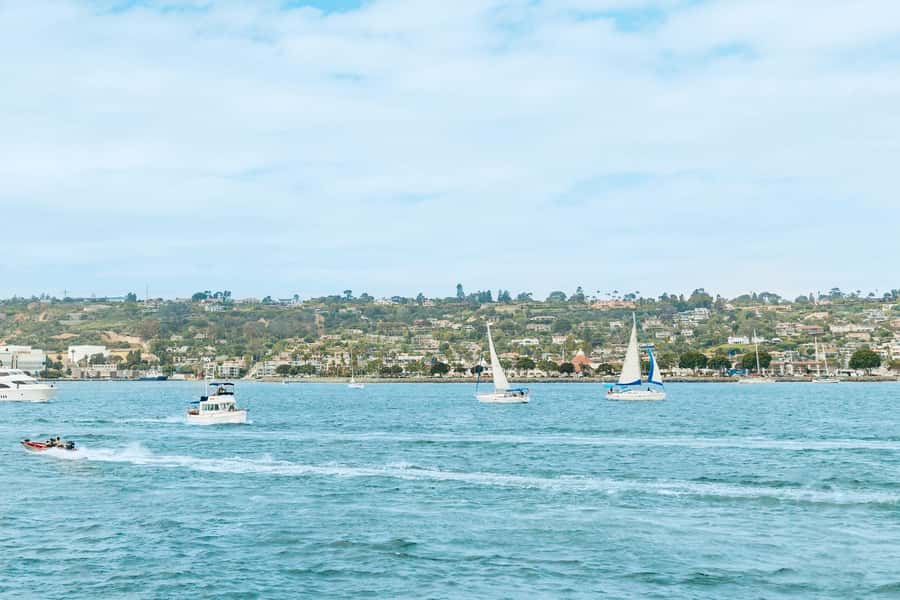
Food and drinks are not included, but they can be purchased on board. If you need a snack, plan to buy it there rather than expecting it in your ticket price.
Two other practical points can make or break your experience:
- Sea sickness prevention: If you’re even slightly prone to motion sickness, consider bringing medicine. On open-water cruises, it’s smart insurance.
- Layers matter: You’ll likely go from sun to breeze, then back again. A jacket keeps you from turning the cruise into an endurance event.
Also, if you want to maximize spotting time, avoid overstuffing yourself. You don’t want a heavy meal to fight against any nausea tendency when the boat makes small speed changes to chase sighting locations.
Value check: is $77 worth it for a 4-hour cruise?
At about $77 per person, the price feels reasonable for a half-day ocean outing that includes:
- a 3.5- or 4-hour cruise,
- indoor and outdoor seating,
- and expert narration from the Natural History Museum team.
The best part is that the cruise isn’t a pure gamble. There’s a guarantee: if you don’t sight whales or dolphins, you’ll get a pass for another San Diego whale watching or harbor cruise. That turns your purchase into something closer to a do-over plan, not a one-shot ticket.
To judge value honestly, think about how you’re spending your time while in San Diego. If you’re already paying for activities and you want a signature ocean experience, this fits neatly. It’s also a good “anchor” activity for families and mixed-age groups because it’s straightforward: go out, look, learn, return.
If you’re the sort of visitor who’s been on whale cruises that mostly feel like sitting around waiting, this one has a built-in education layer and a sighting policy that helps you feel looked after.
Who this cruise suits best (and who should rethink it)
This cruise works especially well if you:
- want a guided marine experience instead of self-directed spotting,
- are traveling with kids or a group that benefits from narration,
- like the idea of seeing multiple wildlife types, not just a single whale species,
- and you prefer a stable, easy-to-follow boat ride focused on wildlife viewing.
It’s also a strong fit if you’re in San Diego outside peak travel seasons but still want year-round options. With gray whales in colder months and blue whales in summer, you’re choosing a place where the timing actually matters.
Who might rethink it?
- Anyone who depends on step-free deck access should be cautious. The cruise notes temporary limitations due to outdoor seating stairs.
- If you’re sensitive to motion, plan for that with prevention and warm layers.
Otherwise, it’s a friendly, “watch the ocean and learn as you go” kind of outing.
Should you book this San Diego whale and dolphin cruise?
I’d book this cruise if you want a high-chance wildlife experience with real interpretation onboard—not just a boat ride. The combination of museum naturalists, captain-led spotting, and the guaranteed whale or dolphin sighting (with a pass if you miss) makes it feel like a smart bet for a half-day.
Choose the season based on what you’re chasing:
- Winter–spring: gray whales are the main draw.
- Summer: blue whales are the headline, with other whale species possible too.
And if whales don’t cooperate, you’re still set up to enjoy dolphins, seals, sea lions, and seabirds.
One last tip: dress for wind and deck time, bring your photo ID, and be ready to look longer than you think. Whale watching rewards calm focus. If you do that, this cruise can turn San Diego’s coastline into a story you’ll remember long after you leave the harbor.
FAQ
How long is the San Diego whale and dolphin watching cruise?
The cruise lasts about 3.5 or 4 hours. Exact starting times depend on the date you choose, so checking availability helps you pick the best departure.
Where does the cruise depart and return?
It departs from San Diego Harbor at Pier 2, 970 North Harbor Drive, and the tour ends back at the same meeting point.
Is food and drinks included in the ticket price?
No. Food and drinks are available for purchase on board, but they are not included in the tour price.
Do you get a refund or voucher if you don’t see whales or dolphins?
Yes. The cruise offers a guaranteed whale or dolphin sighting. If you don’t sight some type of whale or dolphin during the cruise, you’ll be issued a pass that’s good for another San Diego whale watching or harbor cruise.
What should I bring for the cruise?
Bring sunglasses, a sun hat, and a jacket. Coast and ocean conditions can make it feel cooler and windier once you’re offshore.
Is the cruise wheelchair accessible?
The activity notes wheelchair accessibility, but it also says access to outer decks is via stairs only and that the cruise is temporarily not wheelchair accessible due to outdoor seating restrictions. If accessibility matters for you, check with the operator before booking.
What ID do I need to board?
Coast Guard regulations require a photo ID upon boarding. Bring it with you to check in.