REVIEW · LAGOS
Dolphin and Whale Watching in Lagos
Book on Viator →Operated by Lagos Grotto Trips · Bookable on Viator
Dolphins do not show up on a schedule. This 11:30am boat trip from Lagos, led by Lagos Grotto Trips, is all about getting out on the Atlantic near the Algarve coast in a RIB and letting a guide steer you toward the best chances to spot cetaceans. I like two things right away: the late morning start (no early-stress alarms) and the small-group feel with a maximum of 18 people, so it stays personal when the action starts.
Here’s the catch: sea life is wild, so sightings can be quick or limited on any given trip. One mixed experience in the crowd story was basically a brief flurry of dolphins, then a longer stretch with no additional sightings after moving to another spot.
In This Review
- Key Highlights You’ll Care About
- Lagos RIB Dolphin Watching: The 11:30am Start That Makes It Feel Easy
- What You’re Really Trying to See: Dolphins and Whales on Their Terms
- The Aftermath RIB Boat Ride: Fast, Direct, and Not Entirely “Chill”
- How the Guide Actually Finds Sea Life (and Why That’s the Value)
- Timing and Photos: The Fine Balance Between Looking and Shooting
- Onboard Experience: Small Group, Personal Service, English Guide
- Water and Weather Reality: When Conditions Drive the Outcome
- Who This Tour Suits Best in Lagos (and Who Might Skip It)
- Value for Your Money: What You’re Paying For (Besides a Boat)
- If You Book This, Do This to Improve Your Chances
- Should You Book Dolphin and Whale Watching in Lagos?
- FAQ
- What’s the duration of the dolphin and whale watching tour in Lagos?
- Where does the tour start?
- What boat will I ride on?
- What species might I see?
- Is this tour suitable for children?
- What happens if the weather is poor?
Key Highlights You’ll Care About
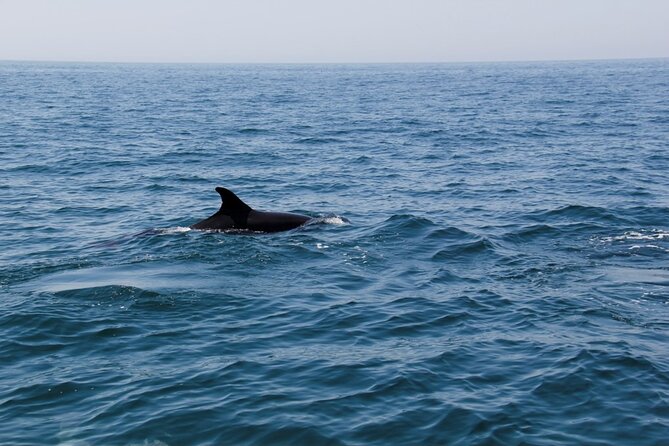
- A guide actively searches the best spots for dolphins and other cetaceans in their natural habitat
- RIB boat ride on the Atlantic in the rigid inflatable Aftermath
- Typical species may include common dolphins, bottlenose dolphins, harbor porpoise, and Risso’s
- Small group size (up to 18 travelers) for a calmer, more guided experience
- Late morning (11:30am) so you can start slow in Lagos and still be back the same day
Lagos RIB Dolphin Watching: The 11:30am Start That Makes It Feel Easy
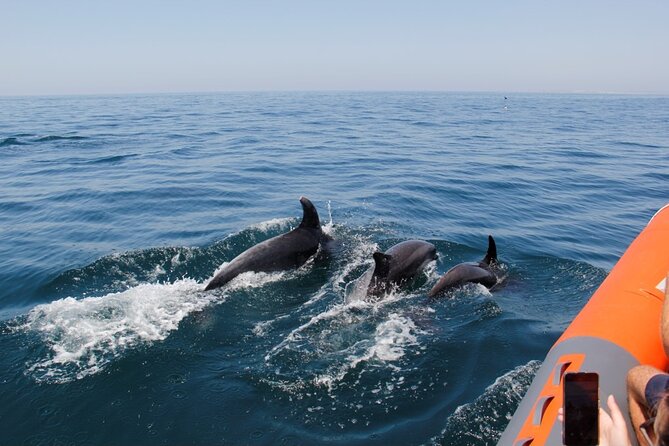
This tour is built around a simple idea: get out on the water when people are awake, the sea is less chaotic than early hours, and you still have a slow morning in Lagos. The start time is 11:30am, and it runs about 1 hour 30 minutes out on the Atlantic and back.
Your meeting point is clear: Passeio dos Descobrimentos 10, 8600-315 Lagos. The activity returns to the same place. That matters because you’re not stuck figuring out a complex end-point after you’ve already had sea time and probably taken a lot of photos.
You should also plan for the vibe. This is not a long lecture kind of trip. It’s a “go, look, adjust fast” style outing. The guide’s job is to find where the cetaceans are using the water like they own it.
You can also read our reviews of more tours and experiences in Lagos.

What You’re Really Trying to See: Dolphins and Whales on Their Terms
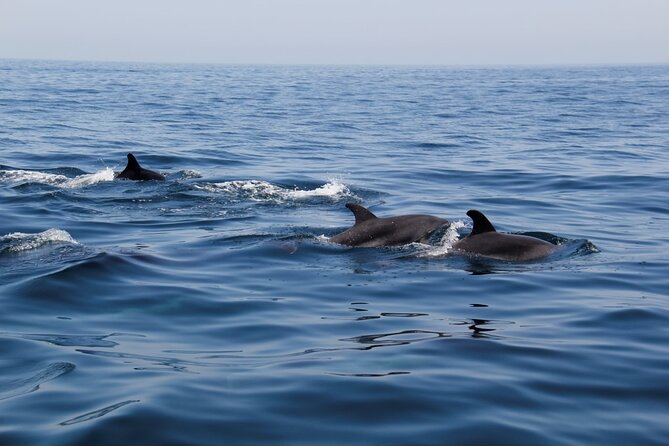
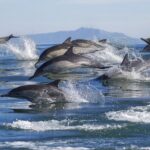
The tour is described as dolphin and whale watching, and the focus is on multiple cetaceans you might spot in this stretch of Atlantic water outside the Algarve coast. The species list is specific, which helps set expectations:
- Common dolphin
- Bottlenose dolphin
- Harbor porpoise
- Risso’s dolphin
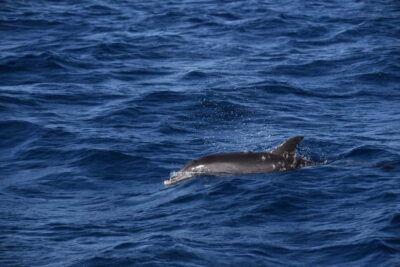
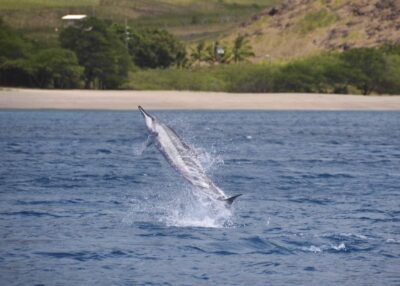
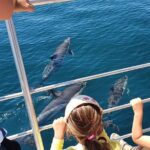
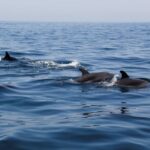
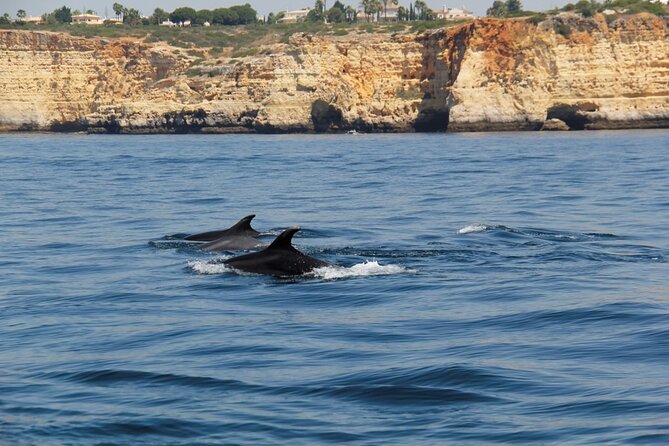
A guide on board will point out what they’re looking at and where to look next. That matters because dolphins don’t give you a neat, single-location viewing window. They can surface suddenly and disappear just as fast, and they may appear from different angles. One positive note from the experience highlights this: the team kept waiting and scanning until dolphins showed up, even when time was running tight.
One more reality check: even when dolphins are present, the best sightings can be short. In the mixed experience, the highlight was a brief burst (a handful of dolphins seen for a couple of minutes), followed by a move and a long stretch without further sightings. That’s not a failure of the operator. It’s the nature of watching wild animals.
So your best mindset is: come ready for a chance, not a guarantee.
The Aftermath RIB Boat Ride: Fast, Direct, and Not Entirely “Chill”
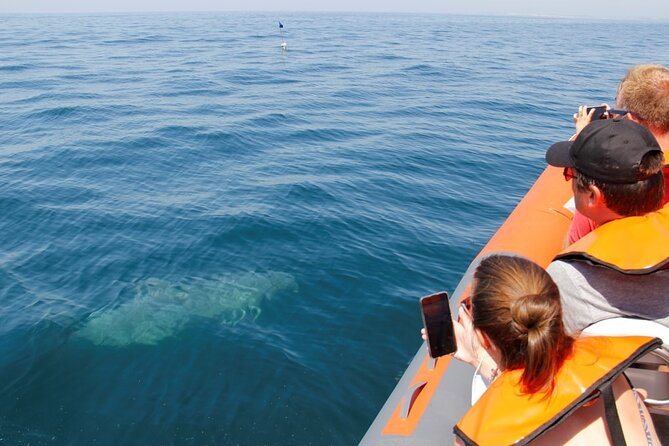
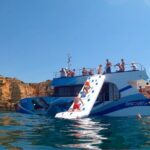
You’ll ride in a rigid inflatable boat, or RIB, called the Aftermath. RIBs are popular for wildlife watching because they’re stable for their size and they can handle open water well enough to get you to the right spots.
Comfort-wise, the tour is marketed as a comfortable ride. Still, don’t ignore the emotional side. In one of the stronger reviews, the speedboat element was described as a little scary for some people, even though the dolphins made the whole thing worth it. Translation for you: this is likely to feel like movement, not like a slow sightseeing ferry.
If you’re the sort of person who gets queasy on small boats, consider how you handle boat motion in general. The tour calls for moderate physical fitness, and you should expect a typical open-water boat environment: shifting positions, bracing yourself when the boat turns, and quick walking/standing while staff keep things safe and organized.
How the Guide Actually Finds Sea Life (and Why That’s the Value)
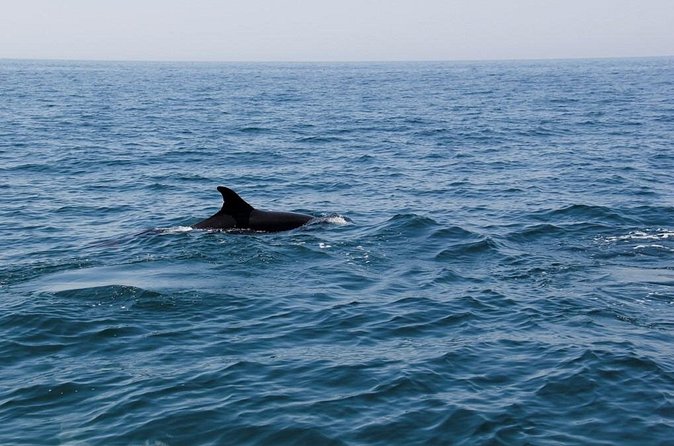
The biggest value in this experience is not just “a boat goes out.” It’s that your guide searches for sightings and takes you to the best water for what’s active. The tour description is explicit that the guide knows where to watch for cetaceans in their natural habitat.
In practice, that means you’re not sitting in one place hoping the ocean delivers. You’re out there, moving and scanning, adjusting when the guide spots signs of dolphins or other marine life.
That’s why the boat ride can feel like a hunt. And it also explains why the viewing time can be uneven. When dolphins are nearby, you might get several quick surface events. When they’re elsewhere, you may find yourself traveling to the next likely area. The mixed review shows the downside of that system: after an initial sighting, the group moved and the remainder of the trip felt too long without additional sightings.
Still, you should see this as part of how wildlife tours work. The best guides respond in real time to what the animals are doing, not what a fixed itinerary claims.
Timing and Photos: The Fine Balance Between Looking and Shooting
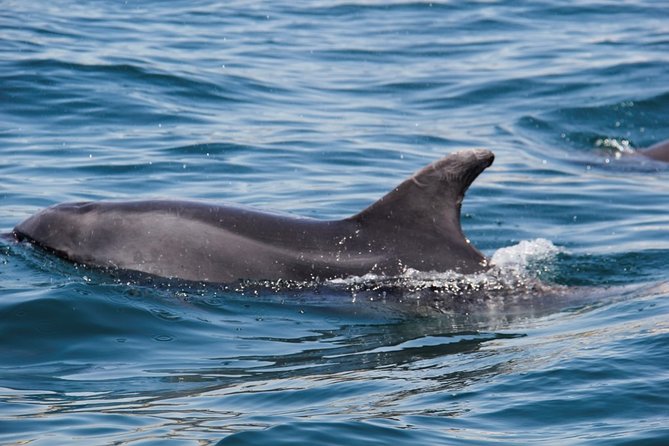
One thing I’d plan for is how fast the action can happen. When dolphins are present, you may need to scan constantly because they don’t always surface where you’re already staring. A family-oriented review describes the photo challenge honestly: you have to look in multiple directions because you don’t know where they’ll come up from.
Here’s how to make this easier for yourself:
- Keep your camera ready before the boat reaches the “hot” area.
- Don’t spend the entire time lowering gear or reorganizing bags.
- Practice quick scanning left, right, and straight ahead.
Also, consider your personal patience level. If you only enjoy a wildlife moment when it lasts long, this might be emotionally harder. If you’re happy with fast sightings and you like the idea of being guided to the next chance, it fits well.
Onboard Experience: Small Group, Personal Service, English Guide
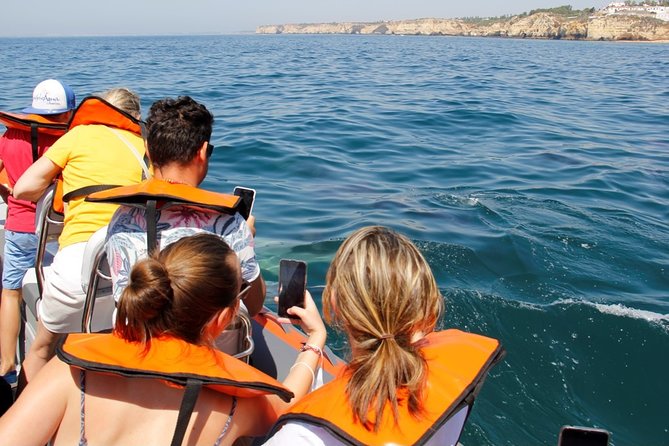
This tour is limited to a maximum of 18 travelers, which makes a difference the moment sightings start. Smaller groups typically mean you get more attention when you need it: hearing instructions clearly, having space to look, and avoiding bottlenecks when someone spots movement.
The tour is offered in English, and you’ll have a guide on board. The operator emphasizes personalized service, and the reviews back up that the team is attentive and willing to keep scanning until they find dolphins.
There’s also a mobile ticket setup. You’ll receive confirmation at booking, and since the meeting point is near public transportation, you should be able to get there without stress if you’re staying in central Lagos.
One small note for families and young kids: it’s not recommended for children under 4, which usually means the tour expects the child to handle boat movement and time on the water.
Water and Weather Reality: When Conditions Drive the Outcome
This is outdoors on open water, so weather matters. The tour notes that good weather is required. If conditions aren’t right, you’ll be offered a different date or a full refund.
That’s worth thinking about before you commit your day. If your schedule is flexible, you’re more likely to catch ideal sea conditions. If you’re on a tight timetable, you’ll want to build in some resilience in case the weather triggers a change.
The sea life part also is weather-adjacent. Even on good days, dolphins and other cetaceans are unpredictable. But strong weather conditions can reduce the operator’s ability to safely travel or stay comfortable enough for real searching.
Who This Tour Suits Best in Lagos (and Who Might Skip It)
This experience is a good match if you:
- Want a practical, hands-on wildlife trip rather than a long bus day
- Like the idea of an active guide who moves you to improve the odds
- Enjoy fast, close-up ocean moments rather than long guaranteed viewing
It may not be ideal if you:
- Have very low tolerance for boat motion (RIB rides can feel lively)
- Need a guaranteed long viewing window, because sightings can be brief and then change
- Have very young children (under 4 is not recommended)
For couples and families who can handle being on a boat for 90 minutes and who are flexible about seeing things fast, this can be a fantastic day in Lagos. For anyone who gets stressed by uncertainty, consider whether you’d be happier with a more fixed sightseeing activity. Dolphin watching comes with the territory.
Value for Your Money: What You’re Paying For (Besides a Boat)
There’s no price number provided here, so I’ll frame value in terms of what’s included and what you’re buying.
You’re paying for:
- A RIB ride (not just a shoreline lookout)
- A guide focused on finding cetaceans
- The chance to see multiple species listed for this area
- A short, efficient outing that fits into a day without dominating it
The best reviews emphasize that the team keeps searching and doesn’t give up the moment time gets tight. That’s value. And the operator’s small group size helps keep the experience from feeling like a crowded scramble.
The main value trade-off is the nature of wildlife viewing: you might have a great moment, then less after, depending on where animals decide to be. The mixed review is your reminder to book with realistic expectations about wild sightings.
If You Book This, Do This to Improve Your Chances
You can’t control dolphins. But you can control your readiness.
- Arrive a bit early so you can settle before boarding.
- Bring a camera or phone with enough battery. Get your shots without fumbling.
- Dress for the sea and keep outerwear handy. Even late morning can feel cool once you’re moving.
- Plan your expectations around a 90-minute adventure, not a guaranteed whale viewing session.
And if you’re sensitive to motion, consider your personal comfort strategy ahead of time. A RIB is quick and direct. It’s part of the charm, and also part of the motion.
Should You Book Dolphin and Whale Watching in Lagos?
I’d book this if your main goal is to get out on the Atlantic and you’re excited by the idea of a guide actively searching for dolphins and other cetaceans. The late morning timing, the small group, and the hands-on searching approach are exactly the kind of setup that turns a simple outing into a memorable wildlife encounter.
I’d hesitate if you strongly need long, uninterrupted sightings. Wild animals can change the script fast, and one experience described a brief dolphin sighting followed by moving on and seeing less afterward.
If you’re okay with that uncertainty and you want the best odds within a short, efficient Lagos outing, this is a strong choice.
FAQ
What’s the duration of the dolphin and whale watching tour in Lagos?
The tour runs for about 1 hour 30 minutes, with the activity ending back at the meeting point.
Where does the tour start?
The meeting point is Passeio dos Descobrimentos 10, 8600-315 Lagos, Portugal, and the tour returns there.
What boat will I ride on?
You’ll ride in a rigid inflatable boat (RIB) called the Aftermath.
What species might I see?
The tour mentions possible sightings of common dolphins, bottlenose dolphins, harbor porpoise, and Risso’s dolphins.
Is this tour suitable for children?
It is not recommended for children under 4 years old, and it requires a moderate physical fitness level.
What happens if the weather is poor?
The tour requires good weather. If it’s canceled due to poor weather, you’ll be offered a different date or a full refund.