REVIEW · TAURANGA
Dolphin & Wildlife Encounters
Book on Viator →Operated by Bay Explorer · Bookable on Viator
Dolphins, seals, and even orca—on the same cruise. This half-day Tauranga trip pairs 360° outdoor viewing on an 18-metre vessel with a big sun deck built for watching seasonal marine life at close range. I love the two-level setup (fully enclosed seating downstairs plus an open top deck) and the onboard commentary that turns random sightings into something you can actually recognize. One thing to consider: it requires good weather, so the operator may shift your date if conditions are poor.
You also get a land-and-sea mix around Mount Maunganui: quick stops at the Summit Track, Main Beach, and Base Track before heading back out toward Pilot Bay and the nearby islands. It is designed to feel personal too, with a maximum of 50 travellers and limited passenger numbers for comfort.
Bring your camera and be ready to look in every direction. The crew focus on locating wildlife and making sure people see it from different parts of the boat, without rushing the experience.
In This Review
- Key things I’d plan around
- A Tauranga dolphin cruise that feels built for spotting
- What makes the marine “mix” special
- The boat setup: comfort below, watching power on top
- The crew’s spotting style
- Mount Maunganui stops that actually earn their keep
- Summit Track: the view part
- Main Beach and Base Track: easy scenic variety
- Pilot Bay, Moturiki Island, and Mayor Island: where the action tends to cluster
- Pilot Bay: your launching point for the marine story
- Moturiki Island and Mayor Island: the “keep watching” zone
- Dolphins (and more): how to maximize your wildlife odds
- What I’d watch for in order
- The photo angle you should plan for
- Onboard commentary: what turns sightings into understanding
- Price and value: is $108.60 a fair deal?
- Who gets the best value
- Timing and pairing it with Rotorua: the day after is yours
- Build your expectations around weather
- Should you book the Bay Explorer Dolphin and Wildlife Cruise?
- FAQ
- Where does the Dolphin and Wildlife cruise start?
- What time does the experience begin?
- How long is the cruise?
- Does this tour use a mobile ticket?
- What animal types does the cruise aim to show you?
- Is there outdoor viewing on the boat?
- What happens if the weather is poor?
- What is the maximum group size?
Key things I’d plan around
- 18-metre vessel with 360° outdoor views so you can watch from multiple angles
- Enclosed seating downstairs + open sun deck for comfort and wildlife scanning
- Onboard commentary that points out what you’re likely seeing in the Bay of Plenty
- Wildlife odds across seasons including dolphins, seals, penguins, whales, sharks, turtles, and orca
- Mount Maunganui stops built into the day so you get views even if the sea is calm
- Photo-first approach with close-up viewing opportunities
A Tauranga dolphin cruise that feels built for spotting
If your idea of a good wildlife day is less waiting around and more active searching, this cruise fits the bill. You’re on a spacious 18-metre boat with 360° outdoor sightlines, which matters in the Bay of Plenty where marine animals can pop up from different directions. And because the vessel has both enclosed seating and an open deck, you’re not stuck freezing, fanning yourself with your jacket, or sweating the whole time.
The other big reason this works is the structure of the day. You’re not only on the water. You also get time for Mount Maunganui-style scenery with stops that break up the experience and give you plenty to look at even when wildlife keeps its distance.
You can also read our reviews of more tours and experiences in Tauranga.
What makes the marine “mix” special
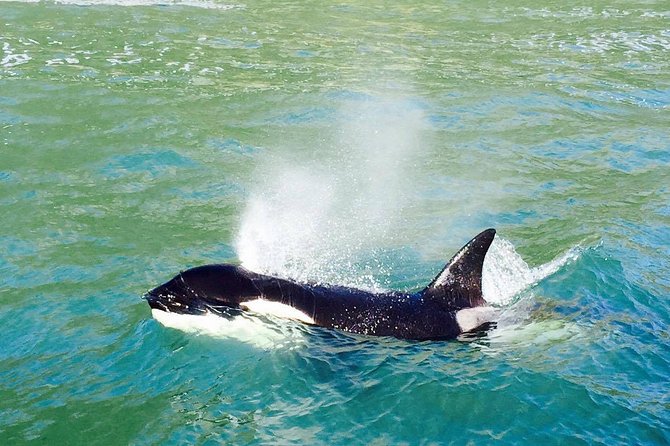
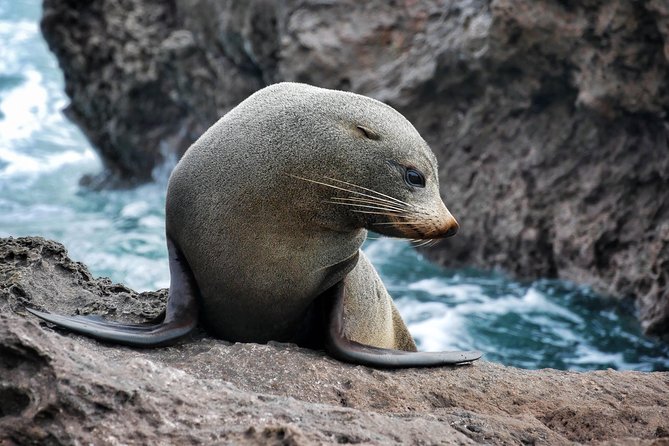
This isn’t a one-animal cruise. The operator highlights seasonal chances of seeing penguins, seals, dolphins, whales, sunfish, school fish, seabirds, sharks, turtles, and even orca. That variety is a real value-add because it keeps the day moving: if you miss one species, you still have several different groups of animals you can watch for as the cruise progresses.
It also makes the commentary more useful. When you hear the story of the Bay’s marine life while you’re actually looking out the window, you start noticing patterns—like where seabirds tend to gather, or how dolphins often move along with the water traffic.
The boat setup: comfort below, watching power on top
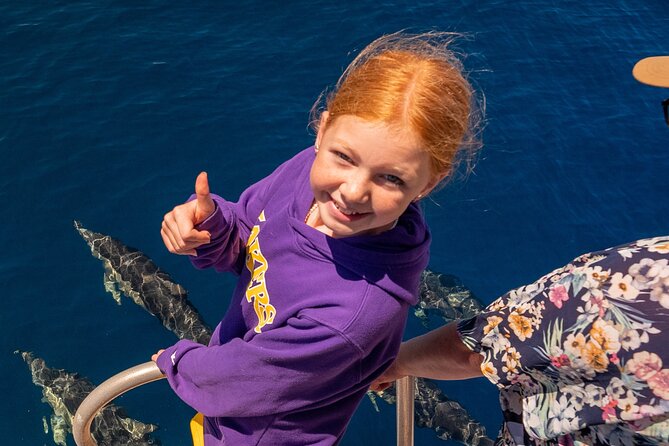
The “two-level” design is the practical win here. Downstairs you’ll have fully enclosed seating, which is a lifesaver on cool or breezy days. Up top you get a large open sun deck for wildlife watching, with the kind of clear sightlines you want when animals show up fast.
This also affects how you should plan your own day. If you’re the type who wants to stay comfortable between sightings, you can cycle between indoor warmth and outdoor scanning. If you’re a hardcore watcher with a camera, you’ll probably spend most of your time on deck, but you won’t feel trapped if conditions change.
The crew’s spotting style
In the best wildlife days, the crew read the water and then give you time to actually look. This operator’s approach is to locate wildlife and allow people to see it from different parts of the vessel. That is more than a nice touch—on boats, animals often swim by in one direction, and the best sightings can be missed if everyone is stuck on one side.
So when you step onto the deck, do it with a camera ready and a willingness to shift position. You don’t need to sprint. Just be flexible.
Mount Maunganui stops that actually earn their keep
This tour builds a mini “Mount Maunganui highlights” circuit into the day. You’ll visit the Mount Maunganui Summit Track and also stop at Mount Maunganui Main Beach and the Base Track, plus a few other Bay of Plenty locations. Even if your main goal is dolphins, these stops are worth it because they give you immediate payoff on land.
Summit Track: the view part
The Summit Track stop is the big viewpoint moment. You’ll get a chance to look out over the region before heading back onto the water. It’s the kind of stop that helps you understand what you’re cruising near—coastline, islands, and the overall shape of the Bay.
One practical note: anything with a track can mean uneven ground and shoes that grip. If you want a low-stress time, wear footwear you already trust.
Main Beach and Base Track: easy scenic variety
The Main Beach stop gives you a classic coastline break, and the Base Track stop continues the “get your bearings fast” feeling that makes the day smoother. These are good moments to rehydrate, check your photos, and decide where you want to be when you’re back on the boat.
Also, the land stops can be a comfort buffer. Wildlife sightings can be quick and random. Even on an amazing day, there will be quiet stretches. Having scenic walking stops helps the whole half-day feel full.
Pilot Bay, Moturiki Island, and Mayor Island: where the action tends to cluster
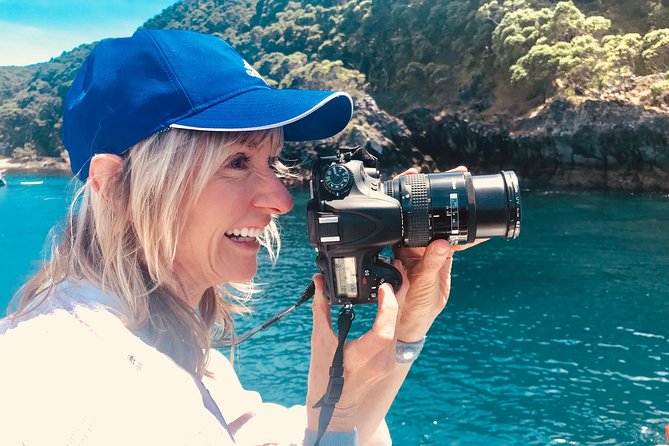
After the Mount Maunganui portion, the cruise focuses on the water near Pilot Bay and the islands of Moturiki and Mayor Island. These areas are the kind of places where you can watch the marine scene as it changes—seabirds working the air, fish activity near the surface, and bigger animals following what’s happening below.
Pilot Bay: your launching point for the marine story
Pilot Bay is one of the places that helps set the rhythm for the cruise. You’re out in the Bay of Plenty looking for seasonal wildlife, and this is where you start making sense of the area. The onboard commentary adds context here, so you’re not just scanning like a tourist with binoculars—you’re looking for specific signs of animal activity.
Moturiki Island and Mayor Island: the “keep watching” zone
Moturiki Island and Mayor Island are the next focus points on the itinerary. Islands matter for wildlife viewing because they shape currents, food availability, and where animals choose to rest or travel. You’re likely to spend time scanning for multiple species rather than hunting one target.
The key is patience with your eyes. Even when you’re not seeing dolphins, you might catch seabirds diving, school fish moving in tight groups, or the telltale surface movement that signals something larger nearby.
Dolphins (and more): how to maximize your wildlife odds
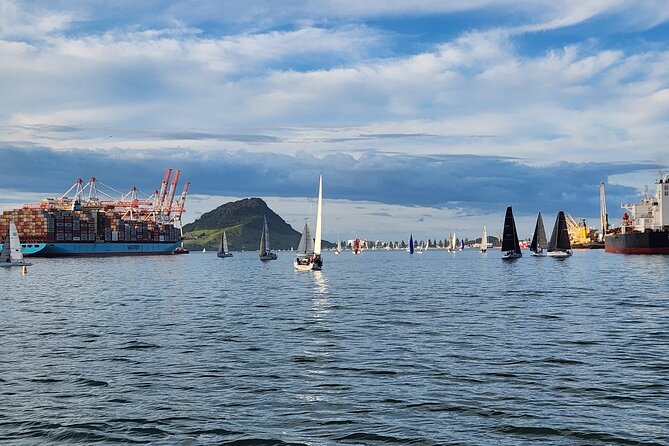
This is a “search and spot” style cruise, not a sit-straight-and-hope tour. The operator encourages you to participate by watching actively from the large top deck. The goal is to find wildlife as it appears and to keep the group engaged when sightings happen.
What I’d watch for in order
Based on what the cruise highlights, I’d keep a simple mental checklist:
- Dolphins and seals often show up with movement near the water surface
- Seabirds can act like a clue trail
- Whales or orca are less frequent, but when they happen you’ll want to be positioned for a clear view
- Turtles and sharks are harder to spot, so focus on changes in surface activity and birds/fish indicators
Even if you don’t see every species listed, the day can still feel like a win because you’re watching for multiple animal groups.
The photo angle you should plan for
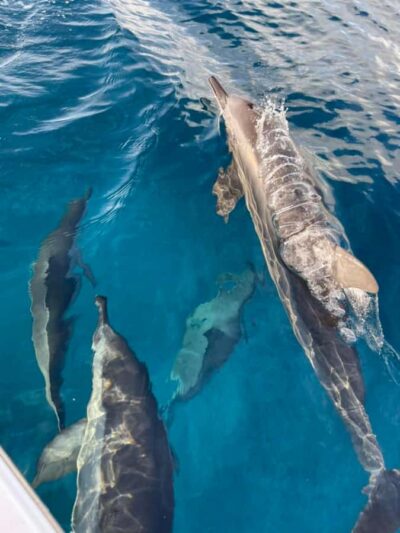
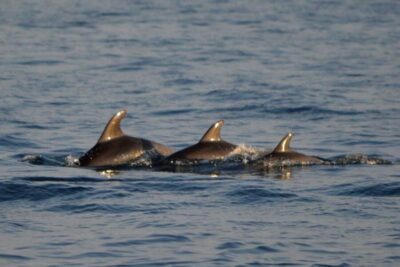
You’ll get photos of a lifetime partly because the operator aims for close-up viewing. But your own photos depend on timing and positioning. When dolphins or larger animals come into view, be ready to move slightly along the deck so your line of sight stays clean.
A small planning tip: keep your camera settings ready before you need them. If you’re fiddling with menus when a pod appears, you lose the moment.
Onboard commentary: what turns sightings into understanding
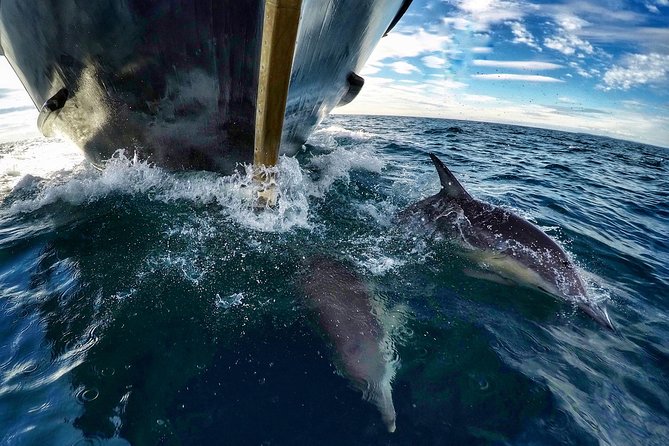
A lot of wildlife cruises have announcements that sound nice but don’t change what you see. This one leans harder on onboard commentary and facts about the Bay and local marine wildlife. That matters because it helps you connect the animal to the place.
When you hear references tied to what you’re seeing—like the kind of marine habitat you’re passing or why certain species might show up—you’ll remember more and your photos will mean more.
The crew’s marine knowledge is also part of the experience vibe. In a great day, they not only point things out but also help you understand how to look—what to scan for, where to focus, and when to switch from one side of the vessel to the other.
Price and value: is $108.60 a fair deal?
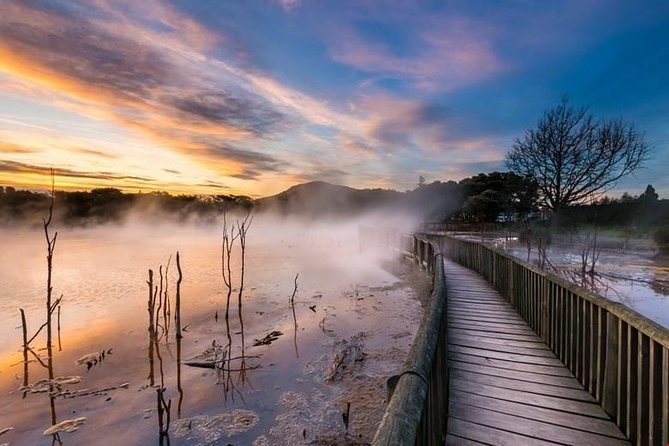
At $108.60 per person for about five hours, you’re paying for a few things at once: an 18-metre boat experience, a limited-group setup, active wildlife searching from both indoor and outdoor viewing areas, and onboard interpretation.
Is it cheap? No. But it’s not trying to be. The value comes from stacking multiple “types” of viewing into one half-day: marine wildlife variety plus land scenery around Mount Maunganui. If dolphins or whales are a priority for you, you’re also buying access to the operator’s ability to locate wildlife and keep everyone seeing the action from different positions.
Who gets the best value
This is strong value for:
- Families who want comfort plus wildlife time
- People who like guided context (commentary) rather than just sightseeing
- Photographers who want close-up opportunities without spending the whole day scrambling for tour math
It may feel like less value if you already planned separate hiking and you only care about one specific species. In that case, you might want to compare this against more targeted wildlife options.
Timing and pairing it with Rotorua: the day after is yours
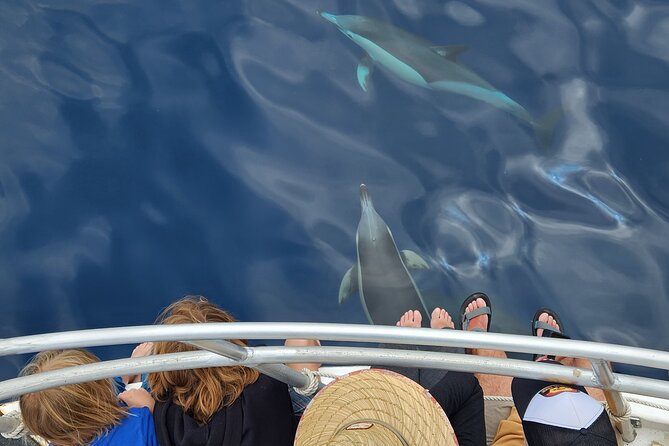
The tour runs starting at 9:00am and returns you back to Tauranga by around 2:00pm, with you back in Rotorua by about 3:00pm. That timing is a practical gift. You get a big wildlife experience early, then you still have daylight left for the rest of your Bay of Plenty or Rotorua plan.
If you’re building a multi-stop itinerary, this is the kind of tour that fits cleanly. You’re not surrendering your entire day. You can still do dinner, a relaxed walk, or whatever Rotorua is adding to your schedule next.
Build your expectations around weather
This cruise requires good weather. That doesn’t mean you’re guaranteed perfect skies, but it does mean the operator won’t force the experience when conditions aren’t right. If you’re flexible, you’ll likely handle it better. If your trip dates are tight and you hate the idea of rescheduling, factor that in before booking.
Should you book the Bay Explorer Dolphin and Wildlife Cruise?
If you want a half-day that mixes Tauranga coastal views with a serious attempt at close wildlife sightings, I’d book it. The boat design, the limited passenger numbers (maximum 50), the active search style from the top deck, and the onboard commentary all point to one thing: this is built for watching, not just cruising.
Book it especially if:
- Dolphins and other marine wildlife are high on your list
- You want a guide-led day that helps you spot what matters
- You’re bringing kids (the vessel comfort and structured stops tend to keep the day from dragging)
Skip it (or at least compare options) if:
- You can’t tolerate possible weather-related changes
- You’re only interested in a single animal and don’t want a mixed-species experience
FAQ
Where does the Dolphin and Wildlife cruise start?
The tour starts at Bay Explorer – Dolphin and Wildlife Cruises, 115 The Strand, Tauranga 3110, New Zealand.
What time does the experience begin?
The tour starts at 9:00am.
How long is the cruise?
The duration is approximately 5 hours.
Does this tour use a mobile ticket?
Yes, the tour includes a mobile ticket.
What animal types does the cruise aim to show you?
The experience highlights seasonal marine wildlife such as penguins, seals, dolphins, whales, sunfish, school fish, seabirds, sharks, turtles, and orca.
Is there outdoor viewing on the boat?
Yes. The vessel has 360° outdoor views, with enclosed seating downstairs and a large open sun-deck for wildlife watching.
What happens if the weather is poor?
This experience requires good weather. If it’s canceled due to poor weather, you’ll be offered a different date or a full refund.
What is the maximum group size?
The tour has a maximum of 50 travellers.
If you tell me your travel dates and whether you’re coming from Rotorua, I can help you plan a realistic half-day schedule that fits the 9:00am start and the return timing.