REVIEW · TAURANGA
Half Day Dolphin & Wildlife Cruise – Tauranga
Book on Viator →Operated by Bay Explorer · Bookable on Viator
A boat full of dolphins is a real possibility here. This half-day cruise from Tauranga is built around wildlife watching in the Bay of Plenty, plus big 360° outdoor views so you can actually spot what the crew is tracking. The main drawback to plan for is that you’re on the water with wild animals, so sightings depend on conditions and patience.
I also like the small-boat feel and the personal onboard commentary that helps you understand what you’re seeing. You’ve got a roomy lower deck (enclosed with windows) and a sun deck up top, so you can match your comfort to the weather. If the day is rougher than expected, you may wish you’d dressed for wind and spray.
In This Review
- Key things that make this Tauranga dolphin cruise work
- Value check: $108.60 for 5 hours on the Bay of Plenty
- Where the cruise starts: meeting at The Strand in Tauranga
- Boarding Bay Explorer: what you get on the boat
- The marine-wildlife goal: why this route matters
- Photo and comfort strategy: sun deck vs indoor seating
- Stop by stop: what each stretch of the day feels like
- Port of Tauranga Ltd: starting with a warm-water feel
- Mauao / Mount Maunganui summit views: coastline icons, sea-level perspective
- Mount Maunganui Base Track to Summit Track: following the mountain’s lines
- Main Beach views: the bay connects land and sea
- Moturiki Island: where the wildlife watching usually sharpens
- Mayor Island: the offshore mystery spot
- The crew and commentary: why the best sightings feel better
- Family-friendly format that still works for adults
- Weather and sea conditions: plan clothing for realism
- What wildlife you might actually see (and what you should expect)
- Price notes, drinks, and what to pack
- Should you book the Half Day Dolphin & Wildlife Cruise?
- FAQ
- How long is the Half Day Dolphin & Wildlife Cruise from Tauranga?
- Where do I meet the Bay Explorer cruise?
- What wildlife might I see on the cruise?
- Is there indoor seating, or is it all outside?
- Are kids allowed on this cruise?
- Can I cancel and get a full refund?
Key things that make this Tauranga dolphin cruise work
- Small-group vibe on an 18-metre vessel with plenty of space for wildlife watching
- 360° outdoor views, with an open sun deck plus enclosed seating downstairs
- On-board commentary that ties sightings to what’s going on in the bay
- Mount Maunganui sights from the water alongside offshore islands
- Crew effort to find animals, including tracking pods and communicating with other boats
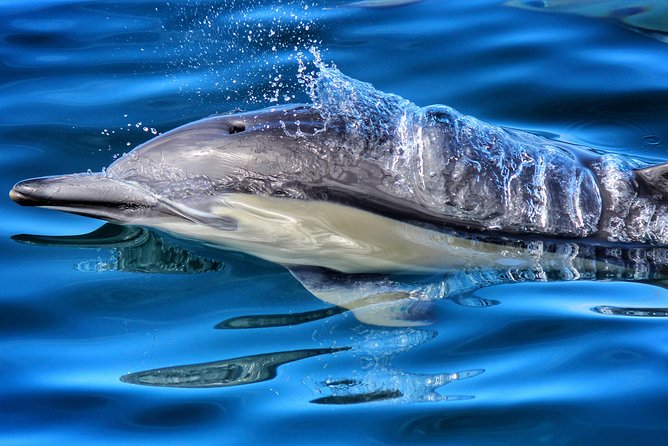
- Real variety of marine life such as dolphins, penguins, seals, whales, sharks, orca, and turtles
Value check: $108.60 for 5 hours on the Bay of Plenty
At $108.60 per person for about five hours, this cruise isn’t a bargain price kind of outing. But it is strong value if you care about wildlife and want a guided shot at serious sightings rather than a do-it-yourself swim-with-your-fingers-crossed plan.
What you’re paying for is the boat time, the viewing setup (including 360° views), and the crew’s work to locate animals. You’re also getting a time-efficient format: out at 9:00 a.m. and back by around 2:00 p.m., which leaves you the afternoon for Tauranga and the rest of your Bay of Plenty day.
Just know what’s not included so you don’t get surprised. There’s no lunch box included, and drinks are not part of the ticket (though there is a licensed bar and non-alcoholic beverages available).
You can also read our reviews of more tours and experiences in Tauranga.
Where the cruise starts: meeting at The Strand in Tauranga
You’ll meet at 120 The Strand, Tauranga 3110, and the tour runs with a 9:00 a.m. start and returns to the same meeting point. Because it’s a waterfront departure, this is an easy pick-up if you’re already staying near the city center.
If you’re driving, plan ahead. One review called out the pain of finding parking and urged getting there early (they arrived well before check-in). On the bright side, the tour notes it’s near public transportation, so you have options.
A small but useful detail: you’ll use a mobile ticket. That matters because it cuts down on last-minute paper sorting and makes check-in faster.
Boarding Bay Explorer: what you get on the boat
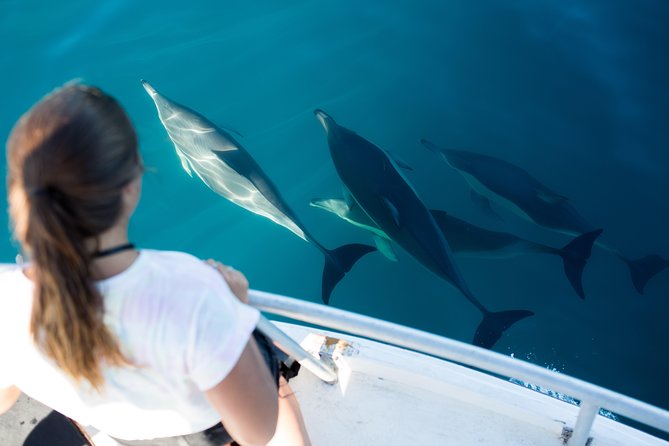
This is on Bay Explorer, a roomy 18-metre vessel designed for wildlife spotting. What I like here is the viewing mix: enclosed seating downstairs for comfort, plus a large open sun-deck for full-sky watching.
You’ll also find practical basics on board. One review specifically mentioned a clean bathroom, which is a comfort you notice the moment you’re out on the water longer than you expected.
Capacity is capped at 50 travelers. In real life, that often translates into a less crowded feel than big sightseeing boats, and it gives the crew more freedom to point, reposition, and keep an eye on the action without turning your day into a spectator-stadium crush.
The marine-wildlife goal: why this route matters
The core idea is simple: the Bay of Plenty is rich in marine life, and the crew is set up to look for it from the water. You’re not just doing a generic sightseeing loop; you’re heading into areas where dolphins and other wildlife can show up on the surface.
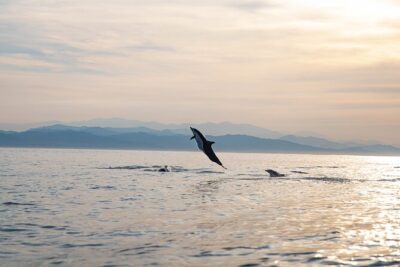
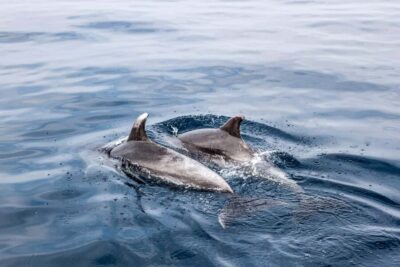
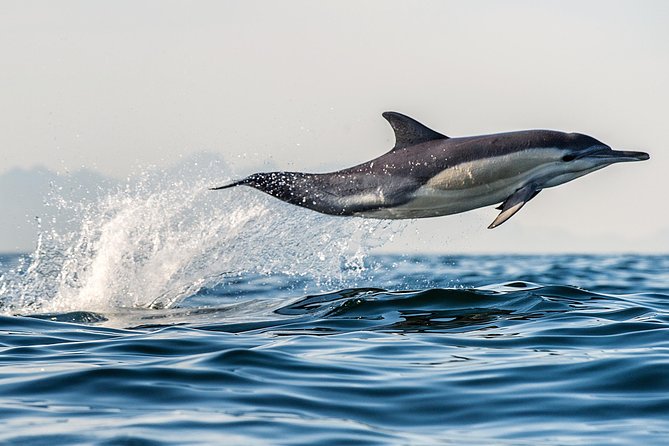
In the best moments, you’ll be watching animals swim under and alongside the boat. Multiple reviews highlighted getting close enough to see behavior clearly—dolphins interacting with birds, moving in groups, and lingering in the area long enough to enjoy the moment.
Still, your biggest planning point is the reality of wildlife. One disappointed review said they didn’t get turtles or other wildlife, and another noted dolphins didn’t arrive when expected. That’s the trade: no one can guarantee the animals will show on schedule.
Photo and comfort strategy: sun deck vs indoor seating
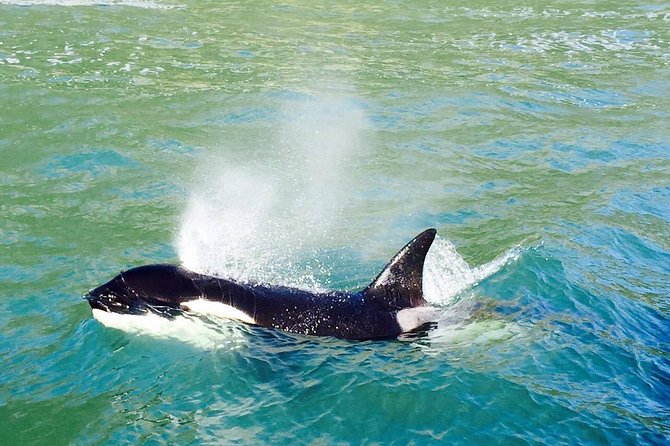
I recommend choosing your seat based on what matters most to you that day—photos or comfort. The top deck gives the cleanest, most open view for spotting animals as they surface. If it’s windy or cool, the enclosed downstairs area is your back-up without giving up the ability to watch.
One reviewer described the lower deck as covered with open windows, which is exactly the kind of setup you want when you’re trying to avoid wind-chill while still tracking fast-moving sightings. Another review praised the space and said there really wasn’t a bad view anywhere on the boat.
Practical tip: keep your camera ready once you start cruising. Dolphins can appear suddenly, and you’ll waste time if you’re still organizing gear when the crew starts pointing.

Stop by stop: what each stretch of the day feels like
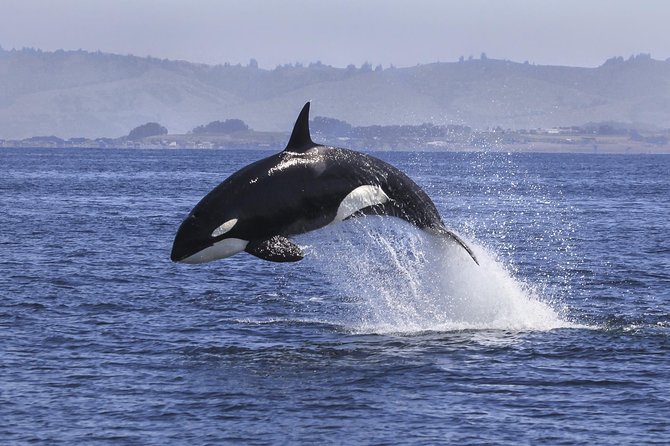
You’ll spend the morning moving through Tauranga’s coastline and islands, with views that shift as you pass key landmarks. You’re also likely to get commentary that explains what you’re looking at—helpful when you’re trying to tell seabirds from diving behavior or understand where marine life may be feeding.
Port of Tauranga Ltd: starting with a warm-water feel
Your first area is the Port of Tauranga Ltd zone. This is where the cruise settles into motion and the crew usually gets everyone oriented—where to watch, how sightings tend to appear, and what to look for near the surface.
This start also matters because it sets the tempo. If you’re the sort of person who gets restless quickly, you’ll want to remember that the best wildlife sightings can take time, and the boat needs distance and positioning.
Mauao / Mount Maunganui summit views: coastline icons, sea-level perspective
Next, you’ll pass Mauao / Mount Maunganui—a dramatic landmark best appreciated from water level. The big win here is perspective: from the bay, the mountain looks different than it does from the walking tracks.
This part also works as a gentle intro while you wait for the animals to show. Even when marine life is slow, the coastline views help keep your morning feeling full rather than stalled.
Mount Maunganui Base Track to Summit Track: following the mountain’s lines
As you move through the stretch near the Mount Maunganui base area and toward the summit track, you’re essentially getting multiple angles of the same icon. The route seems designed for sightseeing without switching into a different activity.
Why that’s valuable: it gives you something to do during the slower minutes of wildlife watching. When you’re waiting on dolphin sightings, it helps to have visual variety.
Main Beach views: the bay connects land and sea
When you’re looking toward Mount Maunganui Main Beach, you’re seeing how the water meets the town. This is the kind of scene that makes Tauranga feel real, not just like a departure point.
Also, it’s a good area to scan the surface and watch for seabirds. Birds can hint at what’s happening below, and the on-board commentary is there to help you interpret those signals.
Moturiki Island: where the wildlife watching usually sharpens
Then you head toward Moturiki Island, which is one of the more exciting named areas on the route. This is where you’re more likely to get sightings like dolphins, seals, seabirds, and possibly turtles, depending on conditions.
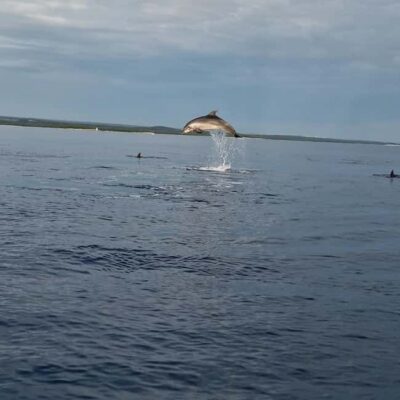
Multiple reviews emphasized dolphins as the highlight, and several praised the crew for finding strong areas. One standout review mentioned dolphins tracked for some time and getting very close to the boat, which is exactly the payoff you hope for near island structures where animals may travel or feed.
Mayor Island: the offshore mystery spot
Finally, you’ll go to Mayor Island. Offshore areas can be great for larger marine life when the water is calm enough for sightings. Depending on the day, you might see whales, sharks, or orca—but remember the tour doesn’t promise specific animals every time.
A useful takeaway from the mix of positive and mixed reviews: treat this as a wildlife chance, not a check-the-box hunt. The crew can work hard, and they do, but nature sets the rules.
The crew and commentary: why the best sightings feel better
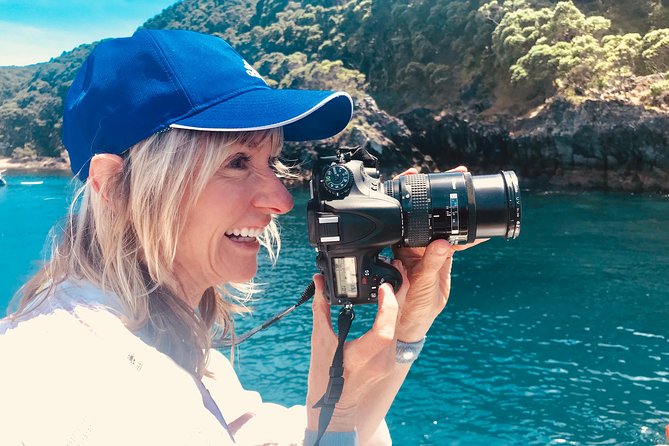
This is one of the tour’s strongest points. Reviews repeatedly mention friendly, professional crew members who work to locate wildlife and share what they’re seeing in real time.
Two names came up a lot:
- Brandon and Amy, praised for taking the group further out when waters were calm, which improved sightings.
- Emily, mentioned as a personable deck hand and host who helped make the experience feel special.
It also matters that the captain isn’t passive. One review said the skipper communicated with other boats to help locate dolphins. That kind of coordination can turn a slow start into a great finish.
The commentary also gives meaning to what you spot. If you see dolphins, seabirds, seals, penguins, or sharks, the crew helps you understand what it likely means in the bay’s ecosystem—so the day feels educational, not just scenic.
Family-friendly format that still works for adults
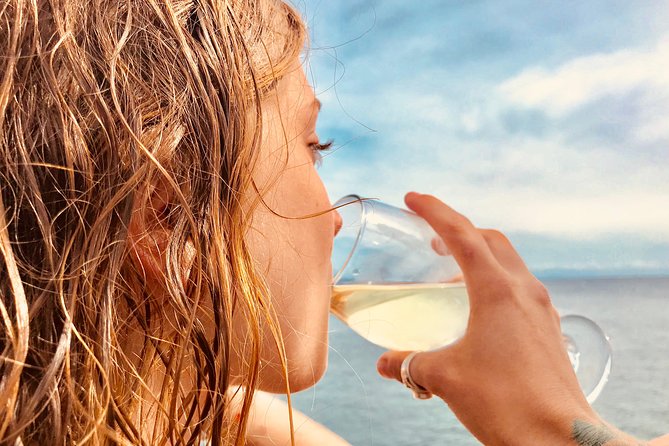
This is a family activity, and the reasoning is practical. The boat is small enough to feel personal, and the whole experience is built around short attention-friendly moments—surface sightings, camera angles, then explanations from the crew.
Kids also tend to do well with the routine: board at 9:00, out on the bay, then back by mid-afternoon. That timing helps parents plan the rest of the day without everything eating into dinner time.
Still, there’s one requirement you should note: children must be accompanied by an adult. If you’re traveling as a family, that’s easy to handle, but it’s worth keeping in mind when choosing who attends.
Weather and sea conditions: plan clothing for realism
The tour requires good weather. If conditions aren’t suitable, you’ll be offered another date or a full refund, so don’t stress too much—but do dress for the water.
On a cruise like this, even calm days can bring wind, salt spray, and sudden cloud cover. Bring layers, and if you’re prone to motion sickness, consider taking precautions before you step on board.
One review pointed out that calm waters helped the crew go further out than normal. That’s a good reminder: smoother water can mean better access to wildlife patterns.
What wildlife you might actually see (and what you should expect)
Here’s what the tour messaging and reviews consistently line up on: dolphins are the big star. You might also spot penguins, seals, whales, sharks, orca, turtles, plus seabirds and fish.
Specific sightings mentioned include:
- Dolphins, including pods that stayed close for a while
- Flying fish
- Hammerhead sharks
- Little penguins
- Schools of fish, and even jellyfish in at least one report
One caution from a lower-rated review: it’s possible to see dolphins but not turtles or everything else you hope for. Wildlife isn’t scheduled, even if the crew is working hard.
My advice: set your expectations to match nature. If you go thinking you must see a turtle, you’ll be disappointed if the sea doesn’t cooperate. If you go ready to enjoy dolphins and whatever else appears, you’ll likely have a better day.
Price notes, drinks, and what to pack
Ticket price is $108.60 per person, and the cruise includes the boat, seating options, and onboard commentary. You’ll also get photos as part of the experience.
Not included:
- pick up and return transfer (optional)
- lunch box
- cold beer and chilled regional wines (available via the licensed bar, plus non-alcoholic beverages)
Because lunch isn’t included, plan to eat before or after the cruise. You’ll be off the water by around 2:00 p.m., so you can typically still fit a late lunch or early dinner plans.
What I’d pack:
- a light jacket or layers
- sunscreen if it’s bright
- a camera with a strap you don’t have to hold constantly
- binoculars if you like scanning for seabirds or surface activity (not required, but helpful)
Should you book the Half Day Dolphin & Wildlife Cruise?
If you’re in Tauranga and you care about wildlife more than shopping, this cruise is a strong choice. The combination of small-group comfort, 360° viewing, and on-board commentary makes it feel like a real nature outing, not a drive-by.
Book it if:
- you want a guided wildlife experience with a high chance of dolphin sightings
- you’d rather spend five focused hours on the water than doing another land-based attraction
- you like the idea of learning what you’re seeing while you watch
Skip it or think twice if:
- you need a guaranteed list of animals (nothing in wildlife is guaranteed)
- you’re very sensitive to motion and don’t plan for sea conditions
- you’re trying to squeeze in a tight schedule for the whole day (this is a set morning block)
FAQ
How long is the Half Day Dolphin & Wildlife Cruise from Tauranga?
It runs for about 5 hours, and the tour starts at 9:00 a.m. You’ll be back by around 2:00 p.m.
Where do I meet the Bay Explorer cruise?
The meeting point is 120 The Strand, Tauranga 3110, New Zealand. The tour ends back at the meeting point.
What wildlife might I see on the cruise?
The tour notes you may spot dolphins, penguins, seals, whales, sharks, orca, and turtles, plus seabirds and fish such as sunfish and school fish.
Is there indoor seating, or is it all outside?
You can choose seating options: there is fully enclosed seating downstairs and a large open sun-deck for wildlife watching.
Are kids allowed on this cruise?
Children must be accompanied by an adult. The tour is described as suitable for families, and most travelers can participate.
Can I cancel and get a full refund?
Yes. Cancellation is free up to 24 hours in advance for a full refund. If weather forces a cancellation, you’ll be offered a different date or a full refund.