REVIEW · DIANI BEACH
Full Day Dolphin Watching with Snorkeling in Wasini
Book on Viator →Operated by Safe adventures safaris · Bookable on Viator
Dolphins and culture in one smooth day. This full-day trip from Diani Beach combines snorkeling at Kisite-Mpunguti Marine National Park with a real shot at dolphins, then adds a village visit and a stop at the Shimoni Slave Caves to give the day weight beyond the sea. What I like most is that you’re not just paying for a boat ride—you’re getting guided underwater time plus a Swahili lunch prepared by local women.
The only real catch is timing and weather: you’re out for about 7 to 8 hours, and poor conditions can cancel the experience. If you get seasick easily, plan for that day-to-day reality.
In This Review
- Key highlights you’ll care about
- Diani Beach to Kisite-Mpunguti: the morning start that sets the tone
- Snorkeling at Kisite-Mpunguti and dolphin watching: what you’ll actually do
- What to bring for the water (so you’re not stuck)
- Wasini Island village visit: learning from families who live there
- Swahili lunch with local women: what you’ll eat and why it’s worth it
- Shimoni Slave Caves: a 30-minute stop that lands hard
- Price and value: is $113 per person fair for what’s included?
- Group size and day logistics: why this feels easy for most people
- Guide team: the names you’ll hear and why they matter
- Who should book this Wasini dolphin and snorkeling day
- Quick decision: should you book?
- FAQ
- What time does the tour start?
- Where is pick-up offered?
- How long is the full-day experience?
- Is lunch included, and what’s the menu?
- Is snorkeling gear provided?
- Are dolphins part of the plan?
- What is included for the Shimoni Slave Caves?
- Do I need scuba certification for SCUBA activities?
- What should I bring since it’s not included?
- What happens if weather is bad?
Key highlights you’ll care about
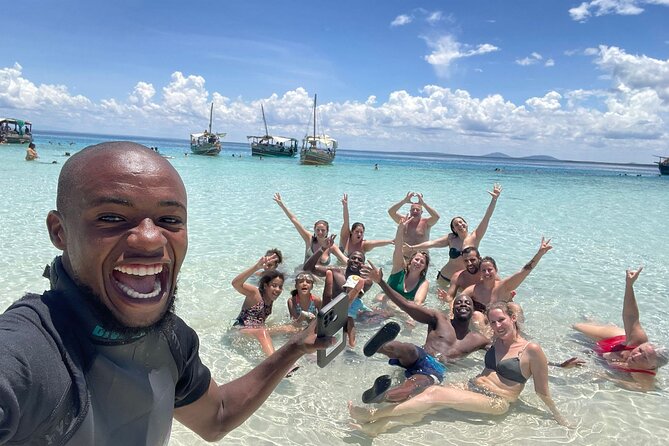
- 8:00 am start from Diani and nearby hotels keeps the day from dragging
- Snorkeling gear and marine guides included means you don’t have to guess what to bring
- Dolphins are part of the plan, with a stated high chance of sightings (listed as 95%)
- Wasini village families teach you how they live, with a chance to support them directly
- Lunch is included, with food prepared by local women (options include crab/fish/chicken/vegetables)
- Small group size (max 25) helps the day feel controlled, not chaotic
Diani Beach to Kisite-Mpunguti: the morning start that sets the tone
Pick-up is offered from Mombasa, Diani Beach, or Tiwi hotels, and the plan starts around 8:00 am. In the real world, early starts matter for marine wildlife trips—cooler morning conditions and calmer water often mean better time in the water.
The transfer gets you through coastal scenery—palm plantations and seaside properties—before you reach the marina area. Then you’ll board a boat (boat type can vary depending on daily bookings), and head toward the Wasini side waterways.
This is a long day, so I like how the schedule is structured: travel, then action, then culture, then a historical stop, then return. It feels like one connected loop instead of a random pile of stops.
You can also read our reviews of more tours and experiences in Diani Beach.
Snorkeling at Kisite-Mpunguti and dolphin watching: what you’ll actually do
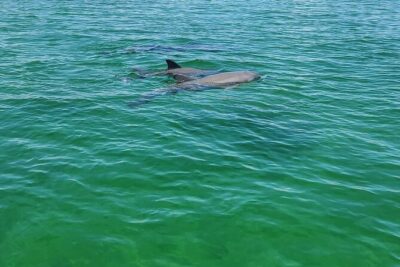
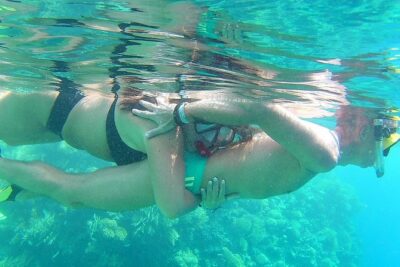
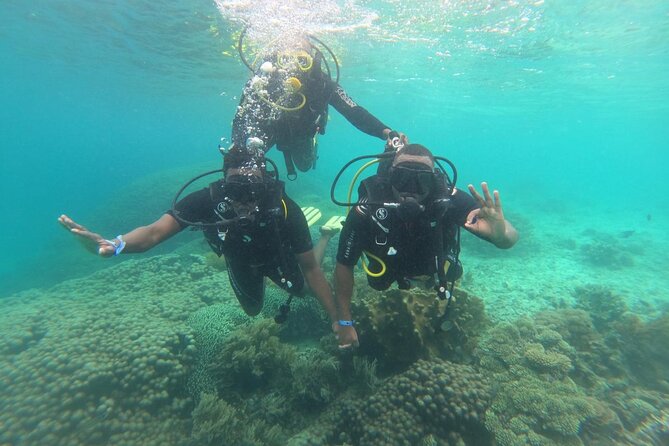
Kisite-Mpunguti Marine National Park and Reserve is the heart of the day. Arriving around 8:00 am, you’ll sail along the Wasini Canal and then get into the water at the park, with snorkeling time guided by professionals.
Here’s what’s built into the experience:
- Snorkeling equipment is provided, along with marine guides and instructors
- The chance of spotting dolphins is a central goal (the tour states a 95% chance)
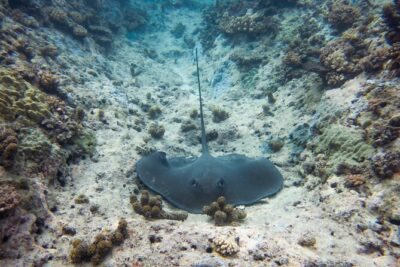
- You may also see other marine life, with sea turtles listed as a possibility
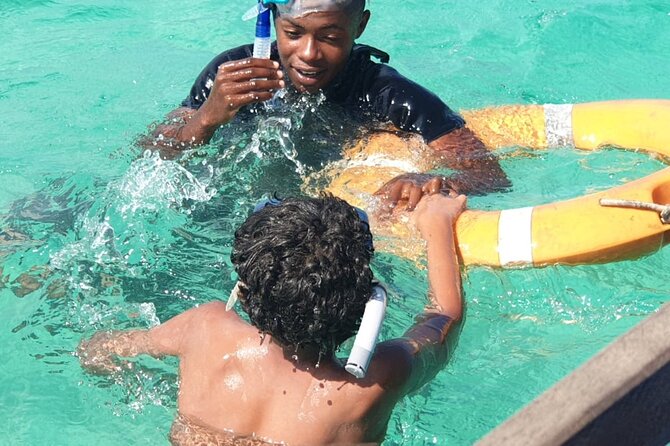
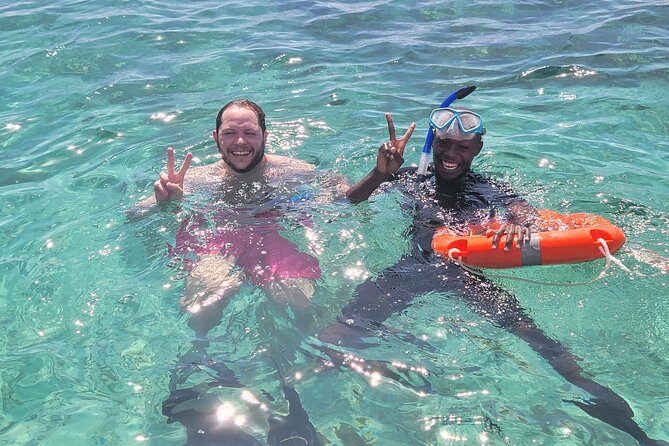
I’m a big fan of how the team is described in the guide feedback. People highlight guides like Hussein for making time in the ocean feel safer and less intimidating—especially if you’re nervous. That matters because snorkeling isn’t hard, but it does require confidence at the surface.
What to bring for the water (so you’re not stuck)
Your own items aren’t included, so pack smart:
- swim suit
- water-friendly shoes
- sunscreen and a hat
- a beach towel (helpful for after snorkeling)
- water bottle (not listed as included)
If you’re prone to feeling rushed in the sun, bring a hat and sunscreen even if you plan to stay in the shade on the boat between stops.
Wasini Island village visit: learning from families who live there
After snorkeling, the day turns human. You’ll stop in a local village (Mkwiro Village on Wasini Island) where you learn about island life and traditions from the families who live there.
This part isn’t just a photo stop. You’re given time to connect and ask questions, and that’s where the tour earns its “more than wildlife” reputation. You also get a practical way to help: the visit notes that small donations like books, sanitary towels, or gently used clothes are warmly received by local families.
If you’re the kind of person who likes giving back in a respectful way, this village section is one of the best uses of the day. It’s also why the overall itinerary feels balanced: the underwater portion is exciting, but the village time gives the day context.
A small tip if you want to donate: bring items that are clean and in usable condition. The goal is support, not clutter.
Swahili lunch with local women: what you’ll eat and why it’s worth it
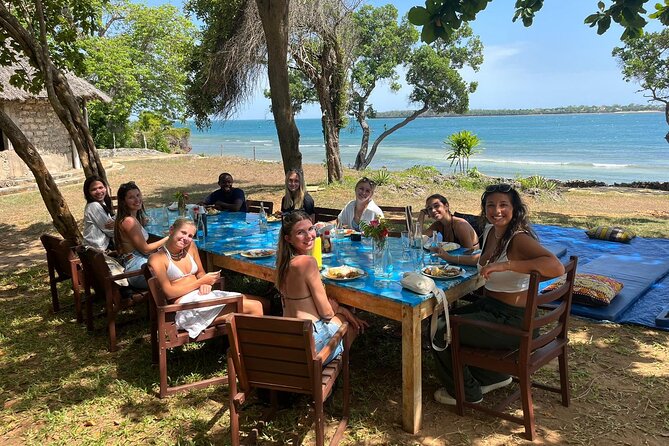
You’ll head back to Shimoni for lunch, and this is one of those “included” details that actually changes the value of the trip. The food is Swahili-style and prepared by local women, and you can choose between options such as freshly caught crabs and fish, chicken, or vegetables.
What I like about this setup is that you’re eating as part of the community economy, not grabbing a generic packed meal at a roadside spot. And because lunch is part of the schedule (not an afterthought), it makes the long day feel manageable.
If you have dietary needs, the only thing you can do ahead of time is check with the operator when booking. The tour data only lists the standard options, so don’t assume special meals are automatic.
Shimoni Slave Caves: a 30-minute stop that lands hard
The final stop is the Shimoni Slave Caves, described as community-run. You’ll spend about 30 minutes there, and the focus is on the slave trade and its abolition—an emotional topic presented in a way that supports a local initiative.
This isn’t the kind of attraction you should treat like a quick roadside “see it and go” moment. The time is short, but the subject matter is heavy, so go in with the mindset of respect and attention.
I also like that the caves come at the end of the day. After dolphins and snorkeling, the contrast can feel jarring—in a useful way. It nudges the day from entertainment into understanding.
Price and value: is $113 per person fair for what’s included?
At $113 per person, this tour is not cheap by budget Kenya standards—but it’s not overpriced for what’s actually covered. The big value pieces included are:
- National park fees for Kisite-Mpunguti
- snorkeling gear and professional marine guides
- lunch (Swahili food, with multiple protein or veg choices)
- Shimoni Slave Caves entry fees
- pick-up and drop-off from Mombasa/Diani Beach/Tiwi hotels
And you’re not paying extra to fill the time. Many wildlife tours charge for park fees, equipment, and meals separately; here, the essentials are packed in.
What you’ll still need to budget for:
- towel, sunscreen, hat
- swim suit and water-friendly shoes
- water
- any SCUBA add-ons (the tour notes fun dives for non-certified people and certified SCUBA requires proof)
If you compare this to a “pay for transport + pay for park + pay for gear + pay for lunch” approach, $113 starts to make sense. For a 7–8 hour day that includes both ocean time and culture/historical access, it’s fairly strong value.
Group size and day logistics: why this feels easy for most people
The tour has a maximum of 25 travelers, and it’s described as a medium-sized, capped group. That size is big enough for a lively atmosphere, but small enough that guides can stay on top of safety and timing.
The day itself is about 7 to 8 hours, which means you should plan to be flexible. You’ll start early, spend meaningful time on the water, then move on to village and caves, and finish in the later afternoon.
The tour also specifies moderate physical fitness. Translation: you don’t need to be an athlete, but you do need to handle boat movement and snorkeling comfortably. If you have mobility limits, it’s worth asking before booking how your day would work in practice.
Guide team: the names you’ll hear and why they matter
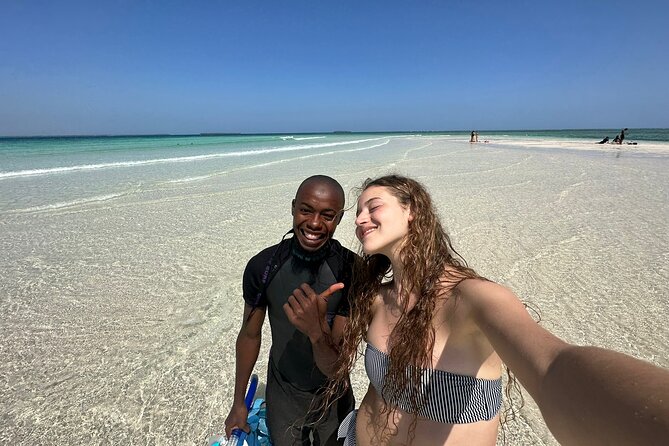
The experience is heavily about the people running it. In the feedback, Omar is mentioned as a coordinator who keeps the day organized, while Hussein is repeatedly praised as a guide who helps people feel comfortable—especially in the water.
Other names that come up include Casseem and Laura. While the exact team can vary by day, the consistent pattern is clear: guides focus on safety and making snorkeling feel doable.
If you’re nervous about the ocean, that’s not a dealbreaker here. The best advice is to tell your guide early that you need extra reassurance. A good team will adjust their pace and attention.
Who should book this Wasini dolphin and snorkeling day
This tour is a strong fit if you:
- want one day that mixes wildlife with culture and a meaningful historical stop
- care about guided snorkeling, not just “jump in and hope”
- prefer small group energy (up to 25 people) over a big bus-tour vibe
- enjoy Swahili food and want an included lunch that supports local cooking
It’s also a good choice if you’re traveling with family and you want a packed itinerary without extra meal searching.
Where it may not be the best match:
- If you hate long boat days, you’ll feel the time commitment
- If weather is rough, the plan may change or cancel (the tour says it depends on good conditions)
Quick decision: should you book?
I’d book this tour if you want your day to have three parts that actually connect: marine time, community time, and history time. At $113, it’s only a good deal if you value the included snorkeling gear, park fees, and lunch—because those are the value anchors.
Skip it—or ask a lot of questions before booking—if you’re mainly hunting for a restful beach day. This is a structured 7–8 hour outing with real ocean time and a heavy final stop.
FAQ
What time does the tour start?
The start time is listed as 8:00 am.
Where is pick-up offered?
Pick-up and drop-off are offered from Mombasa, Diani Beach, or Tiwi hotels.
How long is the full-day experience?
It’s listed as approximately 7 to 8 hours.
Is lunch included, and what’s the menu?
Yes. Lunch is included and described as authentic Swahili food, with options of freshly caught crabs and fish, chicken, or vegetables.
Is snorkeling gear provided?
Yes. The experience includes all snorkeling equipment.
Are dolphins part of the plan?
Yes. Snorkeling at the marine park is paired with dolphin watching, with the tour listing a 95% chance of seeing dolphins.
What is included for the Shimoni Slave Caves?
You get entry to the Shimoni Slave Caves, and the time listed for this stop is about 30 minutes.
Do I need scuba certification for SCUBA activities?
The tour notes that fun dives are available for non-certified people with additional charges, and certified SCUBA participation requires proof of certification.
What should I bring since it’s not included?
You’re advised to bring a beach towel, sunscreen, swim suit, water friendly shoes, and a hat.
What happens if weather is bad?
The experience requires good weather. If it’s canceled due to poor weather, you’ll be offered a different date or a full refund.