REVIEW · MAUI
Lanai Snorkel and Dolphin Watch from Maalaea
Book on Viator →Operated by Pacific Whale Foundation · Bookable on Viator
Lanai is where Maui’s ocean turns into a living classroom. This 5-hour Lanai snorkel and dolphin watch runs on a roomy, eco-friendly double-deck catamaran and pairs a guided reef swim with real-time wildlife searching out at sea—dolphins are the headline, and the marine naturalists do a great job keeping it fun and easy.
What I like most is the way they set you up for success: you get premium snorkel gear (including optical masks for eyeglass wearers) and there’s instruction plus a kid-focused Jr. Naturalist program. The second big win is value for time—breakfast, lunch, and unlimited drinks are included—so you’re not hungry or scrambling for food between snorkeling rounds. One drawback to plan around: this is a weather-dependent ocean trip, so wind and sea conditions can affect what you can do that day.
In This Review
- Key takeaways before you go
- Maalaea to Lanai: the catamaran ride sets the tone
- The Lanai reef snorkel: where the time goes
- Dolphin watch: how sightings usually work (and what to do)
- Food, drinks, and the family flow you’ll appreciate
- Comfort and rules that affect your day
- Weather, wind, and the Lanai reach
- Price and value: what you’re really paying for
- Who this trip fits best
- Should you book the Lanai snorkel and dolphin watch?
- FAQ
- Do I need hotel pickup for this tour?
- What time should I check in?
- How long is the snorkeling at Lanai?
- What snorkel gear is provided?
- Is this tour good for kids?
- Can I bring alcohol?
Key takeaways before you go
- Eco catamaran comfort: spacious shaded cabin, rear deck, sun spots, freshwater showers, and onboard bathrooms
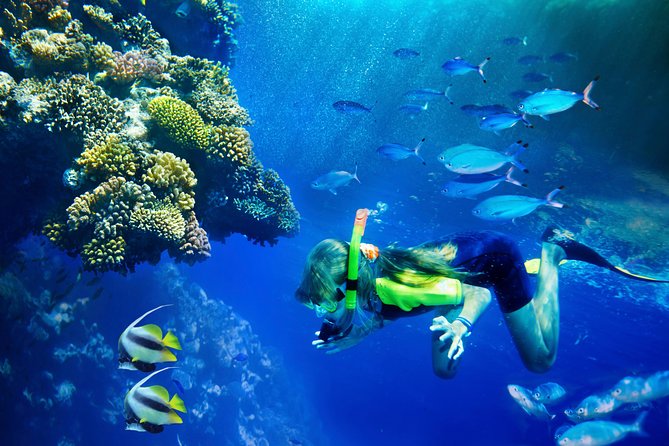
- Lanai reef snorkeling: about 90 minutes at a reef with reef fish plus chances to spot eels and octopus
- Marine life spotting focus: certified naturalists scan for dolphins (and sometimes humpback whales seasonally)
- Easy snorkeling setup: instruction, flotation devices, and optical masks for glasses wearers
- Family-friendly structure: Jr. Naturalist program for kids and crew that keeps things organized
- Food is part of the plan: continental breakfast and lunch are included with unlimited nonalcoholic drinks
Maalaea to Lanai: the catamaran ride sets the tone
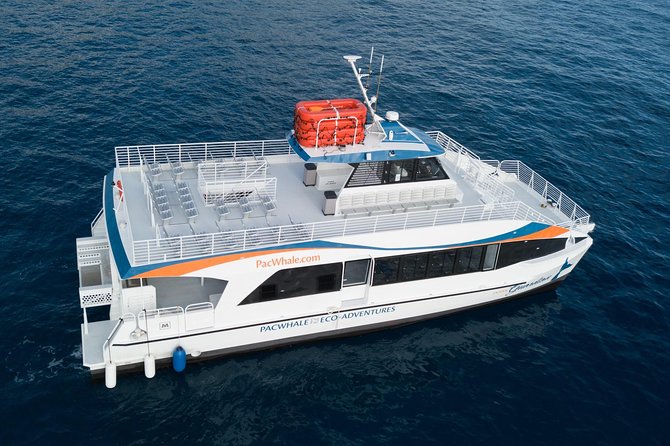
Most Maui boat days start with a long scramble—parking, lines, waiting, then finally you’re on the water. This one starts smoother. You depart from Ma’alaea Harbor on a double-deck, 65-foot eco catamaran built for comfort: shaded seating downstairs, a rear deck for hanging out, and sunbathing space up front and on the upper deck. There are also tables and comfortable armchair-style seating, which matters if you want to watch wildlife without balancing a drink on your knees.
The boat is set up with practical upgrades. There are two restrooms (his/her configuration), a galley bar for buffet-style food and drinks, and freshwater showers so you can rinse off after the snorkel. That rinse is more than a luxury. Saltwater on skin can make the next hour feel sticky and gritty, so having a real way to rinse helps you stay comfortable.
They also run with safety gear designed for marine mammal protection—U.S. Coast Guard-approved Whale Protection Devices. It’s the kind of detail you don’t notice during calm moments, but you appreciate when you’re out in dolphin country and the crew is actively managing the approach.
You can also read our reviews of more tours and experiences in Maui.
The Lanai reef snorkel: where the time goes
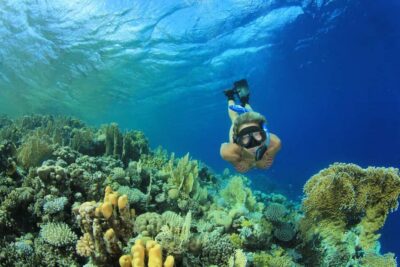
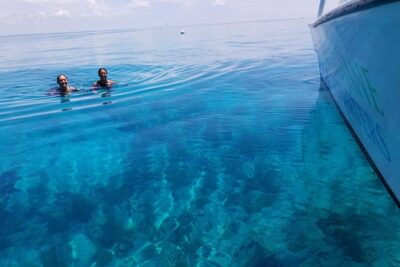
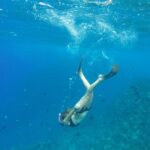
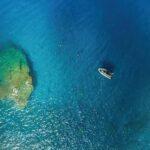
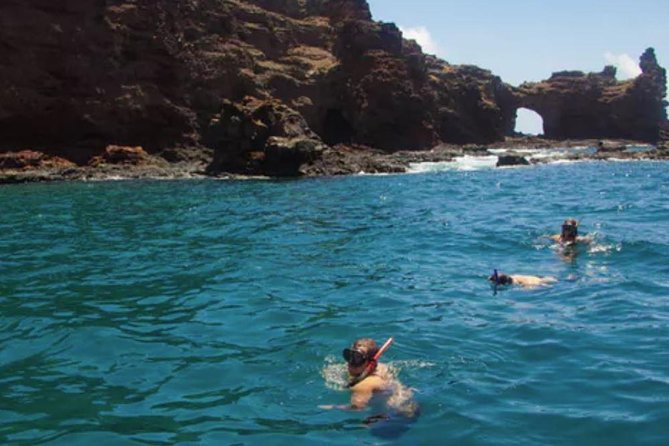
Once you reach Lanai’s coastline, you get your snorkel window—about 90 minutes—at one of their local reefs. This is the part you’ll remember if you care about actually seeing sea life up close rather than just floating around and taking photos.
The reef swim is designed for real viewing. Expect reef fish and other marine animals in their natural habitat. They specifically call out marine life like eels and octopus, which usually means you’re not just scanning for one lonely fish. And because Lanai’s waters are known for marine activity, the staff typically keeps the focus on pointing out what you’re likely to see.
A realistic note: “reef snorkeling” isn’t the same thing as an aquarium. You’ll likely get better results if you practice staying calm in the water and give yourself time to look slowly. If you go in rushing and searching for the biggest splash, you’ll miss the small stuff—like the way a reef edge changes what’s hiding in it.
If you’re new to snorkeling, you’ll get instruction on the boat plus flotation devices. That takes the edge off. One more detail that helps: they don’t allow full-face masks on these snorkel eco tours, but they do provide high-quality snorkel gear for everyone. So you should pack with the expectation that standard snorkel masks and snorkels are the norm.
Dolphin watch: how sightings usually work (and what to do)
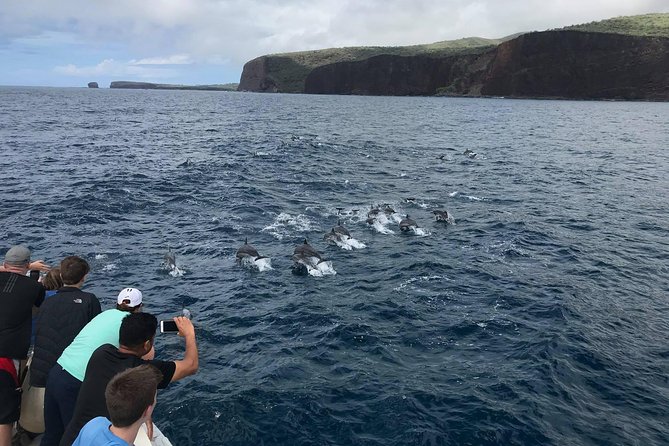
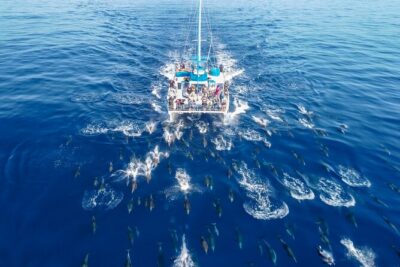
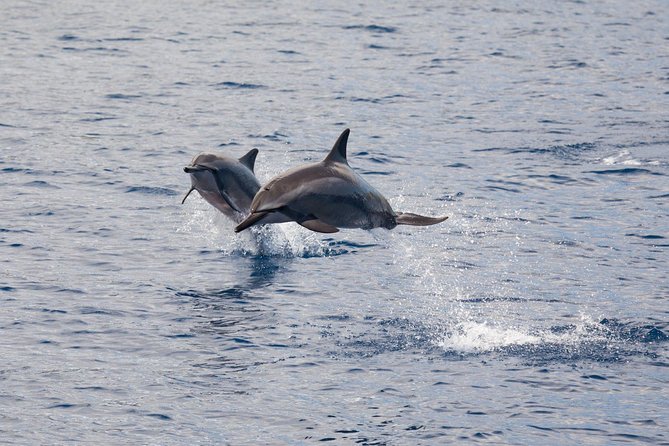
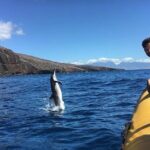
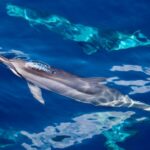
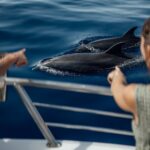
This trip is marketed around dolphins, and for good reason. The waters off Lanai are frequented by wild dolphins—spinners, bottlenose, and striped dolphins show up often. On top of that, humpback whales can be common seasonally (December through April).
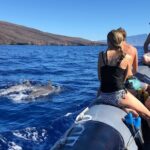
In practice, dolphin watching has a rhythm. The boat cruises and the crew scans. If dolphins are close, you’ll usually get multiple chances as pods move through the area. The best sightings often happen when dolphins come up close to the boat, and the crew is ready to adjust speed and positioning without crowding.
You should also go with two expectations in mind:
1) Dolphins are wild animals. Even with good conditions, you might not see them on every outing.
2) Your odds improve when you’re patient and listen to what the crew is calling out. There’s no substitute for staying alert and watching where the naturalists point.
I also like that the trip uses certified marine naturalists as part of the experience. They’re not just running the schedule; they’re helping you connect what you see with what it means. That turns the dolphin watch from a quick glance into something you can actually follow.
Food, drinks, and the family flow you’ll appreciate
This is one of the biggest value wins on the day: breakfast, lunch, and refreshments are included. You don’t have to negotiate where to eat after the boat ride, and you don’t go snorkel-hungry.
Breakfast is continental: banana bread, assorted pastries, island fruit, juice, and Maui coffee. Lunch is more substantial and includes choices like chicken, vegan burgers, hot dogs, potato mac salad, Asian edamame slaw, and dessert. There’s also unlimited soda, juice, and filtered water onboard. For families, that matters because kids burn energy fast and the boat day is long enough that snack timing can make or break morale.
They also make it easy to add a little adult fun. This tour is BYOB. You can bring your own tetra packs of beer or other alcoholic beverages (no glass), and bottles of wine may be brought since they have glasses. The crew stores alcohol in ice chests. That’s a practical approach, and it keeps the boat from turning into chaos.
If you’re traveling with kids, look for the Jr. Naturalist Program on board. It gives younger guests a job to do—notice what’s happening and learn in a way that fits them. That’s one of those details that separates a boat ride you endure from a boat ride you remember.
Comfort and rules that affect your day
A smooth trip isn’t only about wildlife. It’s also about not getting annoyed by avoidable rules.
Here are the practical ones that matter most:
- Check in early: you need to check in 45 minutes before departure at the Pacific Whale Foundation Ocean Store in the Harbor Shops at Ma’alaea, adjacent to the Maui Ocean Center Aquarium.
- Bring towels: you’ll want them after snorkeling, and you’re told to bring your own.
- Payment style: the vessels are cashless except for gratuities. That means bring a credit card for any purchases onboard.
- Reef protection sunscreen rules: non–reef-safe sunscreen isn’t allowed on board. Reef-safe sunscreen is available onboard in a limited-size tube. Plan ahead and bring reef-safe if you have it.
- No full-face masks: for safety reasons, you can’t use them on these snorkel eco tours.
And yes, you should dress for getting wet. Even if your snorkel is the main water time, boat spray and splash happen. If you get cold easily, consider wearing quick-dry layers you can tolerate when the wind kicks up.
Weather, wind, and the Lanai reach
This is ocean time, so weather is the boss. The experience requires good weather, and if it’s canceled due to poor weather, you’ll be offered another date or a full refund.
Wind matters more than many people expect. On a day with stronger wind, you may not get the exact routing you booked. That doesn’t mean the operators are cutting corners. It means ocean trips live by real conditions, not best-case scenarios.
My advice is simple: if you’re booking with a tight Maui schedule, keep at least a little flexibility in your calendar. And if you tend to get seasick, take it seriously. The catamaran is designed for smooth sailing, but wind can still change how you feel on the water.
Price and value: what you’re really paying for
At $183.25 per person for an approximately 5-hour outing, you’re paying for a setup that covers more than just boat transport.
You get:
- A double-deck eco catamaran ride from Ma’alaea
- Certified marine naturalists guiding the wildlife experience
- Premium snorkel gear, including optical masks for eyeglass wearers
- Flotation devices plus snorkel instruction and fish ID class
- Breakfast, lunch, and unlimited nonalcoholic drinks
- A kid-focused Jr. Naturalist program
Compare that to doing a la carte: even one snorkel rental plus a guide plus food onboard can quickly climb. Here, the included meals also reduce friction for families. You’re not spending time and money hunting for snacks while your day collapses into logistics.
So the key value question is this: do you want a structured wildlife day where the food and gear are handled and you can focus on the ocean? If yes, this price tends to make sense.
If you only want a quick snorkel without food, or you’re hoping to see dolphins guaranteed, you may feel the cost more than the experience delivers. Wildlife sightings are never a promise.
Who this trip fits best
This tour works especially well for:
- Families who want a predictable schedule, included meals, and kid programming
- First-time snorkelers who benefit from gear support and instruction
- People who care about animal education, not just a quick look
- Travelers who want comfort on the water: shaded seating, bathrooms, and rinse showers
It might be less ideal if:
- You hate cold wind on boats and don’t like getting wet
- You’re expecting to snorkel for hours and hours at a time—this is a focused reef swim, not an all-day snorkeling circuit
- You’re very sensitive to route changes tied to weather and sea conditions
Should you book the Lanai snorkel and dolphin watch?
If you want a well-run boat day with real marine education, included meals, and a good chance at dolphins in the Lanai area, I’d put this on your short list. The optical masks help a lot if glasses are part of your life, and the overall structure keeps the day feeling organized rather than chaotic.
Book it if you can handle the ocean being unpredictable and you’re excited by the idea of learning what you’re seeing—rather than treating the day like a checklist. If that sounds like your style, you’ll likely leave happy, fed, and sun-buzzed.
FAQ
Do I need hotel pickup for this tour?
No. Hotel pickup and drop-off are not included. You’ll meet at Harbor Shops & Restaurants Maalaea and return there.
What time should I check in?
Check in 45 minutes prior to departure at the Pacific Whale Foundation Ocean Store located in the Harbor Shops at Ma’alaea, adjacent to the Maui Ocean Center Aquarium.
How long is the snorkeling at Lanai?
You’ll snorkel for about 90 minutes off the Lanai coastline.
What snorkel gear is provided?
The tour includes premium snorkel gear and flotation devices, plus snorkel instruction. Optical masks are included for guests who wear eyeglasses.
Is this tour good for kids?
Yes. Children must be accompanied by an adult. Kids 4 and under are free (one per paying adult), and children ages 5–12 pay the child rate and must be on the reservation. There is also an onboard Jr. Naturalist Program.
Can I bring alcohol?
Yes, this is BYOB. You may bring tetra packs of beer or alcoholic beverages (no glass). Bottles of wine can be brought since glasses are available, and all alcohol is stored in ice chests.