REVIEW · LISBON
Lisbon: Dolphin Watching with Marine Biologist – Small Group
Book on GetYourGuide →Operated by Terra Incógnita · Bookable on GetYourGuide
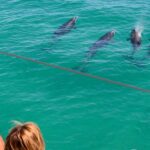
Dolphins in Lisbon are not a sure thing. Still, this Tagus River small-group outing pairs a marine biologist with a modern speedboat so you can hunt for dolphins in their free, natural world. You also get a rare river-and-sea perspective on Lisbon that you simply do not get from land.
I love the real-time cetacean monitoring angle, tied to Oceanário de Lisboa, so your day supports actual ocean research—not just a checklist photo. I also like the easy start at the Mercedes-Benz Oceanic Lounge, where you can relax, use the restrooms, and get a proper safety briefing before you head out.
One possible drawback: you are on the water, so conditions matter. If wind or swell is up, it can get cold and choppy, and this trip is not suitable if you have back issues, are pregnant, recently had surgery, use a wheelchair, or are traveling with small kids.
In This Review
- Key things that make this dolphin trip worth your time
- Meeting at Terra Incógnita and the Oceanic Lounge Start
- Tagus River to Open Sea: what the boat ride is really about
- A useful mindset
- What you learn from the marine biologist onboard (and why it clicks)
- The “no rush” viewing approach
- Photo stops: Fort of São Lourenço do Bugio and Cascais-area views
- Why these stops feel special
- Wildlife chances: dolphins, whales, seabirds, and the reality of wild animals
- When sightings slow down, the crew adapts
- Weather, wind, and sea comfort: how to pack smarter
- If you get motion sickness
- Sustainability tied to Oceanário de Lisboa (not just feel-good talk)
- Value for money: is $61 worth it for 3 hours?
- Who should book this dolphin watching trip in Lisbon?
- Should you book this Lisbon dolphins tour?
- FAQ
- Where is the meeting point for the tour?
- How long is the dolphin watching tour?
- Is food and drinks included?
- Do I get a life jacket on board?
- What languages is the guide available in?
- What if dolphins are not spotted right away?
- What should I do if weather cancels the trip?
Key things that make this dolphin trip worth your time
- Marine biologist onboard: you’ll hear how dolphins behave and how monitoring works while you’re out at sea
- Research data support: the outing contributes to real cetacean monitoring connected with Oceanário de Lisboa
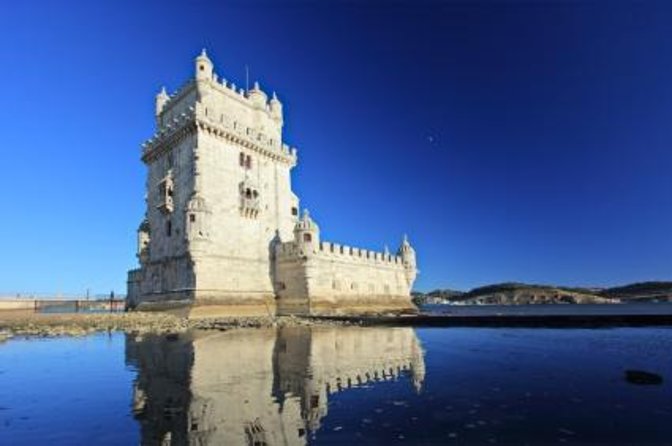
- Views from the water: Lisbon landmarks look different when you’re moving along the Tagus
- Crew tactics when sightings slow down: radar and checking nearby fishing boats help locate wildlife
- You’re not guaranteed dolphins: they’re wild, so the best attitude is to enjoy the whole ride
- Comfort-forward safety: life jackets onboard, plus a real briefing before departure
Meeting at Terra Incógnita and the Oceanic Lounge Start
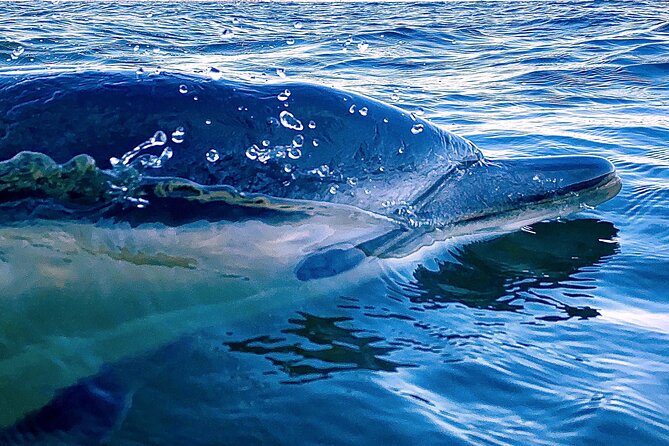
Your tour day starts at Terra Incógnita and then comes together at the Mercedes-Benz Oceanic Lounge at Doca de Santo Amaro, Armazém 17, just below the 25 de Abril bridge. This matters more than it sounds. You’re not scrambling to find a pier at the last second—you can show up, settle in, and get organized before the boat ride begins.
Once you’re inside, you’ll have access to the lounge areas plus restrooms. It’s also where you get that pre-departure safety briefing. If you want a calmer start (and fewer “where do we stand?” moments), this setup helps. And yes, the lounge vibe is part of the point: you can warm up with hot drinks and generally feel ready before you head into wind and salt air.
The group setup is designed for comfort and clarity. You’ll be given life jacket guidance, and the crew keeps the whole process practical—because when you’re watching wildlife, everyone benefits when people feel secure.
You can also read our reviews of more tours and experiences in Lisbon.
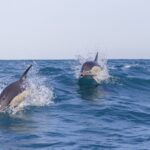
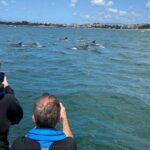
Tagus River to Open Sea: what the boat ride is really about
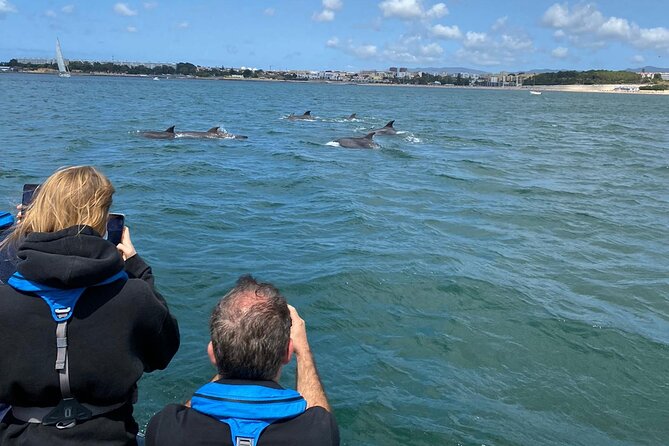
You’ll move out from the Doca de Santo Amaro area and spend time traveling along the Tagus River before heading toward open sea. The goal is simple: find dolphins while using the right conditions and the right approach to viewing.
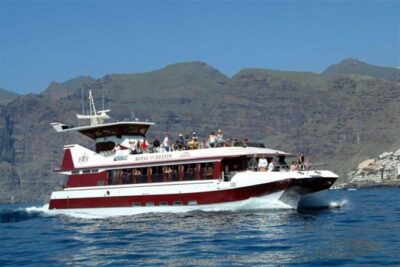
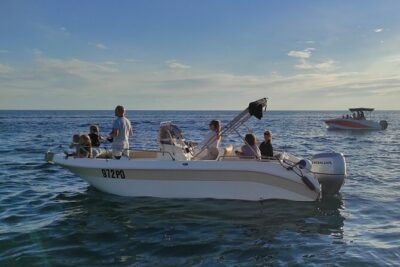
You should expect a speedboat ride—so it’s fun, but it’s not a floaty sunset cruise. The best way to think about it: you’re trading slow sightseeing for more time chasing sightings and more chances to hit the right wildlife zone.
During the ride, you’ll get what many people end up loving as much as the dolphins: the nonstop “Lisbon from a moving postcard” effect. River angles bring you the city’s landmarks in a way that road views never do. And once you’re out toward the coast, the water opens up and the scenery changes fast.
A useful mindset
Even with high success rates, dolphins are wild. Sometimes you see them quickly. Other times you’re still cruising, learning, and watching the sea for signs of activity. If you treat it like a nature outing first and a wildlife lottery second, you’ll enjoy the trip much more.
What you learn from the marine biologist onboard (and why it clicks)
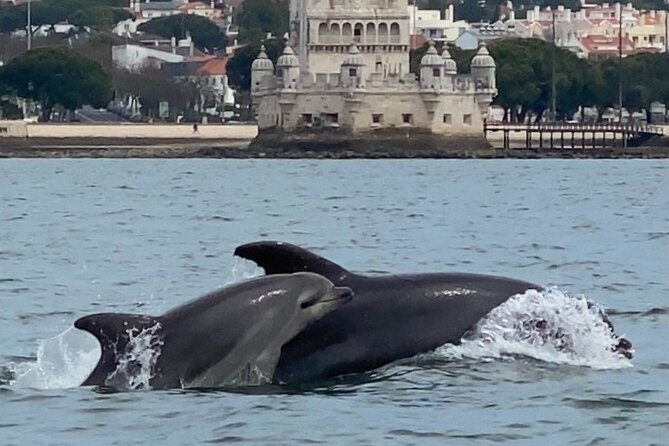
The tour’s big differentiator is the marine biologist onboard. This isn’t just a ride with facts tossed in. You’ll learn what dolphins do, how they move, and what the team is looking for while you’re on the water.
Different marine biologists run the teaching part, and you may hear names like Mariana, Vanessa, Raquel, or Inês on different departures. The consistent theme in the experience is that the biology talk is tied to what you’re seeing in real time. When dolphins surface, you’re not just staring—you’re understanding why they’re there and what their behavior can mean.
You’ll also learn about the practical side of monitoring and research connected with the Oceanário de Lisboa effort. The point for you is this: the trip isn’t only about entertainment. Your ride contributes to real-time cetacean monitoring, so the data matters beyond the day you’re on the water.
The “no rush” viewing approach
When dolphins come close, the best moments can be the quiet ones—watching how they interact, how long they stay, and how the boat crew manages distance and pacing. In past experiences, groups reported that the boat slowed down so dolphins weren’t disturbed, and that makes a huge difference to both the animals and the quality of your viewing.
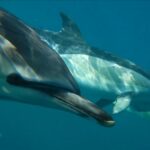
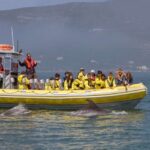
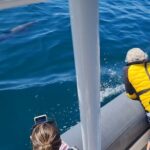
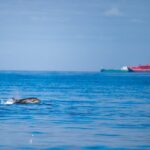
Photo stops: Fort of São Lourenço do Bugio and Cascais-area views
Along the way, you’ll make a couple of stops designed for scenery and photos—most notably the Fort of São Lourenço do Bugio area and a photo stop around the Cascais side of the coast (listed near JJC6+RP Cascais). These moments break up the trip and give you a chance to look back and around with less motion.
Why these stops feel special
A fort stop isn’t just “look at a building.” From the water, you see how the coastline works—how cliffs, currents, and coastal geography connect to where marine life might show up. You also get a sense of place: Lisbon is not only hills and streets. It’s a living edge between city and sea.
There’s also a practical side. Even if you’re excited about dolphins, your eyes need a reset. A short photo stop gives you that and helps you stay comfortable while you wait for the next sighting opportunity.
Wildlife chances: dolphins, whales, seabirds, and the reality of wild animals
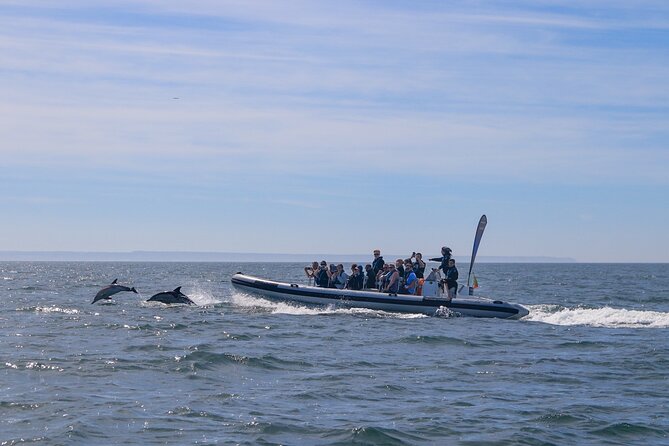
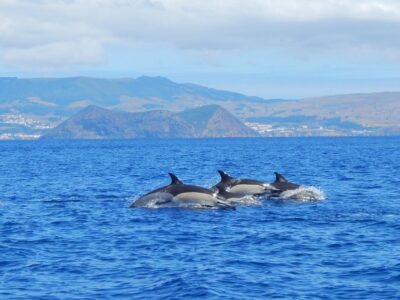
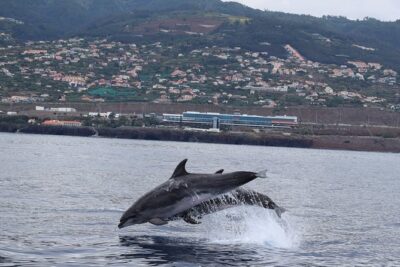
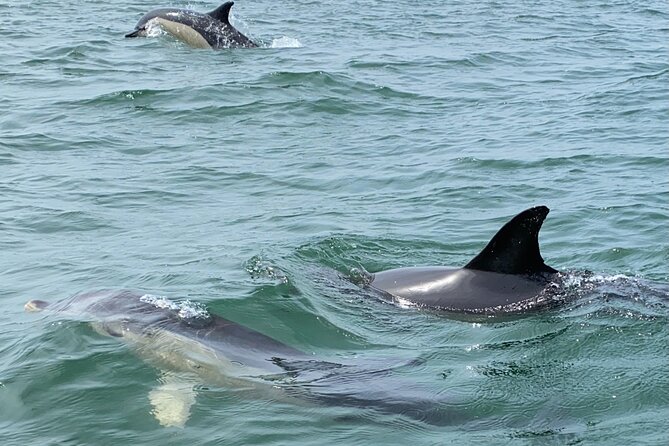
The tour has very strong odds for dolphin sightings in open sea—around 97% to 98% success based on the operator’s own logs. You should still plan as if dolphins might not show up instantly, because that’s what wild animals do. Your best strategy is to stay present: watch the water, listen to the guide, and enjoy the ride while the crew works.
What wildlife might you see?
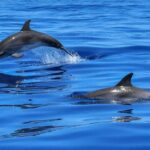
- Dolphins are the star of the show, often in groups/pods
- Whales may appear, especially in the wider sea sections
- Seabirds and other coastal wildlife can show up during the cruise
Some groups have even reported extra surprises, including orcas in at least one recent outing. That’s not something you should bank on—but it does show that this region can be active when conditions line up.
When sightings slow down, the crew adapts
One of the most reassuring parts of this experience is how the team responds if dolphins are hard to find early. In some situations, the crew approaches nearby fishing boats and uses tools like radar to locate where activity is happening. That matters because it’s not guesswork. It’s active searching that improves your odds and turns “maybe” into a real plan.
Weather, wind, and sea comfort: how to pack smarter
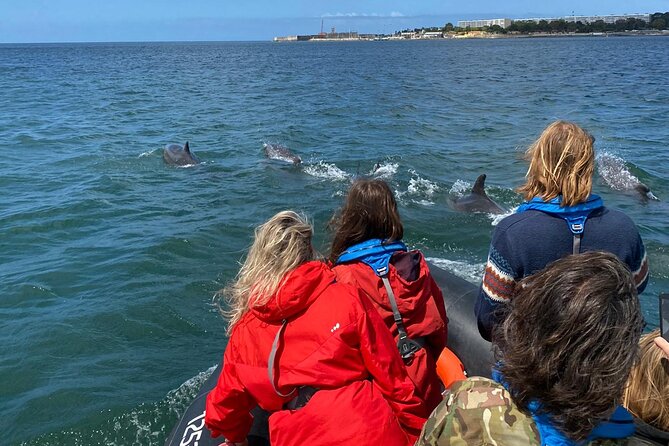
You’ll be on water, and even sunny days can feel cold once wind hits. The operator keeps an eye on the forecast, but you still get value out of paying attention yourself. The important factors are the ones that change comfort and visibility:
- wind and wind gusts
- swell/wave conditions
- currents
- cloudiness levels (low/med/high)
Dress like it might be cooler than you expect. You’ll want a windbreaker and comfortable clothes, plus comfy shoes for moving around docks. If you get offered gear onboard (some past groups mentioned windbreakers), take it. It’s usually the difference between feeling fine and feeling miserable.
If you get motion sickness
This is a fast boat ride, so plan for motion. If you can, eat before you go with a light breakfast and avoid milk and yogurt, which the tour recommends for people who feel sick on boat rides. If you know you’re sensitive to waves, take that seriously—this is not a calm, slow ride for everyone.
And a practical note: the tour is not suitable for people with recent surgeries, wheelchair users, or those with back problems. If any of those apply to you, this is one you should skip to protect your health.
Sustainability tied to Oceanário de Lisboa (not just feel-good talk)
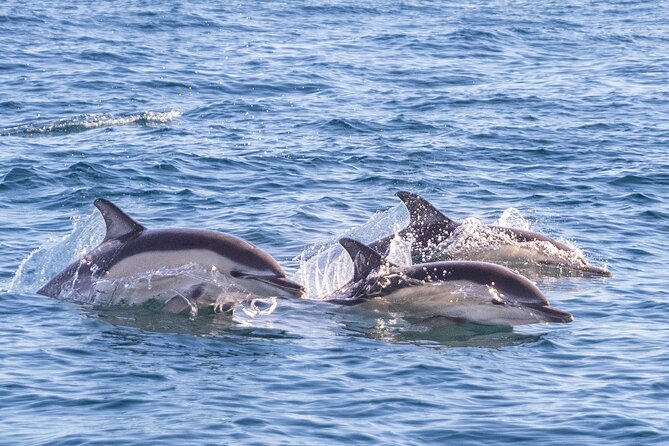
If you care about conservation, the best part is that this experience is connected to real monitoring. Your outing supports cetacean monitoring that links to ocean research efforts connected with Oceanário de Lisboa and ICNF.
What does that mean for you in plain language? It means your day on the water isn’t only observational. Data collection supports how scientists and conservation groups understand wildlife patterns and how monitoring supports sustainable tourism. That’s a more grounded kind of eco-tourism than the usual “save the planet” sticker on a brochure.
The activity also follows clear wildlife rules:
- no feeding marine life
- no touching marine life
- no littering
- no smoking, and no alcohol or drugs
That kind of behavior matters. Dolphins and other wildlife are not attractions. They’re living animals, and the tour approach reflects that.
Value for money: is $61 worth it for 3 hours?
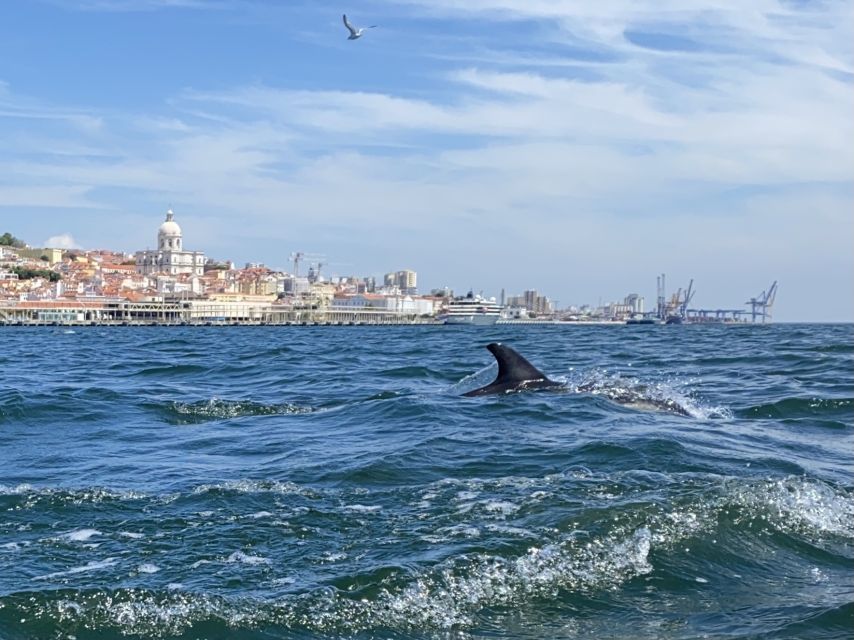
At $61 per person for about 3 hours, this tour is not the cheapest thing you can do in Lisbon. But it’s also not overpriced if you measure what you’re actually getting.
You’re paying for:
- a marine biologist onboard (real expertise, not a prerecorded talk)
- a boat that goes beyond river viewing into open sea chances
- crew fuel and safety equipment
- and a research-linked monitoring component
You’re also getting time-efficient Lisbon sightseeing. From the water, the landmarks come fast, and the route gives you that “how big is the sea here?” perspective without needing extra transportation or another day trip.
If you’re choosing between a dolphin-focused half-day and a general sightseeing boat cruise, this is the more purposeful option. Even when dolphin sightings aren’t perfect, you still get the boat ride, the coastline views, and the science angle.
Who should book this dolphin watching trip in Lisbon?
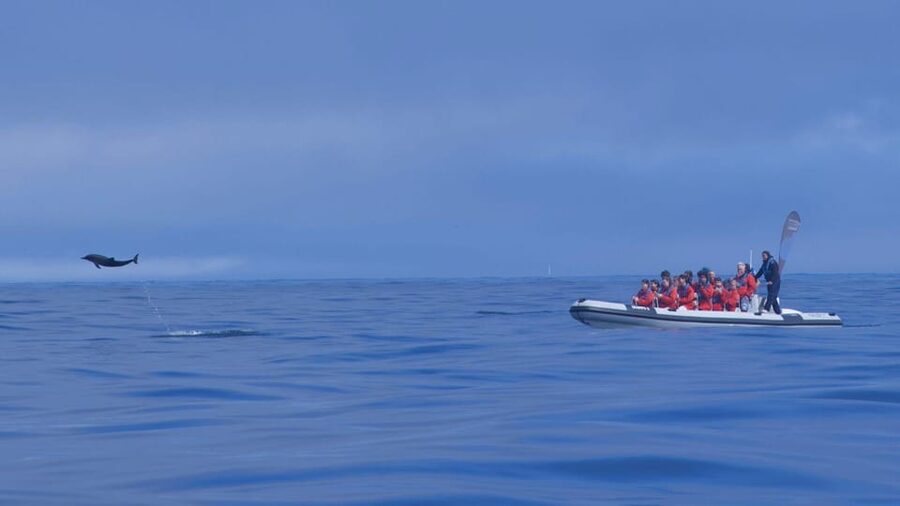
This one fits best if you:
- love wildlife and want to see dolphins in the wild, not behind a fence
- like science that connects to what you’re seeing in real time
- don’t mind wind and water motion as long as safety and comfort are handled well
- want a mix of nature plus Lisbon scenery from a moving viewpoint
It’s not a fit if you:
- are pregnant
- have back problems or have recently had surgery
- need wheelchair access
- are traveling with children under 5
If you’re on the fence because you’ve heard dolphins can be hit-or-miss, remember the operator’s own log success rate is very high. Still, the honest takeaway is this: nature does what nature does. Your job is to come ready to enjoy the full experience, not just a single moment.
Should you book this Lisbon dolphins tour?
I think you should book it if you want a practical, science-forward dolphin outing with a strong chance of sightings and real research support. The best-case scenario is dolphins in pods, sometimes close to the boat, with a marine biologist translating behavior into something you can actually understand.
Hold off or reconsider if you’re fragile with motion, sensitive to wind-chill, or fall into the listed “not suitable” groups. And if you’re the type who needs guaranteed dolphins at minute one, this isn’t built for that mindset. Wild animals don’t do calendars.
If you’re flexible and you pack for the wind, it’s one of those Lisbon experiences that feels both fun and meaningful—boat ride for the senses, biology for the mind, and monitoring for the bigger picture.
FAQ
Where is the meeting point for the tour?
You meet at the Mercedes-Benz Oceanic Lounge at Doca de Santo Amaro, Armazém 17, below the 25 de Abril bridge, with Terra Incógnita listed as the starting point.
How long is the dolphin watching tour?
The duration is 3 hours.
Is food and drinks included?
No. Food and drinks are not included.
Do I get a life jacket on board?
Yes. Life jackets are included, along with insurance, fuel, and crew.
What languages is the guide available in?
The live tour guide offers English, Portuguese, and Spanish.
What if dolphins are not spotted right away?
Dolphins are wild and sightings are not guaranteed instantly, even though the operator reports high success rates. The crew may keep searching using their methods while you continue enjoying the full experience.
What should I do if weather cancels the trip?
The operator monitors weather, and if they decide to cancel, you’ll get a message at least 48 hours in advance with an alternate day offered or a full refund.