REVIEW · MARCO ISLAND
Marco Island: Ten Thousand Islands Shelling & Dolphin Tour
Book on GetYourGuide →Operated by Everglades Area Tours · Bookable on GetYourGuide
Shells in your hands, dolphins in your wake. On this Marco Island tour, you’re out on the water chasing marine wildlife, then stepping onto an uninhabited barrier island beach to search for shells and sand dollars. I like that it mixes hands-on beach time with real wildlife viewing, not just a scenic boat ride.
I also really value the way the guide work is built in. You’ll go with a Florida Master Naturalist-type naturalist guide who talks about the ecosystem, history, and culture as you cruise, and the comments help you spot what you’re actually looking at.
One drawback to weigh: it’s 3.5 hours without food or drinks included, so you’ll want to plan on bringing your own water and staying focused on the water-and-beach rhythm (and that means parking is also on you at $10).
In This Review
- Key things I’d circle on your plan
- Ten Thousand Islands: what makes this boat-and-shelling combo work
- Getting started at Goodland Boat Park and meeting the crew
- The wildlife cruise: dolphins, manatees, turtles, and the bird parade
- The quick on-foot stretch and the photo stop that breaks up the day
- Shelling on an uninhabited barrier island: tidal flats, tidal pools, and sand dollars
- Practical shelling tips for your time on the sand
- What wildlife you can realistically expect to see
- Cape Romano dome homes: why this quick cultural stop adds value
- Price and value: is $160 per person worth it?
- What to bring so your tour feels easy
- Who this tour suits best (and who might think twice)
- Should you book the Marco Island Ten Thousand Islands Shelling & Dolphin Tour?
- FAQ
- Where does the tour start?
- How early should I arrive?
- How much does the tour cost?
- How long is the tour?
- Is hotel pickup included?
- What is included in the tour price?
- What should I bring for shelling and the beach?
- Is food and drinks provided?
- Is there a parking fee?
- What wildlife will we look for?
- Is the tour family-friendly?
Key things I’d circle on your plan
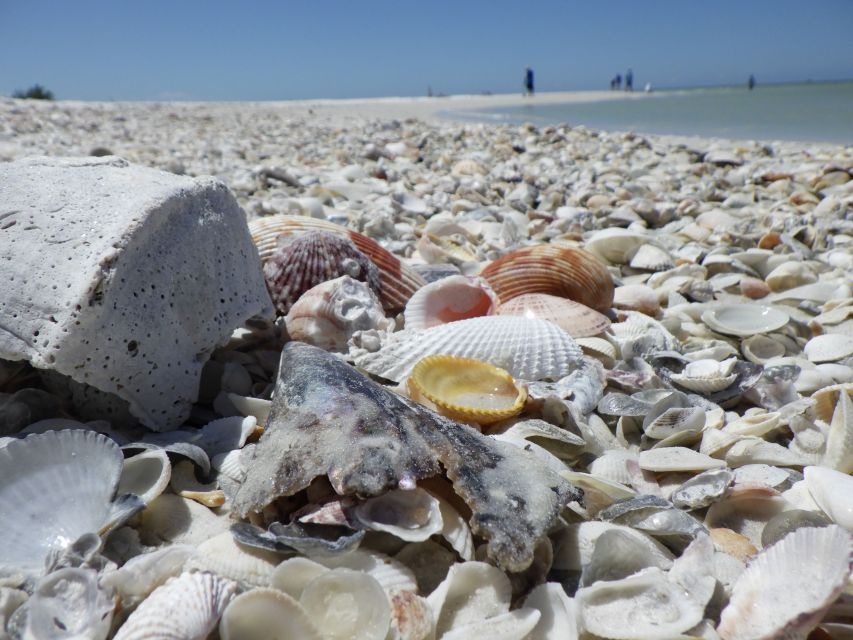
- A remote barrier island beach you can only reach by boat, with time to wade tidal pools and hunt shells
- Dolphins with a naturalist guide who helps you understand what’s around you, not just when to look
- Florida shelling instruction on beach dynamics and shell animals, so you’re not guessing
- Birdwatching that’s actually part of the itinerary (herons, egrets, ospreys, pelicans, spoonbills, skimmers)
- Cape Romano stop for dome homes as part of the broader southern Florida viewing
Ten Thousand Islands: what makes this boat-and-shelling combo work
The Ten Thousand Islands National Wildlife Refuge is one of those places where “wild” feels literal. Instead of being packed into a single viewpoint, you’re moving through channels and open water where wildlife shows up when conditions line up. That matters, because dolphins and other animals don’t wait for perfect schedules.
What I like about this tour is how the day is structured around both sides of the experience. First you’re on the boat, scanning for dolphins (and also manatees, sea turtles, sharks, and rays as your naturalist guide watches with you). Then you shift to the beach side, where you’re not just collecting pretty shells—you’re learning how shelling works in tidal flats and why the beach has “rules” that change minute to minute.
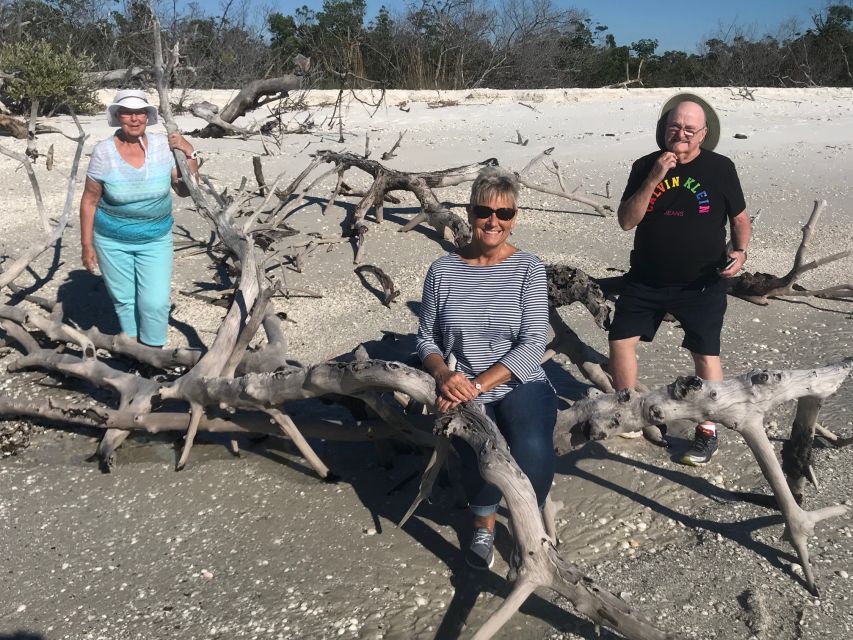
And because the beach is described as an uninhabited barrier island, your shelling time is meant to feel quiet and remote. You’re not bouncing between crowded lots and souvenir stands. You’re out there doing the simple, satisfying thing: picking up sand dollars and shells you found yourself.
You can also read our reviews of more tours and experiences in Marco Island.
Getting started at Goodland Boat Park and meeting the crew
Your meeting point is Goodland Boat Park, with guides under the covered picnic table pavilion—left of the building under the covered picnic pavilion. They ask you to arrive 20 minutes early so you can park, use the restrooms, and get your bearings fast.
Here’s the practical part: parking is $10 (county parking fee), and hotel pickup is not included. The tour suggests using Uber or Lift to make the drive and parking easier.
Boarding happens about 5 minutes before departure time, so don’t stroll in late and expect them to wait. The captain and guide on duty are operating from the Marco Island area, and the described start is with Capt. Jason Fullerton—so if you see the crew there, that’s your cue you’re at the right operation.
The wildlife cruise: dolphins, manatees, turtles, and the bird parade
You’ll spend most of your time on the water during the guided portion—about 105 minutes for the wildlife cruise and sightseeing. This is where the Florida naturalist guide’s commentary makes a difference, because you’re given a framework for what you’re seeing.
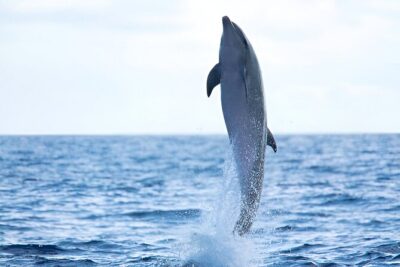
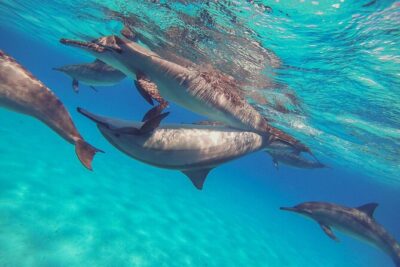
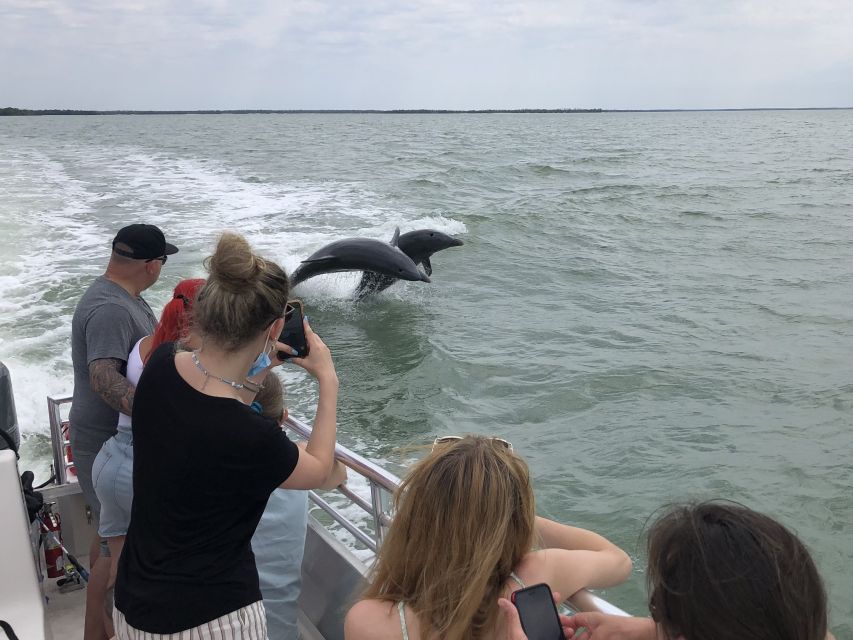
On the cruise, the tour highlights include spotting dolphins as they jump and surf behind the boat. If you’re hoping for that classic “wake riding” moment, this itinerary is built around making time to look.
But the viewing list doesn’t stop at dolphins. You might also see:
- Manatees
- Sea turtles
- Sharks and rays
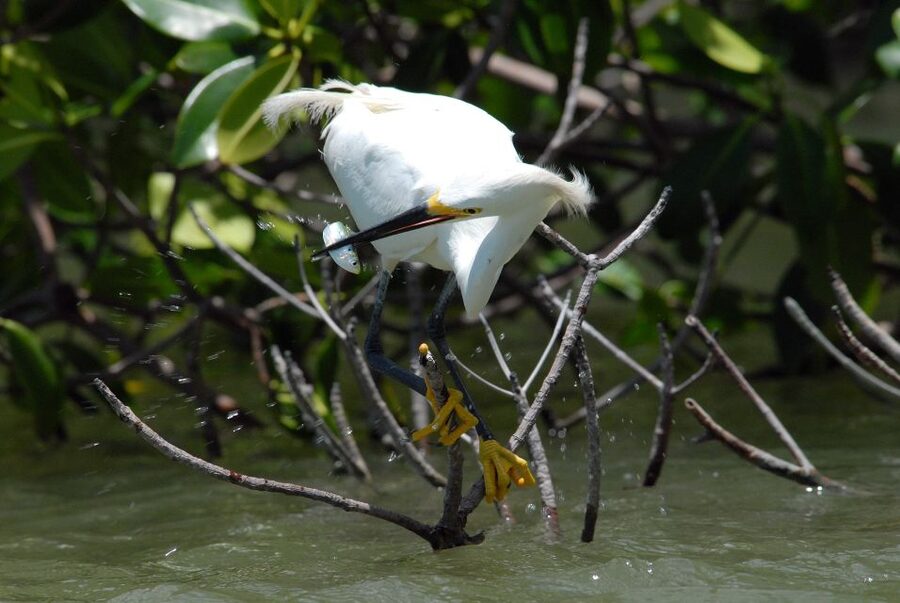
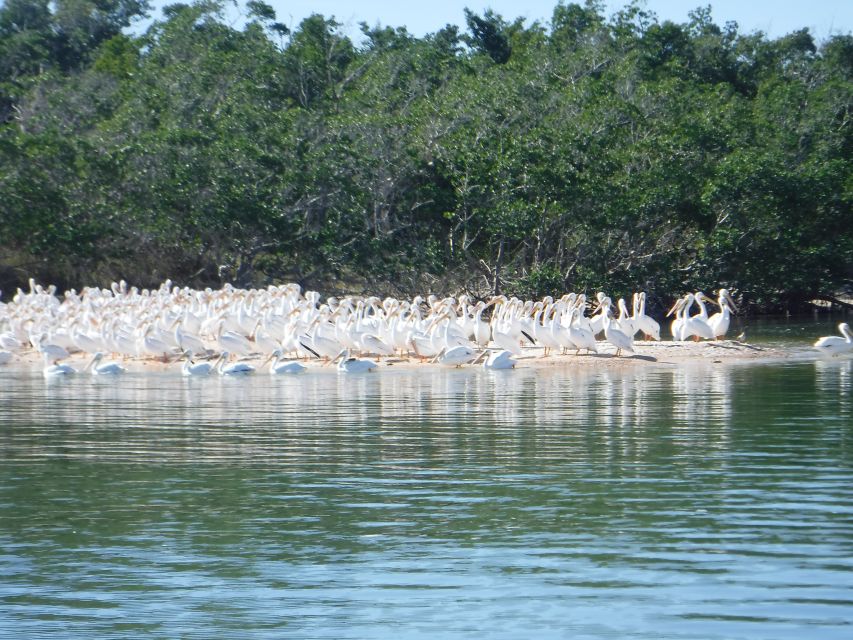
- Birds including ospreys, bald eagles, ibis, roseate spoonbill, egrets, herons, pelicans, and skimmers, plus many shorebirds
Even if you don’t spot every single animal, the value is that the guide is pointing out patterns—where animals tend to show up and what to scan for. That helps you turn a trip that could feel random into one that feels guided and intentional.
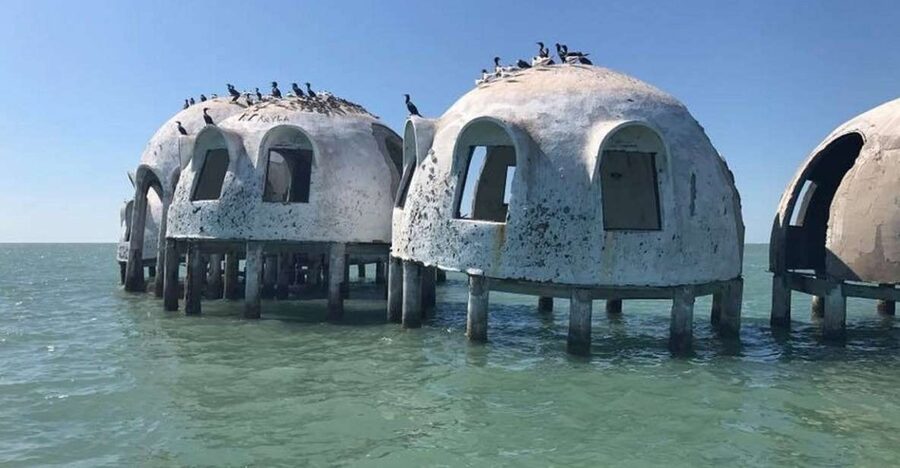
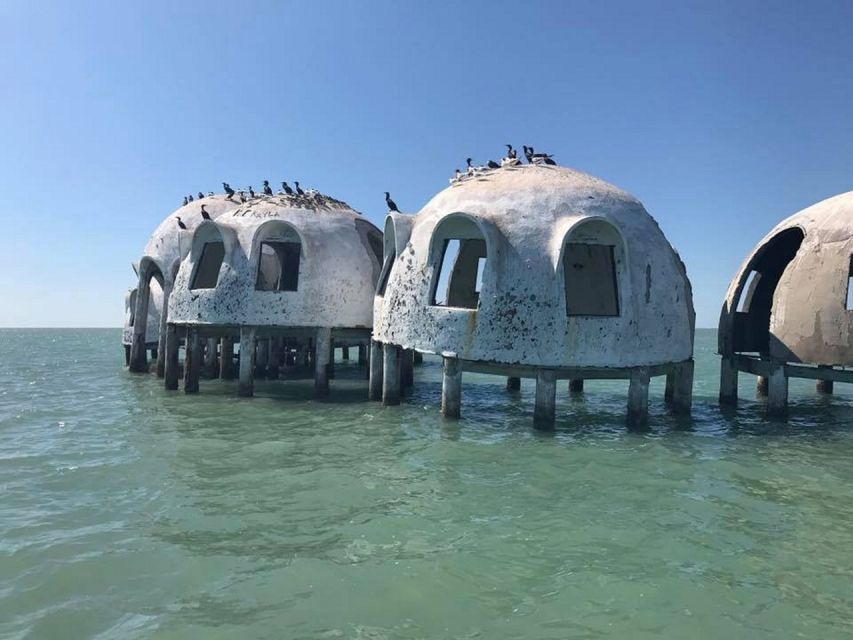
You’ll also get scenic and cultural context as the route includes the southern tip area at Cape Romano to see the dome homes. That’s a nice contrast: you get wildlife time, then a geography-based photo moment that helps you understand where you are in southwest Florida.
The quick on-foot stretch and the photo stop that breaks up the day
The itinerary includes a short on-foot stop (about 5 minutes) early in the day. This is typically the moment to adjust, listen, and get set before the longer cruise and beach portion.
Then there’s a 45-minute photo stop and walk, listed as guided time plus walking. This is the part of the day that gives your legs a chance to move without fully committing to a long hike.
My advice here is simple: use the photo stop to get your “proof of place” photos and then pay attention to what the guide is doing. When you only have a few chances to get oriented, a quick walk with commentary can end up being more useful than a longer sightseeing break later.
If you love photographing birds, this is also where having your camera ready matters. The tour experience is built around wildlife viewing, so the stops are meant to align with that.
Shelling on an uninhabited barrier island: tidal flats, tidal pools, and sand dollars
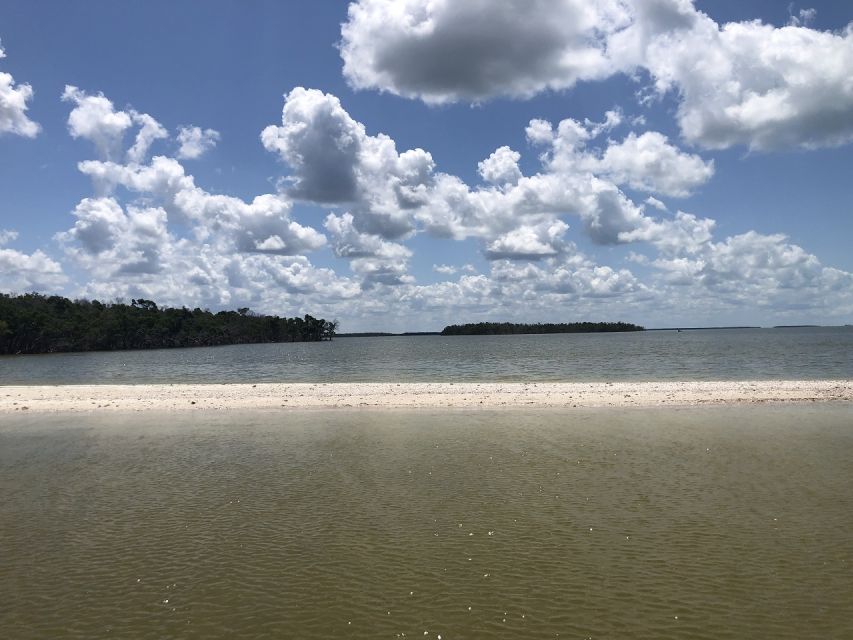
This is the signature part of the day. You’ll head to a remote barrier island beach that’s only reached by boat. The tour specifically frames it as more than casual beach time: you’ll learn about beach dynamics, stroll through tidal flats, and wade tidal pools.
What makes the shelling feel worth it is the instruction. Your naturalist guide teaches:
- how beach conditions affect where you’ll find shells
- the idea of shell animals (so it’s not just collecting empty shells)
- how to shell in a way that matches what’s happening in the sand and water
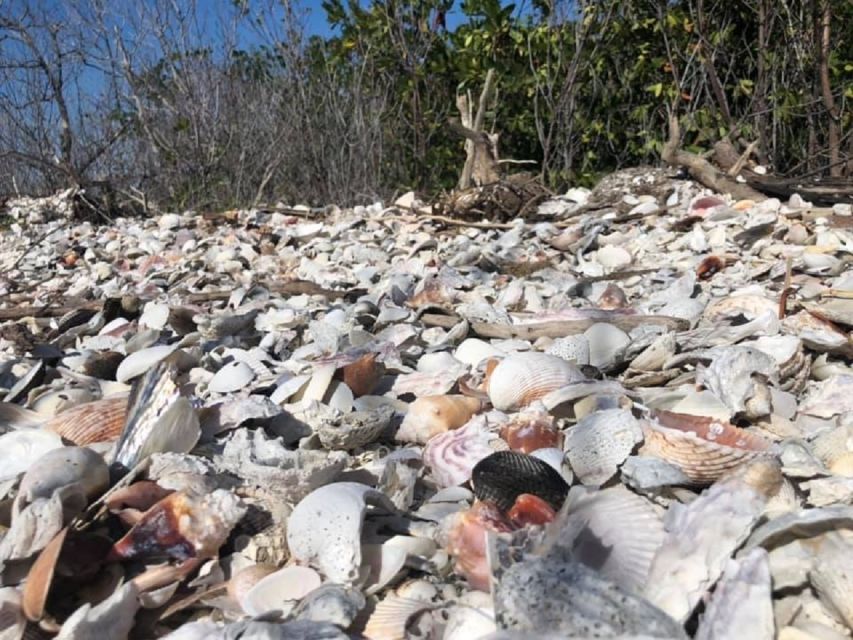
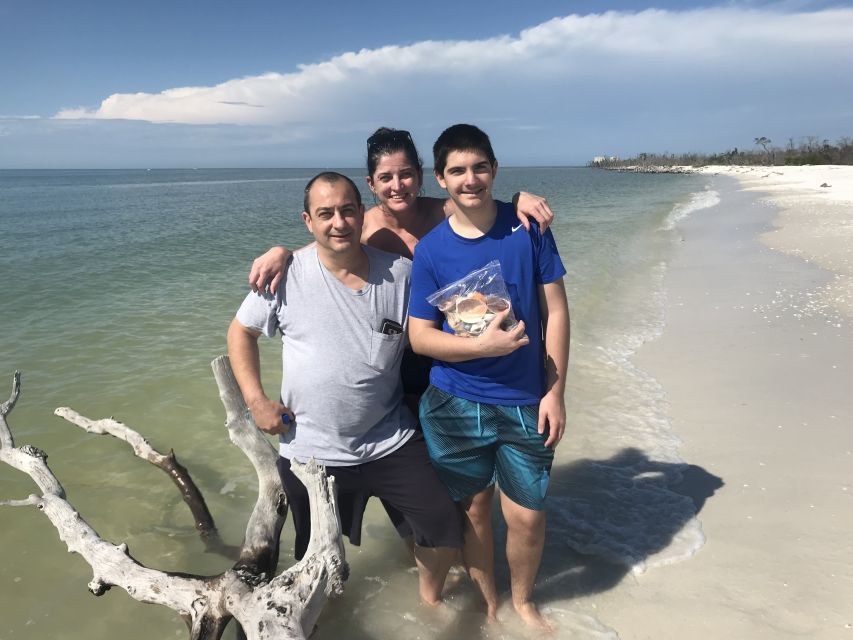
And yes, your hands get busy. You’ll collect shells, sand dollars, and other treasures from a beach that’s described as untouched. The guide gives you shell collecting bags as part of the tour, so you’re not scrambling with random bags from home.
One detail I’m glad is included: the experience is described as hands-on and suited for both young and old. Shelling is one of those activities where kids can actually participate without feeling like they’re “too small” for the nature portion. I also liked that the tour is set up so you’re not just watching from the boat the whole time—you’re doing something with your senses.
Practical shelling tips for your time on the sand
Since this part is built around tidal flats and tidal pools, your best strategy is to listen to the guide’s advice on where to stand and how to move. Keep your water shoes handy, and treat the beach like a living, changing surface, not a static postcard.
When you’re scanning for sand dollars and shells, you’ll usually do better focusing where you can see the sand texture and small shell fragments rather than only chasing the biggest items. And if you want the best photos, pause often—shelling gets you busy fast.
What wildlife you can realistically expect to see
Let’s keep your expectations grounded in the itinerary. The tour is designed so you have multiple opportunities to spot animals:
- You’re cruising while the guide scans for dolphins, manatees, sea turtles, and other marine wildlife.
- You’re also looking for birds throughout the day, especially on the water and near viewing points.
Birdwatching is a major theme here. The highlights list big-name birds like pelicans and ospreys, plus smaller sightings you might recognize later once someone points them out—like roseate spoonbill. You’re also told you may see a large number of shorebird species.
From the experience perspective, the most satisfying wildlife days are the ones where you feel helped in the moment. That’s why the guide’s commentary matters. You’re not just scanning with your own guesswork—you’re being guided.
Cape Romano dome homes: why this quick cultural stop adds value
The tour includes Cape Romano to see dome homes. Even if you’re mainly there for dolphins and shelling, this matters because it ties the day to where you are geographically and socially in southwest Florida.
It’s short enough that it doesn’t steal time from the wildlife and beach, but it gives you a concrete reason to stop. A dome home view also helps you understand why “Ten Thousand Islands” isn’t just a nature idea—it’s a whole region with its own building history and environmental relationship.
If you care about photos, take the camera out for this section. The tour specifically calls it out as a viewpoint/photo moment.
Price and value: is $160 per person worth it?
At $160 per person for a 3.5-hour experience, you’re paying for three things bundled together:
- a naturalist guide
- a licensed captain plus the boat and safety equipment
- shell collecting materials (shell collecting bags)
The price also buys you two environments in one outing: open-water wildlife viewing and a remote beach shelling session. If you’ve ever paid separately for a boat tour and then separately for a beach activity, you’ll recognize why bundle pricing can feel sensible.
Here’s what’s not included, so you can judge value honestly:
- no hotel pickup or drop-off
- no food or drinks
- a $10 county parking fee
That last line is easy to underestimate. If you drive yourself, park costs add on. If you’re staying near Goodland, using Uber or Lift can keep the total outlay more predictable.
For me, the main value signal is that the guide work is tied to both halves of the trip. You’re not paying $160 just to sit on a boat and hope. You’re paying for explanation on the water, and instruction for shelling once you’re ashore.
What to bring so your tour feels easy
You’ll be moving between boat seating and walking/wading on the beach. Pack for sun and for damp sand. The tour lists what to bring, and it’s not overkill.
Bring:
- sunglasses
- hat
- towel
- camera
- sunscreen
- water
- water shoes
I’d treat water shoes as non-negotiable if you plan to wade tidal pools. It’s the difference between an activity that feels like fun and one that feels like you’re fighting your gear. Also bring a towel you’ll actually use afterward—you’ll want it for comfort when you’re back on land.
Who this tour suits best (and who might think twice)
This tour is a great fit if you want:
- dolphin watching plus other wildlife in a guided setting
- a hands-on shelling experience with actual instruction
- a half-day plan that doesn’t require planning meals or a second ticket
- a nature activity that works for a range of ages (the tour describes it as perfect for young and old)
You might think twice if:
- you strongly prefer tours with food and drinks included
- you need hotel pickup (it’s not included)
- you’re not comfortable making your own way to Goodland Boat Park and handling parking
Weather also matters. The tour specifically suggests morning experiences from June through October due to weather conditions. If you’re booking in those months, choose a morning slot so your day is less likely to feel stretched by heat or changing conditions.
Should you book the Marco Island Ten Thousand Islands Shelling & Dolphin Tour?
If your ideal Marco Island day includes a boat ride, wildlife viewing, and a beach you can actually explore with your hands, I’d book it. The strongest reasons are the same ones that make the day feel rewarding: a naturalist guide guiding you on the water, and structured shelling time on a remote beach where you’re taught what to do.
It’s also a good choice if you want variety without a full-day commitment. In about 3.5 hours, you’ll get dolphins, birds, and a real shell-collecting payoff—plus the dome homes at Cape Romano as a memorable photo anchor.
One final check before you hit reserve: confirm you can arrive to Goodland Boat Park on time, bring the listed gear (especially water shoes), and plan on water for the day since food and drinks aren’t included. Do that, and you’ll be set up for a straightforward, fun half-day in southwest Florida.
FAQ
Where does the tour start?
Meet at Goodland Boat Park. The guides are under the covered picnic table pavilion, to the left of the building under the covered picnic pavilion.
How early should I arrive?
Please arrive 20 minutes early to park and use the restrooms. Boarding is about 5 minutes before the departure time.
How much does the tour cost?
The price is listed as $160 per person.
How long is the tour?
The duration is listed as 3.5 hours. Starting times depend on availability.
Is hotel pickup included?
No. Hotel pickup and drop-off are not included.
What is included in the tour price?
Included items are the naturalist guide, boat and safety equipment, a licensed captain, and shell collecting bags.
What should I bring for shelling and the beach?
Bring sunglasses, a hat, towel, camera, sunscreen, water, and water shoes.
Is food and drinks provided?
No. Food and drinks are not included.
Is there a parking fee?
Yes. There is a $10 county parking fee.
What wildlife will we look for?
The tour highlights mention dolphins and the chance to see manatees, sea turtles, sharks, and rays, plus birds like ospreys, bald eagles, ibis, roseate spoonbill, egrets, herons, pelicans, and skimmers, along with shorebird species.
Is the tour family-friendly?
It’s described as a hands-on experience that’s perfect for young and old alike.