REVIEW · DOMINICA
Private Whale and Dolphin Whale Watching Boat Tour
Book on Viator →Operated by Waitukubuli Adventure Tour Co · Bookable on Viator
A good day at sea starts with a listening game. On this private whale and dolphin boat tour in Dominica, you’ll head out on a smaller charter vessel (or a luxury catamaran option) and use a hydrophone to catch whale communication up close, even when the animals are still far off. It’s the kind of outing where the water is half the show and the sound is the other half.
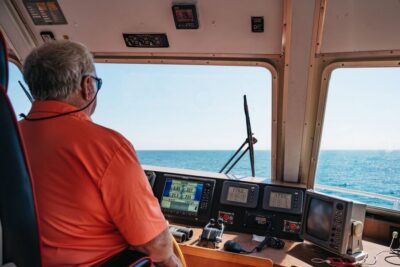
What I’d love is the mix of marine naturalist narration plus hands-on whale searching. You’re not just staring into ocean blue and hoping for a blow; the crew uses whale-sound tech to help track what’s out there, and the captain and guide work the route with purpose.
The main drawback is the ocean’s reality check: whales are wild, and good conditions matter. When weather turns, you may lose searching time or end up with more dolphins than whales.
In This Review
- Key highlights worth marking on your map
- The magic is in the sound, not just the spotting
- Boat choice: speed and access vs luxury comfort
- How the 3-hour flow actually feels (coast to search zones)
- Roseau Museum stop: a quick culture break, not the main event
- Hydrophone whale songs: what to listen for
- What you’ll likely see: sperm whales, pilot whales, and big dolphin energy
- Drinks, life jackets, and the wet-day reality
- Price and value: $1,450 for a private group day at sea
- Logistics you’ll want to get right before you go
- Who should book this private whale and dolphin tour
- Should you book? My straight answer
- FAQ
- How long is the private whale and dolphin whale watching boat tour?
- Where is this tour offered?
- Is this a private tour?
- Is pickup available?
- What’s included on the boat?
- What should I expect weather-wise?
- Are whales guaranteed?
- Can I bring my own drinks and sunscreen?
- Who is not allowed on this tour?
- What if the tour is canceled due to weather?
Key highlights worth marking on your map
- Hydrophone whale songs: you listen with tech, not just eyesight
- Marine naturalist narration: you’ll get real explanations while you’re on the water
- Private charter feel: only your group, on your schedule for the ~3 hours
- Small-vessel searching: you can cruise on 25-, 29-, or 36-foot boats, depending on your setup
- Plan to get wet: ocean spray and light rain are part of the experience
- Rum punch included: plus sodas and bottled water to keep morale high
The magic is in the sound, not just the spotting
Most whale watches live or die by eyesight. This one adds a second sense. You’ll use a hydrophone to listen to whale vocalizations, and that changes how you experience the hunt. Even when you’re not staring at a spout, you can still feel like something is happening—because the guide can talk you through what you’re hearing and what it suggests.
That matters in Dominica, where the best sightings often come after some searching. The crew heads out and spends time sounding and scanning. The payoff shows up in the kinds of encounters reported again and again: sperm whales are a big draw, along with sightings of pilot whales and lots of dolphins in the mix. In other words, you’re not gambling only on one species.
I also like how the narration is built into the trip. A marine naturalist isn’t just reciting facts. The information is meant for the moment you’re in—like why a whale is calling, what the behavior can mean, and how the crew reads the ocean.
You can also read our reviews of more tours and experiences in Dominica.
Boat choice: speed and access vs luxury comfort
You’ll usually ride one of the smaller vessels—about 25, 29, or 36 feet—which is exactly what you want for chasing marine life. Smaller boats tend to get you better access to where the animals are spending time. They also make it easier to reposition quickly when the hydrophone suggests you should change direction.
There’s also an option for a luxury catamaran, which is great if you’re prioritizing comfort and want a “wow” factor on the water. Catamarans can feel steadier and more spacious, especially if your group includes kids or anyone who gets uneasy on choppier runs.
One practical note: this is a low-to-the-water boat experience and you should expect spray. Even when the sea looks calm, you can get soaked with ocean mist, and light rain can happen. That’s not a “maybe.” It’s a plan.
How the 3-hour flow actually feels (coast to search zones)
This tour is roughly 3 hours from start to finish, and most of that time is about moving, listening, and locating. You’ll start with a look at the island as you head out, then there’s a short land/arrival moment tied to Roseau Museum (about 15 minutes, and entrance isn’t included). After that, the real work begins: out at sea they’re sounding and searching, then they reposition again to where whale activity is strongest.
Here’s what that means for your expectations. You’ll probably not get “instant whale magic” the second you leave the dock. Instead, you’re doing the more honest version of a whale watch—the search is part of the story. The best moments tend to happen when the hydrophone and spotting line up and the crew commits to the right zone.
Also, you’ll spend time “out to sea” focused on locating the whales rather than just cruising around. The itinerary includes a quick coast-and-search phase and then a main encounter window. Even short stops are timed for when whale presence is likely to be found.
Roseau Museum stop: a quick culture break, not the main event
The Roseau Museum portion is brief—about 15 minutes—and the admission ticket is not included. This is more of a palate cleanser than a full museum visit. If you’re hungry for a deep dive into Dominica’s culture and history, you’ll probably want a separate time on land.
But as a logistics choice, it works. It gives you a short stretch onshore without turning the whole day into “museum first, boat later.” It also helps break up the transition from port life to open water. If you’re doing this as part of a tight itinerary in Dominica, the short stop can be a real advantage.
The key thing: don’t count on the museum as part of your “why” for booking. Your real reason is the whales and dolphins out on the water.
Hydrophone whale songs: what to listen for
I love that this tour gives you something to do besides scan the horizon. With the hydrophone, you’re listening for whale calls and communication. One reason the trip gets such strong feedback is that people remember the sound, not only the view.
A practical way to enjoy this part:
- Keep your eyes up when the crew points. The hydrophone helps set the stage, but you’ll still want to watch.
- If you’re told where the sound seems to be coming from, treat that as your navigation cue.
- When the crew adjusts course, it’s usually because they’re trying to line up with whale activity.
There’s also a useful reality check from how the crew responds to weather: rain can change the pace of driving, but it doesn’t “turn off” the hydrophone work. In other words, the team isn’t just waiting for the sea to improve. They’re using the tools they have to keep hunting effectively.
What you’ll likely see: sperm whales, pilot whales, and big dolphin energy
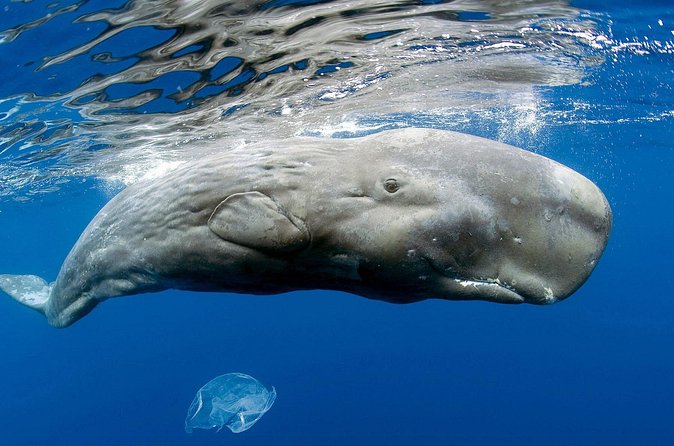
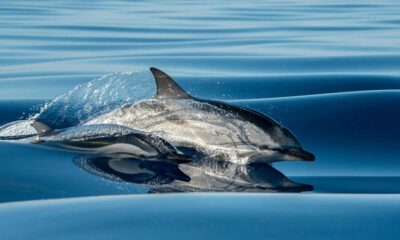
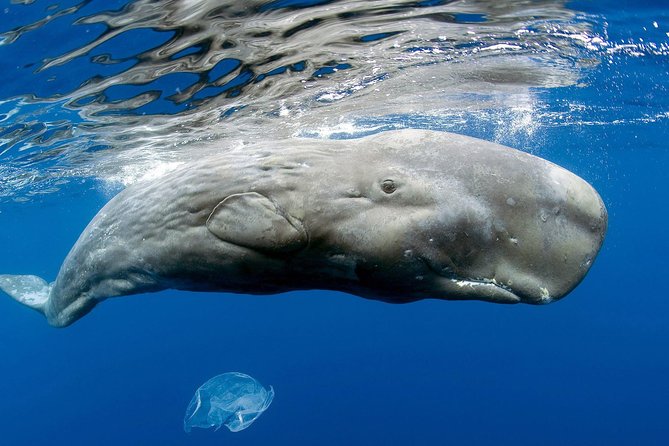
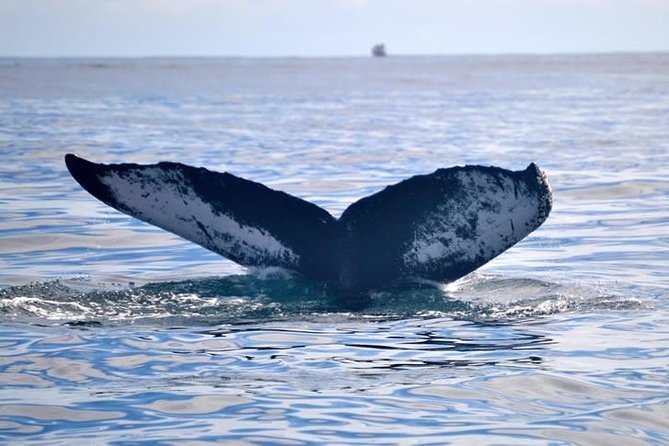
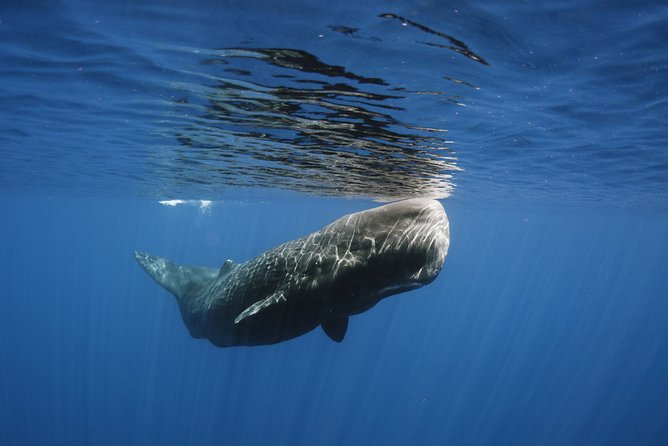
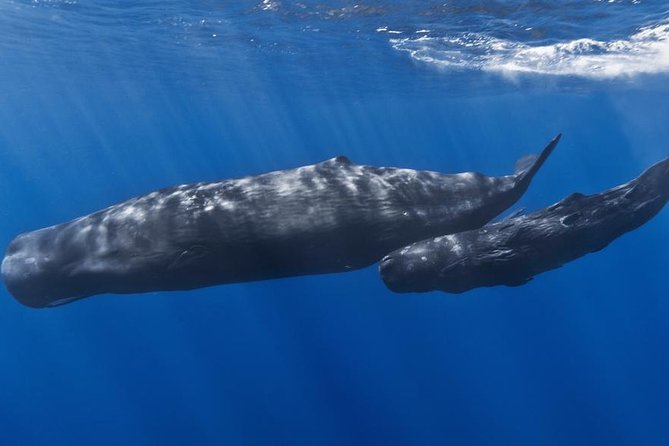
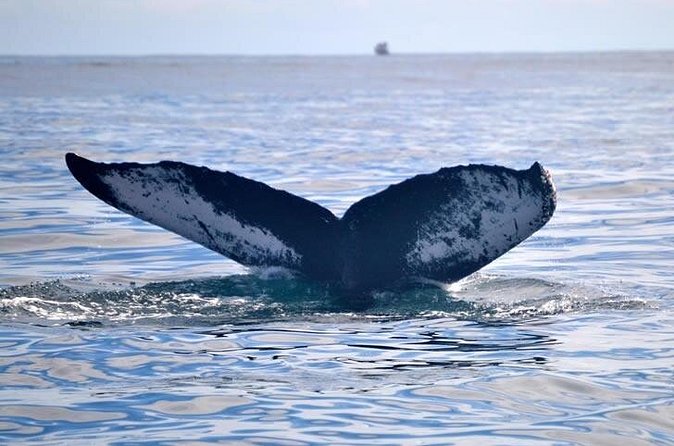
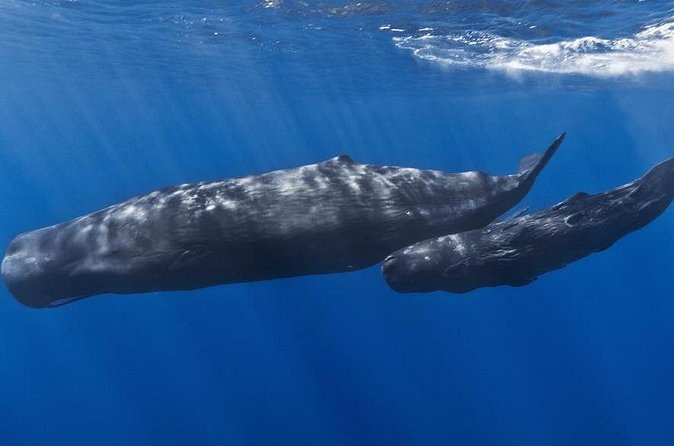
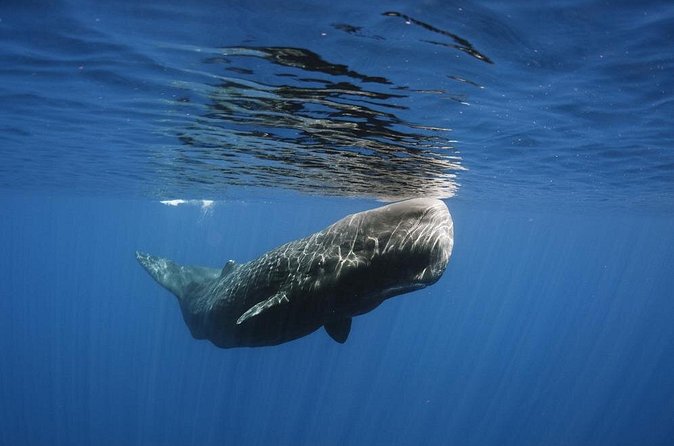
Sightings in Dominica can be a mix. What’s consistently reported includes sperm whales—sometimes multiple sightings in the same outing—plus pilot whales and dolphins in large groups. Some trips also include flying fish, which is a fun bonus when the surface action is high.
One of the most reassuring patterns in the feedback is persistence. Captains are reported as working hard to locate whales, even when the first search doesn’t pay off immediately. That effort matters because, with any whale watch, there’s always the possibility of fewer whales that day.
So what’s the balanced takeaway for you? Book for the experience of listening, learning, and being out on the water. If whales are there, you can score a major moment. If they’re not, you still have a good chance of dolphins and other sea life.
Drinks, life jackets, and the wet-day reality
This is a “boat day” that comes with comfort perks. You’ll have sodas and bottled water, plus Tiffany’s Rum Punch. It’s not a hard-party vibe, but it’s a nice touch—especially if you end up out longer than you hoped chasing the right zone.
You’ll also get life jackets for emergencies, and you’ll be required to wear them during the tour. That’s not just safety theater. It also keeps things simple and fast if conditions change.
Then comes the part people forget to plan for: get your expectations wet. The tour notes call out low-to-the-water conditions, plus ocean spray and possible light rain. Bring:
- something to rinse or dry off with if you have it,
- a dry layer for the ride back,
- and reef-friendly sun protection.
Also note the sunscreen rule: no spray sunscreen is permitted—you’ll need reef-safe sunscreen instead. If you’re used to aerosol products, switch brands before you arrive.
Price and value: $1,450 for a private group day at sea
At $1,450 per group (for this private experience), the cost isn’t designed for bargain hunters. You’re paying for privacy, a dedicated crew, and the added tech of hydrophone listening and marine naturalist narration.
So how do you judge value?
- If you’re going as a small group and want the boat and attention to be fully yours, private pricing can start to make sense fast.
- If you’re the type who hates sharing space, waiting your turn, and taking whatever sighting slot comes next, privacy is the value.
- If you’re hoping for a guaranteed whale sighting, no whale watch can promise that, so the “value” is really about maximizing your chance through search effort and tools.
One more value angle: because this is private, you’re more likely to get time for questions and real guidance while you’re out there. And when the boat ride is three hours, those small moments add up.
Logistics you’ll want to get right before you go
This tour offers pickup (and you’ll receive a mobile ticket). It’s also near public transportation, which can matter if you’re not staying far from the action.
The bigger logistics tip from my point of view is timing buffer. A couple of things can affect your day: port delays, taxi pickup timing, and the fact that you’re going to be out on the water for about three hours. If you’re juggling cruise schedules, it’s smart to plan around flexibility and keep your contact plan ready.
Also, keep the “no surprises” list in your head:
- No pregnant persons are allowed for this tour.
- BYOB is allowed, but it has rules: bring plastic or cans only.
- Reef-safe sunscreen only.
- Expect to get wet.
Who should book this private whale and dolphin tour
Book it if you want:
- a private whale watch feel,
- a captain and crew who use hydrophone listening as part of the hunt,
- and a day that blends nature, education, and water time rather than just one quick scan for spouts.
It also seems to work well for families who can handle a boat ride with spray and who appreciate the learning component. One theme in the feedback is that the crew made the experience special even with kids along—so long as everyone is prepared for the wet, active nature of the outing.
Skip it (or choose a calmer option) if:
- you’re not comfortable with waves, spray, and the chance of rain,
- you need a strict guarantee of seeing whales (this can’t be promised in open ocean conditions),
- or you can’t follow the safety rules like wearing the life jacket during the tour.
Should you book? My straight answer
If you’re visiting Dominica and you want one “big nature moment” that’s more than just sightseeing, I think this is a strong choice. You’re getting the hydrophone, the marine naturalist narration, and a private setup that makes the hunt feel personal. The rum punch and dolphin-heavy bonus potential are a real bonus when whales are shy.
Just go in with the right mindset. This is a sea day with real variables, not a theme-park guarantee. If that fits your style, you’ll likely leave happy—even if the day’s highlights are split between whales, dolphins, and that unforgettable sound track from the hydrophone.
FAQ
How long is the private whale and dolphin whale watching boat tour?
It’s about 3 hours (approx.).
Where is this tour offered?
The tour is in Dominica.
Is this a private tour?
Yes. It’s private, meaning only your group participates.
Is pickup available?
Pickup is offered.
What’s included on the boat?
Life jackets are provided, and you’ll get sodas, bottled water, and Tiffany’s Rum Punch. The tour also includes a hydrophone and marine naturalist narration.
What should I expect weather-wise?
Plan to get wet. Ocean spray is expected, and light rain can occur.
Are whales guaranteed?
The experience requires good weather, and it can be canceled due to poor weather. But whale presence is not guaranteed since it’s an open-ocean activity.
Can I bring my own drinks and sunscreen?
You can bring BYOB (plastic or cans only). Spray sunscreen is not permitted; you should use reef-safe sunscreen only.
Who is not allowed on this tour?
No pregnant persons are allowed.
What if the tour is canceled due to weather?
If it’s canceled because of poor weather, you’ll be offered a different date or a full refund. If you cancel for any other reason, it’s non-refundable and cannot be changed.