REVIEW · SAN DIEGO
San Diego: Whale and Dolphin Watching Speedboat Tour
Book on GetYourGuide →Operated by Netzero Expeditions · Bookable on GetYourGuide
Fast, close, and run by people who care.
This San Diego whale and dolphin watching tour is built around speed and small-group access on a Zodiac RIB, so you get a real sense of motion on the water while staying guided by marine biologists and naturalists. I love the seasonal odds (gray whales in winter/spring, blue whales in summer, humpbacks in fall) and the small semi-private setup that keeps the experience more personal than the big-boat scene. The main drawback to plan around is the ride: if you’re prone to seasickness or have mobility limits, this fast water experience may not be your best match.
On the water, you’ll also get practical ocean focus, not just sightseeing. The crew is set up for safety, uses safety equipment, and offers expert commentary in English and Spanish. One other consideration: if your day’s wildlife activity is lower, you might still have a great dolphin run but fewer whale sightings than you hoped for.
In This Review
- Key Things That Make This Tour Worth Your Time
- From Seaforth Marina to Open Water: How the Start Sets the Tone
- 3 Hours at Sea: What You’ll Actually Do and See
- Wildlife expectations that fit the season
- Dolphins are the year-round headline
- Zodiac RIB Experience: Why the Small Boat Changes Everything
- Hearing the experts while the action is moving
- Whale Sightings: The Thrill Versus the Reality Check
- Dolphins Up Close: The Most Reliable Payoff
- The Return to Seaforth Marina: Plan for a Clean Finish
- What the Price Covers (and How to Judge the Value)
- Who This Tour Fits Best
- Quick, Practical Tips to Improve Your Chances
- Should You Book This San Diego Whale and Dolphin Speedboat Tour?
- FAQ
- How long is the San Diego whale and dolphin watching speedboat tour?
- Where do I meet the tour?
- How big is the group?
- What marine animals can I see?
- What’s included in the price?
- What should I bring?
- Is there anything I can’t do during the tour?
- Who should avoid this tour?
Key Things That Make This Tour Worth Your Time
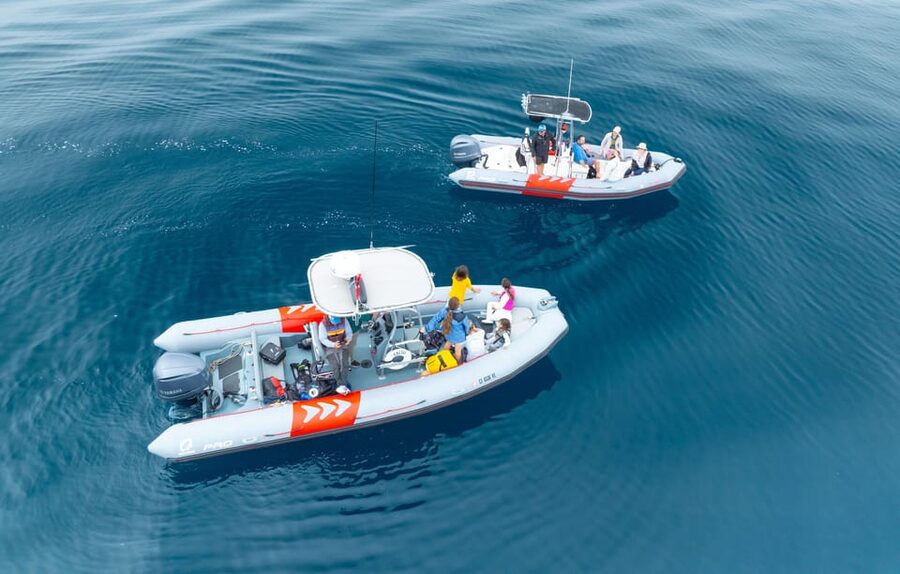
- Zodiac RIB speed and agility: faster coverage, more chances to find active wildlife
- Small group (max 6 passengers): easier to hear expert commentary and feel the moment
- Marine biologists/naturalists onboard: guidance that helps you understand what you’re seeing
- Seasonal whale calendar: gray, blue, and humpback sightings depend on the time of year
- Year-round dolphin chances: common dolphins, bottlenose dolphins, Risso’s dolphins, and sometimes orcas
From Seaforth Marina to Open Water: How the Start Sets the Tone
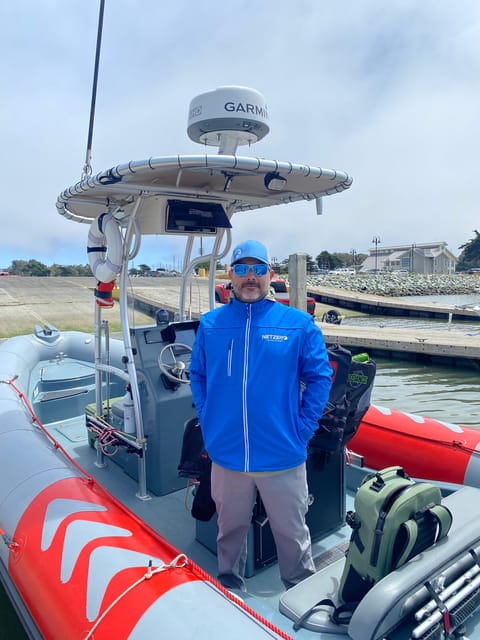
The whole experience begins at Seaforth Marina. Your meeting point is practical and easy to miss only if you show up late: look for the big pine tree and the automatic gate, then wait in the seating lounge in front of the marina office. Arrive about 15 minutes early so you can check in, get settled, and take a breath before the speedboat time.
This matters more than you might think. A 3-hour outing can feel long if you’re chilled and prepared, and short if you’re fiddling with hats or realizing you forgot sunscreen at the last second. Bring a hat, sunscreen, water, and comfortable clothes. Layers are smart because it can get cold on the water even when land feels warm.
The other part of the “start” is knowing what kind of trip you’re signing up for. This is not a slow cruise where you slowly scan from the rail. It’s a guided speedboat outing with a USCG Captain and safety equipment, built for motion and active searching.
You can also read our reviews of more tours and experiences in San Diego.
3 Hours at Sea: What You’ll Actually Do and See
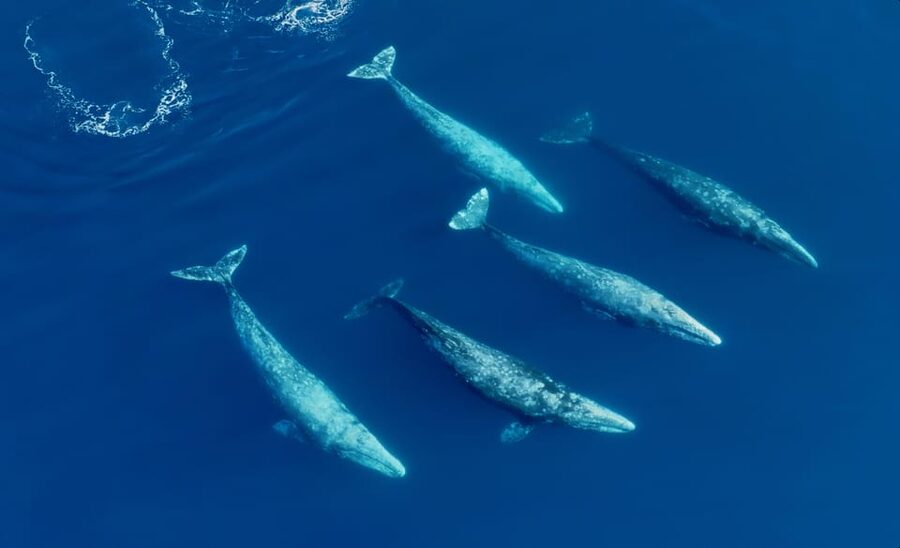
Your day is a single guided cruise loop: depart from Seaforth Marina, spend about 3 hours on the water, then return to Seaforth Marina. Within that window, the goal is simple: spot whales and dolphins, and learn what you’re seeing while staying safe in changing ocean conditions.
Wildlife expectations that fit the season
The tour’s whale chances are organized around the time of year, which is huge if you want realistic expectations rather than wishful thinking.
- Winter and spring: gray whales are the target.
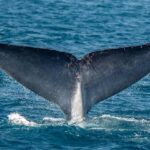
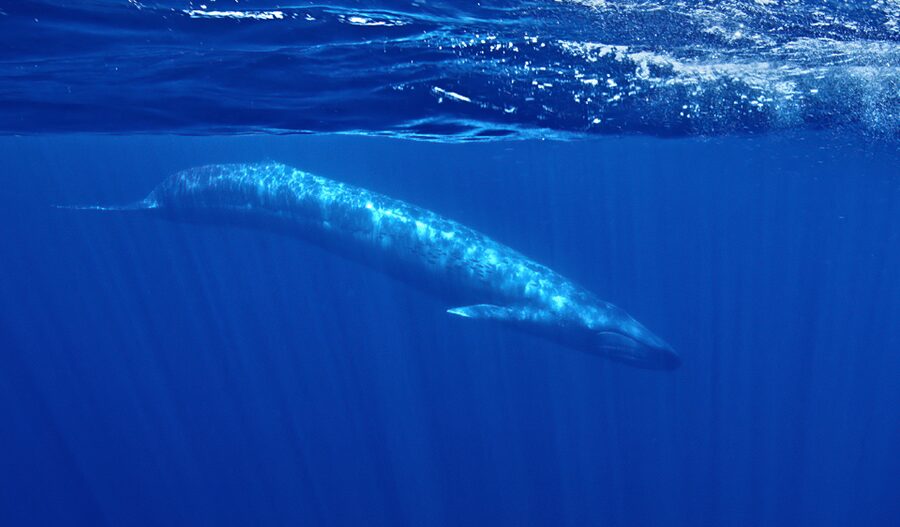
- Summer: blue whales are the focus.
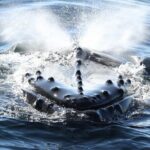
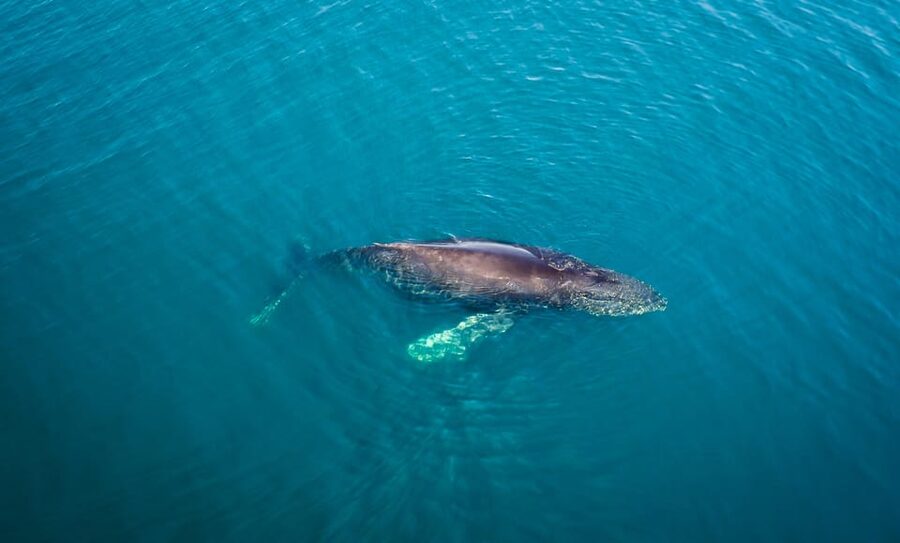
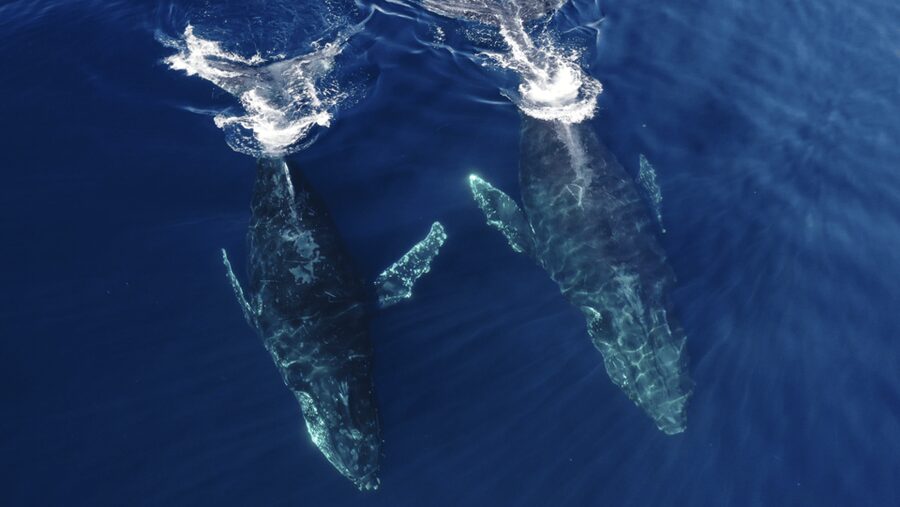
- Fall: humpback whales are the highlight.
Even when whales are present, sightings can vary by day and by ocean conditions. So if your travel dates are fixed, plan for the best match with your season rather than assuming you’ll see every species every trip.
Dolphins are the year-round headline
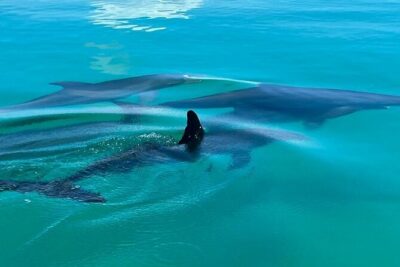
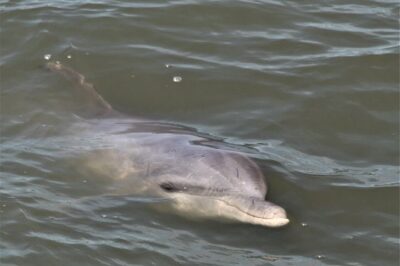
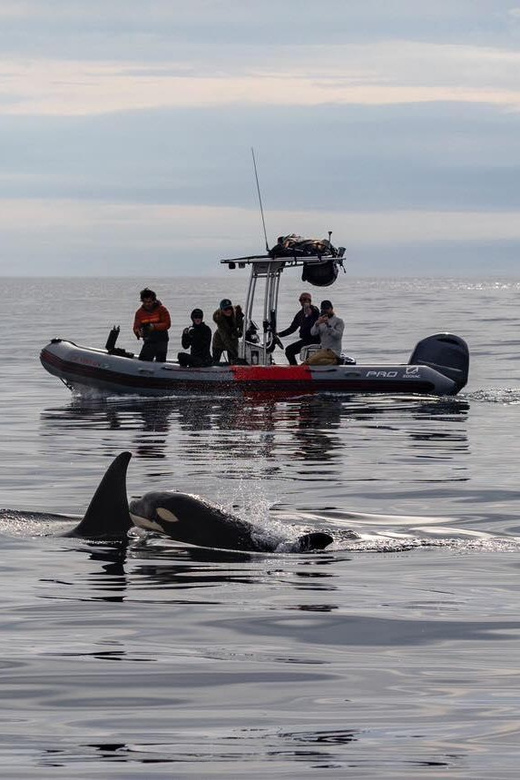
Dolphins are not just a bonus on this outing. Year-round, you can encounter several species, including common dolphins, bottlenose dolphins, Risso’s dolphins, and occasionally orcas. That “occasionally” is real—nobody can promise a top-tier sighting every time—but the tour is designed to maximize your chances of finding active pods.
In recent outings, the dolphin action has been the most consistent payoff for many people. When a pod is active, the Zodiacs can work the situation quickly, letting you watch their movement and behavior without waiting in silence while a large ship drifts nearby.
Zodiac RIB Experience: Why the Small Boat Changes Everything
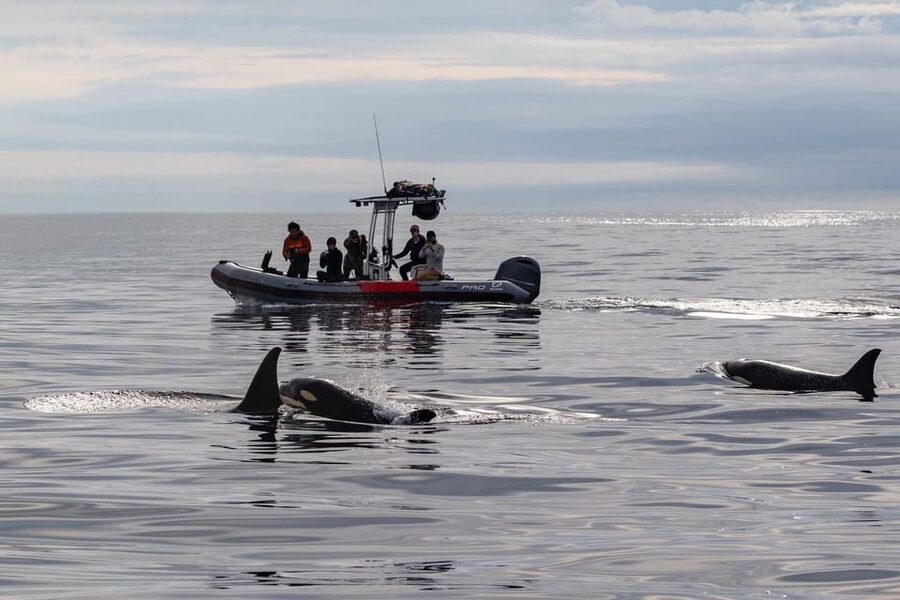
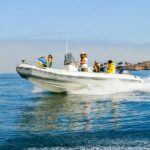
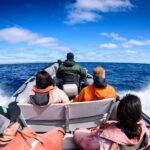
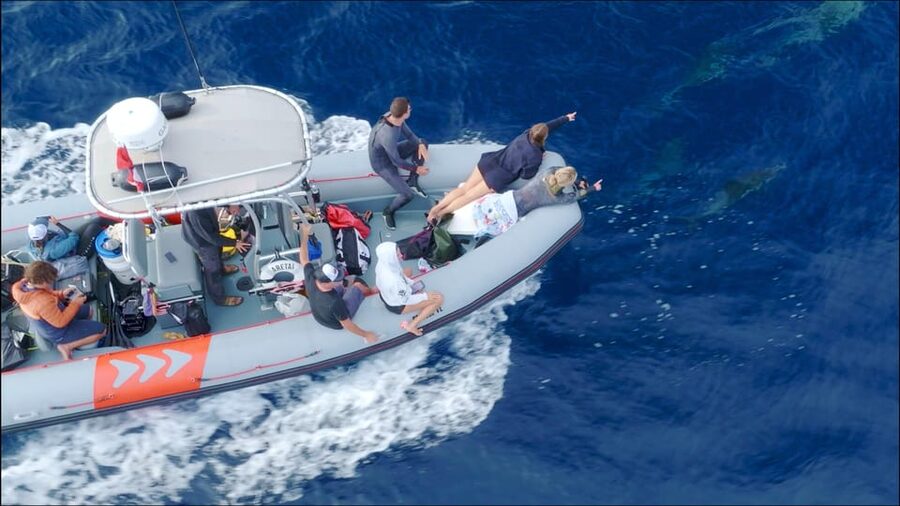
This tour uses a state-of-the-art Zodiac RIB fleet. The “RIB” part matters because it’s built for speed and agility, which translates to two practical benefits for you:
- More ground covered in less time. If wildlife activity shifts, the boat can reposition fast.
- A more intimate viewing angle. You’re not swallowed by a mass of people, and it’s easier to get a good look when the animals surface.
There’s also a comfort trade-off. Fast motion can be fun, but it can be rough if you’re sensitive to waves. The tour isn’t suitable for everyone, including pregnant women, people with back problems, non-swimmers, or anyone prone to seasickness. If you’re even slightly worried, it’s smart to bring motion sickness medication as recommended.
Hearing the experts while the action is moving
This is a guided ride with expert commentary by marine biologists and naturalists. The point isn’t to recite a textbook; it’s to help you connect the dots in the moment—what species you might be seeing, why they’re behaving a certain way, and what to watch for during surfacing.
You’ll hear the guide in English and Spanish. A good sign here is how different crew personalities show up in day-to-day reports. One guide named Bogart was noted for being friendly and even playing jazz on the water, which adds energy without getting in the way of safety.
Whale Sightings: The Thrill Versus the Reality Check
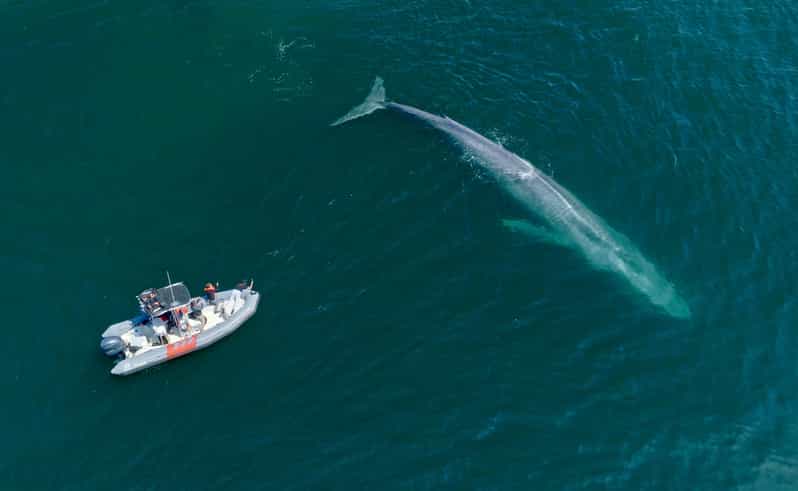
Let’s talk about the emotional rollercoaster of whale watching. When it’s good, it’s unforgettable. When it’s quieter, it can still be a fun ocean ride—but your whale expectations should stay flexible.
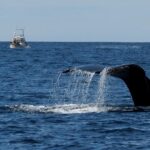
On the plus side, this tour is set up for whale country. When whales are around, the fast boat can position you well for repeat looks. In one documented experience, a crew member named Jack and his team (including Manolo, Carlo, and Havi) were described as pushing hard for more whale time, even when one whale sighting was the only whale of the day. On another occasion, a group encountered orcas after about 55 minutes, and the orcas reportedly stayed with the boat for around 90 minutes. That’s the kind of “timing pays off” magic whale watching is known for.
On the reality side, a smaller vessel and a guided approach can’t guarantee a whale every outing. One account noted a dolphin-heavy day with limited whale explanation, which is a reminder to ask yourself what you want most. If your number-one goal is whales only, you should still be ready for a dolphin-forward day.
Dolphins Up Close: The Most Reliable Payoff
If you’re here for dolphins (not just as a side quest), you’re in the right place. Multiple reports point to strong dolphin encounters, including days with large dolphin schools. One account described time spent in the middle of hundreds of dolphins for roughly 45 minutes, with playful jumps around the boat.
Here’s what that means for you: dolphins can offer frequent, repeatable action even when whales are shy. And because this tour is designed to move quickly, you’re less likely to waste time waiting for a long-range spotting that never becomes a close encounter.
Also, dolphins are great for learning. Even without specialized gear, your guide can help you watch the differences in behavior that point toward different species.
The Return to Seaforth Marina: Plan for a Clean Finish
After your cruise time, you return to Seaforth Marina. This is a good moment to manage two small things:
- Do a quick check of your belongings (hats, camera, any straps or jackets).
- Warm back up if you layered up for the cold water.
The tour runs on a tight 3-hour loop, so you’re not stuck in a long day of delays. But it’s still wise to keep your post-tour plans flexible for weather and timing.
What the Price Covers (and How to Judge the Value)
At $188 per person for a 3-hour outing, this isn’t a budget add-on. So how do you decide if it’s worth it?
Look at what’s included:
- USCG Captain
- Port tax and all fees
- Guided speedboat tour on a Zodiac RIB
- Semi-private tour with six passenger limit
- Expert commentary by marine biologists/naturalists
- Safety equipment
- Opportunity to see whales, dolphins, and other marine species
You’re paying for three main things: safety leadership, expert guidance, and a boat type that can actually reposition fast. The small group limit is also part of the value. One strong piece of feedback was that paying for the smaller tour meant the boat was faster and covered more ground than the big-ship alternative.
What’s not included is food and drinks, so factor in a snack plan before or after. If you tend to get hungry quickly, add a small pre-ride meal or plan to grab something at the marina afterward.
Who This Tour Fits Best
This tour is a great match if you:
- Want a fast, high-energy ocean experience rather than a slow cruise
- Care about understanding what you’re seeing, not just taking photos
- Prefer smaller groups (max 6) for a more focused outing
- Travel with someone who’s excited by motion, wind, and close wildlife encounters
It may not fit you if you:
- Are prone to seasickness
- Need a more stable, calmer ride
- Have restrictions related to pregnancy or back problems
- Can’t swim
Quick, Practical Tips to Improve Your Chances
This is the stuff that usually makes a difference on the water.
- Wear layers: cold on the water is common, even when the day looks fine from shore.
- Bring water: you’ll move fast and feel it.
- Take your sunscreen seriously: sun + wind is sneaky.
- Take motion sickness seriously: if you’re cautious, use medication as recommended.
- Show up on time: wait at the seating lounge by the marina office so you don’t rush at check-in.
Also, remember that whale watching is weather-and-activity dependent. Your best mindset is: “dolphins are likely, whales depend on conditions and timing,” and then enjoy the ride.
Should You Book This San Diego Whale and Dolphin Speedboat Tour?
If your dates match a whale season—winter/spring for gray, summer for blue, fall for humpbacks—you’ll probably feel extra motivated. If your top goal is dolphins and active ocean time, this tour can deliver more consistent thrills because dolphins are present year-round and the boat can react quickly to what’s happening.
I’d book it if you’re okay with wind, speed, and a ride that isn’t designed for maximum comfort. I’d pause if you’re sensitive to motion, have health constraints listed for the tour, or want a slow, gentle cruise where you rarely change position.
If you do book, use the season to your advantage and go in prepared. Bring your layers, your camera, and your expectation that nature sets the schedule.
FAQ
How long is the San Diego whale and dolphin watching speedboat tour?
It lasts about 3 hours on the water, with cruise time between Seaforth Marina departures and returns.
Where do I meet the tour?
Meet at Seaforth Marina at the seating lounge in front of the marina office, near a big pine tree and an automatic gate.
How big is the group?
This is a small group tour limited to six passengers (semi private).
What marine animals can I see?
You can have opportunities to see gray whales (winter/spring), blue whales (summer), humpback whales (fall), and dolphins year-round including common dolphins, bottlenose dolphins, and Risso’s dolphins. Orcas are possible sometimes.
What’s included in the price?
Included are the USCG Captain, port tax and all fees, a guided speedboat tour on a Zodiac RIB, expert commentary by marine biologists and naturalists, and safety equipment.
What should I bring?
Bring a hat, camera, sunscreen, water, and comfortable clothes. Dress in layers since it can get cold on the water.
Is there anything I can’t do during the tour?
You should not smoke and you should not feed animals.
Who should avoid this tour?
It’s not suitable for pregnant women, people with back problems, non-swimmers, or anyone prone to seasickness. Motion sickness medication is recommended if you’re prone to seasickness.