REVIEW · TARIFA
Tarifa: Orca, Whale and Dolphin Watching Boat Experience
Book on GetYourGuide →Operated by Turmares Tarifa · Bookable on GetYourGuide
A fast boat ride can turn into a real wildlife encounter. This Strait of Gibraltar cruise is built for one thing: seeing killer whales and other cetaceans in real marine conditions. You get the big excitement of watching these animals up close, and you also get a guide who helps you understand what you’re seeing out there.
I especially like that the tour targets an area known for regular killer whales in the Mediterranean, and that your crew actively works to improve your chances. The only drawback to plan around is that killer whale sightings in Tarifa are only possible in July and August, so outside that window you should set expectations accordingly.
In This Review
- Key Things I’d Prioritize
- Strait of Gibraltar Boat Tour from Tarifa: The Big Setup
- Getting There and Boarding: What Matters Day-of
- The 3-Hour Cruise: How You Spend Your Time
- Where the Magic Happens: Species, Seasonality, and Expectations
- How the Crew Tries to Find Orcas and Dolphins
- Onboard Viewing Rules: Why They Improve the Experience
- Learning From the Guide: More Than a Sightseeing Trip
- Price and Value: Is $77 a Good Deal?
- What to Bring (So You’re Comfortable When the Action Starts)
- Who This Tour Fits Best
- The Main Trade-Offs to Keep in Mind
- Should You Book This Orca, Whale, and Dolphin Cruise?
- FAQ
- How long is the cruise?
- Where do I check in for the tour?
- What should I bring?
- What’s not allowed during the trip?
- Can the departure time change?
- What if we don’t see any cetaceans?
Key Things I’d Prioritize
- Guided spotting with a focus on cetaceans, not just a generic boat trip
- Up to 7 cetacean species possible in the Strait of Gibraltar area
- Responsible wildlife rules (no flash, no feeding, no touching, no noise)
- A free second opportunity if no sightings happen
- Value boosters like a 30% discount on a future whale-watching tour when you don’t see killer whales
Strait of Gibraltar Boat Tour from Tarifa: The Big Setup
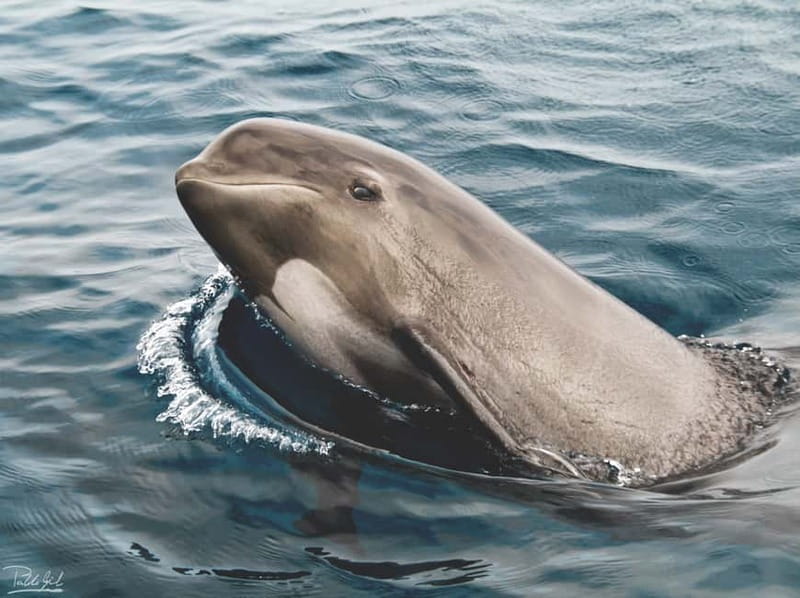
Tarifa is the right launch point for this kind of wildlife viewing. You’re sailing where the Mediterranean Sea meets the Atlantic Ocean, and that mix helps explain why this stretch is so productive for marine life. In other words, you’re not just going “out on the water.” You’re going to a place that actually makes sense for whales and dolphins.
This is a 3-hour cruise run by Turmares Tarifa. You’ll check in at the front desk of Turmares Whale Watching in Tarifa, then board for a guided hunt for cetaceans around the Strait of Gibraltar. The meeting is simple, and the schedule is built around the sea state, which matters on this coast.
You can also read our reviews of more tours and experiences in Tarifa.
Getting There and Boarding: What Matters Day-of
Your day starts with a practical point: the exact departure time is decided the day before, based on sea and weather conditions. That means you should keep your morning flexible and expect a slight adjustment. The good news is the tour is designed to run when conditions are safe and viewing is best.
Parking can be a hassle if you’re driving, since there’s no dedicated parking lot included with the tour. If you’re coming from outside town, I’d plan extra time just to avoid arriving stressed. Arriving early helps you get comfortable, pick the right spot onboard, and settle before the crew starts scanning the water.
The 3-Hour Cruise: How You Spend Your Time
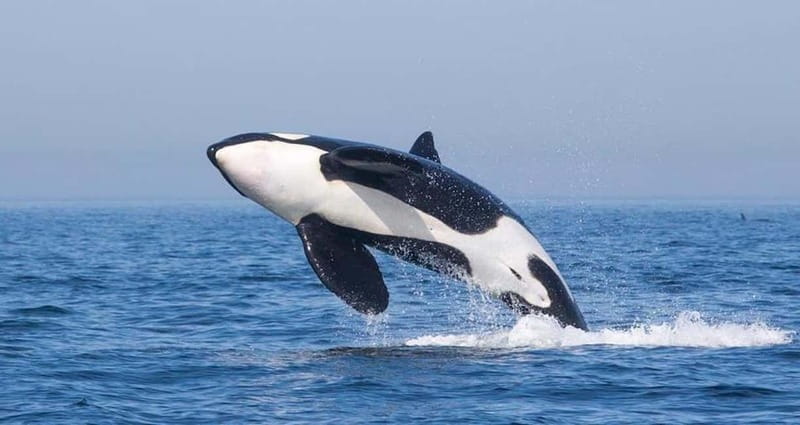
The structure of the experience is straightforward. You climb aboard, then head to the waters where orcas, whales, and dolphins are usually most active. Your crew isn’t just “following a route”; they’re looking for where sightings are likely, and that search is part of the fun.
On the water, expect active spotting and frequent stops in promising areas. When cetaceans are present, the trip turns into a moving wildlife classroom. Your guide explains species characteristics so you can connect what you see—blows, movement patterns, and group behavior—to the animal.
The cruise returns you back to Tarifa at the end, so you’re not committing the rest of the day to the ocean. For many people, this hits the sweet spot: long enough for real chances, short enough to still enjoy Tarifa afterward.
Where the Magic Happens: Species, Seasonality, and Expectations
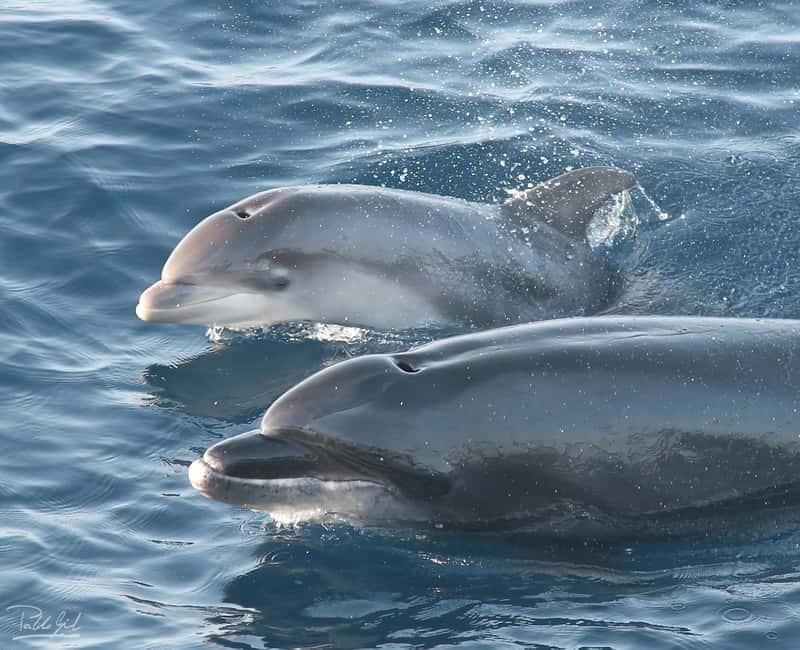
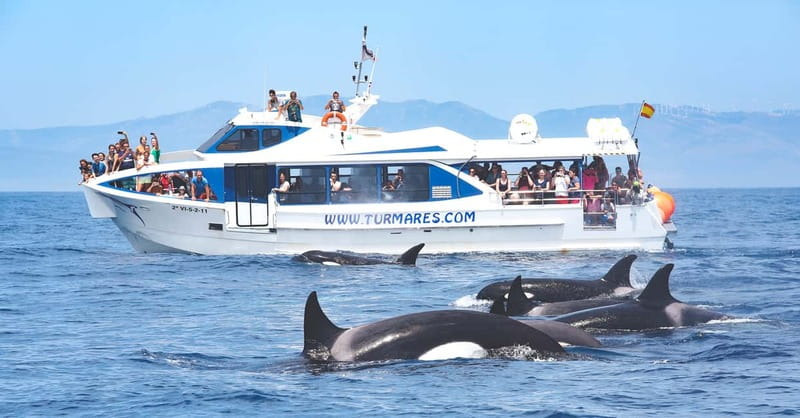
The tour is known for being targeted. You’re specifically visiting the only area in the Mediterranean with a regular presence of killer whales, and that’s the reason Tarifa is on the map for serious marine life watchers. You’re also not stuck with just one target species.
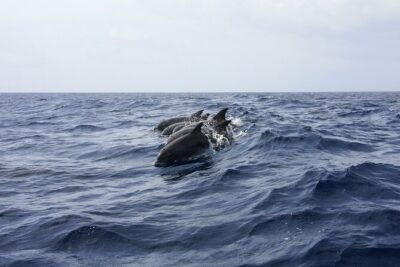
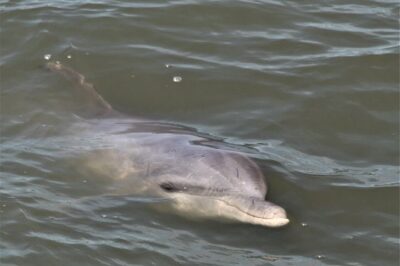
The experience is built around spotting up to 7 cetacean species around the Strait of Gibraltar. Dolphins are a major focus, and you can also be on the lookout for whales and orcas depending on the conditions and season. I like that the tour frames this honestly: there are multiple outcomes, and you’re still likely to see cetaceans even if killer whales are not on the menu.
Here’s the key planning detail: killer whale observation in Tarifa is only possible in July and August. If you’re traveling in fall or spring, you can still have an excellent dolphin-and-cetacean trip, but you should treat orcas as a seasonal bonus rather than the main promise.
How the Crew Tries to Find Orcas and Dolphins
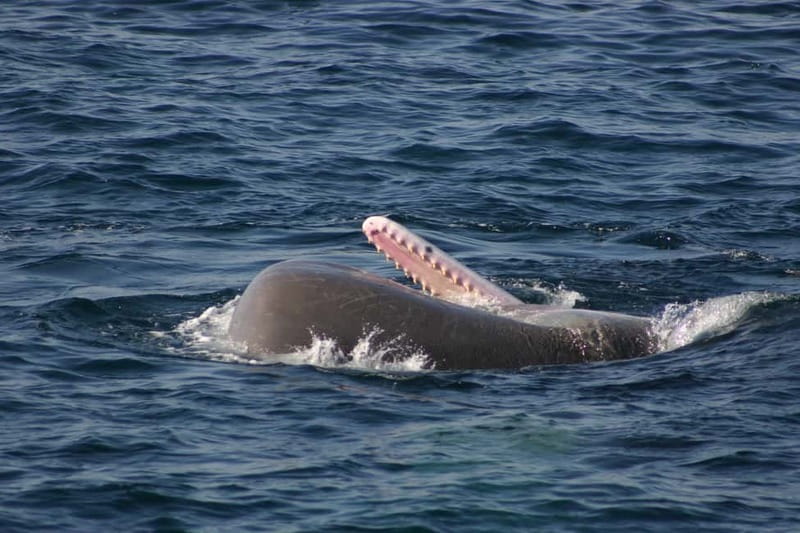
This tour stands out because the crew is working your odds. The description emphasizes that the team helps ensure your chances of seeing orcas are high. You’ll also find that the approach is adaptive—if conditions change, the timing and where you search can change too.
I also appreciate that the operator builds in a “second chance” safety net. The probability of sighting cetaceans is stated to be close to 100%, and if there are no sightings, you get a free second opportunity. That turns the most frustrating part of wildlife watching—going home empty-handed—into something you can recover from.
There’s also a value rule you should know. If you see cetaceans but do not see killer whales, you receive a 30% discount on your next whale-watching tour. That’s a thoughtful way to soften the seasonal gap when orcas aren’t realistically expected.
Onboard Viewing Rules: Why They Improve the Experience
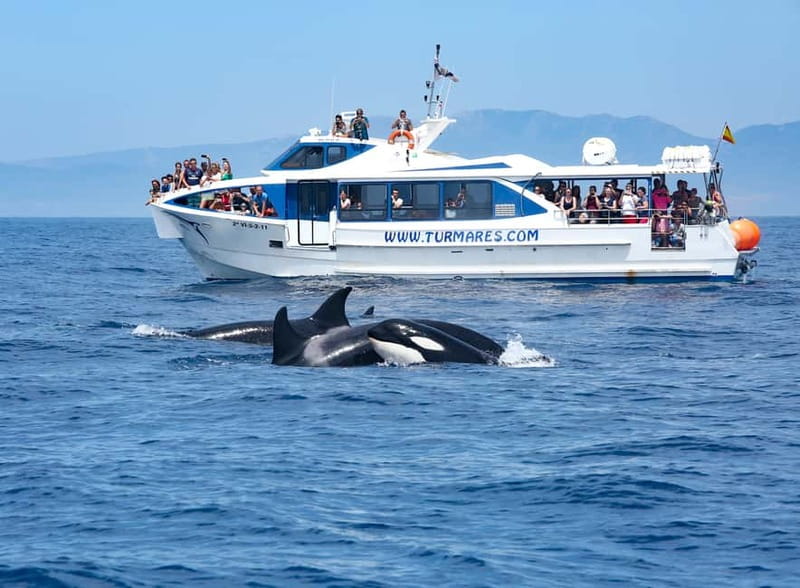
You’ll get a clear set of conduct rules that protect both the animals and your viewing. You can’t use flash photography, you can’t feed or touch animals, and you can’t make noise. You’re also expected to follow the guide’s instructions once you’re out there.
These rules aren’t just “because the company says so.” Noise, light, and sudden behavior can stress wildlife and can also ruin the calm, close observation you came for. Keeping quiet and watching helps everyone—your guide can call out what matters, and you can spot movement sooner when you’re not distracted.
One thing to factor in: seating and visibility can be tight depending on the boat and how many people are onboard. Some spots will have a clearer view than others. If you care about spotting speed, get to your preferred side early and be ready to change your angle when the guide signals.
Learning From the Guide: More Than a Sightseeing Trip
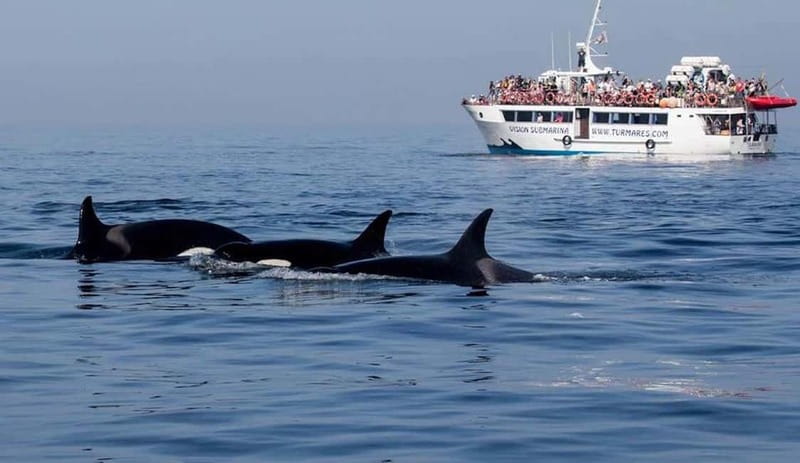
The best wildlife guides make you better at seeing. On this cruise, you get a live guide with Spanish and English. The learning is part of the value: you’re not just watching animals happen, you’re connecting the animal to what’s going on in that moment.
In practice, this is where the tour feels worth doing even if you’ve seen dolphins elsewhere. Your guide explains the cetaceans you encounter, which helps you recognize species differences faster—especially when you’re dealing with quick, flicking movements and group behavior.
That said, language quality can vary by day and crew setup. I’d plan for some English info on the boat, but don’t assume every announcement will be perfectly paced or fully translated. If you’re traveling with non-Spanish speakers, it’s smart to keep your questions simple and your attention on the guide’s key calls.
Price and Value: Is $77 a Good Deal?
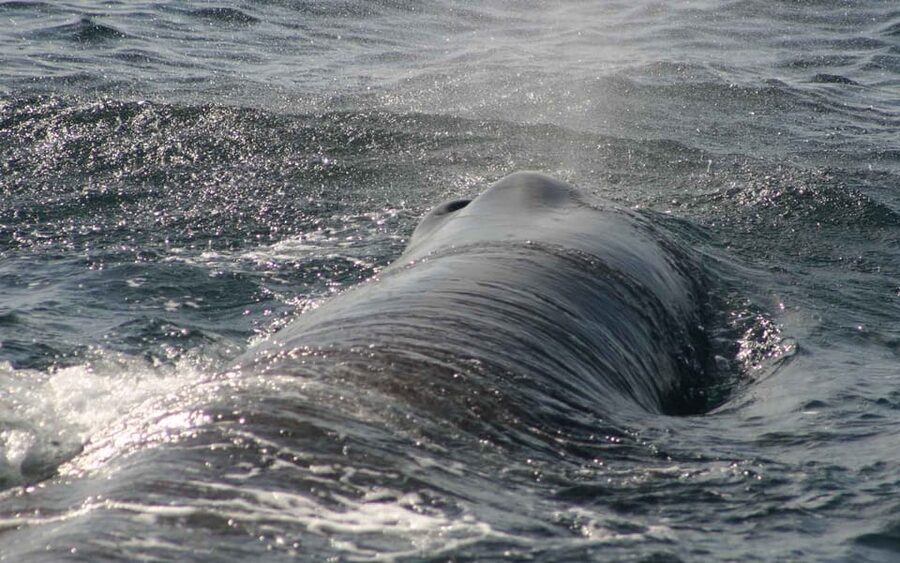
At $77 per person for a 3-hour cruise, the price is in the mid-range for this kind of wildlife experience. The real question is value: what are you buying besides a ride on open water?
You’re buying three things:
- High odds of seeing cetaceans (close to 100% for at least some sightings)
- A structured search in a meaningful location rather than random ocean time
- Compensation if it doesn’t happen, including a free second chance
So even if killer whales aren’t on the calendar, you’re not paying for a “maybe someday” fantasy. You’re paying for a focused hunt with a fallback if you end up blank.
If you’re aiming specifically for orcas, the timing matters more than the price. Going outside July and August is a gamble on a seasonal animal, even if the overall cetacean viewing can still be strong.
What to Bring (So You’re Comfortable When the Action Starts)
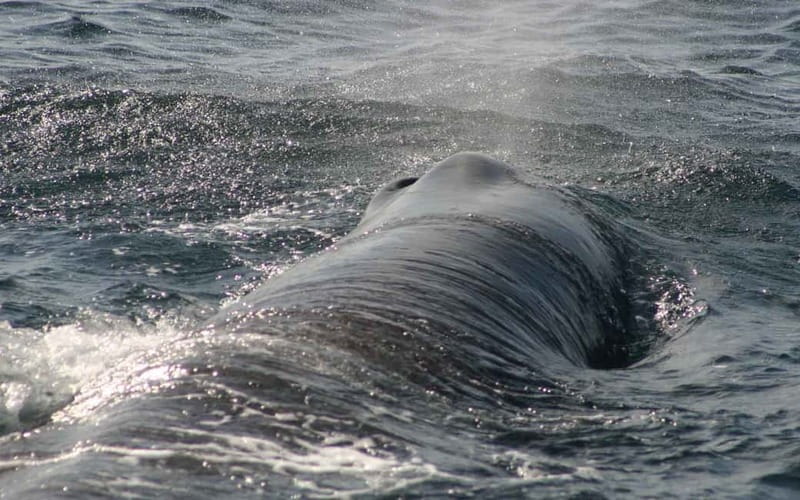
This is a boat. Weather can shift fast. Bring the practical stuff so you’re not stuck wanting you’d packed differently.
- Comfortable shoes
- Sun hat and sunscreen
- A jacket (you’ll want it when wind picks up)
Also, keep your phone flashlight off and your attention on the water. You’re going to want to watch carefully, and flash photography is not allowed.
Who This Tour Fits Best
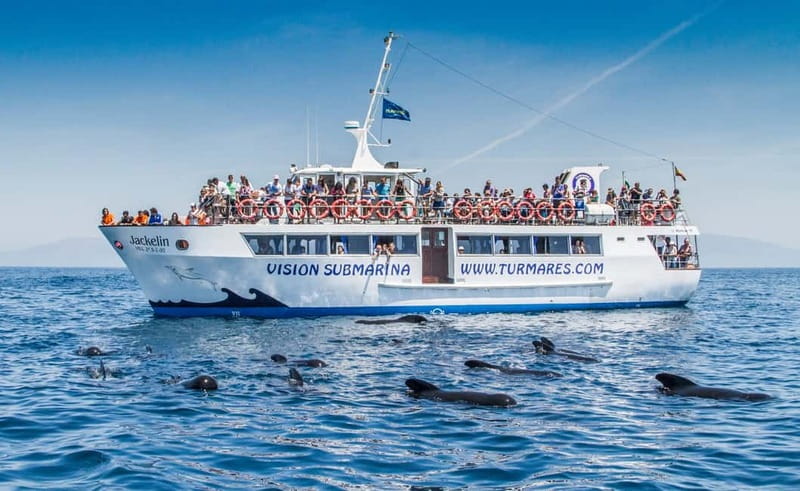
This is ideal if you want a guided wildlife outing without turning it into an all-day logistics project. It’s also a good fit if you like education, not just pictures—because the guide helps you interpret what you’re seeing.
I’d especially recommend it to:
- People planning a short trip from Tarifa who want a real wildlife goal
- Families and groups who appreciate clear rules for respectful viewing
- Travelers who enjoy dolphins and want a chance at more species in one outing
If you’re traveling with very young kids or someone sensitive to wind and boat movement, choose your gear wisely (jacket, shoes with grip) and sit where you feel stable.
The Main Trade-Offs to Keep in Mind
No wildlife tour is 100% guaranteed for specific species, and this one is honest about killer whale seasonality. If orcas are your top goal, plan for July or August and accept that nature still sets the final conditions.
Second, don’t ignore onboard comfort. Some reviewers noted that spots with better visibility can feel limited for the passenger count. If you want the best chance of spotting, arrive ready to move quickly to a strong viewing position.
Third, language can be uneven. Even on an English-and-Spanish setup, some onboard explanations may skew more toward Spanish depending on the day’s crew flow. I’d go in knowing you’ll get plenty of visual cues, and the guide will do their best to explain what you’re seeing.
Should You Book This Orca, Whale, and Dolphin Cruise?
I’d book it if you’re traveling to Tarifa and want a guided cetacean experience with strong odds, clear rules, and built-in recovery options. The biggest reason to choose this tour is that it’s structured around an area known for cetaceans, not just a generic boat ride.
You should think twice only if your trip dates don’t line up with July or August and you’re specifically chasing orcas. In that case, treat killer whales as a bonus and focus on dolphins and other cetaceans as the main win.
If your schedule is flexible and you can handle nature’s timing, this is a high-value way to spend a half-day getting meaningfully close to marine life—then head back to Tarifa with stories you’ll actually remember.
FAQ
How long is the cruise?
The cruise lasts 3 hours.
Where do I check in for the tour?
Check in at the front desk of Turmares Whale Watching in Tarifa.
What should I bring?
Bring comfortable shoes, a sun hat, sunscreen, and a jacket.
What’s not allowed during the trip?
Flash photography, feeding animals, touching animals, and making noise are not allowed.
Can the departure time change?
Yes. The exact departure time is decided on the day before the tour based on sea and weather conditions.
What if we don’t see any cetaceans?
If there are no sightings, you get a second opportunity free of charge. The probability of seeing cetaceans is stated to be close to 100%.