REVIEW · SAO MIGUEL ISLAND
Terceira: Half-Day Dolphin and Whale Watching Tour
Book on GetYourGuide →Operated by Picos de Aventura · Bookable on GetYourGuide
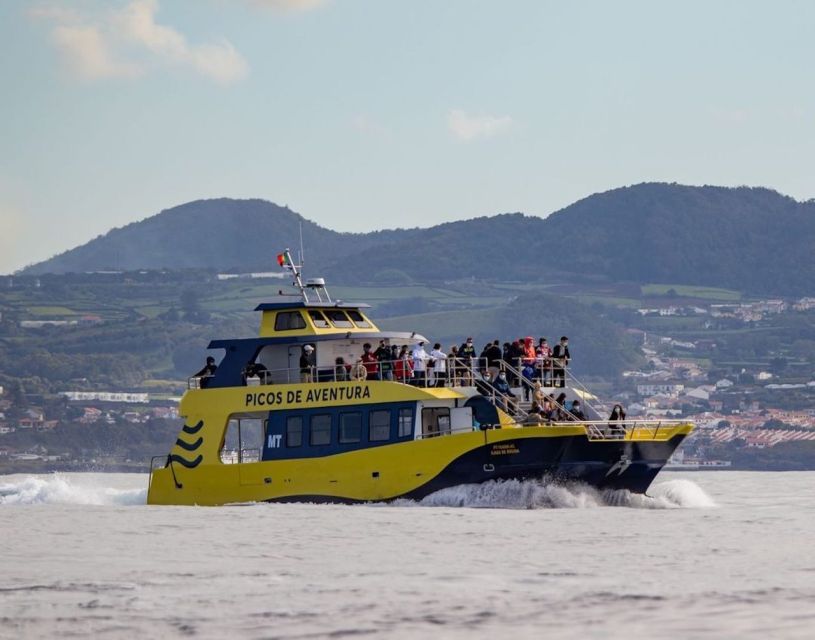
Whales show up when you do the right prep. From Picos de Aventura in Angra do Heroísmo, this 3-hour dolphin and whale tour turns the Azores coastline into a live classroom and a real wildlife hunt. What I love most is the mix of skippers, biologists, and lookouts working together, and the way you get a clear briefing on safety and ethics before the boat even leaves port.
The main thing to keep in mind is that even with an extremely high success rate, you might end up seeing lots of dolphins instead of a whale on any given outing. That’s not a deal-breaker here, because the crew is built to find cetaceans quickly, and you still get a lot of real sea action in a short time.
In This Review
- Key Things I’d Plan Around
- Terceira’s Cetacean Game Plan: What Makes This Tour Work
- Getting There: Where to Meet and Why Timing Matters
- What You’ll Do Before the Boat Leaves: Ethics, Safety, and Sighting Skills
- On the Water for Cetaceans: What a “High Success” Trip Feels Like
- The Speedboat Part: Fun Curves, Real Skills, and Motion Tips
- Sighting Style and Animal Respect: What You Should Expect to Hear
- The Coastline Break: Ilhéu das Cabras and the Island’s Geology
- Price and Value: Is $70 Worth It for 3 Hours?
- Language and Guide Quality: You Can Follow the Science
- Who This Tour Suits Best (and Who Should Reconsider)
- Practical Packing Checklist (Use It)
- Should You Book This Dolphin and Whale Watching Tour in Terceira?
- FAQ
- FAQ
- Where is the meeting point for the tour?
- How long is the tour?
- What does the tour cost?
- What languages are available for the live guide?
- What animal sightings should I expect?
- Do I need to be prepared for wind and sun?
- What should I bring for the boat?
- Is there a briefing before going out?
- Is it possible to get a refund if plans change?
- Can I reserve without paying right away?
Key Things I’d Plan Around
- Up to 27 cetacean species possible in the Picos de Aventura area
- Pre-departure briefing on sighting methods, safety rules, and codes of ethics
- Real expertise onboard: professional skippers, biologists, and lookouts (Francisco, João, Luis, and others are often cited by name)
- Respect-first watching style, with a focus on good behavior around animals
- Fast, fun sea time with speedboat curves and turns plus strong piloting skills
- Coastline scenery stop such as Ilhéu das Cabras when conditions allow
Terceira’s Cetacean Game Plan: What Makes This Tour Work
Terceira’s ocean is serious wildlife country. This tour is designed for one job: find cetaceans efficiently, then watch them thoughtfully. That sounds simple, but on the water, it’s all about process. You’re not just thrown onto a boat and told good luck. You start with a briefing that sets you up to understand what you’re looking for and why you might spot one animal type while missing another.
I like that the crew is built like a team: skippers who handle the boat in real conditions, biologists who can explain behavior and biology, and lookouts who scan for movement and blows. One thing that comes through again and again is safety and respect. People specifically call out that the animals are treated properly, and you’ll also hear about the codes of ethics before you head out. That matters because good watching isn’t about chasing. It’s about presence.
And for your expectations: the tour targets an area near Picos de Aventura with an extremely high success rate. The goal is not just to see something, but to rack up multiple sightings and species when the sea and animals cooperate.
You can also read our reviews of more tours and experiences in Sao Miguel Island.
Getting There: Where to Meet and Why Timing Matters
You meet at Picos de Aventura, Pátio da Alfândega, 9700-178 Angra do Heroísmo. This isn’t the kind of activity you want to drift into. You’ll want to arrive with enough buffer to get checked in, get your gear sorted, and be ready for the start routine.
The tour runs for about 3 hours. That’s short enough to keep it doable, but long enough that you’re not just making one quick pass. In that window, the crew can reposition and search again if the first area doesn’t turn up animals quickly.
If you’re choosing between starting times, go with what matches your comfort level with the sea. The boat experience includes some speed and curves and turns, and guides are reported to handle rougher conditions with confidence. But seas can still change your whole day, so plan to take your wind protection seriously.
What You’ll Do Before the Boat Leaves: Ethics, Safety, and Sighting Skills
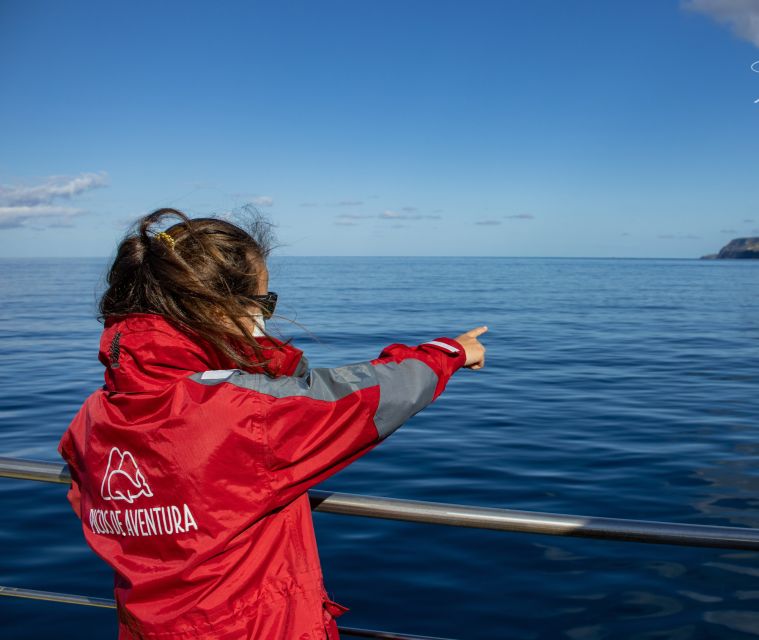
Before you get out on open water, you get a briefing. It covers:
- safety rules
- how cetacean sightings are done
- and the observation codes of ethics for the Azores
This is more than a checklist. It changes how you watch. When you understand the logic—why lookouts scan in certain patterns and what animal behavior tends to look like—you stop staring at the horizon like it’s a video game and start clocking real signs.
You’ll also be listening for explanations from the onboard team. In the reports people highlight guide names like Francisco e João and Luis, plus English/Portuguese/Spanish-speaking guides depending on your group. The point is: you don’t just get a sighting. You get context for why that animal is doing what it’s doing, and what you’re seeing on the surface.
On the Water for Cetaceans: What a “High Success” Trip Feels Like
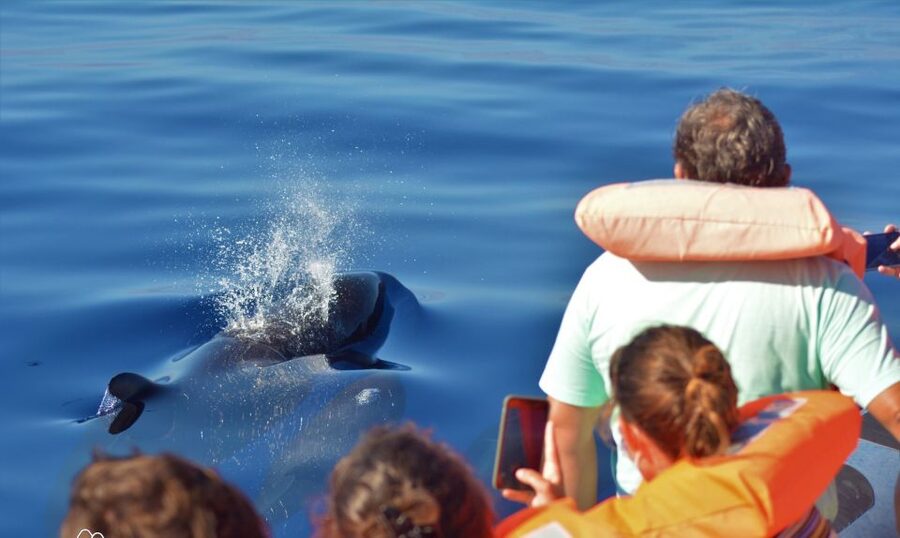
Once the boat is moving, you’re in search mode. The tour aims for sightings in the Picos de Aventura area, and the big promise is the possibility of seeing up to 27 species of cetaceans. That number is the top end, not a guarantee. But it tells you they’re operating with serious range and know where to look.
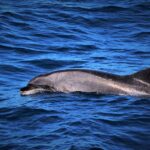
And the variety in what people report is a strong clue that this isn’t a one-note outing. You may see:
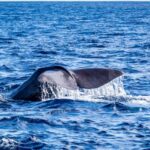
- sperm whales (including reports of multiple sightings of this type)
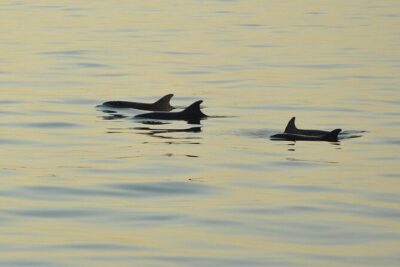
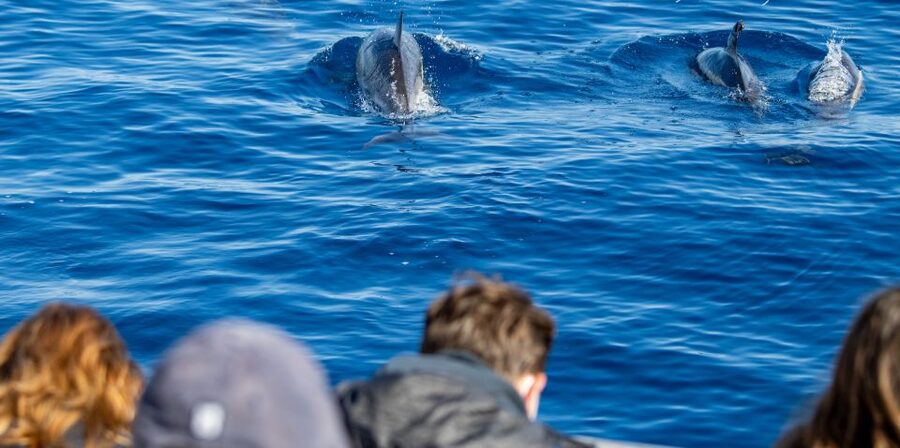
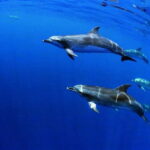
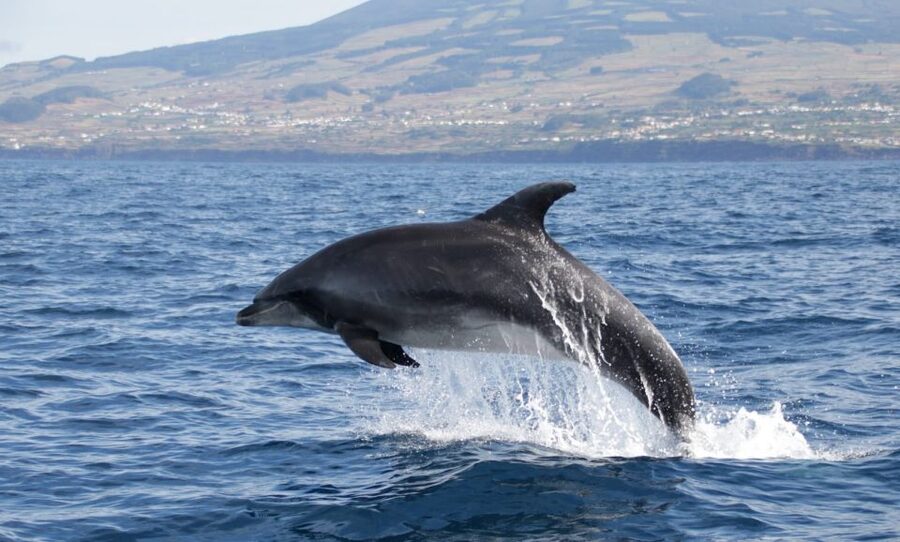
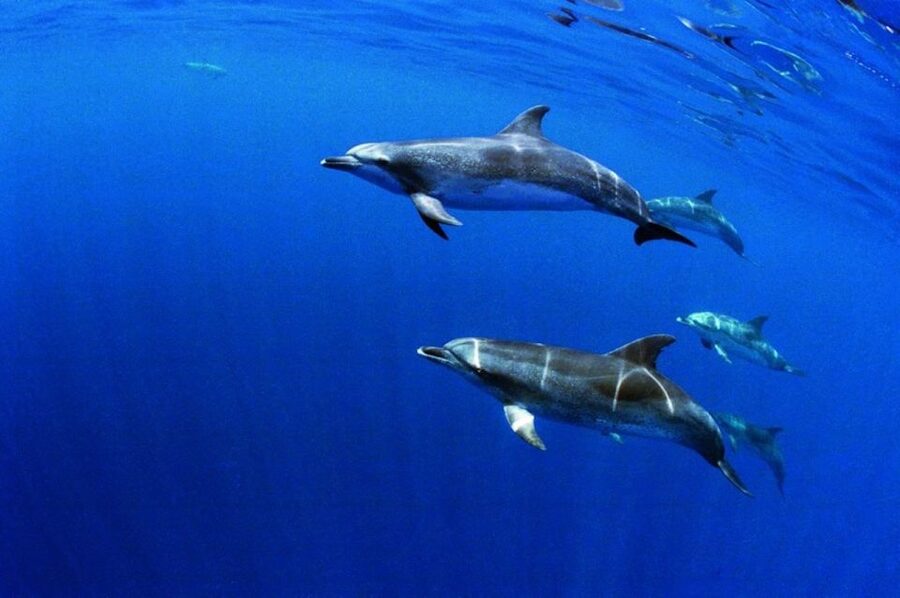
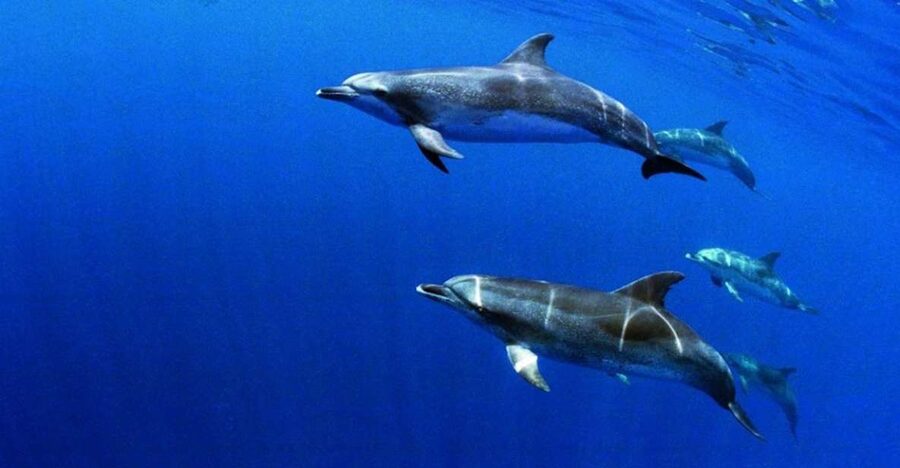
- different dolphin species (often several types in a single trip)
- occasionally other marine wildlife like a turtle
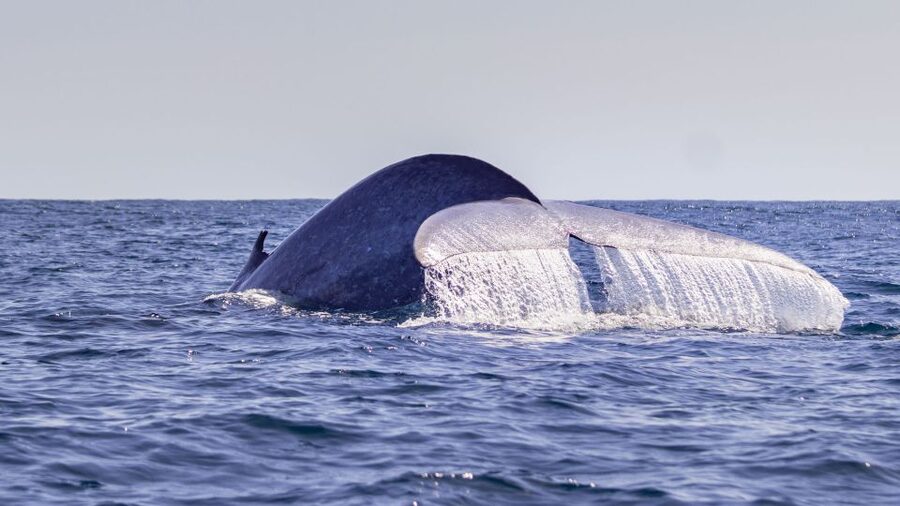
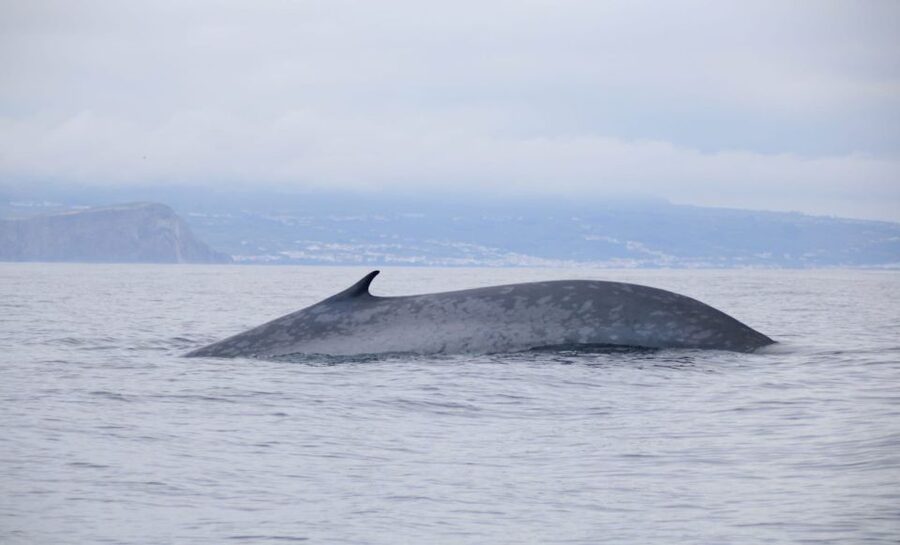
On at least some days, people also mention a sei whale sighting, and others mention humpback whales. That’s a reminder to you that whale watching here is not limited to one species type. When conditions line up, the ocean can deliver.
One more thing I appreciate: the crew is described as working hard to maximize the chance of whales and not giving up after a single attempt. People report that the team took them farther than normal on at least one outing to increase the odds of a whale species showing up. For you, that means the tour has an active search mentality, not a passive one.
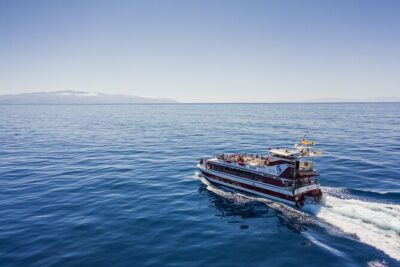
The Speedboat Part: Fun Curves, Real Skills, and Motion Tips
Let’s talk about the boat ride itself. People highlight speedboat curves and turns as genuinely fun, and they also praise piloting even in rougher conditions. That matters because your comfort affects your viewing.
If you’re prone to seasickness, plan like you’re going to be on moving water for the full portion of the outing. The packing list does not mention motion tablets, but it does emphasize staying prepared for weather.
Bring:
- windbreaker
- hat
- sunscreen
- water
- a waterproof bag for anything that can’t get soaked
This is not just for comfort. Wind and spray can make it harder to focus on blows and surface activity. If you’re dry and not freezing, you’ll last longer while the lookouts do their scanning.
Sighting Style and Animal Respect: What You Should Expect to Hear
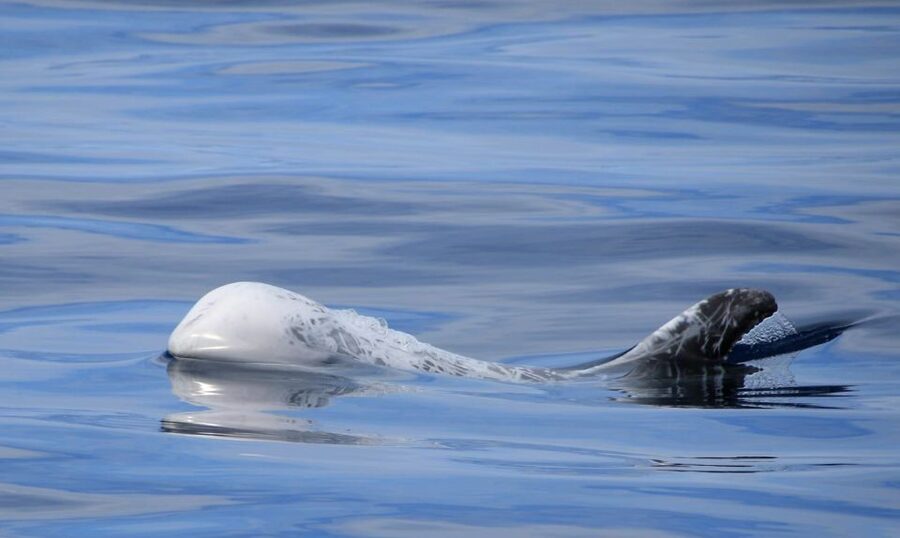
There’s a difference between seeing animals and harassing animals. This tour is built around codes of ethics, and the way people describe the behavior suggests they mean it.
What you’ll notice in practice is that the crew’s job isn’t to crowd. It’s to position so you can see clearly while keeping animal behavior undisturbed. People explicitly mention respectful behavior toward animals, and that’s a big deal for a wildlife tour.
You may also appreciate the extra signs of stewardship mentioned in one account—picking up trash from the water. That’s not something you should assume will happen every single day, but it does reflect a crew attitude that goes beyond “take a photo and leave.”
The Coastline Break: Ilhéu das Cabras and the Island’s Geology
It’s not just about the animals. When the plan allows, you also get a scenery stop at places like Ilhéu das Cabras. People mention this stop specifically as a chance to appreciate the surrounding coastal features.
Why does that matter? Because a short tour can otherwise feel like nonstop scanning with little visual reset. A quick scenery moment gives your eyes a break and helps you connect the ocean activity to the island’s shape and rugged coastline.
This stop also acts like a pacing tool. Even if animals are present and active, it’s useful to have a brief pause where you can look around and notice the setting you’re cruising through.
Price and Value: Is $70 Worth It for 3 Hours?
At $70 per person for a 3-hour tour, you’re paying for boat time, professional expertise, and the odds of multiple sightings. Whale and dolphin tours aren’t cheap anywhere, so the question is value: what do you get back for the money?
Here’s why I think this one can be good value:
- You’re not only buying a boat ride. You’re buying a team approach (skippers + biologists + lookouts).
- You get a pre-sighting briefing on safety and ethics, which improves how you experience the trip.
- The tour targets a zone with extremely high success for cetacean sightings.
- People report not just single moments, but multiple species and repeat sightings of dolphins, plus occasional whale species.
If your priority is a quick hit of wildlife with expert interpretation—and you’re comfortable with a moving boat—this price can make sense.
Language and Guide Quality: You Can Follow the Science
The tour includes a live guide in Portuguese, English, or Spanish. That matters more than people realize. When you can understand the explanations, you don’t just see a surface spout—you learn what it means and what behavior to watch for next.
Guides are credited by name in positive accounts, including Francisco, João, Luis, and João alongside partners like Joanna (spelled as Joanna in at least one report). The common thread is that the crew combines safety, knowledge, and upbeat energy without turning it into a lecture.
Who This Tour Suits Best (and Who Should Reconsider)
This tour fits you if:
- you want a half-day activity that doesn’t eat your whole day
- you care about learning while you watch wildlife
- you’re happy to spend most of the time on the water looking and listening
- you prefer professional operators over casual boats
It may be less ideal if:
- you’re not comfortable with wind, spray, and a somewhat fast ride
- you’re only satisfied by guaranteed whale sightings (because nature is never that rigid)
- you want a very slow, sightseeing-only cruise
Practical Packing Checklist (Use It)
Even if the weather looks calm on land, you’ll likely feel the sea wind once you’re out. From the provided packing list, I’d treat these as non-negotiables:
- comfortable shoes (stable grip on decks)
- windbreaker
- hat + sunscreen
- swimwear + towel (since they’re on the list, you’ll be glad you have them if there’s any chance of getting water time)
- water
- waterproof bag
You’ll also want to think about what you can keep dry. If your phone is essential, keep it inside something waterproof.
Should You Book This Dolphin and Whale Watching Tour in Terceira?
I’d book it if you’re going to Terceira for real nature time and you like the idea of an expert-led search with strong odds of seeing cetaceans. The big strengths are the onboard team setup, the ethics-and-safety briefing, and the repeated reports of varied species—from dolphins to sperm whales, with occasional whale sightings like sei or humpback.
I’d pause if you’re extremely sensitive to motion or you’re the type who feels disappointed unless a specific whale species shows up. This tour aims for whales, but the ocean decides what you’ll actually meet.
If you’re flexible, prepared for wind, and ready to watch closely, this is the kind of experience that can turn into one of your Terceira memories fast—because when dolphins start moving with energy, you forget to worry about anything else.
FAQ
FAQ
Where is the meeting point for the tour?
The meeting point is Picos de Aventura, Pátio da Alfândega, 9700-178 Angra do Heroísmo.
How long is the tour?
The tour duration is 3 hours.
What does the tour cost?
The price is $70 per person.
What languages are available for the live guide?
You can get the live tour guide in Portuguese, English, and Spanish.
What animal sightings should I expect?
The tour focuses on whales and dolphins and aims for sightings of up to 27 cetacean species in the area.
Do I need to be prepared for wind and sun?
Yes. You should bring a windbreaker, hat, sunscreen, and water.
What should I bring for the boat?
Bring comfortable shoes, windbreaker, hat, swimwear, towel, sunscreen, water, and a waterproof bag.
Is there a briefing before going out?
Yes. You get a briefing that covers cetaceans, sighting methods, safety rules, and codes of ethics for observation.
Is it possible to get a refund if plans change?
Yes. There is free cancellation up to 24 hours in advance for a full refund.
Can I reserve without paying right away?
Yes. You can reserve now & pay later, keeping your travel plans flexible.