REVIEW · TRINCOMALEE
Trincomalee: Whales Watching and Navy Island Snorkeling Tour
Book on GetYourGuide →Operated by Trinco Bay Dive Center / Weligama Bay Dive Center · Bookable on GetYourGuide
Whales first, snorkel second, and both are close to nature. I like the small-group setup and the guided reef time. The big thing to know up front: whale sightings are common but not guaranteed.
This tour strings together two of Trincomalee’s best ocean experiences: a morning open-sea safari and a calm-water snorkeling stop at Navy Island. I also love the practical touch of free underwater photos/videos (often shared later by WhatsApp) and the eco-minded approach of keeping respectful distance. One possible drawback is timing: if whales are quiet that day, you may end up with lots of dolphins instead.
If you want a day on the water that feels safe, organized, and Marine-Respect 101, this is a strong pick. If you’re traveling only for whales, keep your expectations flexible.
In This Review
- Key things to know before you go
- Why Trincomalee’s whale-and-dolphin safari works
- Starting at Trinco Bay Dive Center on Fernando’s Beach
- Whale and dolphin watching: what to look for on the water
- The snacks-and-gear reset between safari and reef
- Navy Island snorkeling: calm water, coral gardens, turtles
- Equipment, photo/video extras, and how to get the best shots
- Safety and eco-minded boating: the difference you feel
- Price and value: is $84 per person fair?
- Who should book this tour (and who should skip it)
- Should you book this Trincomalee whales + Navy Island snorkeling tour?
- FAQ
- Is snorkeling at Navy Island suitable for beginners?
- What marine animals can this tour help you spot?
- Are whale sightings guaranteed?
- What’s included in the tour price?
- Where do I meet the tour?
- What should I bring?
- What languages are available for the live guide?
Key things to know before you go
- Blue whales and sperm whales are on the radar during the open-sea safari, along with spinner dolphins.
- Snorkeling happens in calm, shallow water, so it’s friendly for beginners who can swim a little.
- Your snorkeling guide stays close, which really helps when you’re trying to spot turtles and fish.
- Tea/coffee plus light refreshments and fresh fruits break up the day before the reef time.
- Underwater photos/videos are included, but you should still double-check that everything will be delivered to your phone.
- Weather can change the plan, since the tour depends on sea conditions.
Why Trincomalee’s whale-and-dolphin safari works
Trincomalee sits on one of Sri Lanka’s most whale-friendly stretches, and this tour is built around finding those animals out in open water—not just watching from the shore. The promise is big, but the structure is clear: you go out early, you scan the sea, you get your best chance at sightings, and then you shift gears to snorkeling.
What I like most is the tone. The tour is designed for an animal-first encounter. The boat crew aims for respectful viewing rather than chasing. That matters in real life, because if operators treat wildlife like a ride, you spend more time negotiating traffic than watching behavior.
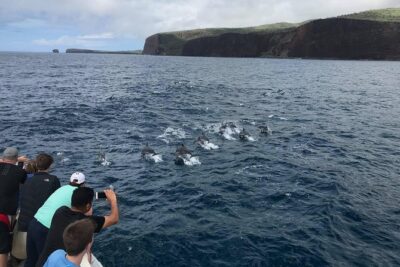
You’ll typically be chasing movement: spouts, surface blows, dorsal fins, and the kind of coordinated dolphin energy that can turn a quiet sea into a play show. One review even described dolphins riding the boat’s bow waves, which is the kind of natural behavior you want—when the crew is handling the moment with care.
The other reality check: whales are not scheduled. So you’re not buying a guaranteed whale guarantee. You’re buying a well-run search, and sometimes the sea gives you more than you expected.
You can also read our reviews of more tours and experiences in Trincomalee.
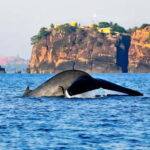
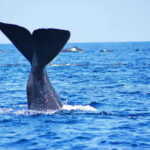

Starting at Trinco Bay Dive Center on Fernando’s Beach
The day starts at Trinco Bay Dive Center on Fernando’s Beach. That location matters because you’re not losing time hunting for a meeting point or waiting around while everyone gathers late.
Before you head out, you get a warm welcome—tea or coffee—which is a small thing, but it helps when you’re starting early. It also signals that this is run like a dive center operation, not a last-minute street stand.
From there, you board for the whale-and-dolphin boat trip. In many cases, the tour begins around 6:00 in the morning (so you’ll likely want to be ready to move with the group). Early starts are smart here. Light conditions and calm seas can make a big difference for spotting animals.
This is also where you’ll get your safety briefing. The tour includes a crew that supports you throughout, and you’ll have use of snorkeling gear later. In practice, that means less stress about fit, basics, and what to do once you’re on the reef.
One practical tip: wear comfortable swimwear and bring a towel. You’ll want a change of clothes ready for after snorkeling, because the day involves both salt water and gear.
Whale and dolphin watching: what to look for on the water
The open-sea part is the headline. You’re aiming for blue whales and sperm whales in deeper waters, plus spinner dolphins that can show up actively around the boat.
How it usually feels: you’ll be scanning and then suddenly everything clicks. When dolphins are present, they tend to be energetic and visible fast. When whales are around, you’ll often get quieter, longer moments—then a spout far out, then maybe another surface. It’s not like a parade. It’s search-and-scan.
The best sign you’re with a respectful operator is how they handle the moment. Several accounts praised crews who kept distance and didn’t cut across animals. One participant even noted their captain didn’t interfere with whales and dolphins like other boats did, which helped keep the encounter calmer for the animals and less chaotic for passengers.
You can also judge the guide’s role. A good spotter helps you stay in the game after other boats drift away. One story described a spotter who kept them out longer after other groups left, and that’s when the best surfacing happened. That’s not magic. It’s attention.
Realistic expectation: many days are dolphins-first. Whales may show up. Or they may not. Some bookings reported no whale sightings, yet still had a strong dolphin experience. That’s not a failure of the tour—it’s marine wildlife.
The snacks-and-gear reset between safari and reef
After the whale/dolphin portion, the tour slows down. You return to shore for light refreshments and fresh seasonal fruits. Tea or coffee at the start keeps the morning comfortable; the fruit break keeps you from feeling wiped out before snorkeling.
This is also the moment your body resets. You’ve been out on the water, watching and shifting your attention constantly. Then you swap to breathing-air discipline and slow-scanning underwater.
Gear prep is straightforward. You’ll use snorkeling equipment: mask, fins, life jacket, and a wetsuit if needed. Bottled water is included too. That combination matters because you can focus on what you came for—the animals—without spending your energy on figuring out equipment mid-day.
If you’re carrying a camera or GoPro, ask how they handle handling and timing underwater shots. One account mentioned a guide supporting footage when the guest had a GoPro, and another described getting free underwater photos/videos later shared via WhatsApp. If you want clean results, you’ll get the best outcomes by using the snorkel guide’s guidance and staying with the group.
One small consideration: one booking said they didn’t receive photos that were advertised. That looks like an exception, not the rule, but it’s worth confirming how delivery works for your device before you go.
Navy Island snorkeling: calm water, coral gardens, turtles
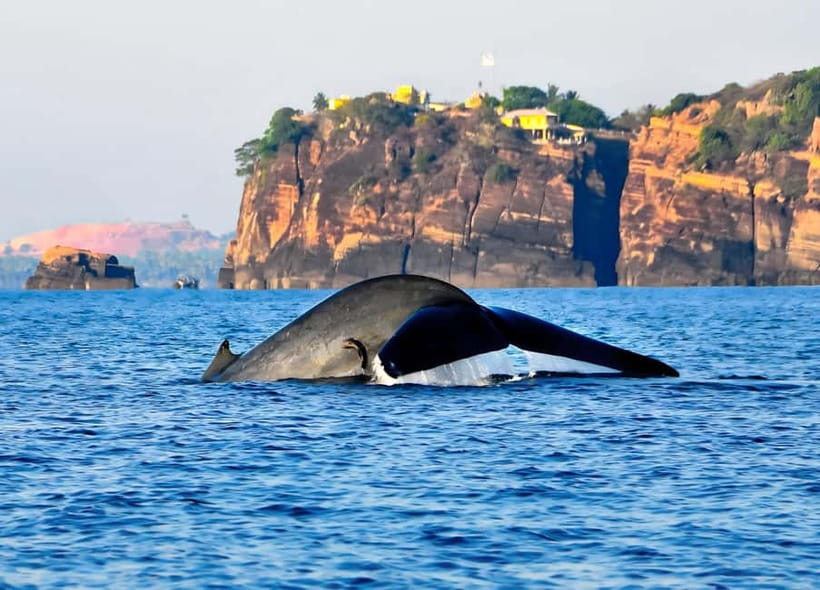
Then comes the reef. The snorkeling part is at Navy Island, and the key word in the tour info is calm and shallow water. That’s what makes this day work for beginners who can swim with basic comfort.
Once you’re in the water, your snorkeling guide keeps you oriented. You’re not just dropped in. The guide is with you at all times to help you stay safe and spot marine life—especially sea turtles and schools of fish moving through coral.
What you can expect to see (based on what people reported): turtles at the surface or cruising nearby, plus coral reef life like parrotfish, boxfish, clownfish, and needlefish. Some people even mentioned needlefish-like long shapes and a mix of reef textures that make snorkeling feel like moving through a living aquarium.
One thing to remember about turtles: when one is spotted, everyone wants a closer look. That can make the water feel crowded in the instant. A good guide helps you watch without turning it into a traffic jam.
Also: don’t treat the reef like a souvenir shelf. The tour rules say no touching marine life and no littering. It’s about protecting the habitat and also keeping you safe from accidental stings or scrapes.
Finally, if you’ve only snorkeled on busy reefs elsewhere, Navy Island can feel different because it’s not positioned as a mass water park. One account said it felt less crowded than a popular alternative in the area, and that can make your own experience calmer and more focused.
Equipment, photo/video extras, and how to get the best shots
The tour includes snorkeling gear and it includes the “memory layer”: free underwater photos and videos. In many bookings, that was a big deal. People described having images sent later, often by WhatsApp, which means you don’t have to risk a phone in your hands.
Why this matters for you: underwater photography is hard. Even with a camera, you spend energy fighting bubbles, adjusting angles, and staying with the guide. When the tour team handles some of the capture, you get results faster and with less hassle.
If you bring your own camera (like a GoPro), you can still do it—but the biggest advantage is coordination. Your guide can point you toward the right area and help you time your shots.
There’s one practical note: the quality of what you’ll see depends on the day’s visibility. The water is described as clear, and many accounts highlighted that, but even clear water can shift in feel depending on wind and current.
On the logistics side, remember what’s included and what isn’t. Transportation isn’t included automatically. You can arrange pickup from multiple areas by request, but it may cost extra depending on where you’re staying.
Safety and eco-minded boating: the difference you feel
A good whale/dolphin tour isn’t just about sightings. It’s about how you’re treated while you’re searching.
This tour emphasizes a safe, eco-friendly small-group experience with an experienced local crew. You’ll also get a safety briefing and guided support throughout the day. On the water, that support shows up in small ways: where the boat slows, how distance is managed, and how the crew handles groups when multiple boats show up.
One booking even compared their boat behavior to another operator by describing a captain who didn’t cut across animals. That kind of restraint is important. When boats cross paths or surge toward wildlife, you create a stressful situation for the animals and a confusing one for passengers.
There are also clear onboard rules: no smoking and no littering. And for the ocean encounter itself, you’re not allowed to touch marine life. Those rules sound basic, but on a reef and in open water they shape the experience.
Health and comfort reality check: the tour isn’t recommended for pregnant women or guests with severe back problems due to sea conditions. Also, it’s not suitable for non-swimmers, since snorkeling involves time in the water.
Price and value: is $84 per person fair?
At $84 per person for a 5-hour, two-part marine tour (whales/dolphins plus Navy Island snorkeling), the value depends on what you want most.
You’re paying for:
- a guided open-sea boat tour
- a second guided snorkeling experience at Navy Island
- snorkeling gear (mask, fins, life jacket, and wetsuit if needed)
- tea/coffee at arrival, plus light refreshments and fresh fruits
- bottled water
- free underwater photos/videos
- government taxes and service charges
If you were trying to do this as two separate activities on your own—boat + reef entry + gear rental + guided support—you’d likely spend more and deal with more friction.
That said, a couple accounts noted the price difference versus other companies. And one person felt the day leaned more toward dolphin watching than whale watching, with a cost that felt high for what was ultimately seen.
My takeaway for you: treat this as a marine-adventure day, not a guaranteed whale ticket. If you’re comfortable that wildlife is unpredictable, the package feels like a solid deal. If your main goal is whales only, you should build in flexibility—maybe even plan one other marine activity for a backup.
Who should book this tour (and who should skip it)
This is a great fit if:
- you want a single-day combo: whales/dolphins plus reef snorkeling
- you can swim and you’re comfortable snorkeling in shallow, calm water
- you’re traveling as a family (one booking included a 7-year-old who enjoyed the early dolphin action)
- you care about a guided experience where someone helps you find turtles and fish
It may not be the best choice if:
- you’re a non-swimmer (the tour is not suitable)
- you have severe back problems, or you’re pregnant (sea conditions make it not recommended)
- you’re only interested in whales and you need a guaranteed sighting
Language support is strong. The live guide is available in English, Dutch, German, Russian, Spanish, French, and Singhalese. That helps with safety and underwater instructions.
Also, the tour is weather-dependent. If sea conditions are rough, the activity may be rescheduled. That’s normal for open-sea work, but it’s worth holding a flexible time slot.
Should you book this Trincomalee whales + Navy Island snorkeling tour?
Yes—if you want the best chance at seeing big marine wildlife and you also want a reef experience that’s guided and beginner-friendly. This tour’s structure makes it efficient: you cover open-sea spotting in the morning, then you switch to snorkeling while the day is still fresh.
Before you book, be honest with yourself about whales. Whale sightings can be great here, but you’re not buying a promise. If your priority is also dolphins and turtles, you’ll still likely leave happy.
My practical advice: bring swimwear, a towel, sunscreen (biodegradable is recommended to help protect coral), and a change of clothes. And if photos/videos are important to you, confirm the delivery process so you’re not relying on luck.
If you handle the day like a real ocean safari—watch, wait, and enjoy what shows up—this is the kind of Trincomalee tour that turns into your favorite water day.
FAQ
Is snorkeling at Navy Island suitable for beginners?
Snorkeling is done in calm, shallow water and is suitable for beginners, as long as you can swim. You’ll also have an experienced snorkeling guide with you at all times.
What marine animals can this tour help you spot?
The whale and dolphin portion is designed to look for blue whales and sperm whales, plus spinner dolphins. During snorkeling, you might see sea turtles and colorful reef fish.
Are whale sightings guaranteed?
No. Whale sightings are common during the season, but they cannot be guaranteed.
What’s included in the tour price?
You get the whale and dolphin watching boat tour, the snorkeling trip to Navy Island, tea or coffee on arrival, light refreshments with fresh fruit, an experienced snorkeling guide, snorkeling equipment, bottled water, and free underwater photos and videos, plus taxes and service charges.
Where do I meet the tour?
You meet at Trinco Bay Dive Center in Fernando’s Beach.
What should I bring?
Bring swimwear, a towel, and sunscreen. You may also want a change of clothes for after snorkeling.
What languages are available for the live guide?
The live tour guide is available in English, Dutch, German, Russian, Spanish, French, and Singhalese.