REVIEW · BIG ISLAND OF HAWAII
Humpback Whale and Dolphin Watch in Kona
Book on Viator →Operated by Dolphin Discoveries · Bookable on Viator
Whales in winter travel plans are never boring. This Kona cruise gives you a small-boat ride, live naturalist narration, and a real shot at humpbacks in season.
I love the small-group setup that keeps you from getting lost in a crowd, and I also love the underwater hydrophone moment that helps you understand the animals instead of just spotting them.
The main drawback to plan around: humpbacks can be shy and often stay at a safe distance. Even when you do see whales close, it is not something you can count on every trip.
In This Review
- Quick hits: what makes this Kona whale watch work
- Kona’s whale season reality: dolphins year-round, humpbacks in a window
- The boat experience: small group, fast scanning, and a real captain workflow
- Where the tour starts and ends (and why meeting points matter)
- On the water in Kailua-Kona: what you’ll do for the 2.5 hours
- How the cruise is run
- What you might see (dolphins first, then whales if the season is right)
- The hydrophone moment: why you should care even if you love photos
- What “non-snorkeling” changes for your comfort and packing
- The coast stops you’ll actually notice: caves, sea arches, and the Captain Cook area
- Who this Kona cruise is best for (and who should skip it)
- Price and value: is $109 a good deal for whales and dolphins?
- A fair heads-up on whale distance and why you might not get the close-up shot
- Should you book this Kona humpback and dolphin watch?
- FAQ
- What months can I see humpback whales on this Kona tour?
- How long is the experience?
- Is snorkeling included?
- How big is the group?
- Is there a restroom on board?
- What should I bring?
- Does the tour have an age requirement?
- Where do I meet the tour?
- What if the whales stay far away?
Quick hits: what makes this Kona whale watch work
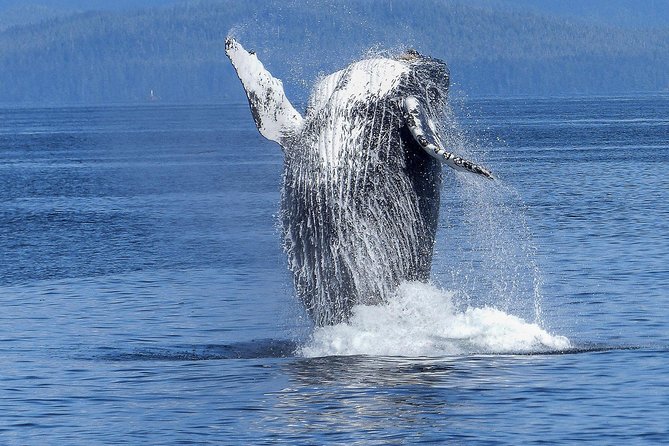
- Seasonal humpbacks (Dec–Apr), while dolphins are possible year-round
- Live onboard commentary from a naturalist guide during the hunt for wildlife
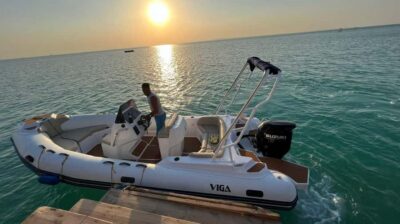
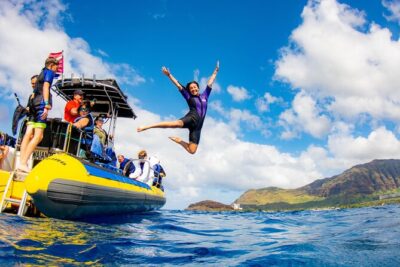
- Rigid hull inflatable boat with a relaxed pace along Kona’s dramatic coast
- Hydrophone listening can turn a sighting into something you can hear
- No snorkeling (and no restroom on board), so pack for dry comfort
Kona’s whale season reality: dolphins year-round, humpbacks in a window
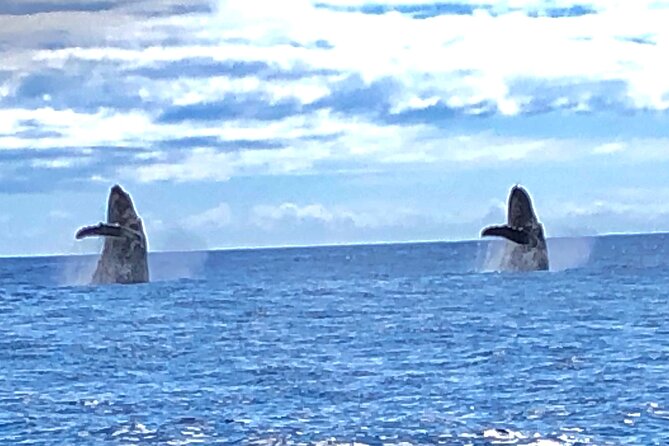
On the Big Island, whale watching is mostly a timing game. This particular Kona tour is built around two types of wildlife opportunities:
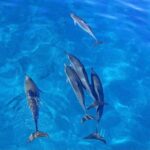
- Year-round odds: Hawaiian spinner dolphins, Pacific bottlenose dolphins, and spotted dolphins are commonly on the radar.
- Seasonal odds: from December through April, humpback whales arrive to mate and to give birth.
That timing matters for how you set your expectations. If you book outside Dec–Apr, you are really booking a dolphin-focused cruise with a chance of other whale species, not a guaranteed humpback outing.
It also explains why this tour has a strong reputation in winter months. When humpbacks are around, captains can spend more time on likely areas and tune the ride around whale behavior.
You can also read our reviews of more tours and experiences in Big Island of Hawaii.

The boat experience: small group, fast scanning, and a real captain workflow
The tour runs on a rigid hull inflatable. That usually means:
- you move out efficiently from the bay,
- you can position quickly when dolphins or whales show signs,
- and you tend to feel the ocean more than on a big catamaran.
Group size stays intentionally small. The details you’ll see around this experience list caps in the low double digits to under 28 depending on the specific run. In plain terms: you should be able to see and hear better, and you can actually ask questions without shout-fighting the person next to you.
Practical note from past riders: the ride can feel bumpy at times. Also, one guest noted they were asked to take shoes off on board. If you have balance issues, back/neck sensitivity, or anything that makes choppy water tough, treat that seriously. The operator guidance shared with guests indicates the boat type is not recommended for serious medical issues, pregnancy, or neck/back problems.
Where the tour starts and ends (and why meeting points matter)
You start in Kailua-Kona at 78-6831 Ali‘i Dr. The tour ends at 78-7138 Kaleiopapa St.
This is one of those “small detail, big impact” parts of the experience. A lot of whale watch logistics hinge on check-in timing and getting to the boat ramp on schedule. If you are using rideshare or a taxi, leave a little buffer. If you are staying nearby, still plan for a short walk/transfer between the check-in point and the harbor area.
Also: this experience is near public transportation, but private transportation is not included. If you do not have a car, I recommend you plan your return with extra time. End points are in Kona, but they are not necessarily right outside your hotel.
On the water in Kailua-Kona: what you’ll do for the 2.5 hours
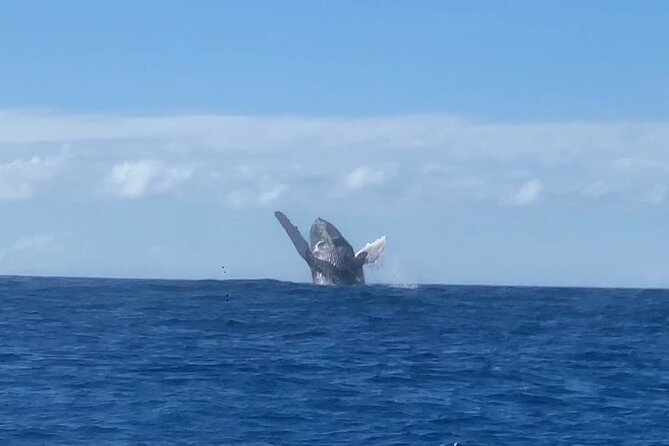
Once you are checked in and out on the water, your main activity window is about 2.5 hours of dolphin and whale searching, with the total tour time listed as around 3.5 hours including check-in.
How the cruise is run
The pace is relaxed but focused. Captains and naturalist guides narrate:
- what you are looking for,
- where wildlife often shows up,
- and what makes Kona’s coastline so interesting (history and geology get worked in as you travel).
You slowly cruise while scanning. That matters because whales and dolphins are not scenery props. They surface, move, and can change behavior quickly—so captains do a lot of “look, reposition, and listen.”


What you might see (dolphins first, then whales if the season is right)
Depending on the day and conditions, the tour aims for:
- Spinner dolphins and other pods (often easier to spot than whales),
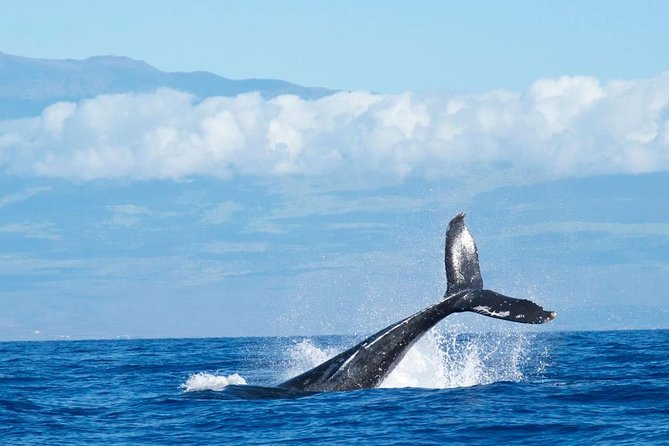
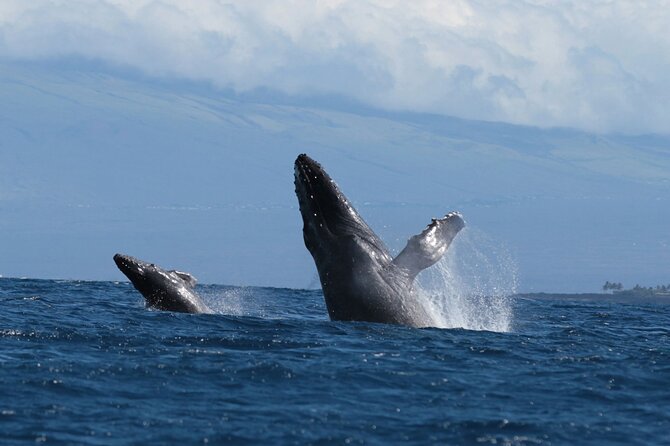
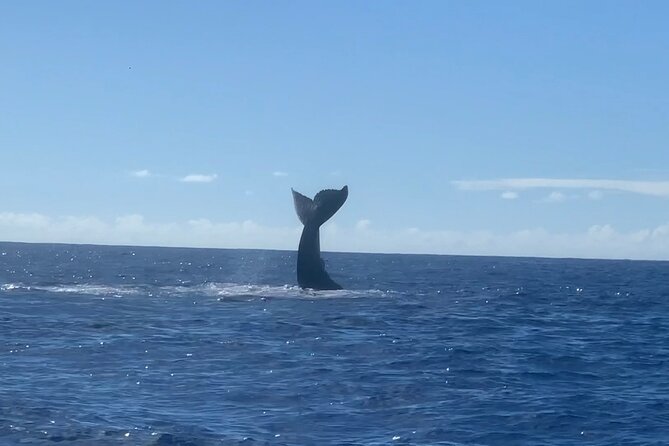
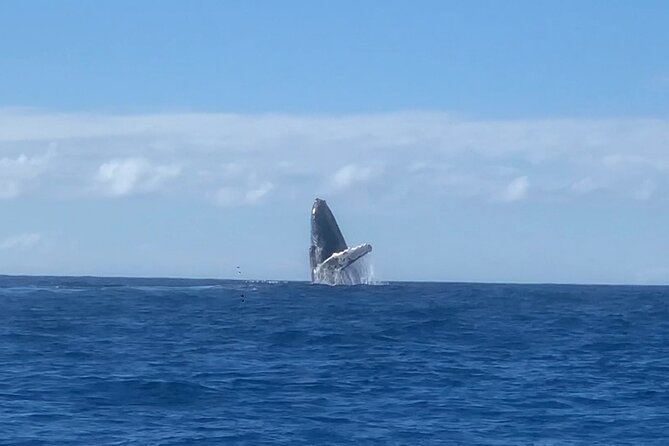
- Humpback whales in the Dec–Mar range, when they visit to mate and give birth,
- and the possibility of other whale species such as pilot whales, beaked whales, and melon-headed whales.
One reason I like this tour’s approach is that it does not treat whale sightings like a single moment. The description sets up a plan to observe, learn, photograph, and listen, so even if humpbacks are not right under the boat, you still have a meaningful experience.
The hydrophone moment: why you should care even if you love photos
This tour includes an underwater hydrophone. The big value here is simple: it helps you connect the dots between what you see and what animals are doing.
You are essentially trading the question “Did I hear whales?” for “Yes, I can listen to them.” In the best cases, it turns a wildlife sighting into something more memorable because you can hear vocalizations while you look.
If you are the kind of person who wants more than just a photo, this part is why the tour is worth your time.
What “non-snorkeling” changes for your comfort and packing
This is not a snorkeling tour. That is good news if you want to keep things simple. You can focus on staying comfortable and watching the coast and wildlife without the extra gear, swim logistics, or time underwater.
Pack for dry, windy conditions. The tour info specifically asks you to bring:
- reef-safe sunscreen
- a jacket
- a camera
And based on how most whale watches feel in open water, you’ll be happier if you also bring water and wear layers you can adjust, since Kona breezes can change fast.
The coast stops you’ll actually notice: caves, sea arches, and the Captain Cook area
There is only one listed stop, but that does not mean it is a point-to-point drive. Your cruise is described as covering Kona’s dramatic shoreline while you slowly work your way out and back.
Past guests have described seeing:
- sea arches and shoreline caves close enough to feel like you are on a coastal tour, not just a wildlife hunt,
- and a route that can reach the area of Captain Cook monument.
That combo—wildlife spotting plus a guided coastal look—adds real value. It means you are not stuck with a “wait for a whale” storyline. Even when dolphins are the headline, you are still getting something you cannot get from the shore.
Who this Kona cruise is best for (and who should skip it)
This tour is suitable for ages 5+, with children needing to be accompanied by an adult. If your family is traveling with kids who can handle a boat ride and waiting a bit for wildlife to show, it fits well.
It is also a good fit if you:
- want small-group attention,
- care about educational narration,
- and like the idea of hearing whale vocalizations through a hydrophone.
But think twice if:
- rough water makes you feel unwell,
- you have neck/back limitations or serious medical concerns (operator guidance has flagged the boat type as not recommended),
- or you strongly need a restroom onboard (none is available).
Price and value: is $109 a good deal for whales and dolphins?
At $109 per person for roughly 3.5 hours including check-in, the value depends on what you want most.
Here’s how I judge it:
- You are paying for more than a “sightseeing spin.” You get naturalist-guided narration and a hydrophone component. Those two upgrades make it feel like an experience, not just transport.
- You are also paying for a small-group feel. With a lower headcount, it is easier to spot wildlife and ask questions without feeling stuck.
- You are still subject to whale behavior. If humpbacks are your only reason for booking, remember they are seasonal and can be distant even when they are present.
In other words: if you want a solid chance at dolphins plus the extra whale-listening factor in humpback season, the price makes sense. If you want guaranteed whales right next to the boat, no ocean operator can sell that promise.
A fair heads-up on whale distance and why you might not get the close-up shot
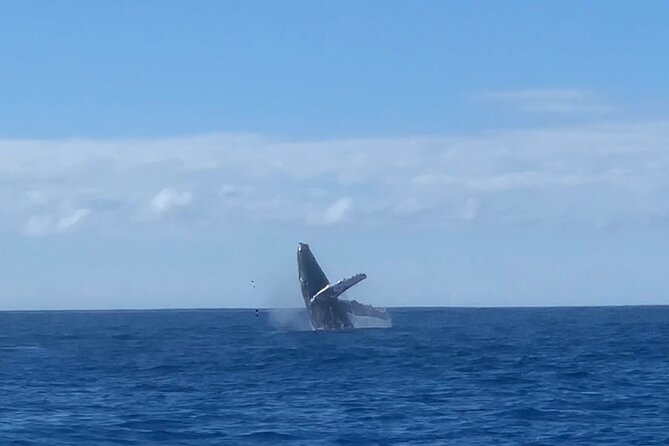
You may wonder why whales do not always come near. The operator has been clear that whales are federally protected, and they must maintain a 100-yard safe distance.
That means:
- you should expect whales to be at a range sometimes,
- and you should plan your photos with that in mind.
Some trips deliver humpbacks fairly close, and some deliver sightings that feel more like a “watching them from afar” experience. Your best move is to show up ready to enjoy the ride and the learning—because the hydrophone and the narration can still make the day land well even without the perfect breaching photo.
Should you book this Kona humpback and dolphin watch?
Book it if you are traveling in December through April and you want the best match between humpback season and a small, guided cruise with a hydrophone listening moment. I also think it is a smart choice for first-timers because the narration helps you understand what you are seeing, especially when whales are far enough that spotting details matters.
Skip it or pick another option if you:
- cannot handle choppy water,
- need a restroom onboard,
- or require humpbacks to be close and guaranteed (that part is never under your control).
If you do book, bring your jacket, your camera, and a flexible mindset. Kona’s ocean can be dramatic, and the wildlife does its own schedule.
FAQ
What months can I see humpback whales on this Kona tour?
Humpback whales are described as visiting for mating and giving birth from December to April.
How long is the experience?
The tour time is listed as about 3.5 hours, and it includes check-in time.
Is snorkeling included?
No. This is a non-snorkeling tour.
How big is the group?
The tour is described as small group, with listings showing a maximum of 20 travelers, and also noting up to 28 passengers depending on the run.
Is there a restroom on board?
No. Restroom facilities are not available on the boat.
What should I bring?
Bring reef-safe sunscreen, a jacket, and a camera.
Does the tour have an age requirement?
It is recommended for ages 5+, and children must be accompanied by an adult.
Where do I meet the tour?
Meet at 78-6831 Ali‘i Dr, Kailua-Kona, HI 96740, and the tour ends at 78-7138 Kaleiopapa St, Kailua-Kona, HI 96740.
What if the whales stay far away?
Whales are protected, and the operator states they must maintain a 100-yard safe distance, so you may see whales at range.