REVIEW · TERCEIRA
Terceira Island: Whale & Dolphin Watching | Best Wildlife Tour
Book on Viator →Operated by OceanEmotion · Bookable on Viator
Wildlife shows up when it’s ready. This tour is Terceira, Azores, where you’re chasing dolphins and whales in waters packed with species—29 recorded. What I like most is the human touch: a marine biologist guide (Raquel is one example) and a dedicated whale-and-dolphin spotter working with a hydrophone, so you’re not just staring at open water hoping for luck.
Here’s the one real drawback to expect: it’s wildlife, not a fixed show, so you can’t count on seeing whales and dolphins every single trip. Some days bring dolphins only, and some bring different mixes.
You start right at Marina de Angra do Heroísmo and you’re back there afterward, with the experience kept to a small group (maximum 20). If sightings don’t happen, the operator offers a new free tour—and if the weather makes it impossible, you’ll get a full refund.
In This Review
- Key things to know before you go
- Terceira’s cetacean waters: what the sighting guarantee really means
- Meeting at Marina de Angra do Heroísmo: simple start, small-group pace
- Boarding and getting set up: wind jackets and open-water time
- How the guide, spotter, and hydrophone improve your odds
- Weather, sea state, and what to wear for 2.5 hours
- What you might actually see: dolphins, whales, or a mix
- Price and value: what $84.11 buys you
- Logistics that can make or break your morning
- Who should book this tour (and who should reconsider)
- My booking checklist for the best chance of a great day
- Should you book the Terceira whale and dolphin tour?
- FAQ
- How long is the Terceira whale and dolphin watching tour?
- Where does the tour start and end?
- How much does the tour cost?
- Is the tour offered in English?
- What’s included in the ticket price?
- What isn’t included?
- Are sightings guaranteed?
- What happens if there are no sightings during the tour?
- Does the tour run in bad weather?
Key things to know before you go
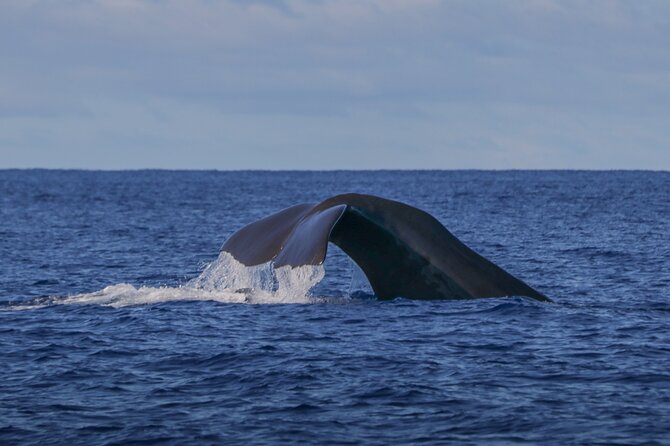
- Sighting guarantee: you’ll see at least one of whales or dolphins; if nothing happens, you can go again for free
- Marine biologist-led: guides help you understand what you’re looking for, not just where to look
- Hydrophone included: the spotter uses it to improve your chances in the Azores
- Small-group feel: capped at 20 travelers, which keeps the experience from feeling crowded
- Gear provided: wind jacket included, plus a spotter/guide team working the water
- 2.5 hours on the clock: plan for about 2 hours 30 minutes and enjoy the ocean time
Terceira’s cetacean waters: what the sighting guarantee really means
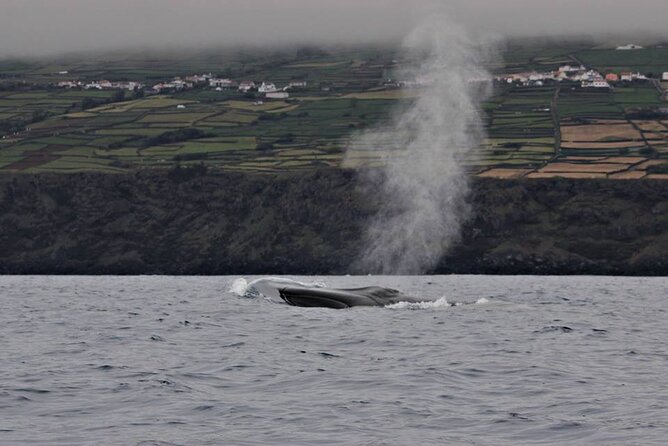
This tour is built around the reality of whale and dolphin watching in the Azores: animals move, feed, and surface on their own schedule. The operator makes the guarantee practical. You’re not promised whales only, dolphins only, or both every time.
Instead, you’re promised a sighting of at least one cetacean type—whales or dolphins—because those species are present in the Azores waters. That matters for your planning. You can treat this as your wildlife outing without putting all your hopes on one specific outcome.
If your day is truly quiet and you don’t get sightings at all, you’re offered a new free tour. And if adverse weather makes it impossible to run the activity, the tour promises a full refund. So even though nature is unpredictable, the experience isn’t “sorry, bad luck” at the business end.
You can also read our reviews of more tours and experiences in Terceira.
Meeting at Marina de Angra do Heroísmo: simple start, small-group pace
Your meeting point is Marina de Angra do Heroísmo, in the marina area of Angra do Heroísmo (9700-178). The tour starts there and ends back at the same point, so you’re not juggling multiple drop-off zones.
This is also where the small-group design helps. The maximum group size is 20 travelers, which usually means you’ll have an easier time staying oriented—especially when the crew is pointing out what to look for.
It’s offered in English, and you’ll get confirmation at booking time unless you book within 1 day of travel (then confirmation comes as soon as possible based on availability). You’ll also use a mobile ticket, which is handy for a quick check-in before boarding.
One important note: the tour operates in all weather conditions, so you’re not likely to get “nice day only” treatment. Bring the right attitude: you’re going to be out on the water, so accept that wind and spray are part of the deal.
Boarding and getting set up: wind jackets and open-water time
You’ll be on a small open boat, and that’s part of the appeal. It feels closer to the action than the big-ship style of whale watching, and you tend to feel the ocean more directly—good and bad.
Good news: a wind jacket is included, and that’s one of the smartest inclusions for the Azores. When you’re moving across open water for about 2 hours 30 minutes, wind chill can make a difference between comfortable and miserable. With the jacket provided, you can focus on dressing for layers instead of chasing one perfect jacket choice.
No hotel pickup or drop-off is included, so you’ll need to get yourself to the marina. The tour is described as being near public transportation, but don’t treat that as a guarantee for an easy walk-on-from-everywhere situation—more on that in the logistics section.
How the guide, spotter, and hydrophone improve your odds
The tour includes a tour guide and a whale and dolphin spotter, plus a hydrophone. That trio is a real value add because it turns the trip from casual sightseeing into an actively run search.
Here’s why that matters for you: in open water, your eyes aren’t always enough. Some animals don’t show long, and conditions can limit visibility. A hydrophone helps the spotter gather clues that you can’t get from sight alone. It doesn’t guarantee success—no one can—but it increases the odds that the crew is reacting to real signals rather than guessing.
The guide side matters too. One guide example in the information you have is Raquel, described as a marine biologist. That kind of background typically means you get clearer explanations of how to spot behavior and what different surfacing cues can mean. Even if you’re not a marine-life expert, it’s easier to enjoy the experience when you understand what the crew is seeing and why they’re changing direction.
You’ll also have a sighting guarantee structure that keeps expectations realistic: the goal is at least one whale or dolphin sighting on the tour, not a perfect wildlife bingo card.
Weather, sea state, and what to wear for 2.5 hours
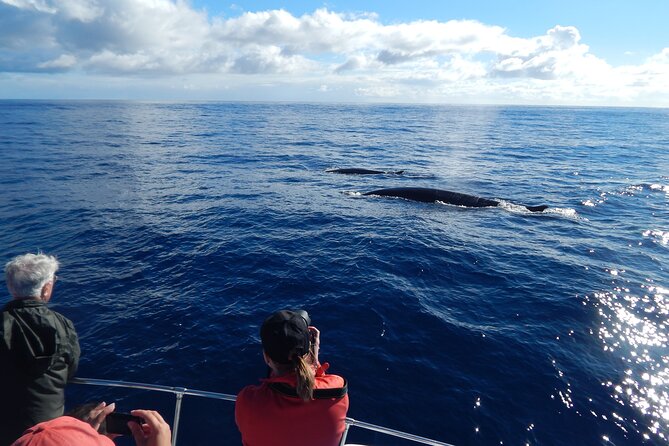
This is where most “I loved it” stories get their edge. The ocean can be a little choppy, and when it is, you’ll feel it. That can make the ride exciting, but it also means comfort depends on what you wear and how you move around the boat.
Since the tour runs in all weather conditions, your best move is to dress for wind and spray, not just for sunshine. The wind jacket is included, but you’ll still want layers under it so you’re not stuck with one temperature.
Practical approach:
- wear shoes or footwear that handle a wet boat deck
- dress in layers you can adjust if you get warm while scanning for wildlife
- avoid bulky stuff that becomes annoying when you’re trying to keep your balance
The tour runs about 2 hours 30 minutes, so plan for a sustained outing. This is not a quick hop across the water. If you tend to get motion sick, consider preparing accordingly before you go—because you’ll be out there long enough for sea conditions to matter.
What you might actually see: dolphins, whales, or a mix
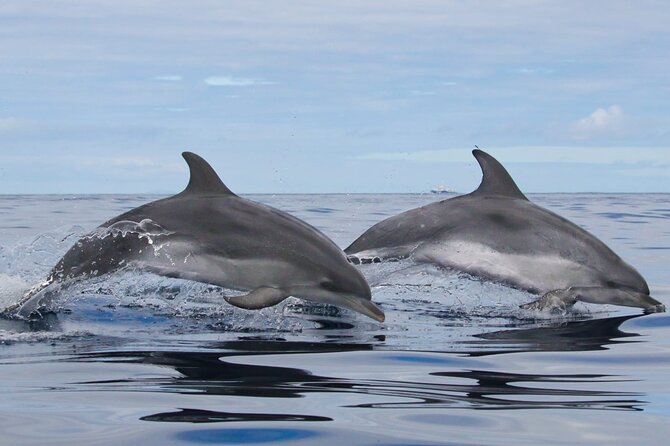
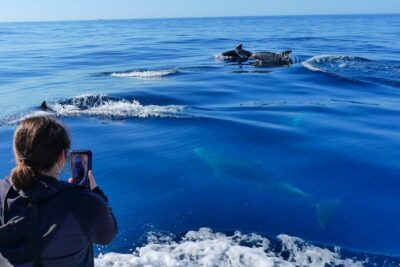
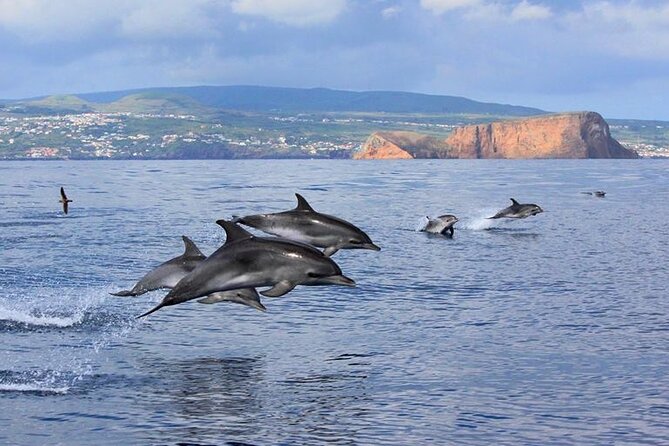
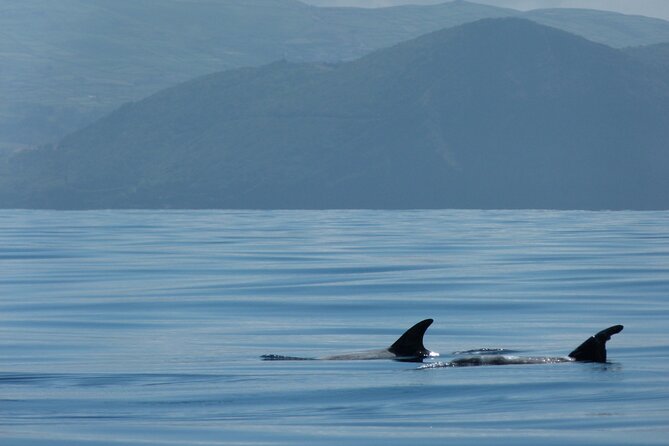
The Azores are home to a huge range of cetaceans, and the tour is designed around that. Still, the operator is honest about the unpredictability. You might end up seeing only dolphins on your outing—after all, those animals can be easier to spot than whales depending on how they surface.
On some trips, the dolphin sightings can be varied. In the provided details, one trip highlights dolphins appearing in three different species during the same outing. That’s a reminder that “just dolphins” can still be a strong wildlife result, especially when the crew stays active in searching.
And if whales don’t show up on your particular trip, you’re not left empty-handed in the long run, thanks to the structure: at least one of whales or dolphins is the promise, and if you get zero sightings, you can go again for free.
So I recommend you think of this as a wildlife experience with a good chance of dolphins and the chance of whales—not as a guaranteed whale spotting appointment.
Price and value: what $84.11 buys you
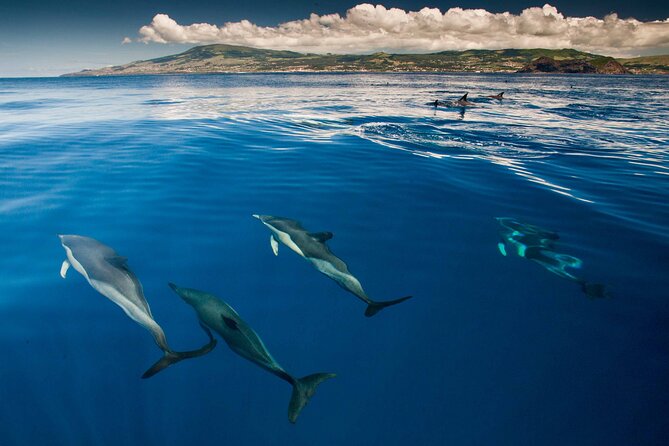
At $84.11 per person for about 2 hours 30 minutes, you’re paying for more than a boat ride. You’re paying for a small-group setup, guide + spotter staffing, and dedicated equipment.
Here’s what’s included:
- tour guide
- whale and dolphin spotter
- hydrophone
- wind jacket
- sighting guarantee
- public liability insurance
What’s not included:
- food and drinks
- hotel pickup and drop-off
For value, the key is the included equipment and the guarantee structure. Hydrophone + spotter time costs money, and the free return if no sightings happen is a big statement about how the operator handles quiet days.
The one watch-out for your budget is simple: since food and drinks aren’t included, you’ll want to handle meals on your own before or after the tour. Build that into your island day plan.
Also, since there’s no hotel pickup, you’re paying in time and logistics. If you’re staying near the marina, this is easy. If you’re elsewhere, your transport plan becomes part of the real cost.
Logistics that can make or break your morning
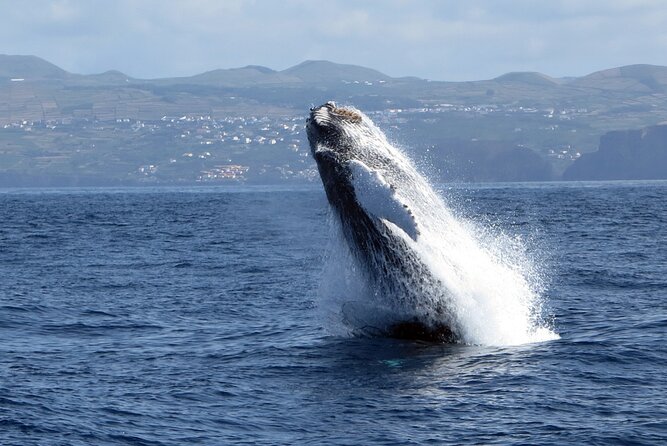
This is a practical island detail: you meet at the marina, and the tour doesn’t include hotel pickup. The good part is the meeting point is described as near public transportation.
The caution comes from real-world timing. If you’re arriving by cruise, plan like the marina is hard to reach. One experience described missing the tour because the party couldn’t get to the marina in time due to limited public transport and taxi availability, and the operator treated it as a no-show.
I can’t generalize that to every cruise day, but I can tell you what to do: if you’re on a cruise ship, don’t assume you can count on taxis or public buses at the exact time you need. If you want to play safe, arrange private transport early or build in extra buffer time so you don’t get stuck doing a mad dash to an unpredictable schedule.
If you’re based on the island and can reach Angra’s marina area easily, the logistics are straightforward: show up at the start point, meet your small group, and go.
Who should book this tour (and who should reconsider)
This tour is a strong fit if:
- you want a hands-on wildlife search with a guide and spotter, not passive sightseeing
- you’re happy with the idea that nature sets the agenda
- you want a small-group outing (max 20) from a central marina area
- you care about the Azores’ strong cetacean presence and want to spend real time out on the water
You might reconsider if:
- you’re short on time and cannot get to the marina reliably on your own schedule
- your tolerance for motion or ocean wind is low (the ride can be choppy, and it runs in all weather)
- you expect a guaranteed whale sighting every single trip
The best mindset is: come for the experience and let the animals decide what they show you. With the sighting guarantee and the free return option, you’re not left with only disappointment.
My booking checklist for the best chance of a great day
Here’s how I’d set yourself up for success with the info you have:
- Pick a day when you can stay flexible with timing and weather. The tour depends on ocean conditions, even though it runs in all weather types.
- Dress for wind and spray. The wind jacket helps, but layers still matter.
- Bring the expectation that you may see dolphins first (and that can still be excellent).
- If you’re a cruise passenger, treat transport as your responsibility. Aim for extra buffer time so you don’t miss departure.
- If you’re traveling with kids, plan on adult supervision—children must be accompanied by an adult.
If you do those things, you’ll get the most out of the hydrophone + spotter approach, the marine biologist style of guidance, and the small-group pace.
Should you book the Terceira whale and dolphin tour?
Book it if you want a focused Azores wildlife outing with real support on the water: guide, spotter, and hydrophone, plus a guarantee that you’ll see at least one whale or dolphin. At this price point, the included gear and the free return option make it feel fair—especially when you’re on a tight island schedule.
Skip (or at least plan extra carefully) if your biggest risk is getting to the marina on time. Because there’s no pickup, and wildlife trips run on the clock, your transport plan needs to be solid—particularly if you’re arriving as part of a cruise schedule.
Overall, this is a practical, well-run wildlife tour option in Terceira, with the kind of structure that protects you when the ocean isn’t cooperative.
FAQ
How long is the Terceira whale and dolphin watching tour?
It runs for approximately 2 hours 30 minutes.
Where does the tour start and end?
It starts at Marina de Angra do Heroísmo and ends back at the same meeting point.
How much does the tour cost?
The price is $84.11 per person.
Is the tour offered in English?
Yes, it is offered in English.
What’s included in the ticket price?
Included are the tour guide, whale and dolphin spotter, hydrophone, wind jacket, the sighting guarantee, and public liability insurance.
What isn’t included?
Food and drinks are not included, and there is no hotel pickup and drop-off.
Are sightings guaranteed?
There’s a sighting guarantee that you’ll see at least one of the species of whales or dolphins present in Azores waters, but it can’t guarantee only whales, only dolphins, or both.
What happens if there are no sightings during the tour?
If no sightings occur during the tour, you’ll be offered a new free tour.
Does the tour run in bad weather?
It operates in all weather conditions, and if adverse weather conditions make it impossible to carry out the activity, you’ll be offered a different date or a full refund.