REVIEW · TERCEIRA
Watching whales and dolphins on Terceira Island
Book on Viator →Operated by Water4fun Whale Watching Terceira · Bookable on Viator
Terceira mornings can turn into whale stories fast. This 3-hour outing focuses on cetaceans in the Azores, using a land-based spotter system so the boat can be guided fast when whales or dolphins show up.
I especially like the small group feel (max 15) and the fact that you’re not just hoping for luck. You’re moving with an active search plan and experienced people.
The only real drawback is simple: wildlife depends on conditions. If visibility or weather is poor, your sightings can be limited, and sometimes the operator cancels for safety.
In This Review
- Key highlights at a glance
- Why Terceira is so good for whales and dolphins
- Meeting Point and the 8:30 start at Water4fun
- The “watchman” system: how the boat finds animals
- What you’re likely to see: whales and dolphins in Azorean waters
- How the 3 hours usually feel on the water
- Boat size and seating: why this matters for views
- Price and value: what $78.64 buys you here
- Season, weather, and what to do with that reality
- Who should book this whale-watching trip
- Practical tips to make your experience smoother
- Should you book Water4fun Whale Watching Terceira?
- FAQ
- What time does the whale and dolphin watching tour start in Terceira?
- How long is the experience?
- Where does the tour start?
- What’s included in the ticket price?
- Are whale and dolphin sightings guaranteed?
- What happens if there are no whales or dolphins seen?
- Is this tour operated in all weather?
Key highlights at a glance
- Spotter-guided searching from high ground with long-range binoculars and radio direction
- Sighting rate above 90% based on their watch-and-direct approach
- Guaranteed whale and/or dolphin order: at least one cetacean type, or you get a free reschedule or refund
- Small “banana boat” style speedboat with seating designed for better views
- Guides like Victor who explain what you’re seeing in plain language while you’re out there
- You might see multiple species in one outing, including sperm whales and several dolphin types
Why Terceira is so good for whales and dolphins
Terceira sits in the Azores, and the Azores are one of the best places in the world for cetacean watching. It’s not just hype: the region can host around 28 species of cetaceans across the year, which is roughly a third of the world’s known species. That matters because it raises your odds of seeing something interesting beyond the usual “dolphins only” scenario.
What I like about how this tour is set up is that it treats cetaceans like what they are: moving, breathing, wild animals. Instead of pretending every trip can be predicted, the team uses a system to improve the odds—then they stick to safety and respectful distance when animals are found.
And because the Azores can pull in different whale and dolphin species depending on season and conditions, the experience often feels like you’re learning while you watch. One moment you’re counting breaths and surfacing patterns, the next you’re tracking how a pod moves.
You can also read our reviews of more tours and experiences in Terceira.
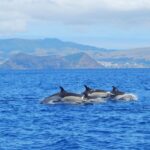
Meeting Point and the 8:30 start at Water4fun
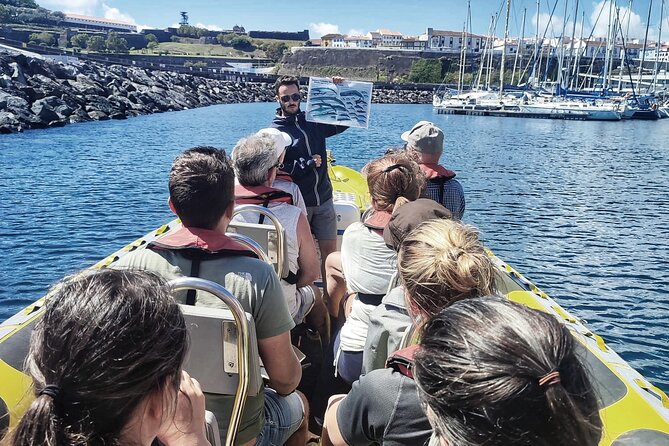
Your tour starts at 8:30am at Water4fun – Whale Watching Terceira island, in Angra do Heroísmo (9700-154). The activity ends back at the same meeting point, so you’re not dealing with a long transfer or a complicated end plan.
A couple practical notes that will save you stress:
- Be on time. One review flagged that latecomers caused about a 30-minute wait before the trip started.
- Bring something to cover up. Even on sunny mornings, the sea breeze can feel cooler once you’re moving, and several people recommended having a light layer.
You’ll get a life jacket and there’s a safety setup on board. The boat rides in a way that feels more like a sea adventure than a slow cruise—people describe bouncing over waves and feeling the wind in your face. If you get motion-sick easily, you’ll want to plan for that ahead of time, because this is a faster style of outing.
The “watchman” system: how the boat finds animals
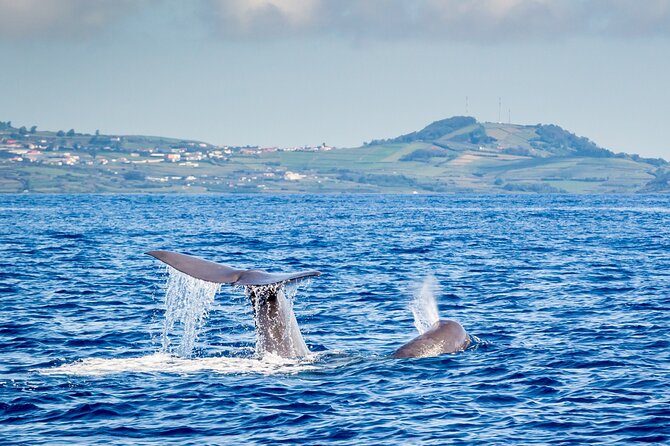
Here’s the part that makes this tour more than just a seat on a boat: there’s a Watchman on land. This person is positioned in a high area and uses long-range binoculars plus radio guidance to communicate sightings to the vessels.
So while you’re out on the water, the crew isn’t just zig-zagging randomly. They’re responding to real-time information from above. That’s why they report a cetacean sighting rate over 90%—not because they can promise exact species, but because they can direct the boat over a larger search area when animals are detected.
This also explains the tour’s main guarantee (more on that next). When you hear guaranteed results, you shouldn’t expect a promise like see a blue whale at 9:15am. What you can expect is a focused effort to find cetaceans as conditions allow.
What you’re likely to see: whales and dolphins in Azorean waters
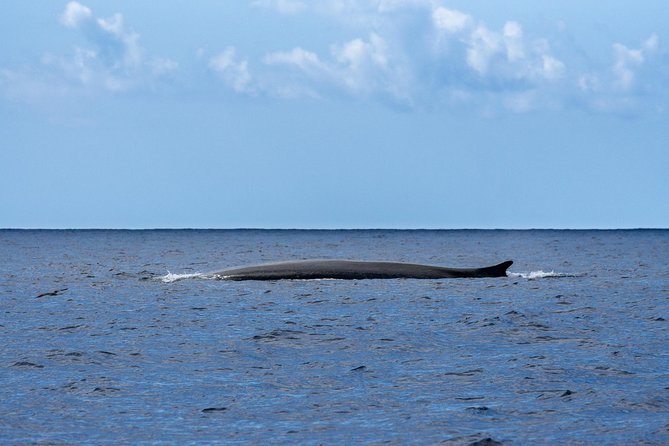
This is a cetacean-watching tour, so the big headline is simple: you’re searching for whales and/or dolphins. The exact species is never 100% predictable, but the waters around Terceira can produce a wide mix.
From the sightings shared in the experience details and the species people talked about, you might encounter:
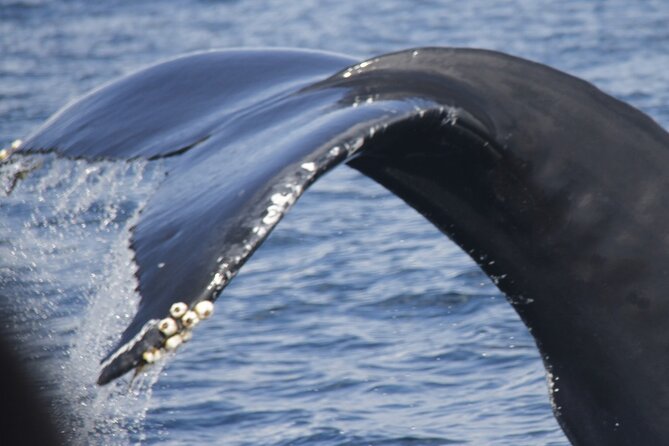
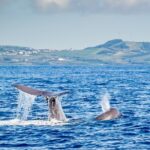
- Sperm whales (including close sightings and even family groups noted in feedback)
- Sei whales
- Humpback whales
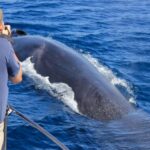
- Blue whales (a mama blue whale with a calf was mentioned)
- Pilot whales
- False killer whales
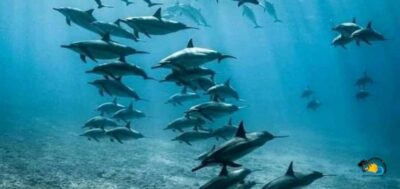
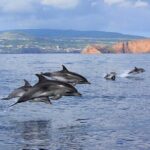
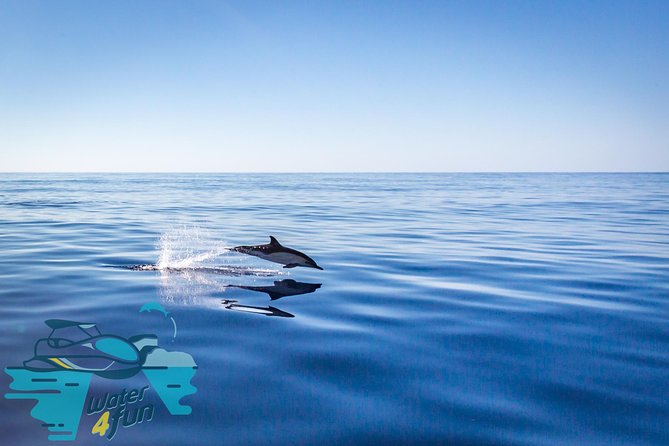
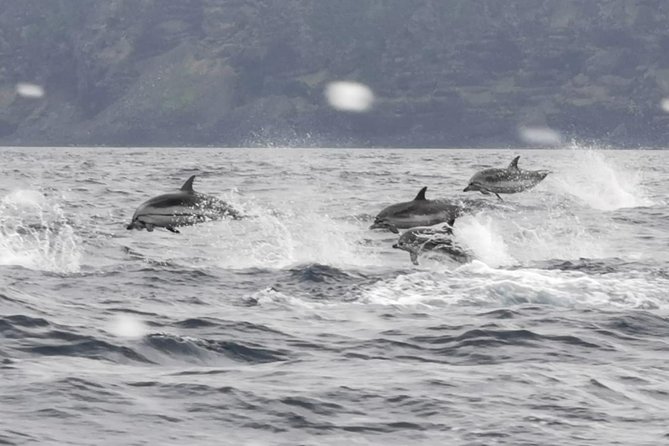
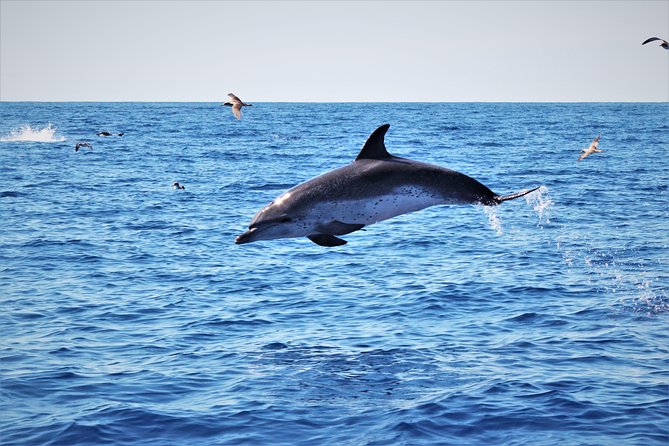
- Dolphin species such as Common dolphins, Atlantic spotted dolphins, Risso’s dolphins, bottlenose dolphins, and spotted dolphins
If you’re a “name-the-animal” kind of traveler, this is a great trip. The guides often explain what you’re seeing in the moment, and people specifically praised Victor for pointing out where to look and making the information useful instead of vague.
Also, pay attention to behavior, not just size. Many people loved how pods came near the boat and how long they stayed in view. Even when whales aren’t present, dolphin activity can be constant—some trips reportedly delivered a lot of dolphins quickly, with pods swimming around the boat for extended stretches.
How the 3 hours usually feel on the water
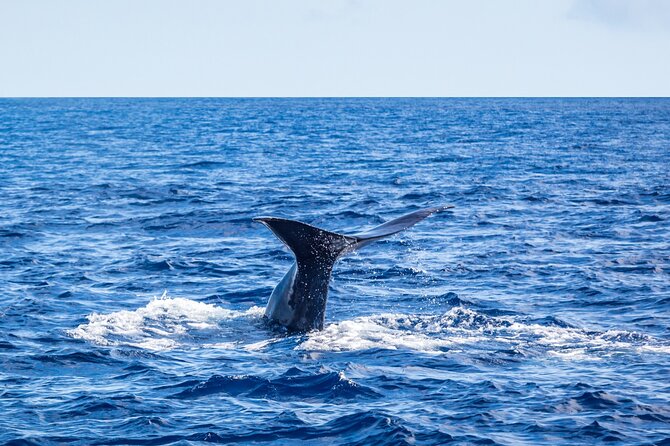
The duration is about 3 hours, and it typically plays out like this in terms of rhythm:
- Check-in and a quick safety setup before leaving the marina
- Cruise into a search area where the boat can respond quickly to the land spotter’s guidance
- Time spent with sightings once the crew locates animals
- Return to the meeting point at the end of the session
A key thing to understand: if animals are spotted, you may spend a lot of that time watching them up close within safety limits. Several people mentioned long periods with a pod, which is exactly what you want. Whale and dolphin watching gets better when the encounter lasts, not when the crew races past for a quick glance.
You’ll also notice the “find, then focus” pattern. One review described it as challenging at first to spot animals, then suddenly the spotter helped the group get on target once skies cleared. That’s normal. Cetaceans can surface anywhere, and sea conditions change quickly.
Boat size and seating: why this matters for views
This isn’t a giant group boat. The tour lists a maximum of 15 travelers, and the smaller vessel size showed up in feedback as a big deal for comfort and sightlines.
Seating is often described as set up like a small speedboat with two seats in each row and views to both sides. People liked that you can stand on the far side for a better look and that grab bars and a partition create a sense of stability while you move around to watch.
Why I consider this value-driven: with bigger boats, you can lose viewing time because someone blocks your line, or you’re stuck waiting your turn. Here, the layout seems designed so most people can see without playing musical chairs every time the crew turns the boat.
Some people even called it the Banana Boat style, a fun nickname that fits the shape and the speed. Expect an active ride, not a quiet floating experience.
Price and value: what $78.64 buys you here
At $78.64 per person, you’re paying for more than just transportation. You’re paying for:
- Life jacket and safety gear included
- A small group experience (max 15)
- A trained team running an active search from land
- And the most important value piece: a sighting guarantee
The guarantee works like this: they can only guarantee that you’ll see at least one specimen from the cetacean order (whales and/or dolphins), but they cannot promise which exact species. If no specimen from that cetacean order is seen, you get the right to reschedule a second attempt free of charge (subject to availability) or request a full refund as a last resort.
For me, that’s what turns a whale tour from “pay and pray” into “pay for a planned experience.” You still can’t control the ocean, but you’re not left empty-handed if nature doesn’t cooperate.
Season, weather, and what to do with that reality
This type of tour requires good weather, and conditions matter. Poor visibility can limit what people can actually spot, even if animals are nearby. One review described disappointment at first when they saw dolphins only due to poor visibility, and then improved weather led to a whale sighting later.
Weather can also mean cancellation. There was at least one case of last-minute cancellation due to conditions affecting safety and the ability to operate. If that happens to you, the operator offers a different date or a full refund when it’s canceled due to poor weather.
My practical advice: if you can, build this tour into the start of your trip window rather than your last morning. That gives you flexibility if you need a rescheduled attempt.
Who should book this whale-watching trip
This tour is a strong fit if you:
- Want a high-effort search instead of a slow cruise with no guidance
- Like learning in real time (guides talk during sightings and in the quiet moments)
- Prefer a smaller boat where most people get a view
- Are okay with the fact that exact species are not promised
It’s also a good choice for families, based on the group setup and the short overall duration. But I’d think twice if you:
- Struggle with getting in and out of the seats or moving around. People noted the straddle/partition arrangement and boarding can be a little challenging for limited leg flexibility.
- Hate wind and fast rides. This is an energetic, sea-breeze kind of experience.
One more tip: if you’re traveling specifically for whales, try to time your trip around the seasons when sightings are more likely. One review explicitly said to go during whale season if possible. That doesn’t remove the natural uncertainty, but it improves your odds.
Practical tips to make your experience smoother
Here’s how you can get more out of it without overthinking:
- Arrive early enough that check-in doesn’t turn into a scramble. Being punctual helps the boat leave on time.
- Dress for wind. A light layer or cover-up is worth it even if the morning starts warm.
- Listen closely when the guide points things out. When you’re told where to look, do it right away. People praised guides for pointing out sightings so nothing got missed.
- Stay patient during the search. Several people said it can be tough at first, then suddenly everything lines up once the spotter directs the boat and conditions improve.
Also, remember this is wildlife watching. Your best mindset is curiosity over control. The tour is built to find cetaceans, but it can’t force the animals to show up on schedule.
Should you book Water4fun Whale Watching Terceira?
If you’re on Terceira and you want whales and dolphins with a plan, I’d book it. The main reasons are straightforward: small group size, a land watchman improving the odds, and a guarantee that protects you if cetaceans don’t show up at all.
The only reason to hesitate is if your schedule is so tight that a weather-driven reschedule would wreck your day. Otherwise, this is exactly the kind of outing that turns a simple morning into a real encounter—especially when dolphins swim close for long stretches or when whales appear and the crew can guide you to the right place quickly.
If you’re the type who cares about seeing multiple species, your chances are good in the Azores, and this operator is set up for that reality.
FAQ
What time does the whale and dolphin watching tour start in Terceira?
The tour starts at 8:30am.
How long is the experience?
It lasts about 3 hours.
Where does the tour start?
The meeting point is Water4fun – Whale Watching Terceira island, 9700-154 Angra do Heroísmo, Portugal.
What’s included in the ticket price?
The tour includes a life jacket and safety equipment, and it includes a guaranteed whale and/or dolphin sighting (at least one cetacean of the whale/dolphin order).
Are whale and dolphin sightings guaranteed?
They guarantee a sighting of at least one specimen from the cetacean order (whales and/or dolphins). They can’t guarantee which species or which family you’ll see.
What happens if there are no whales or dolphins seen?
If no specimen from the cetacean order is seen, you can reschedule a second attempt for free based on availability, or request a full refund as a last resort.
Is this tour operated in all weather?
This experience requires good weather. If it’s canceled due to poor weather, you’ll be offered a different date or a full refund.