REVIEW · AKAROA
Akaroa Harbour 2-Hour Dolphin Nature Cruise
Book on GetYourGuide →Operated by Black Cat Cruises · Bookable on GetYourGuide
Hector dolphins are the star here. On this Akaroa Harbour cruise, you head out on a modern catamaran around an extinct volcanic crater, with the rare Hector’s dolphins as the main goal. You also get a real nature-and-places experience, not just a quick wildlife sweep.
I especially like the way the skipper’s narration ties together what you’re seeing—dolphins, seals, seabirds—with Akaroa’s volcanic setting and the Maori and European stories behind it. One possible drawback: wildlife sightings are never 100% guaranteed, and depending on where you sit, hearing the guide can vary a bit on a busy boat.
In This Review
- Key points before you go
- Two hours of Hector dolphin watching in Akaroa Harbour
- Meet at Main Wharf and find the best viewing spot fast
- The volcanic scenery: sea cliffs, sea caves, Scenery Nook, and Nikau Palm Gully
- Wildlife spotting: dolphins, fur seals, penguins, and seabirds
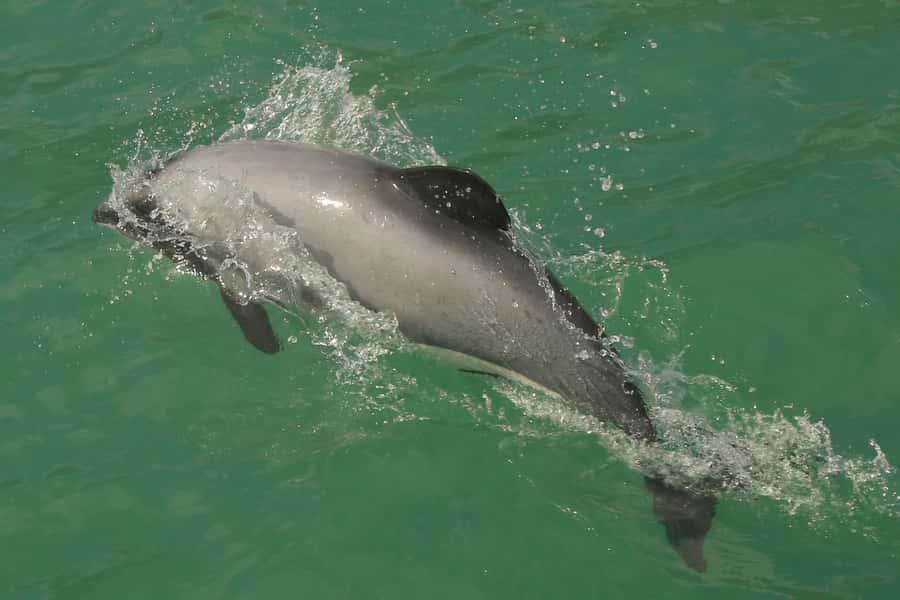
- Hector’s dolphins
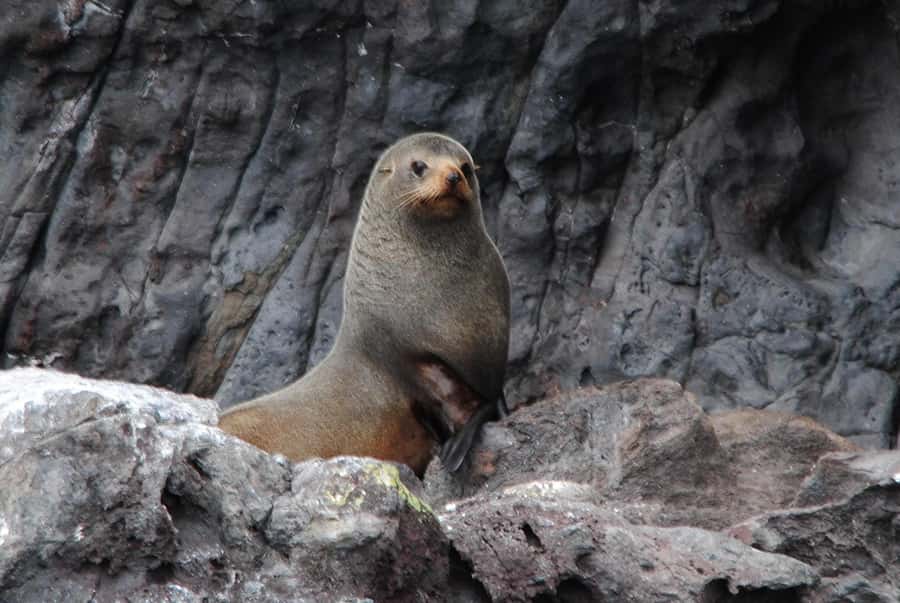
- New Zealand fur seals
- Little penguins
- Seabirds: albatross and cormorants
- Skipper narration that makes the harbour feel personal
- What to bring (and wear) for comfort on the water
- Price and value: is $71 worth it for a 2-hour cruise?
- Should you book the Akaroa dolphin nature cruise?
- FAQ
- Where does the cruise depart from?
- How long is the Akaroa Harbour 2-hour Dolphin Nature Cruise?
- What does the cruise cost?
- What wildlife might I see on this cruise?
- Is there commentary during the cruise?
- Is there food or drink included?
- Is the boat comfortable for viewing?
- Is there a bar onboard?
- How is the weather handled and what should I wear?
- Is the cruise suitable for wheelchair users?
Key points before you go
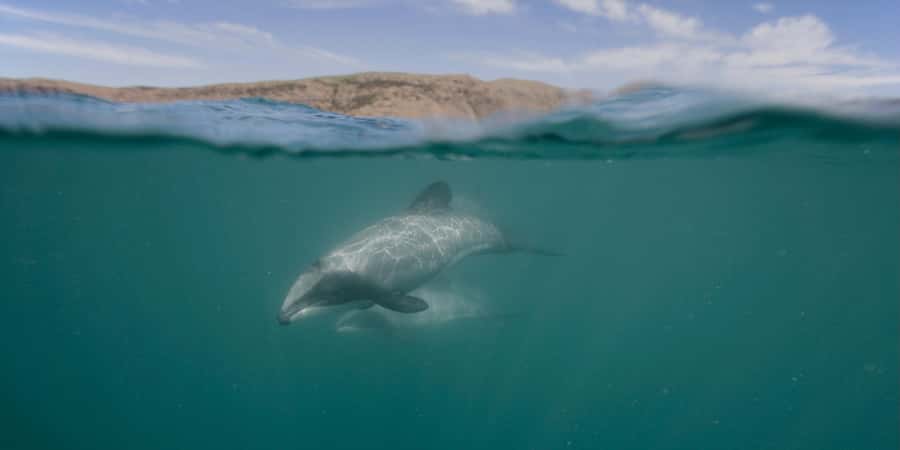
- Hector’s dolphins in the wild: New Zealand’s rare, small dolphins, plus chances at seals and seabirds
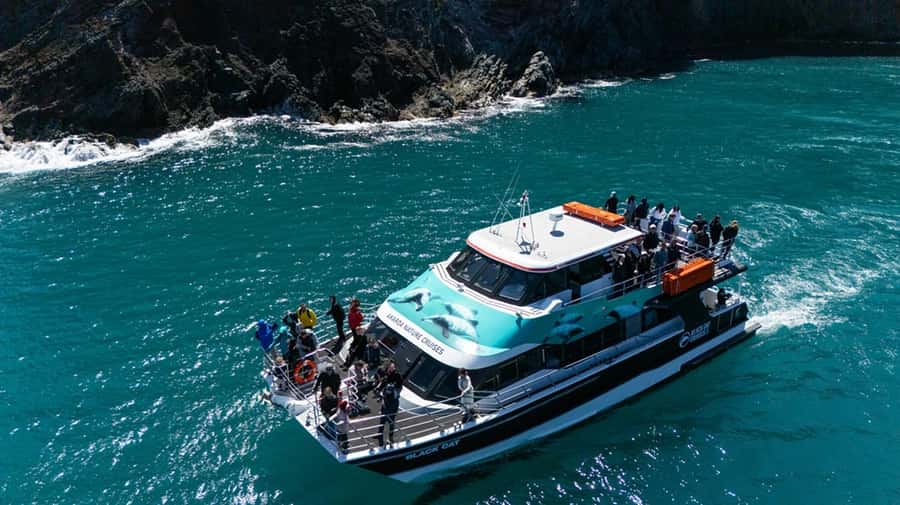
- Catamaran layout for viewing: Two open decks for better sightlines and lots of covered seating
- Volcanic Akaroa visuals: Sea cliffs, sea caves, and the colorful Scenery Nook rock amphitheatre
- Nature-guide storytelling: Local context on Maori/European history and the harbour’s volcanic past
- Comfort basics included: Tea and coffee onboard, with a free postcard
- Bring warm layers: Even on sunny days, a sea breeze can cool you down
Two hours of Hector dolphin watching in Akaroa Harbour
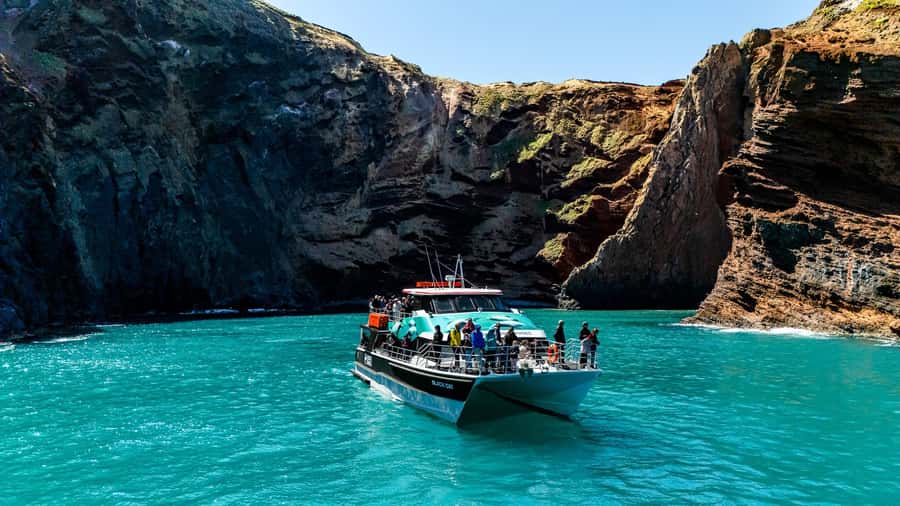
Akaroa is one of those places where nature feels close, because the harbour is ringed by cliffs made from ancient volcanic action. This 2-hour cruise is designed around that idea: you move through the harbour and surrounding waters long enough to have multiple spotting opportunities, but not so long that it turns into a slog.
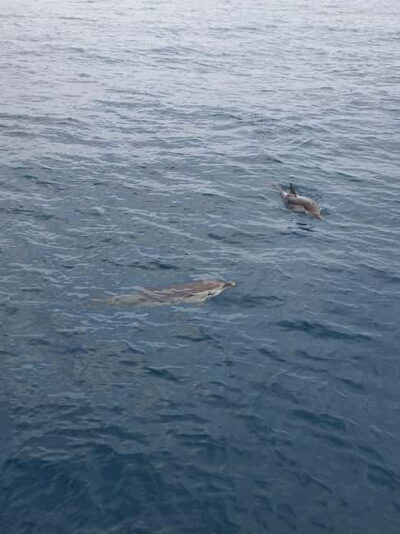
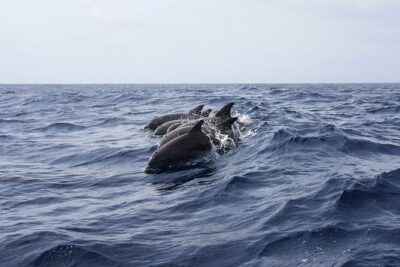
The headline is Hector’s dolphin viewing. These are the world’s smallest dolphins and they’re rare, which is exactly why people plan their South Island days around Akaroa. You may see them surface and travel near the boat, and if you’re into photography, this is the kind of trip where you’ll start checking the water constantly.
You’ll also pick up other wildlife along the way: New Zealand fur seals lounging near rocks, little penguins in the mix when conditions line up, and seabirds such as albatross and cormorants. The best part for most people is that the cruise doesn’t treat wildlife like a checklist—it frames it as part of the harbour ecosystem.
That said, keep expectations realistic. One review example made it clear: even when the crew works hard, you can end up with fewer dolphin sightings on a given day. So think of this as a high-chance nature trip, not a guarantee.
You can also read our reviews of more tours and experiences in Akaroa.
Meet at Main Wharf and find the best viewing spot fast
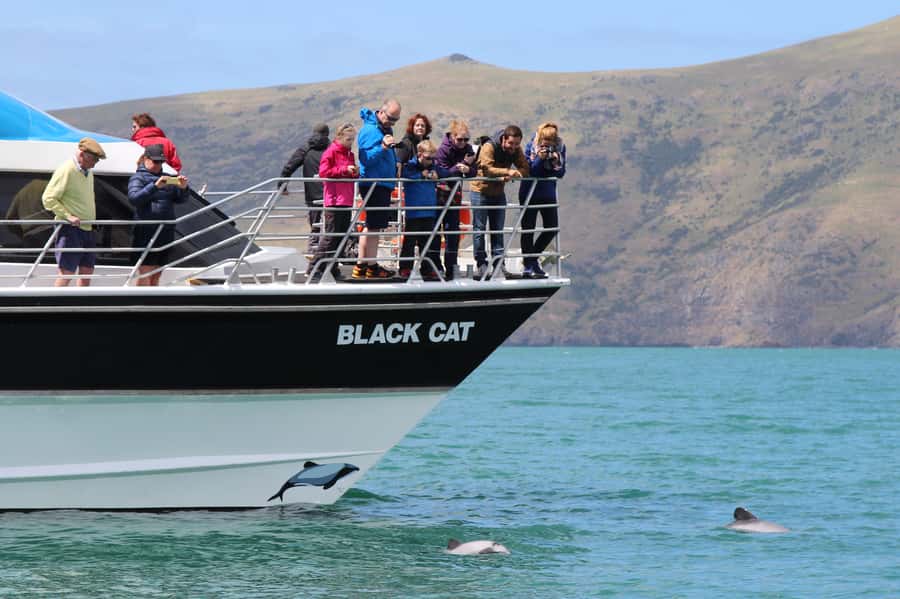
Your departure is simple: Main Wharf in Akaroa. If you’re coming from Christchurch, you’re looking at roughly an 80–90 minute drive via Banks Peninsula. If you’re on a cruise ship, the tendering lines up well with the wharf, so you can get straight into the action without hunting for a bus or a far-off meeting point.
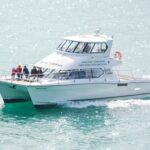
Once aboard, the catamaran setup matters. You get two open decks for wide views and easy spotting, plus covered seating for shade and shelter when the weather shifts. That’s a big deal in the harbour, because you’ll want to move with the skipper’s narration—especially when dolphins surface away from your first sightline.
A couple of practical notes that affect your experience more than you might think:
- The boat has onboard toilets, and it’s equipped for comfort and safety.
- The vessel is described as family-friendly thanks to high rails, so it’s a calmer choice if you’re traveling with kids.
- There’s a fully licensed bar if you want something extra during the cruise.
If you’re sensitive to motion or you’re traveling with someone who is, aim for a spot that feels stable for you. The sailing is on the water around cliffs and harbour conditions can vary, so it helps to choose your seat with comfort first and viewing second.
The volcanic scenery: sea cliffs, sea caves, Scenery Nook, and Nikau Palm Gully
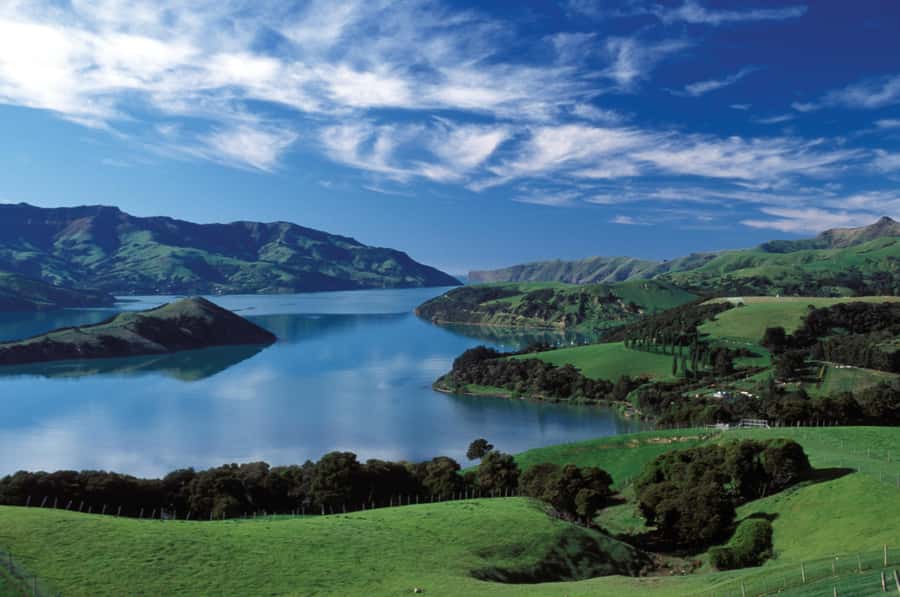
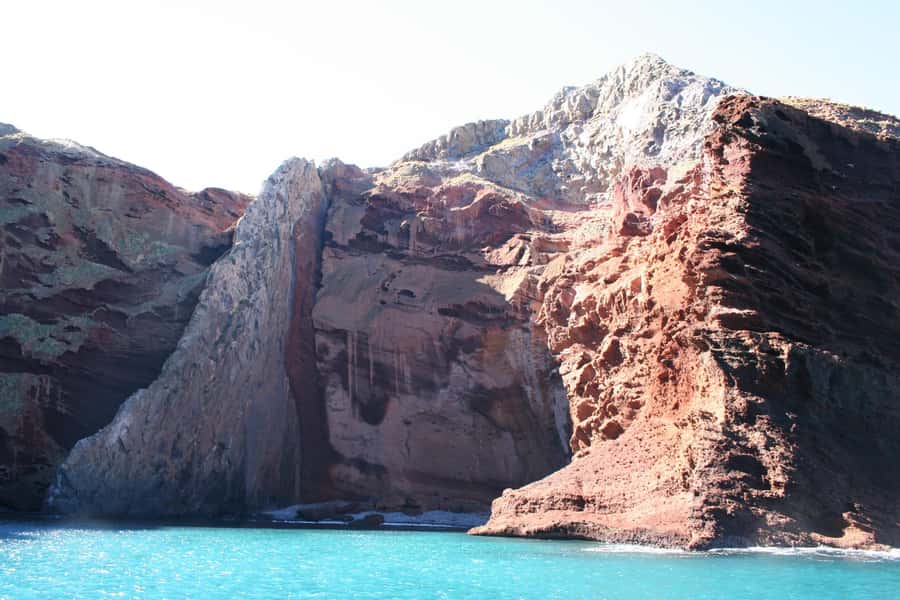
This is not just a dolphin cruise; it’s a geology cruise with wildlife as the bonus. You’ll travel through dramatic volcanic terrain—tall sea cliffs shaped by ancient lava flows—and you’ll see places that look like the harbour was carved by time itself.
One of the most talked-about features is Scenery Nook, described as an amphitheatre of pink, purple, and red volcanic rock. It’s the kind of visual that makes you stop watching the horizon for a moment and start photographing the rock faces. If you like color in your travel photos, this is where Akaroa delivers.
You’ll also hear about the harbour’s cliff faces, including references to sheer drops that can reach about 500 feet in places. Even if you’re not a geology person, it helps to have the narration because it explains why the harbour looks the way it does—how volcanic activity shaped channels, caves, and cliff edges where marine life gathers.
Another stop-like highlight is Nikau Palm Gully, noted for containing what’s described as the southernmost native nikau palms in the world. When you see palms in a cool-climate setting like this, it makes the area feel even more unique. It’s also a useful reminder that Akaroa isn’t just ocean—it’s land meeting water at the edge of a volcanic landscape.
In addition, the cruise takes you past places people remember for the rock formations and sea caves. You might hear about features like Cathedral and Elephant Rocks, and you’ll likely spot smaller coves and cave entrances during the route—exactly the sort of places where seabirds and seals use the waterline.
Wildlife spotting: dolphins, fur seals, penguins, and seabirds
The cruise is built around repeated chances to see wildlife. On a 2-hour outing, that means you’ll be moving through areas where sightings are most likely rather than just drifting in one spot.
Hector’s dolphins
This is the main draw. Hector’s dolphins tend to be smaller and more elusive than bigger species, which is why the local skipper’s experience matters. The boat’s route is designed to put you in the right places when dolphins are active, so you’ll want to stay on the lookout even when you think you’ve just missed them.
New Zealand fur seals
Fur seals are often easier to spot because they like predictable resting spots. Expect them near the rocky edges and sometimes around spots that look like they’d be convenient landing zones. If you like animal behavior, keep an eye out for pups and how seals move between water and rock.
Little penguins
Little penguins are listed as a possible sighting. Because penguins are smaller and their activity can shift with time of day and conditions, they aren’t always visible on every cruise. Still, it’s a great reason to book because Akaroa is one of the more realistic places in New Zealand to hope for them on a short water outing.
Seabirds: albatross and cormorants
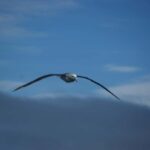
Seabirds often give you a sense of what’s happening in the water below. Albatross and cormorants can show up around cliffs and along the harbour, and watching them helps you read the coastline while you wait for dolphins.
One smart tip: don’t just stare at open water. Turn your head between the surface and the rock edges. The dolphin spotting might happen out front, but the seals and birds often reveal themselves near cliffs and sheltered pockets.
Skipper narration that makes the harbour feel personal
If you’ve ever been on a tour where the guide talks at the front and everyone else just catches a few words, you’ll appreciate how this cruise is set up. The skipper and nature guide provide commentary throughout, sharing what’s happening in the water and why the harbour looks the way it does.
You’ll hear stories that connect Maori and European history with the harbour’s volcanic origins. That turns a ride into something that sticks after you’re back on land.
Several guide names come up in people’s experiences, including Rob and Steve. Others also mention staff such as Julian and Brie. You’ll want to listen for the practical explanations: what you’re seeing, how the cliffs formed, and how wildlife uses this coastline.
There is one consideration: one review highlighted that extra speakers at the back can mean you don’t catch everything everywhere on the boat. So if you care about the story part as much as the wildlife, try to choose a seat where you can hear clearly.
What to bring (and wear) for comfort on the water
The weather in Akaroa can be tricky in a very normal way. Even when it’s warm on shore, a cool sea breeze can hit you once you’re out on the water. So pack for “temperature downshift,” not just for the sun.
Here’s what makes the biggest difference:
- Warm layers (even in warm months)
- A hat and sunscreen (cloudy days still reflect light off the water)
- Your camera ready for fast, sudden sightings
If you’re traveling with kids, the boat’s high rails are meant to make it safer for younger passengers, but supervision is still required at all times. It’s a good family activity because it’s educational without being boring, and the short duration helps keep energy levels manageable.
For motion sensitivity, plan like a realist: you’ll be happier if everyone is dressed for comfort and has a plan for staying seated and hydrated. Even when conditions are calm, a harbour cruise can still feel different than being on land.
Price and value: is $71 worth it for a 2-hour cruise?
At $71 per person for a 2-hour outing, you’re paying for three things at once: access to the water, expert guiding, and a chance to see New Zealand’s rare marine wildlife close up.
What you get for the money looks solid:
- The cruise is positioned as award-winning
- You’re on a modern catamaran with both open viewing decks and covered seating
- You get onboard narration focused on wildlife and the harbour’s geology and history
- Tea and coffee are complimentary, and the tour also advertises hot chocolate plus a free postcard
The value is strongest if you want one activity that covers multiple interests: wildlife, coastal geology, and local storytelling. It’s also a smart “time math” option. Two hours lets you slot it into a day without sacrificing the rest of Akaroa.
Where the price logic can shift is if your trip timing is awkward or you’re unlucky with wildlife conditions. Dolphins are the target, and even great crews can’t control animal movement. If you can handle a little unpredictability, this is a good spend for a short, scenic day.
Should you book the Akaroa dolphin nature cruise?
Book it if:
- You really want a shot at Hector’s dolphins plus seals, penguins (if conditions allow), and seabirds in one easy outing
- You care about why the harbour looks the way it does, not just that you saw animals
- You want a comfortable 2-hour option from Christchurch’s orbit (or from a cruise ship tender)
Skip or double-check if:
- You rely on very specific wheelchair access needs, since the notes include limited wheelchair-friendliness on the onboard toilets and getting the best experience can vary with mobility
- You need guaranteed wildlife viewing (this is nature viewing, so conditions matter)
- Hearing the guide is essential for your enjoyment and you know you struggle with sound depending on seat location—choosing where you sit is your best defense
If you like the idea of combining rare New Zealand marine life with volcanic Akaroa scenery and a real local skipper’s story, this cruise is a very reasonable choice. It’s short enough to stay fun, and structured enough that you’re not just hoping for luck—you’re actively in the right place at the right time.
FAQ
Where does the cruise depart from?
The meeting point is Main Wharf, Akaroa, New Zealand.
How long is the Akaroa Harbour 2-hour Dolphin Nature Cruise?
It lasts 2 hours.
What does the cruise cost?
The price is listed as $71 per person.
What wildlife might I see on this cruise?
You can expect chances to see Hector’s dolphins, New Zealand fur seals, little penguins, and seabirds such as albatross and cormorants.
Is there commentary during the cruise?
Yes. You’ll have engaging English commentary from the skipper and nature guide.
Is there food or drink included?
You get complimentary tea and coffee (the highlights also mention hot chocolate), and the cruise includes a free postcard.
Is the boat comfortable for viewing?
Yes. The catamaran has two open decks for panoramic views and covered seating for comfort.
Is there a bar onboard?
The vessel has a fully licensed bar with refreshments available.
How is the weather handled and what should I wear?
Wear warm clothing, because there can be a cool sea breeze even on warm days. Bring sunscreen and a hat as well.
Is the cruise suitable for wheelchair users?
Wheelchair access is listed as accessible, with ramps enabling getting on and off, but the onboard toilets are not wheelchair friendly, and the notes also include wheelchair limitations. If accessibility is a key concern, check details before booking.