REVIEW · AKAROA
Akaroa: Swimming with Wild Dolphins Experience
Book on GetYourGuide →Operated by Black Cat Cruises · Bookable on GetYourGuide
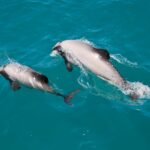
Hector’s dolphins are the main event. In Akaroa Harbour, you get a rare chance to swim with Hector’s dolphins in the company of a crew that focuses on conservation rules, not crowd tricks. The trip also pairs dolphin time with harbour wildlife and volcanic-cliff views.
I especially like two things: the dolphin etiquette briefing before you even touch the water, and the tight 12-swimmer limit that keeps the experience calm. In recent trips, crew such as Charlotte and Chris were praised for being clear, upbeat, and practical, including the how-to of staying respectful when dolphins choose to come close.
One consideration: a dolphin swim isn’t guaranteed, and there are no life jackets provided. You’ll need a basic swimming level and comfort floating and swimming up to about 50 metres, even if conditions and dolphin behavior decide how the day goes.
In This Review
- Key highlights to know before you book
- Akaroa Harbour + Hector’s dolphins: why this swim feels so special
- The 3.5 hours on the water: the rhythm of the trip
- Safety and swim requirements: what you must be comfortable with
- Small-group sailing in Akaroa: why 12 swimmers matters
- Wildlife you can spot besides dolphins (and what’s realistic)
- What you wear, what you get, and what to bring
- Price and value: is $123 worth it?
- Who should book this Hector’s dolphin swim in Akaroa (and who might not)
- My booking advice: when the dolphin swim is most likely to feel worth it
- Should you book Black Cat Cruises’ Hector’s dolphin swimming experience?
- FAQ
- Where do I meet for the Akaroa swimming with Hector’s dolphins experience?
- How long is the experience?
- How many swimmers are on each vessel?
- Is the dolphin swim guaranteed?
- What happens if I don’t see any dolphins?
- Is there a life jacket provided?
- How far do I need to swim between the boat and where I enter the water?
- What swimming gear is included, and what should I bring?
- Are children allowed, and are minors supervised?
- How does booking work if I’m not swimming?
Key highlights to know before you book
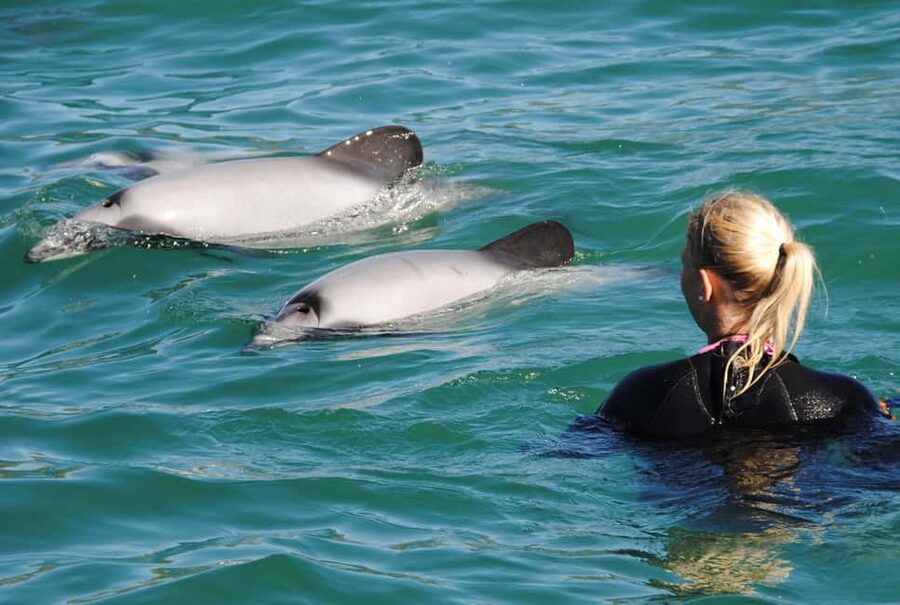
- Hector’s dolphins in Akaroa Harbour: world’s smallest dolphins, guided around real wild behavior
- Pre-water rules that actually help: you’re taught how to swim near dolphins without feeding or touching
- Only 12 swimmers per vessel: a smaller group usually means less chaos in the water
- Wildlife beyond dolphins: New Zealand fur seals and marine birds, with volcanic cliffs from the boat
- Photo support from the crew: guides endeavour to take pictures for you to download after the swim
- Comfort extras included: premium wetsuit gear plus hot showers, lockers, and hot chocolates
Akaroa Harbour + Hector’s dolphins: why this swim feels so special
Akaroa sits in a harbour that’s shaped by ancient volcanic activity, so the scenery from the water has that steep, craggy feeling. That matters because Hector’s dolphins don’t show up as a staged performance. They’re wild, local residents, and they move according to their own instincts.
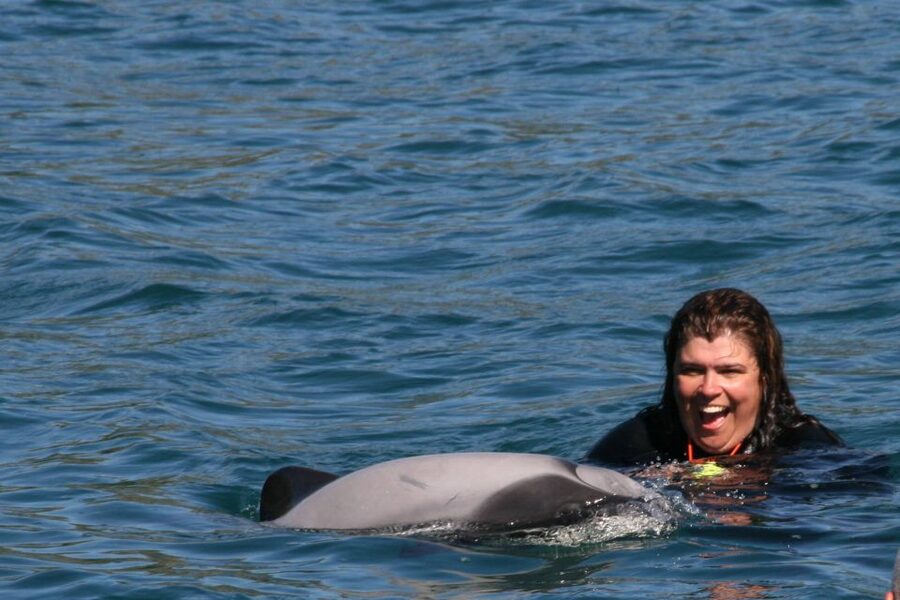
Hector’s dolphins are the star for good reason. They’re rare, and they’re also the world’s smallest dolphin species. That combination makes the experience feel more personal than typical big-ocean dolphin tours where you may never get close—or never get the chance to swim at all.
What I like about this setup is the conservation focus baked into the experience. The crew doesn’t just say don’t touch. You’re briefed on how to be near dolphins while respecting their behavior, including the explicit rules of not feeding or touching them. In a place like Akaroa, that kind of discipline makes a difference for both the animals and your odds of a good swim.
You can also read our reviews of more tours and experiences in Akaroa.
The 3.5 hours on the water: the rhythm of the trip
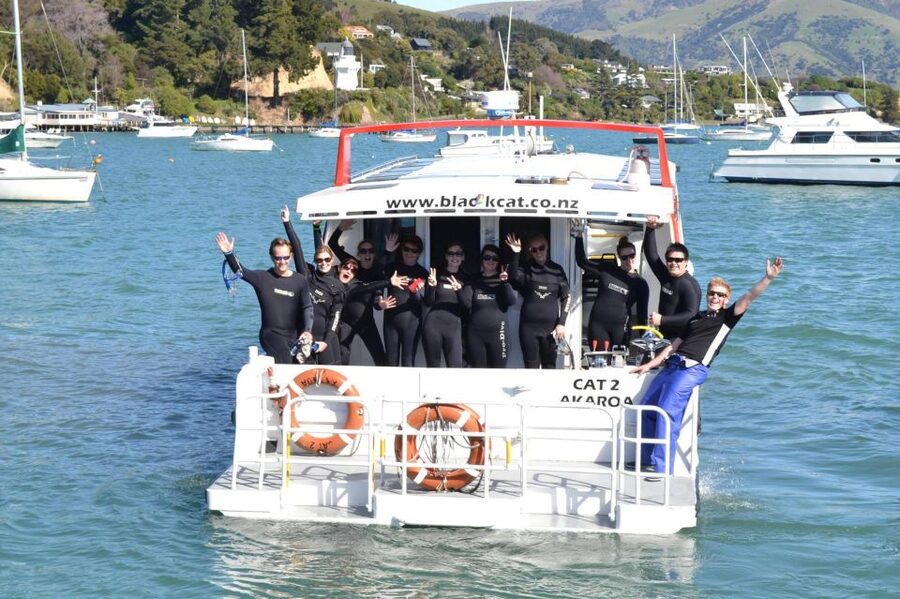
This is a 3.5-hour outing, usually run in both the morning and afternoon. The time on the water isn’t just “sit and wait.” It flows in a way that helps you get from gear-up to safety to wildlife spotting without feeling rushed.
Here’s the typical rhythm you should expect:
You start at the Black Cat Cruises office (the meeting point). Then you get fitted with the included gear—premium 5mm wetsuits, plus snorkel-style swim items like goggles, gloves, and booties. Onboard you’ll have toilets, which sounds minor until you’re standing in a harbour town looking at the clock.
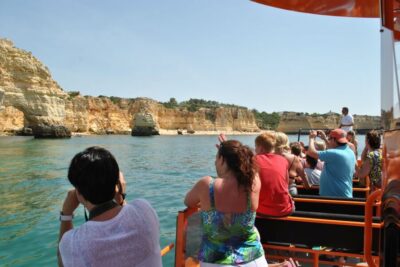
Next comes the safety briefing and the dolphin swim preparation. This is where the guide does something smart: they set your expectations and show you how to act once you’re in the water. From there, you head out for harbour commentary from the skipper and nature guide. This is also where you can start spotting wildlife from the boat—New Zealand fur seals and marine birds—before you ever get wet.
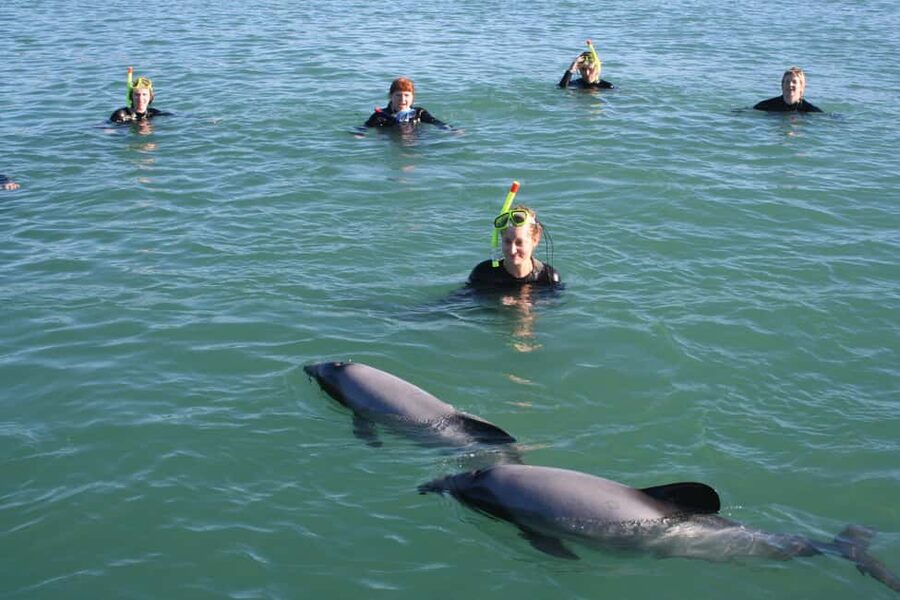
Then, if the dolphins come into the right area, you’re in the water with a swim guide. You get a max time allowance for time around dolphins (45 minutes) as permitted by the New Zealand Department of Conservation. The limit is there for a reason: it helps keep the interaction within sensible boundaries.
Finally, you warm up. Hot showers, lockers, and changing rooms are part of the experience, and you’ll get hot chocolates and cookies during the trip to take the edge off the chill. The crew endeavours to take photos of you while you’re swimming, with photos available afterward for download.
Safety and swim requirements: what you must be comfortable with
This is not a casual float-and-wait. The rules are clear, and you should treat them seriously.
First, there are no life jackets or swimming aids provided. That means you need to be able to swim and handle time in the water. You’ll also be floating and required to swim to and from the boat, with distances up to around 50 metres.
That floating part is important. A lot of people can swim comfortably in a pool and still feel awkward in open water, especially with cold temps. Here, the wetsuit helps, but it doesn’t magically remove the need for comfort. If you’re even slightly unsure, do a reality check before you book.
Second, English helps because safety instructions and emergency procedures are delivered in English. If you don’t speak English, you should be able to read and understand the safety information on the materials, and you should be confident communicating with the crew using pre-agreed hand signals in an emergency.
Third, there are boundaries around dolphin time. You won’t spend hours trying to force an encounter. There’s a controlled dolphin interaction window—45 minutes is the max allowed. That can feel short if you’re imaging endless dolphin time, but it also helps explain why the experience works and why it’s conservation-led.
Small-group sailing in Akaroa: why 12 swimmers matters
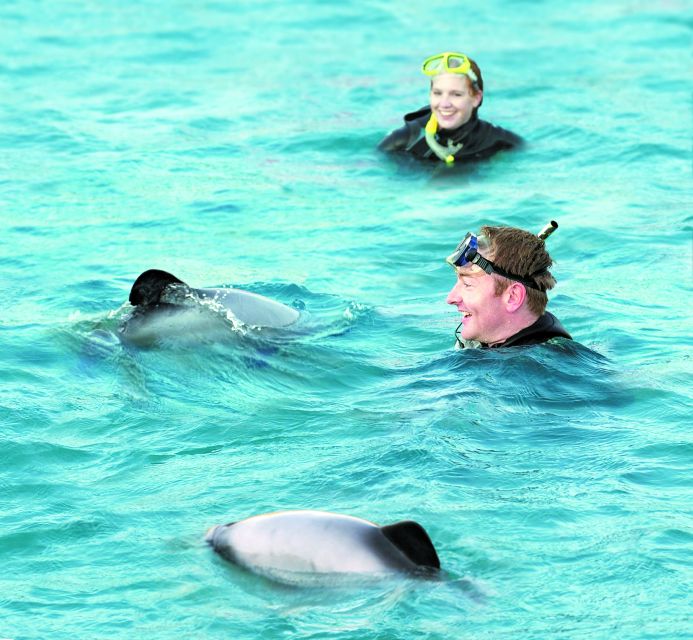
On a wildlife swim day, crowd pressure is the enemy. Too many people in the water can mean too much splashing, too much uncertainty, and not enough calm for the dolphins to feel safe.
This tour keeps numbers down: 12 swimmers per vessel. That limit is more than a brag. It directly affects your personal experience—less time waiting, fewer swimmers competing for the same moment, and a more manageable in-water situation when dolphins appear nearby.
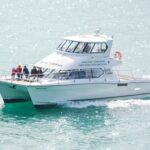
The crew structure also matters. You’re on a specially designed vessel with both a skipper and a nature guide. People have specifically praised crew members such as Harry, Thomas, Nicole, and a local skipper named Drex for being both fun and informative. Even if you don’t care about names, the takeaway is what matters for you: you’re not just watching from the deck; you’re being actively guided, including in the water.
And if you’re the type who wants proof you were there, the photo efforts help. The crew will endeavour to take photos while you’re in the water, and multiple recent participants described getting photos soon after returning to shore. That’s a nice value add because it reduces the temptation to buy overpriced extras elsewhere.
Wildlife you can spot besides dolphins (and what’s realistic)
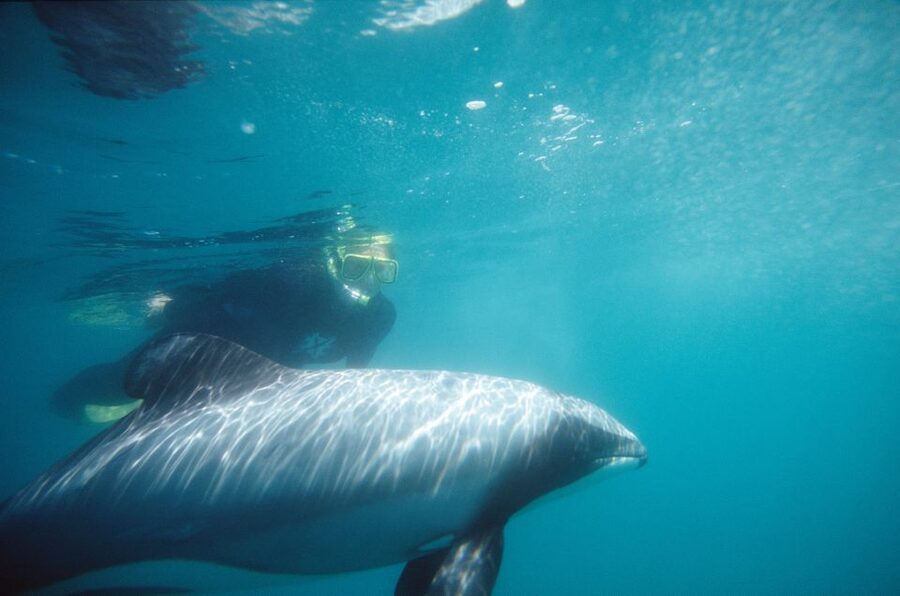
The dolphins are the headline, but the harbour wildlife is part of the point. Even when dolphins don’t show up for a swim, you’re usually still looking at a living ecosystem.
From the boat, you may see:
- New Zealand fur seals hauled out or swimming in the harbour
- Marine birds that use the area for feeding and resting
- Volcanic cliffs and coastline views that help you understand why this harbour is so important
Recent accounts also included surprises like an albatross chick landing close to the water, plus sightings such as a white-flippered penguin and a seal. Those aren’t promised, but they show the kind of wildlife density Akaroa can deliver when conditions align.
Here’s my practical advice: go in knowing you’re not only buying a dolphin swim. You’re buying a harbour wildlife experience with conservation rules. That mindset makes the day more satisfying because you’re not counting on one single outcome.

What you wear, what you get, and what to bring
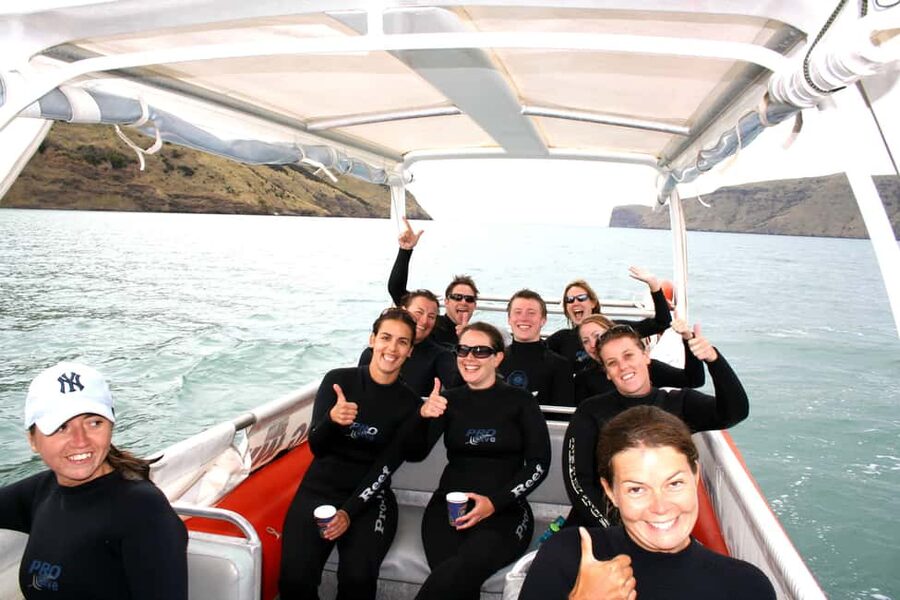
This trip is bundled well for comfort. You don’t have to hunt down wetsuit gear or figure out fit at the last minute.
Included swim gear:
- Snorkel/appropriate swim items like snorkel-style gear (as provided for the experience)
- Booties, gloves, and a wetsuit (premium 5mm wetsuits)
- Goggles hire
Facilities and warmth:
- Onboard toilets
- Hot showers afterward
- Lockers and changing rooms (private male and female changing rooms)
Food warmth:
- Hot chocolates and cookies to keep your energy up
What you must bring:
- A towel for the hot showers afterward (you don’t want to finish cold and then realize you’re not drying off)
One more thing: because no life jackets are provided, clothing and comfort matter even more. Your wetsuit fit should be snug enough to keep you warm but not so tight you feel trapped. If you’re prone to getting cold easily, the 5mm wetsuit is your friend—multiple participants described the suits as warm and comfortable.
Price and value: is $123 worth it?
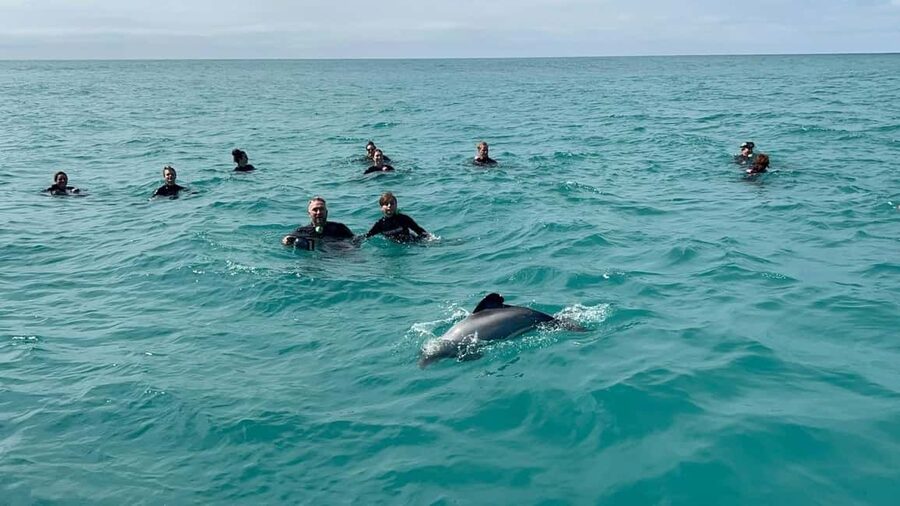
At $123 per person for 3.5 hours, you’re paying for a lot that’s not typical “nature cruise only” pricing.
You’re getting:
- Access to a dolphin swimming experience centered on Hector’s dolphins (rare and small)
- A skipper and nature guide guiding the boat and the in-water part
- A small group size (12 swimmers)
- Included wetsuit gear (5mm suit plus goggles, gloves, booties)
- Warm drinks and cookies
- Hot showers, lockers, and private changing rooms
- A crew that endeavours to take photos
The main value risk is the one you should respect: dolphin swims are not guaranteed. If you don’t see dolphins, the operator offers an alternative—an Akaroa Nature Cruise is mentioned as the complimentary option in the unlikely event. If you do see dolphins but the swim doesn’t happen, the stated policy says no refunds are provided for unsuccessful swims.
Still, you can also read the room from recent participant stories. People reported that the crew tried to make it fair when swimming didn’t happen, including discounts in some cases and a cruise alternative in others. I can’t promise a specific compensation outcome every day, but I do think it’s fair to say this operator tries to handle disappointment with options rather than leaving you with just a shrug.
So is it worth $123? If you can swim comfortably in open water and you want the rare chance to get in the water with Hector’s dolphins, the value is strong because the experience is structured, guided, and bundled with gear and comfort extras.
Who should book this Hector’s dolphin swim in Akaroa (and who might not)
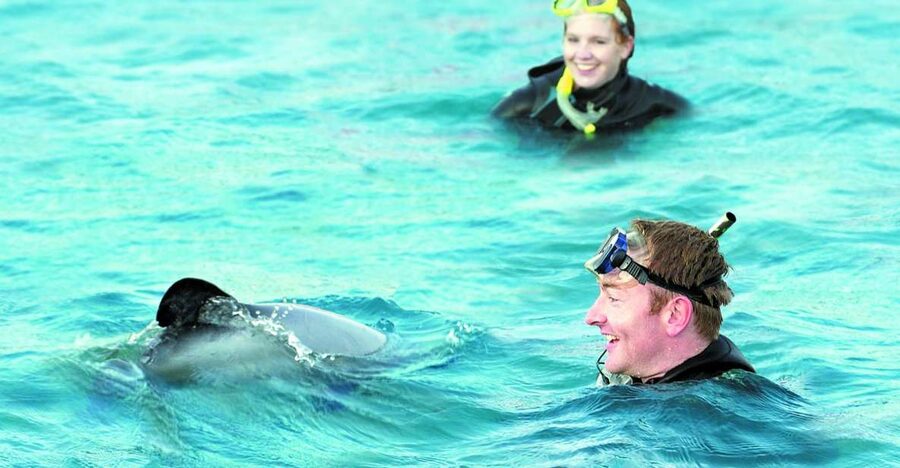
This one fits best when you’re a willing swimmer, not just a scenery hunter.
You’ll likely love it if you:
- Can swim and feel comfortable floating and moving to/from the boat (up to around 50 metres)
- Don’t mind cold water, or at least trust the included wetsuit setup
- Want a smaller group experience with real guidance in the water
- Are excited about conservation-led wildlife interactions
You might want to reconsider if:
- You can’t swim comfortably without a life jacket
- You’re not able to follow safety instructions and emergency procedures (English is the stated language)
- You’re traveling with children who are not eligible for the rules on age and supervision
Children notes are straightforward: unaccompanied minors aren’t allowed. Kids must be 8 or older, and children aged 8 to 12 need an adult swimmer with them. If you’re bringing family, that adult-swimmer requirement is the big practical detail to plan around.
If you’re not swimming yourself, there’s a booking path for that too. You’ll add an observer ticket if you’re traveling with someone who swims. If no one in your party is swimming, you’ll be directed toward a different harbour cruise option rather than this swim experience.
My booking advice: when the dolphin swim is most likely to feel worth it
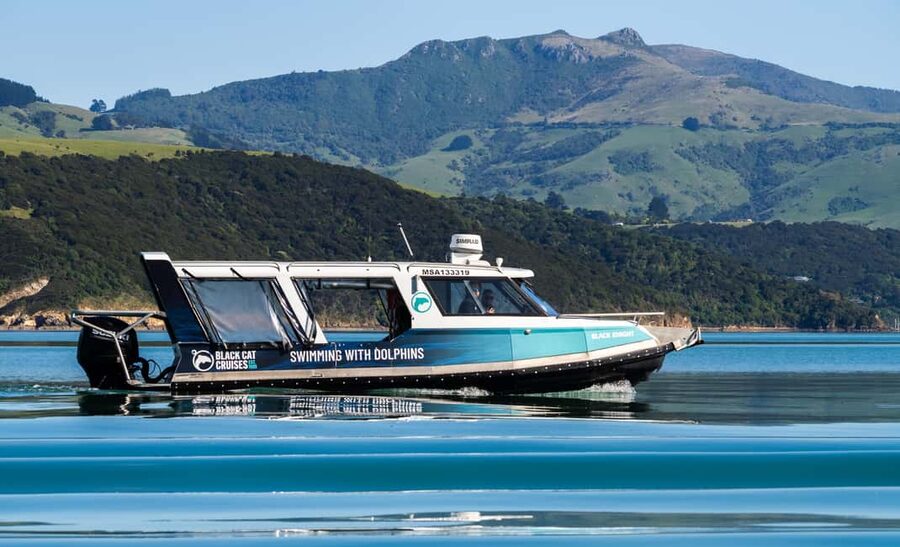
Here’s how I’d decide.
Book this swim when you truly want the in-water part, not just dolphin spotting. It’s the swim that turns Akaroa into a story you tell for years.
Also, plan to be mentally flexible. The dolphins are wild, and the crew can’t manufacture closeness. Your job is to be calm, follow instructions, and let the animals decide. When you do that, you maximize your chances of a great interaction without stressing the ecosystem.
Finally, give yourself buffer in scheduling. You’ll drive from Christchurch (about 90 minutes from the city or airport), and you’ll want to be there early enough to get fitted, briefed, and ready.
Should you book Black Cat Cruises’ Hector’s dolphin swimming experience?
If you’re comfortable swimming in open water, love guided wildlife experiences, and specifically want Hector’s dolphins in Akaroa, I think this is a strong yes. The small group size, guided dolphin etiquette, included wetsuit gear, and warm comfort extras add real value beyond the animal encounter.
If you’re unsure about swimming ability or cold-water comfort, you’ll likely enjoy the harbour as an observer instead of forcing the swim. And if you’re booking with the mindset that a swim is guaranteed, adjust expectations now—because this is about wild dolphins, and the day can shape itself around them.
FAQ
Where do I meet for the Akaroa swimming with Hector’s dolphins experience?
You meet at the Black Cat Cruises office.
How long is the experience?
It lasts about 3.5 hours.
How many swimmers are on each vessel?
The experience is limited to 12 swimmers per vessel.
Is the dolphin swim guaranteed?
No. This is a nature-based experience with wild dolphins in their natural environment, so swims are not guaranteed.
What happens if I don’t see any dolphins?
If you don’t see dolphins, the operator offers a complimentary Akaroa Nature Cruise.
Is there a life jacket provided?
No. Life jackets or swimming aids are not provided, so you must be able to swim.
How far do I need to swim between the boat and where I enter the water?
You’ll need to swim to and from the boat, with distances up to about 50 metres.
What swimming gear is included, and what should I bring?
Included gear includes a snorkel, booties, gloves, and a wetsuit. You should bring a towel for the hot showers afterward.
Are children allowed, and are minors supervised?
Unaccompanied minors are not allowed. Children must be 8 or older, and children aged 8 to 12 must be accompanied by an adult swimmer.
How does booking work if I’m not swimming?
If you’re traveling with someone who is swimming, you should add an observer ticket. If no one in your party is swimming, you should book the harbour nature cruise instead of this swim experience.