REVIEW · ALGARVE
Algarve Dolphin Watching & Marine Life Eco Tour
Book on GetYourGuide →Operated by Formosamar · Bookable on GetYourGuide
Dolphins off Faro feel close. This Algarve dolphin-watching eco trip runs from Ria Formosa out toward the open ocean near Europe’s most southerly point, with a nature guide spotting what you can’t easily see on your own.
I really like the live commentary as you travel from calm lagoon waters to the bigger sea, and I also like that the guide shares local knowledge on fauna and flora as you scan the horizon for common and bottlenose dolphins.
One thing to plan around: wildlife isn’t guaranteed, and the exact routes offshore depend on weather and tides—so this is best with flexible expectations.
In This Review
- Key takeaways before you go
- Why Ria Formosa and Santa Maria Cape make dolphin spotting realistic
- The RIB boat experience: safety, speed, and how the 2.5 hours work
- Stop-by-stop: what happens at Ria Formosa, Ilha do Farol, and the “secret stop”
- 1) Parque Natural da Ria Formosa: scenic start and the first wildlife cues
- 2) The longer cruise toward Santa Maria Cape and open sea
- 3) Ilha do Farol: sightseeing plus wildlife scanning
- 4) The “secret stop”: the part you hope for
- 5) Culatra Island: where the tour winds down
- What to look for: seabirds, dolphins, turtles, and other surprises
- Seabirds often show you where to focus
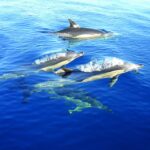
- Dolphins you’re aiming for: common and bottlenose
- Other marine life the route may turn up
- Price and value: is $64 worth a 2.5-hour RIB eco tour?
- Comfort note that affects value
- Who this tour suits best (and who should think twice)
- Practical tips that make dolphin watching easier
- Should you book this Algarve Dolphin Watching & Marine Life Eco Tour?
Key takeaways before you go
- Ria Formosa to 10–12 miles offshore: calm-to-open-sea change of scenery that helps keep the day fun even when wildlife is shy.
- Certified nature guide + live onboard commentary: you get explanations while you’re actually searching, not after the trip ends.
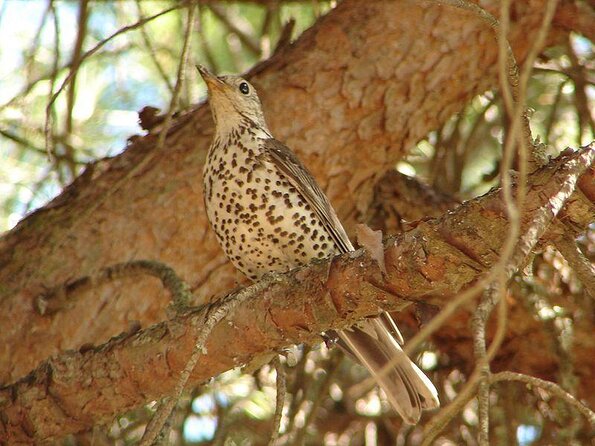
- Seabirds are your clue: gannets, shearwaters, gulls, and storm petrels often signal where marine life is feeding.
- A “secret stop” for wildlife viewing: the schedule includes time for extra searching, not just straight sightseeing.
- Eco-minded approach: this operator is described as a marine-life conservation supporter, which fits the area’s protected nature zones.
- If you’re tall, double-check comfort: some seating can feel tight on a RIB, so bring realistic expectations.
Why Ria Formosa and Santa Maria Cape make dolphin spotting realistic
This tour is built around a place where life gathers for reasons you can feel once you’re out there. You start in the Parque Natural da Ria Formosa, a protected system of barrier islands and calm water. Then you head farther offshore, up to about 10 or 12 miles, toward the open sea near Santa Maria Cape, described as Europe’s most southerly point.
That “lagoon first, ocean second” pattern matters. In protected water, you’re more likely to see seabirds gliding and hear the boat crew point out small details—birds, boats, currents. Out farther, where the water opens up, you get the better shot at cetaceans that roam with less predictable timing.
And you’re not only hunting dolphins. The guide will help you watch for a wider set of marine wildlife—so even if your dolphins don’t show up in the first stretch, the trip still has things happening.
You can also read our reviews of more tours and experiences in Algarve.

The RIB boat experience: safety, speed, and how the 2.5 hours work
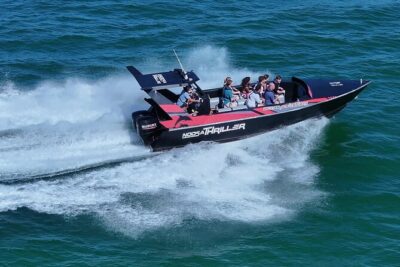
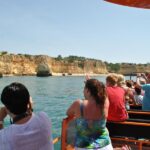
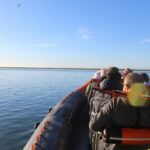
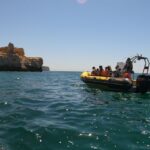
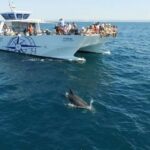
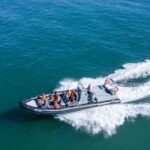
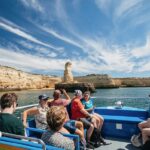
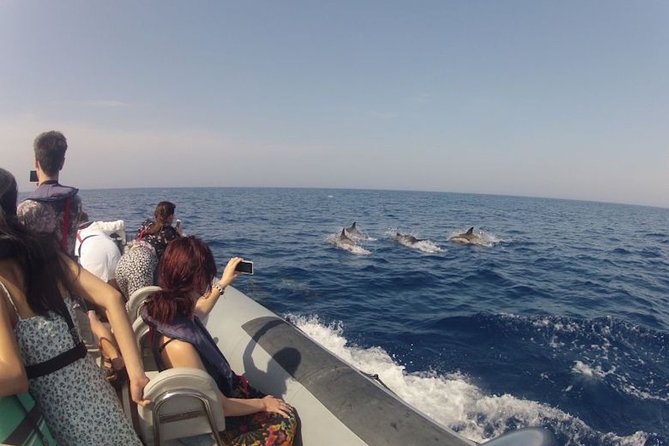
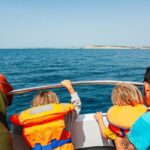
You’ll travel on a comfortable and safe RIB (rigid inflatable boat). Expect a quick, lively ride more than a slow cruise—great for reaching offshore waters, but it also means you should dress for wind and spray. Life vests are included, and there’s a safety briefing early on, before you really start scanning.
The total ride time is about 2.5 hours, but the day can flex. The schedule notes that departure/arrival times and activity length may change due to weather, tides, and security decisions. In plain terms: if the guide finds active wildlife, you may spend a bit more time with it.
There’s also an open-air waiting area for check-in. Since hotel pickup isn’t included, you’ll want to arrive on time (the plan says check in at least 10 minutes early). The meeting point is at the Boat Tours Store, on the ground floor of the building of Ginásio Clube Naval de Faro (Nautical Club of Faro), and the local meeting reference is Formosamar – Boat Tours Passeios na Ria Formosa.
Stop-by-stop: what happens at Ria Formosa, Ilha do Farol, and the “secret stop”
Here’s how the rhythm usually plays out, and why each part is worth your attention.
1) Parque Natural da Ria Formosa: scenic start and the first wildlife cues
You begin near Parque Natural da Ria Formosa, with a short segment for safety briefing and scenic cruising. This is the “get your bearings” phase. You’ll likely notice seabirds first—because they’re often easier to spot than a dolphin at the surface. The guide uses this time to set the rules of spotting and explains what you’re looking for.
If you’re hoping to get photos quickly, this is the moment to find your best viewing angle. When the boat turns toward more open water, everyone shifts positions, and you’ll want to already know where the viewing side feels best.
2) The longer cruise toward Santa Maria Cape and open sea
After the initial natural-park stretch, you’ll continue cruising through calm-to-more-open waters. The tour route is described as passing by barrier islands and heading toward offshore waters where cetaceans might appear.
This is also where live commentary becomes more than background noise. The guide is actively pointing out local wildlife context—what those birds might mean, what kinds of marine animals you should look for, and how the coastline and islands shape animal movement in the area.
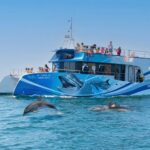
3) Ilha do Farol: sightseeing plus wildlife scanning
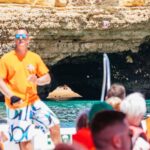
You’ll reach Ilha do Farol during the cruise. Think of this stop as a photo-friendly waypoint and another chance for the guide to reset your scan pattern. You’ll have sightseeing and pass-by views, and wildlife viewing can happen in this phase as well.
Even if you don’t see dolphins immediately, it helps to treat these stops as “search windows.” Dolphins are not on a timetable, and the guide’s job is to use the day’s conditions and sight lines to keep the odds high.
4) The “secret stop”: the part you hope for
The day includes a secret stop designed for guided wildlife viewing. This is where the tour leans hardest into dolphin watching and broader marine-life spotting, with time allocated for scanning offshore. The plan lists the possibility of dolphin watching and whale watching here, plus wildlife viewing.
The key thing to remember: marine encounters can’t be fully guaranteed. So I like this structure because it doesn’t rely on one single magic moment. Instead, it gives the guide time to search, then returns you to calmer waters once the offshore window passes.
5) Culatra Island: where the tour winds down
Finally, you pass by Culatra Island and then head back toward Ria Formosa to end the tour. This “return trip” phase is often when you can see how much of the morning/afternoon was about reading the sea. You also usually get a calmer end-of-tour feeling, since you’re back closer to the protected system.
What to look for: seabirds, dolphins, turtles, and other surprises
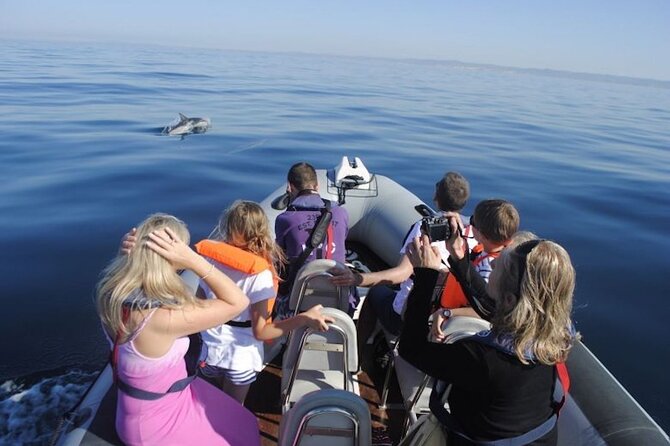
Dolphins can appear fast and disappear faster. The best way to enjoy this kind of tour is to shift from “counting sightings” to “watching patterns.”
Seabirds often show you where to focus
Seabirds are a constant feature of this route, including Northern Gannet, Balearic Shearwater, Mediterranean Gull, and Storm Petrels. You’ll also see seagulls around fishing boats, and the guide will help you interpret why birds gather where they do.
When you’re scanning, pay attention to sudden changes: birds that start flying low, birds that cluster, or birds that behave like they’re reacting to something just under the surface. That’s when the guide is most likely to call for a dolphin check.
Dolphins you’re aiming for: common and bottlenose
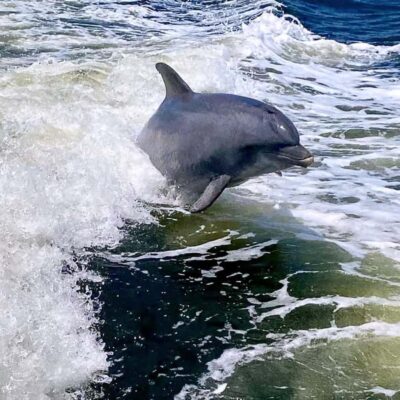
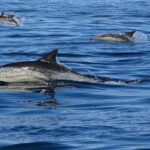
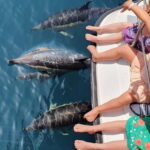
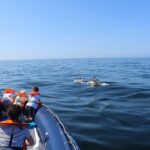
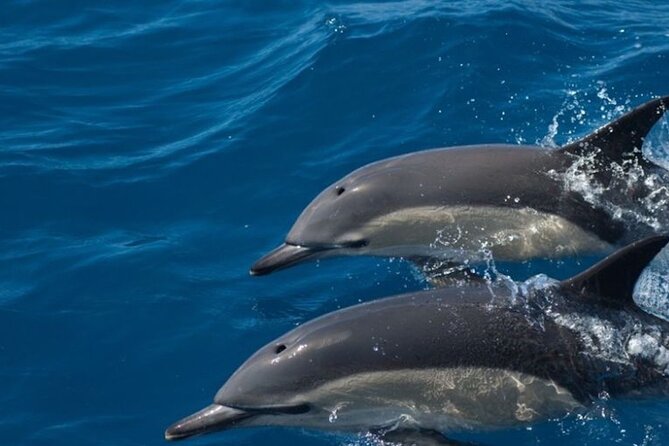
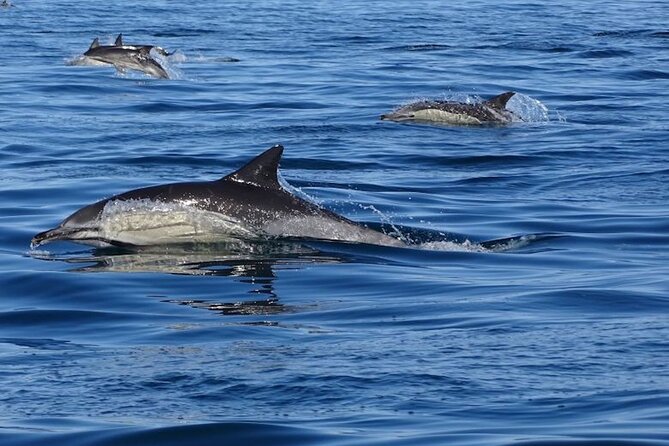
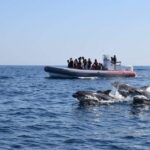
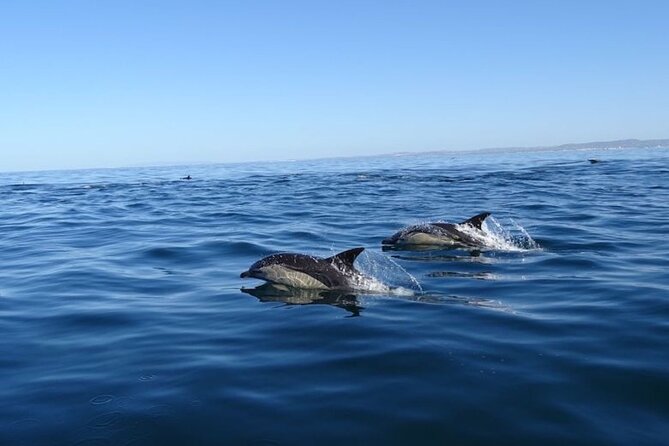
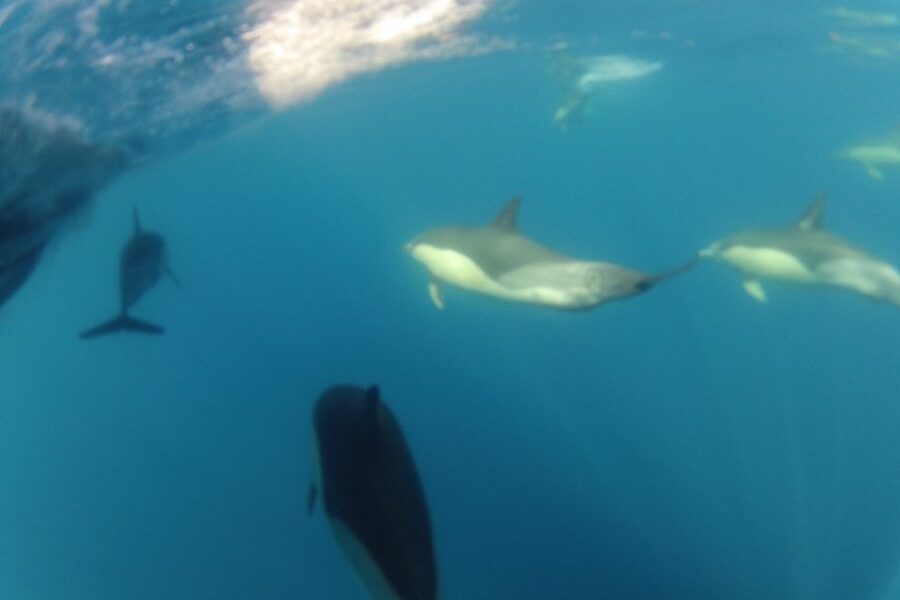
The tour specifically sets you up to watch for common dolphins and bottlenose dolphins. The excitement is that you’re not in a controlled environment—you’re watching animals in their own habitat, so the timing is unpredictable.
When dolphins do show up, they might appear near the boat’s path, or in the distance as they travel between feeding areas. This is exactly why the guide’s search strategy and the offshore time window matter.
Other marine life the route may turn up
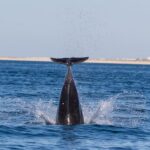
The experience also highlights possible sightings of whales, sharks, and marine turtles. The information for the tour adds other “keep an eye out for” species such as Ocean Sunfish, Harbor Porpoise, and Minke Whale.
Also: you’re not guaranteed any one species. That’s not a weakness of the tour—it’s the nature of marine wildlife. What you’re buying is time on the water in the right habitat with an onboard guide who knows where to look.
Price and value: is $64 worth a 2.5-hour RIB eco tour?
At $64 per person for about 2.5 hours, you’re paying for three things: access to offshore waters, a wildlife-focused guide, and a boat setup made for spotting rather than just sightseeing.
Compared with “just a coastal cruise,” this tour is more structured around finding wildlife. You get life vests, live onboard commentary, and time blocks that include a dedicated wildlife search stop. That adds up in practice: you’re not just sitting there. You’re learning how to scan while you’re actually out on the water.
Is it perfect value if you’re unlucky with sightings? It can feel frustrating when the sea decides to stay quiet. The tradeoff is always the same with dolphins: the best operators maximize time and habitat fit; they can’t control animal behavior. If you can handle that reality, the price feels fair for what’s included.
Comfort note that affects value
RIB boats can be tight, especially if you’re tall. One person reported limited leg space on the boat. It’s not a deal-breaker, but it is a real comfort factor worth planning around—bring layers you can sit in and don’t assume a long, lounge-chair experience.
Who this tour suits best (and who should think twice)
This is a strong fit if you:
- love marine wildlife and want hands-on spotting with a guide
- are comfortable with a short boat ride that can be windy and bouncy
- want a nature-oriented outing out of Faro without renting your own boat
It’s less suitable if you fall into categories listed by the operator. Children under 5 aren’t allowed. The tour is also flagged as not wheelchair accessible and not suitable for wheelchair users or people with mobility impairments, plus it’s noted as not suitable for pregnant women and people with back problems.
So if you’ve got any mobility concerns, plan carefully. This isn’t a “sit and forget” experience.
Practical tips that make dolphin watching easier
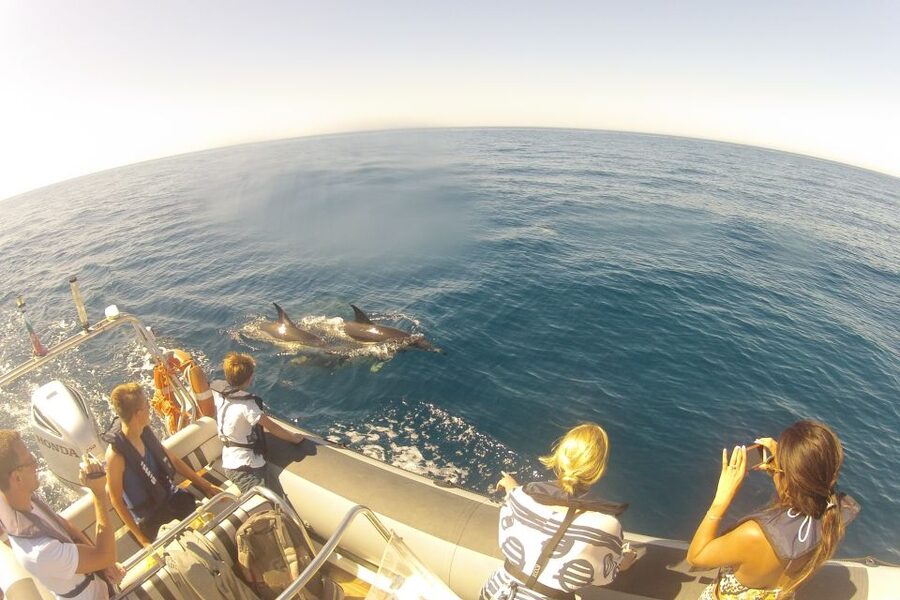
A few small choices can help you enjoy the day more.
- Bring a camera and dress for wind. Even in good conditions, offshore air can change quickly.
- Wear comfortable clothes you don’t mind getting a little damp.
- If you’re tall, plan for snug leg space and pick your seating accordingly when you board.
- Keep your expectation flexible. Wildlife spotting here is about odds and timing, not guaranteed checklists.
One more mindset tip: when the guide makes a turn or pauses, don’t assume it’s random. It’s usually a response to what’s being seen—birds, movement on the water, or conditions that make animals more likely in that moment.
Should you book this Algarve Dolphin Watching & Marine Life Eco Tour?
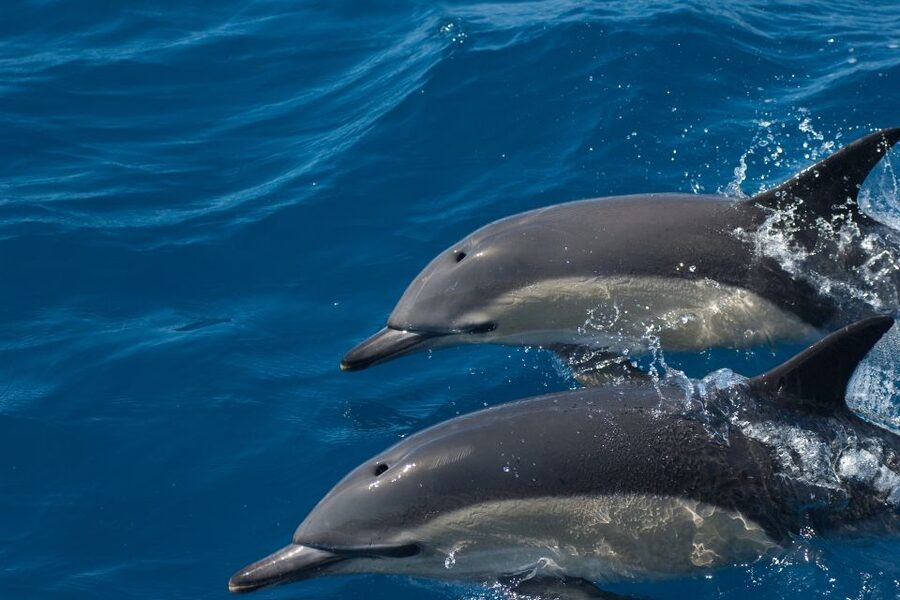
Book it if you want a guided, wildlife-focused dolphin search from Faro that balances protected lagoon cruising with offshore viewing time. The combination of Ria Formosa ecology, seabird spotting support, and the dedicated wildlife search window makes it one of those tours that stays interesting even when sightings take time.
Skip it (or pick something different) if you need guaranteed dolphins, if you can’t handle a boat ride with limited space, or if the tour’s stated suitability limits apply to you.
If you’re coming to the Algarve for authentic nature time—not just a photo stop—this is a very solid choice.