REVIEW · MADEIRA
Funchal: Whale and Dolphin Watching Speed Boat Tour
Book on GetYourGuide →Operated by Ventura Nature Emotions · Bookable on GetYourGuide
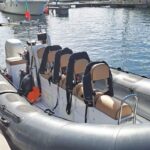
Speed, salt spray, and wild whales in Madeira. I love the small speed boat pace that helps you get to wildlife fast, and I love the marine biologist briefing that turns random sightings into real species ID. One drawback: the trip can be adjusted or canceled due to weather or minimum participants.
The ride runs about 2.5 hours from Funchal Marina, and the team uses spotters from land to improve your odds. You’ll also get a cetacean sighting guarantee with a free second attempt if the first trip doesn’t deliver whales or dolphins.
In This Review
- Key Things I’d Bet on Before You Go
- Pier 8 Departure: Getting Set for Madeira’s Open Water
- How the Speed Boat Run Works Along Madeira’s Coast
- The Marine Biologist Part: Species ID You Can Actually Use
- Close-Up Viewing Without the Slow Rocking
- Cetacean Odds, Land Spotters, and the Free Second Chance
- What Happens During the 2.5 Hours (So You Know Where the Time Goes)
- What to Bring (and What to Skip) for a Better Ride
- Price and Value: Is $56 a Good Deal?
- Who Should Book This Speed Boat Tour (and Who Should Rethink It)
- Should You Book This Funchal Whale and Dolphin Speed Boat Tour?
- FAQ
- How long is the whale and dolphin speed boat tour?
- Where do I meet for the tour in Funchal?
- How many people are in the group?
- What languages are the guide and audio available in?
- What’s included in the price?
- Is there any guarantee of seeing whales or dolphins?
- What should I bring?
- Is smoking allowed on the boat?
- What happens if the weather is bad or the tour needs changes?
Key Things I’d Bet on Before You Go
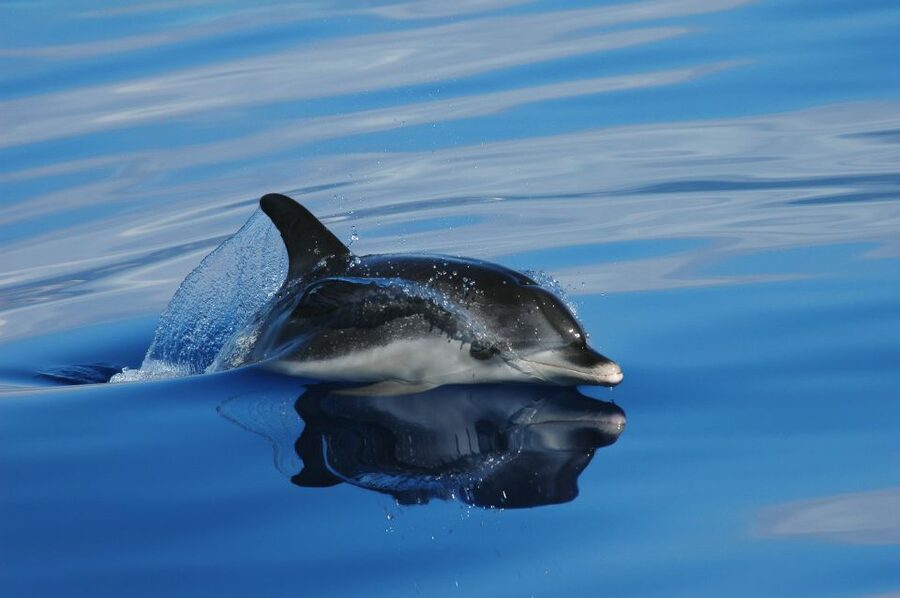
- Small-group feel (max 18): you’re not packed in like a tour bus at sea.
- Marine biologist + clear skipper guidance: one person explains what you’re seeing, the other helps you see it.
- Land lookouts boost sightings: spotting isn’t random luck.
- Expect 1 to 4 species per trip: the goal is variety, not just one quick glance.
- Free second trip if cetaceans aren’t seen: there’s a real safety net here.
- Fast access to animals: speedboat routing can mean closer, quicker viewing.
Pier 8 Departure: Getting Set for Madeira’s Open Water
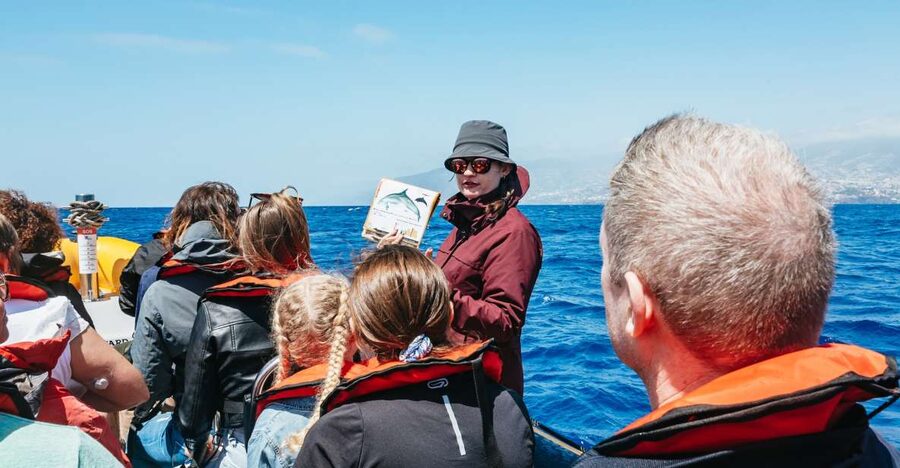
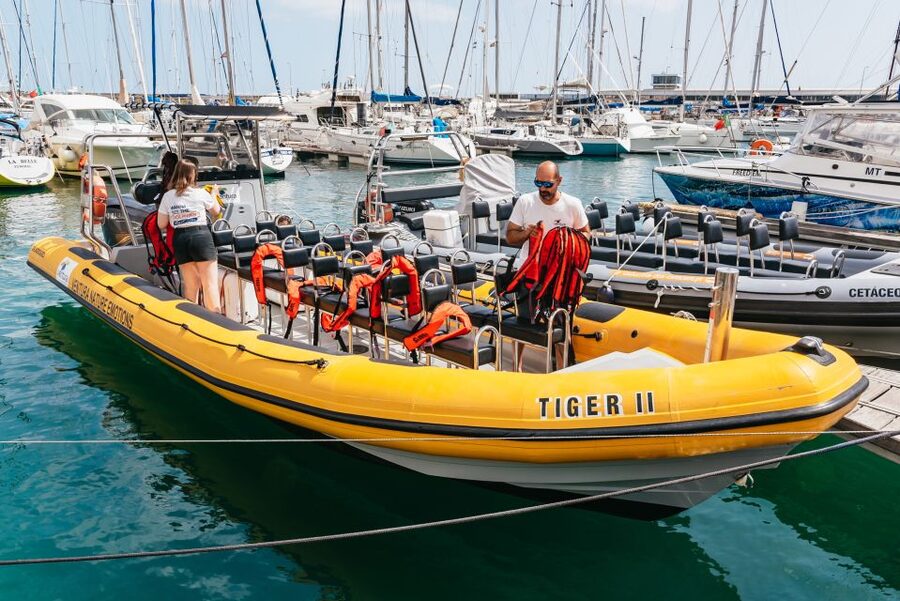
Your experience starts at the Ventura Nature Emotions kiosk at pier 8 in Funchal Marina. This is a practical setup: you’re close to the water, and the team can get you briefed quickly before leaving the dock.
You’ll want to show up with your basics ready. Comfortable clothes matter because you’ll be on the water for a full 2.5 hours, and it’s Madeira—wind can change fast. A windbreaker is a smart call, even if the morning looks calm.
One more reason I like this departure point: it’s easy to plan around. After the tour, you’re back at the marina area, which keeps the rest of your day flexible.
You can also read our reviews of more tours and experiences in Madeira.
How the Speed Boat Run Works Along Madeira’s Coast
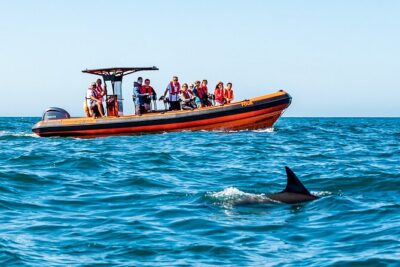
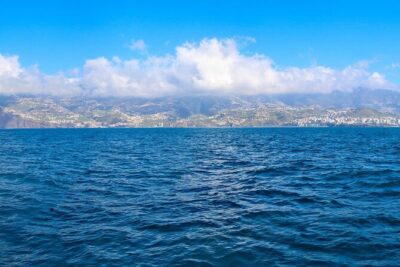
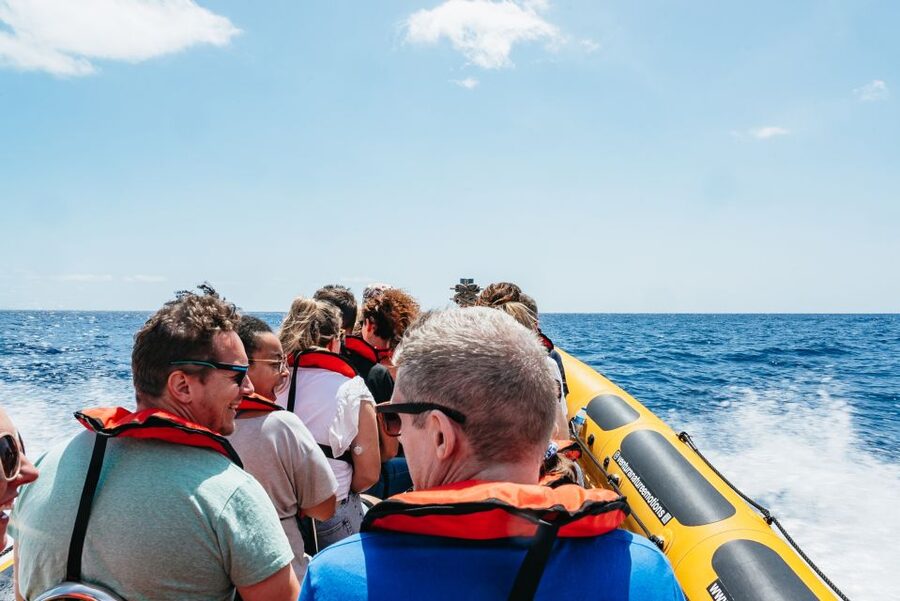
Once you’re out at sea, the whole tour is built around searching the coastline for marine life. You’ll spend time scanning for whales and dolphins while taking in Madeira’s dramatic shoreline from the water.
The process is simple but effective:
- The crew gives a briefing on safety and how to watch.
- The team also has spotters from land, which raises the chances of finding animals during your window.
- When sightings are confirmed, the skipper routes to where you’ll have the best view—quickly.
Speed matters here. On a big boat, you can feel like you’re waiting for the animal to come to you. On a speedboat, the goal is the opposite: get to the sighting faster, so you’re watching behavior, not just water splashes in the distance.
Also, sightings aren’t guaranteed to be the same each day. You could see one species or several. The tour is designed for that reality, aiming to maximize what’s possible rather than promise a single animal every time.
The Marine Biologist Part: Species ID You Can Actually Use
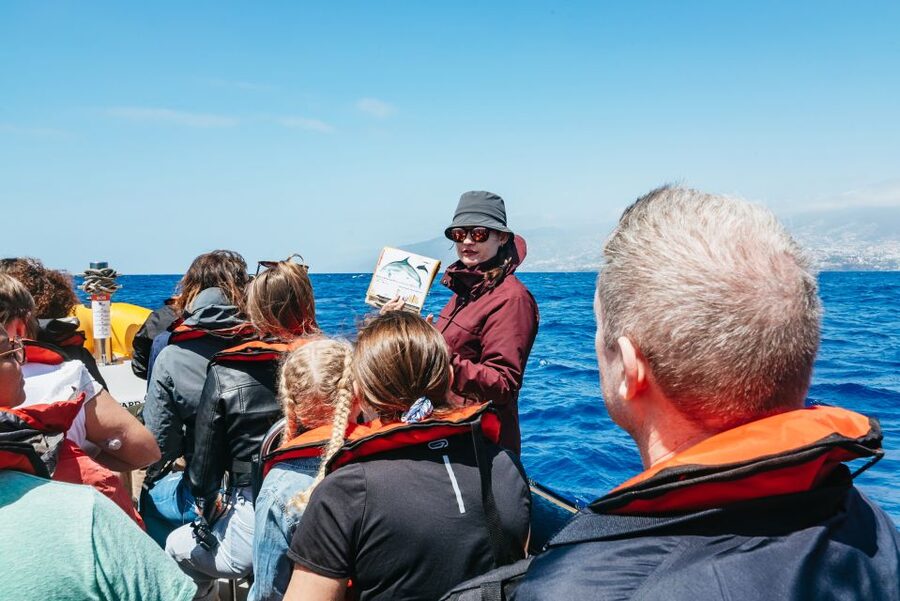
This isn’t just sightseeing. The marine biologist or naturalist guide gives an educational briefing so you can understand what you’re seeing out there—and what to look for next.
In the best moments, the guide’s job is to tell you:
- what the animal likely is,
- what features to look for,
- and which direction matters most when the boat is moving.
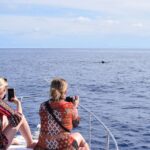
Several people mention that the guides coached them on exactly where to look, which is huge. Whales and dolphins can shift fast. If you’re busy filming the whole time, you might miss the telltale signs. My advice is to do both: take a few seconds of video, then watch with your eyes for the real action.
If you’re the type who enjoys learning while you travel, you’ll probably appreciate the way the guide connects sightings to species behavior—especially when the animals surface in multiple moments. People also reported seeing different dolphin groups and multiple whale encounters on certain trips, which makes the biologist part feel even more valuable.
Close-Up Viewing Without the Slow Rocking
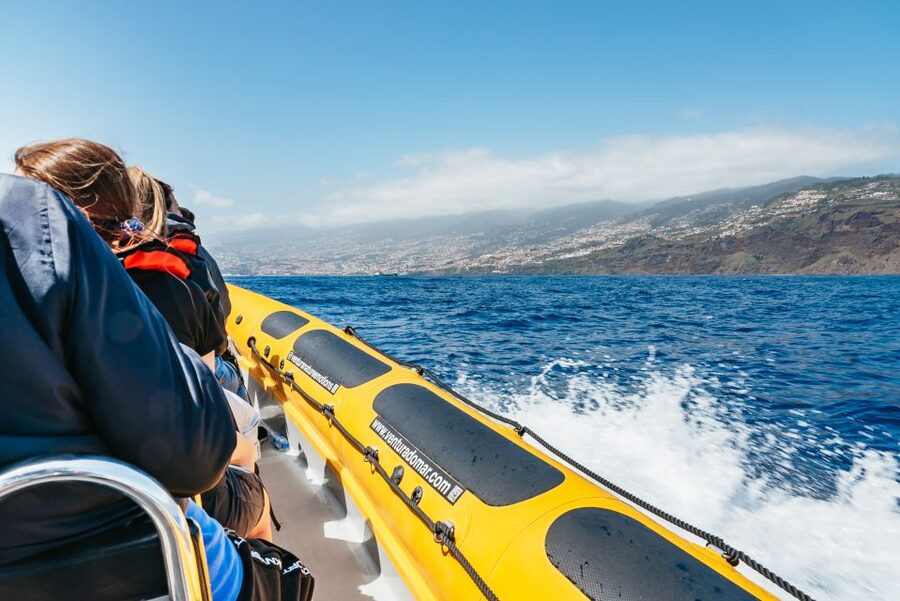
Speedboats have a vibe: you get motion and splash. But you also get access. Many visitors compare this favorably to larger vessels because you can move quicker and stay closer to the water.
You’ll likely notice three things on board:
- A faster ride over the waves (fun, but plan for spray).
- A more controlled feeling in the helm—people mention the captain’s smooth handling.
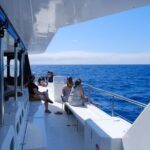
- A different experience depending on where you sit. One visitor noted that sitting toward the bow meant more movement and splashing, even with padded, secure seats.
So if you want a calmer ride, think practically. Choose your seat with your comfort in mind and expect you’ll get wet anyway. Bring a camera you don’t mind protecting, and consider water-resistant storage for your phone.
And yes, sea comfort is personal. Some people specifically said they didn’t get seasick on the speedboat. That doesn’t guarantee anything for you, but it’s a strong hint that the ride profile may be easier than slower, larger boats that sway more.
Cetacean Odds, Land Spotters, and the Free Second Chance
This tour’s biggest value lever is its structure for finding whales and dolphins. It uses spotters from land, and it also runs with enough flexibility to go after confirmed sightings rather than sticking to a fixed route.
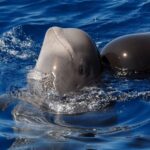
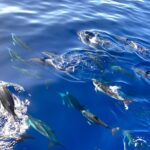
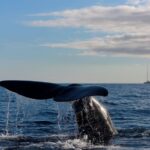
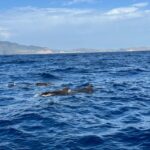
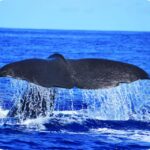
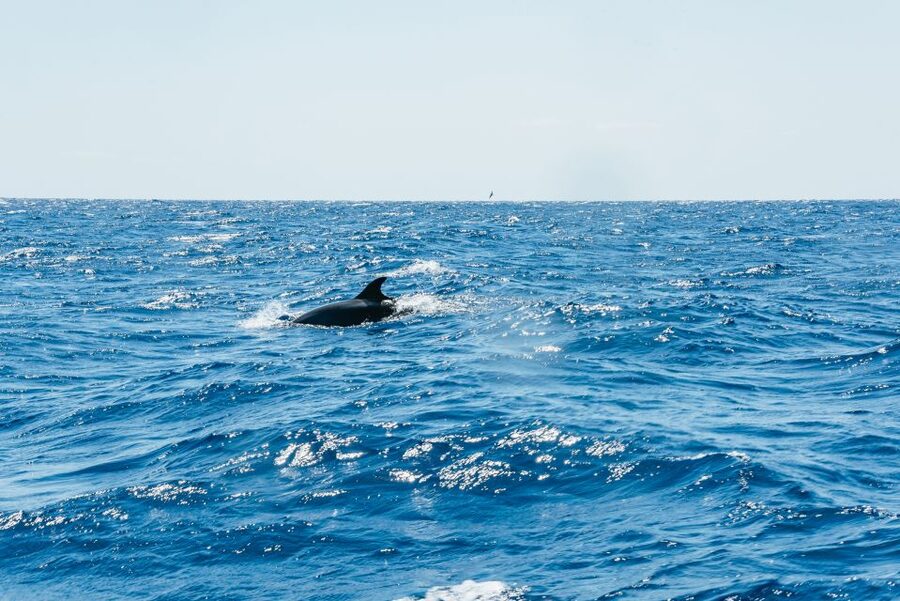
The result is that sightings can vary: some trips may deliver only dolphins, while others include whales as well. Across reported experiences, people have mentioned impressive whale types (including sperm whales and pilot whales) and frequent dolphin pods. The takeaway: you’re not just hunting one species. The goal is broader wildlife viewing.
And then there’s the cetacean guarantee. If cetaceans (whales or dolphins) aren’t sighted during your tour, you’ll be offered a second trip for free. That’s not a small promise. It takes the pressure off you and makes the experience feel less like a gamble.
Weather can still change the day. If conditions are unsafe or operations are adjusted, the tour may shift. The smart move is to book when you’ve got enough time in Funchal to use that second chance if needed.
What Happens During the 2.5 Hours (So You Know Where the Time Goes)
Think of your time as three phases:
1) Meet and safety briefing
You’ll connect with the Ventura Nature Emotions team at pier 8. Then you’ll get tour and safety rules explained before you leave the harbor. Lifejackets are included, and you’ll be briefed on how the ride works.
2) Searching along the Madeira coastline
This is where the spotting and education happen together. The biologist helps you identify what you’re seeing, while the skipper works the water and timing. Sightings can develop quickly, and sometimes you’ll get more than one pod or multiple surfacing moments during the encounter.
3) Return to the marina
After about 2.5 hours, you head back to Ventura Nature Emotions at pier 8. Expect an end-of-trip feeling of saltwater fatigue plus satisfaction—especially if you managed to see more than one group.
One nice detail from a recent outing: the crew paused briefly to collect floating garbage. That’s a small moment, but it reinforces that the team is paying attention to the ocean, not just chasing photos.
What to Bring (and What to Skip) for a Better Ride
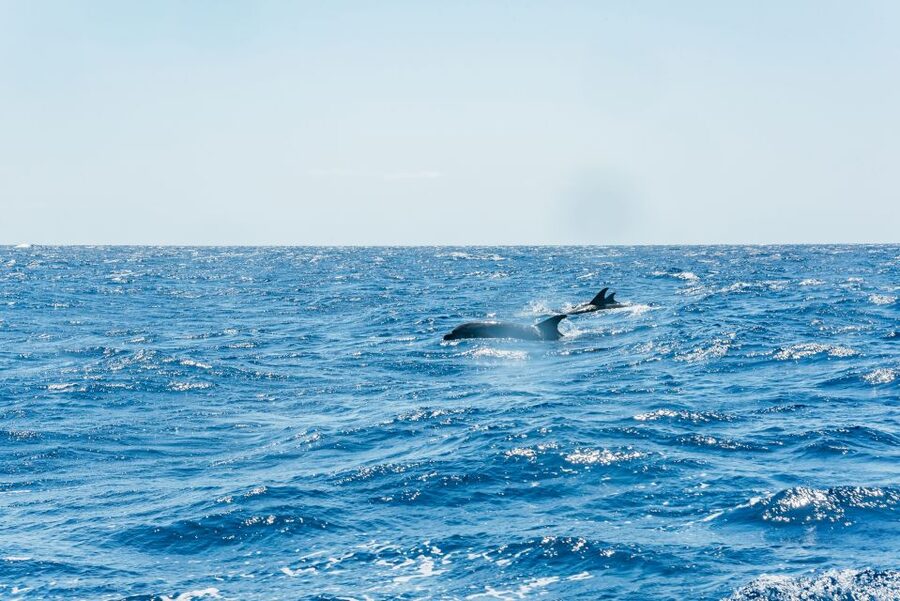
This is one of those tours where packing smarter makes the experience better fast.
Bring:
- Windbreaker (spray and wind can hit even when the sun is out)
- Sunglasses (salt glare is real)
- Camera (and assume it will get wet if you’re shooting close)
- Comfortable clothes (you’ll want movement and warmth options)
Not allowed:
- Smoking
If you’re worried about comfort, plan for water. People reported getting splashed a lot and even returning soaked. If you’d rather enjoy the ride than spend the whole time drying off, wear quick-dry layers where possible.
Also: keep your attention flexible. When the biologist says look this way, do it. Your best shots often come when you’re watching behavior, not when you’re locked onto a screen.
Price and Value: Is $56 a Good Deal?
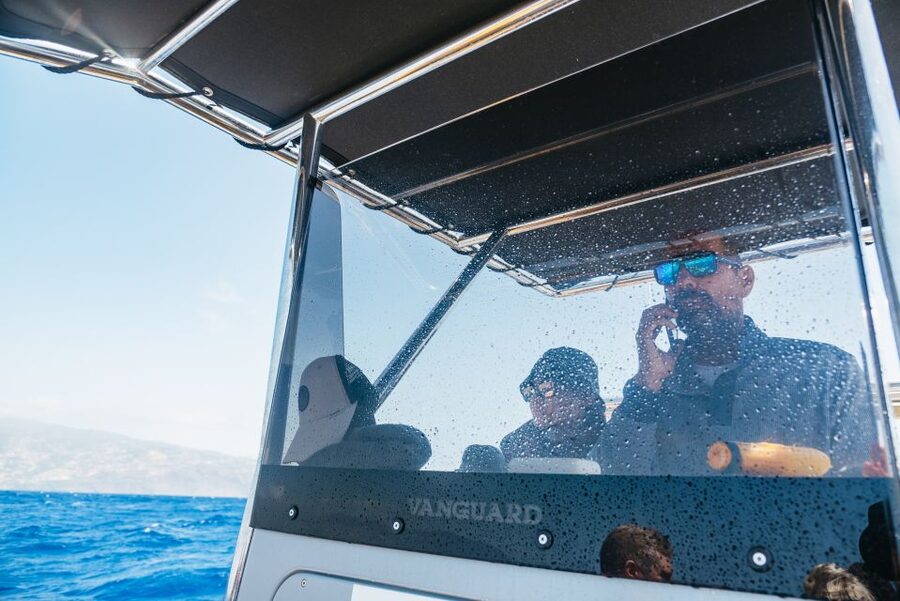
At $56 per person for about 2.5 hours, the price sits in a range where you should ask one question: does this tour increase your odds and your enjoyment enough to justify the cost?
Here’s how I judge it:
- You’re paying for a speedboat that can reach sightings quickly.
- You’re paying for a real marine biologist/naturalist guide, not just a general host.
- You’re paying for added structure: land spotters and the chance of seeing 1 to 4 species.
- You’re paying for risk reduction: the free second trip if cetaceans aren’t seen.
That combination matters. If whales and dolphins are on your Madeira “must do” list, this format makes sense because it targets probability and quality, not just time on the water.
If you’re looking only for a scenic boat ride, you might find cheaper options elsewhere. But if you want the wildlife-focused experience—with expert interpretation and a close-to-the-water approach—this price can feel fair.
Who Should Book This Speed Boat Tour (and Who Should Rethink It)
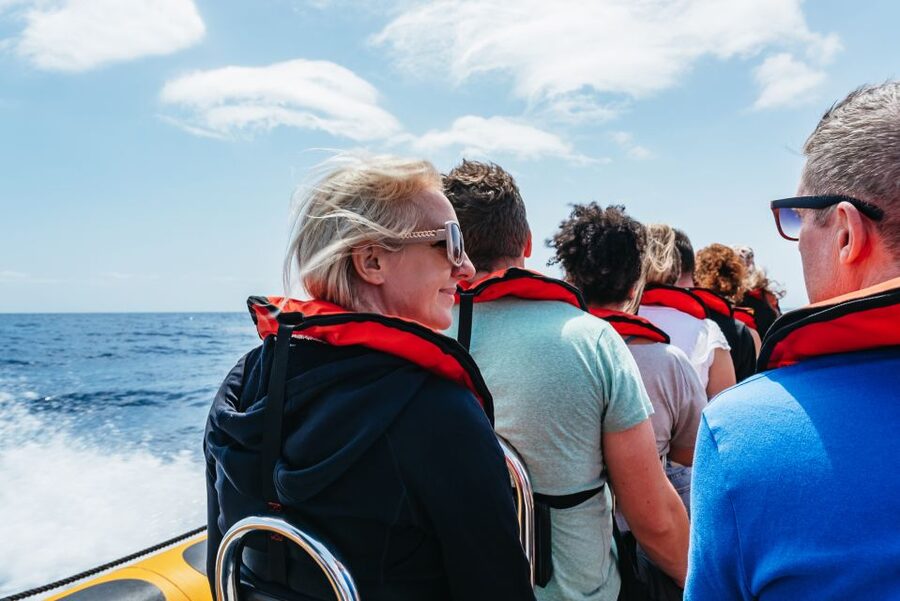
This tour is a strong fit if:
- you want whales and dolphins in their natural habitat rather than distant viewing,
- you enjoy learning while you travel,
- and you want a small group (max 18) experience.
It’s likely less suitable if you:
- are pregnant,
- have back problems,
- have mobility impairments,
- or use a wheelchair.
That’s not a judgment call. It’s about how the speedboat ride and seating may work. If you’re unsure, it’s worth thinking carefully about comfort and safety first.
And if you’re sensitive to motion, speedboats may feel easier than larger, swaying vessels—but your body is still the final word. Pack for splash, and keep your expectations realistic.
Should You Book This Funchal Whale and Dolphin Speed Boat Tour?
If you want your Madeira day to feel like an actual wildlife outing—fast, guided, and designed to find cetaceans—this is a booking-worthy option. The small speedboat, the biologist-guided species ID, and the land-spotter setup all push the experience toward quality.
My main advice: bring a windbreaker, expect to get wet, and pick a day where you have time to handle weather changes or use that free second attempt if needed. If your goal is whales and dolphins, this tour puts you in the right place to make that happen.
FAQ
How long is the whale and dolphin speed boat tour?
The duration is about 2.5 hours.
Where do I meet for the tour in Funchal?
You meet at the Ventura Nature Emotions kiosk at pier 8, Funchal Marina.
How many people are in the group?
The tour is run in small groups with a maximum capacity of 18 people.
What languages are the guide and audio available in?
The live guide and the audio guide are available in Portuguese and English.
What’s included in the price?
Insurance, an experienced crew, and lifejackets are included.
Is there any guarantee of seeing whales or dolphins?
Yes. The experience includes a guarantee of cetacean sightings on the tour; if cetaceans aren’t seen, you’ll be offered a second trip for free.
What should I bring?
Bring a windbreaker, sunglasses, a camera, and comfortable clothes.
Is smoking allowed on the boat?
No. Smoking is not allowed.
What happens if the weather is bad or the tour needs changes?
Tours are subject to adjustments or cancellations due to weather conditions or minimum participant requirements.