REVIEW · MADEIRA
Madeira Dolphin & Whale Watching Tour
Book on Viator →Operated by Ventura Nature Emotions -Day Tours · Bookable on Viator
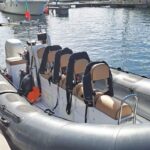
RIB speed meets whale science. In Madeira, this dolphin and whale watching trip pairs a marine biologist with a skipper on a semi-rigid boat, so you sail the coast while getting real facts about what you’re seeing.
I love the eye-level viewing and the way guides explain sightings right as they happen, with names you’ll hear onboard like Raquel (biologist) and crew members such as Marco and Alex. I also like the strong safety focus before you head out, plus the chance to spot multiple cetacean species, from pilot whales to bottlenose dolphins.
One consideration: the experience is weather-dependent, and rougher seas can make the ride lively. Also, you should plan for the possibility of coming back faster than the longer 3-hour label you may see elsewhere.
In This Review
- Key Things to Know Before You Go
- On the Water in Funchal: What the 2.5-Hour RIB Trip Feels Like
- Marine Biologist Commentary: How You Actually Learn What You’re Seeing
- Wildlife Encounters off Madeira: Species You May See
- The Boat, Safety, and Comfort Tips (Wind, Splash, and Seasickness)
- Timing and Sea Conditions: Why the Itinerary Can Shift
- Price and Value: Does $58.05 Add Up?
- Who This Tour Suits Best (and Who Might Want Another Option)
- Should You Book This Madeira Dolphin and Whale Watching Tour?
- FAQ
- Where does the tour start?
- How long is the Madeira Dolphin & Whale Watching Tour?
- Is the tour offered in English?
- How many people are on the boat?
- What happens before going out to watch wildlife?
- What should I bring for comfort?
- What if weather cancels the activity?
Key Things to Know Before You Go
- Marine biologist-led spotting: You’re not just chasing whales; you’re learning as you go.
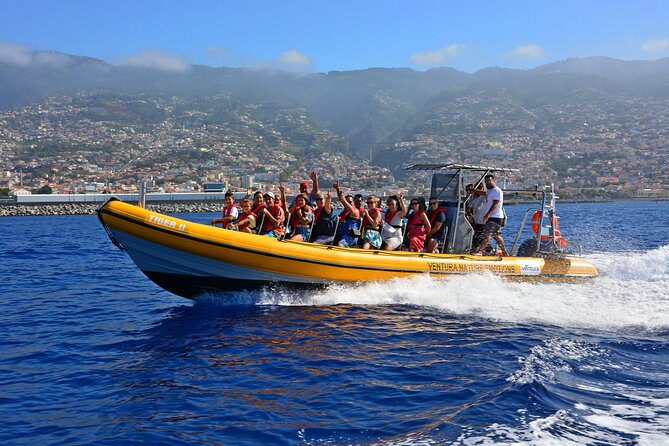
- Small group on a semi-rigid boat: Up to 30 travelers for a more focused wildlife search.
- Close-up, eye-level encounters: The RIB format helps you see animals at human height when conditions cooperate.
- Respect for wildlife rules: The crew aims to reduce stress by limiting time around animals and boat presence.
- Bring comfort gear for the sea breeze: A wind breaker and seasickness help can make the difference.
- Some trips add extra fun at the harbor: A few outings include playful spins after the wildlife part.
On the Water in Funchal: What the 2.5-Hour RIB Trip Feels Like
This is a Madeira tour built around one main idea: get you out quickly and keep you moving to where the animals are. You start at Ventura Nature Emotions at Cais 8 in the Marina do Funchal area (São Martinho), and you return to the same meeting point afterward.
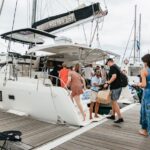
Once aboard, the crew keeps things practical. You’ll get an intro briefing first—what to expect, how the boat will handle, where to sit, and basic safety guidance. Then the skipper and the marine biologist do the real work together: scanning, listening for clues in the water, and positioning the boat so everyone has a good view.
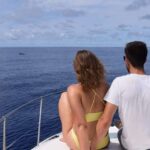
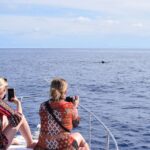
The vibe is part nature trip, part real sea adventure. It’s not a quiet cruise. It’s closer to a lively speedboat ride that trades comfort-in-glass for more action and better sightlines. That’s why this one tends to land well for families and couples—if you’re happy with wind, splash, and the occasional bouncy moment when conditions turn choppy.
You can also read our reviews of more tours and experiences in Madeira.
Marine Biologist Commentary: How You Actually Learn What You’re Seeing
What makes this tour stand out is the pairing of marine science and real-time spotting. The marine biologist onboard doesn’t just recite general facts. The idea is to help you connect behavior to species—so when dolphins appear, you understand what you’re looking at instead of treating it like a random sighting.
You can expect this kind of commentary:
- what to look for at the surface (movement patterns, surfacing behavior, group behavior)
- how the crew differentiates between species they encounter
- why the boat is slowing down or changing course (not just “because the skipper felt like it”)
In reviews, the biologist is often named—Raquel comes up repeatedly. That matters because you’ll usually get a sense of confidence and calm when the information is coming from a person who can point out details quickly while still keeping the group safe and organized.
You’ll also hear plenty about wildlife respect. The crew follows the rules that limit how close and how long boats spend around animals, which is exactly what you want when you’re out in protected waters. One of the clearest examples from feedback: the operation aims to keep the number of boats around animals low and time brief (think short, controlled viewing windows rather than long hovering).
Wildlife Encounters off Madeira: Species You May See
You’re sailing Madeira’s coast, but the goal isn’t scenery alone. The goal is cetaceans—whales and dolphins in their natural habitat.
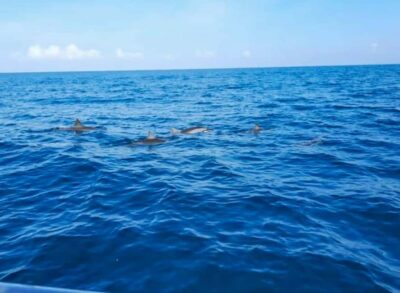
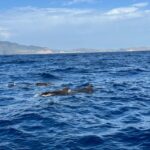
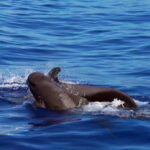
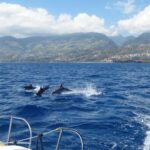
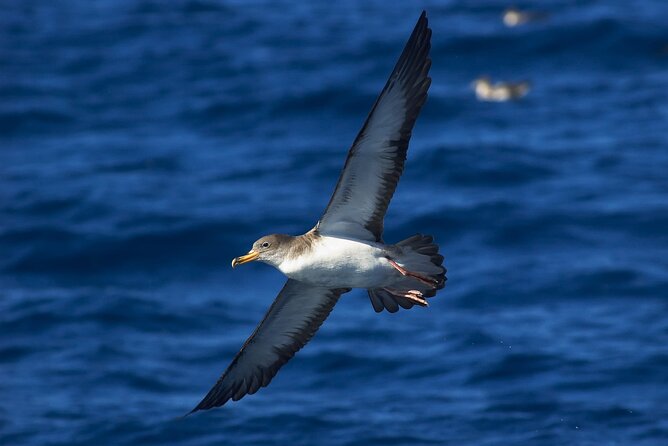
On good days, the search can turn up a mix of species. Based on reported sightings tied to this style of trip, you may encounter:
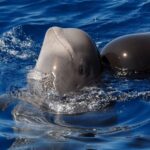
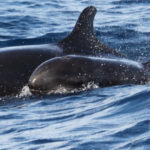
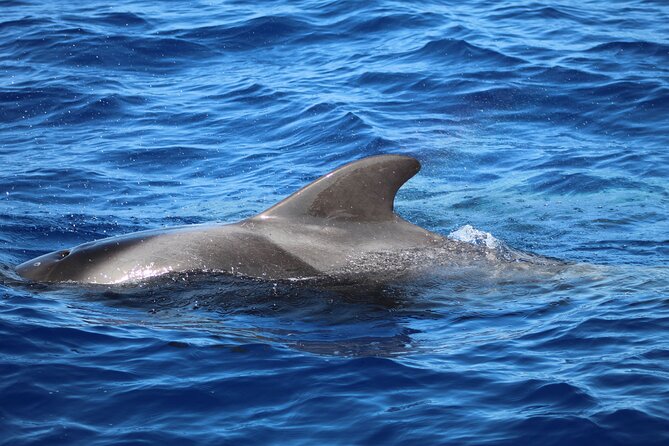
- pilot whales (including short-finned pilot whales)
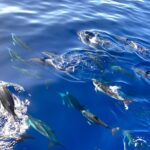
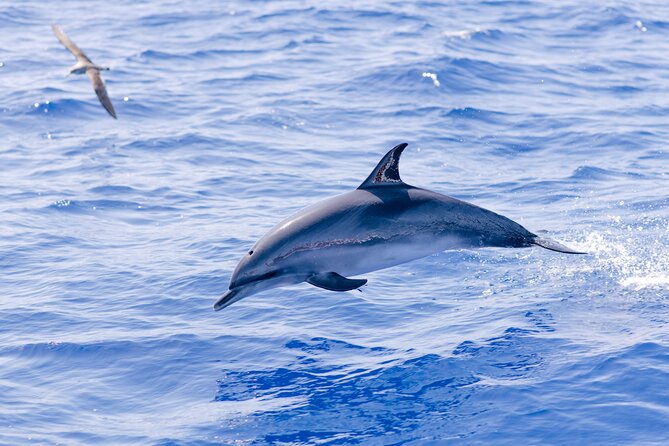
- bottlenose dolphins
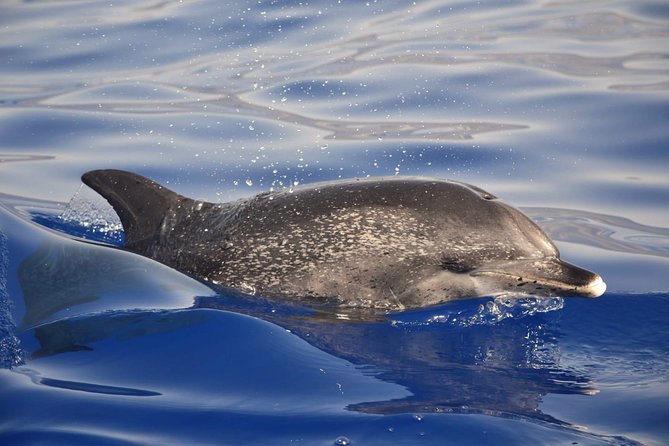
- Atlantic spotted dolphins
- common dolphins
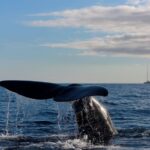
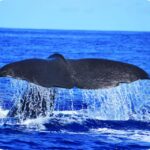
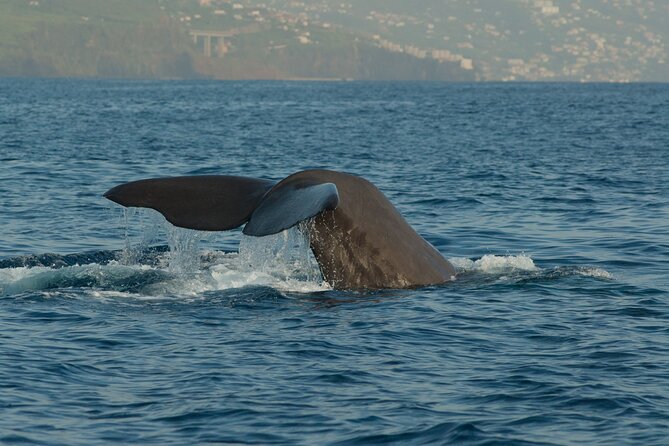
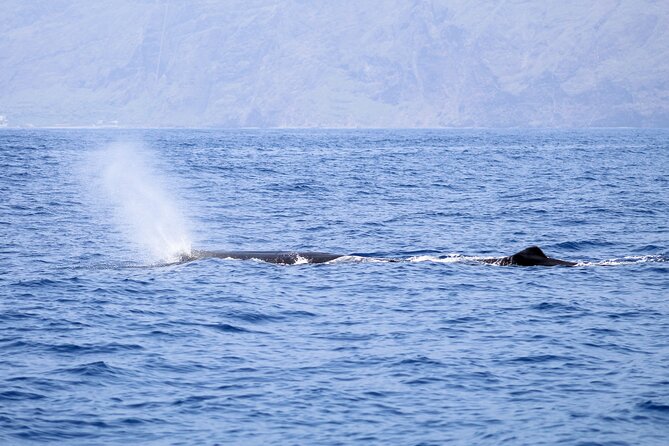
- and, less often, whales like sperm whales or even Bryde’s whale
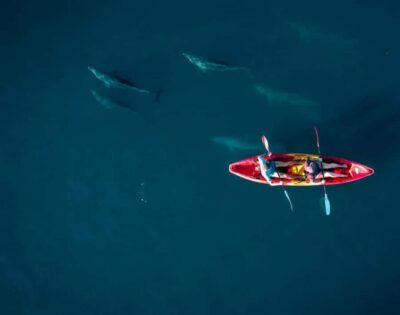
Not every trip includes whales. Sometimes it’s dolphins only—and those can still be incredible if you get a large, active pod. In fact, one of the most enthusiastic themes in feedback is how many dolphins a boat can find when the day lines up: pods that feel closer to a moving festival than a single “sighting,” with groups that surface, turn, and ride along with the RIB at the right moments.
Also keep your eyes open for the extras nature throws in. Some outings have included sea turtles, sharks, and even flying fish sightings. Those aren’t guaranteed, but they’re a reminder that you’re exploring a living patch of ocean—not a wildlife lottery with only one prize category.
The Boat, Safety, and Comfort Tips (Wind, Splash, and Seasickness)
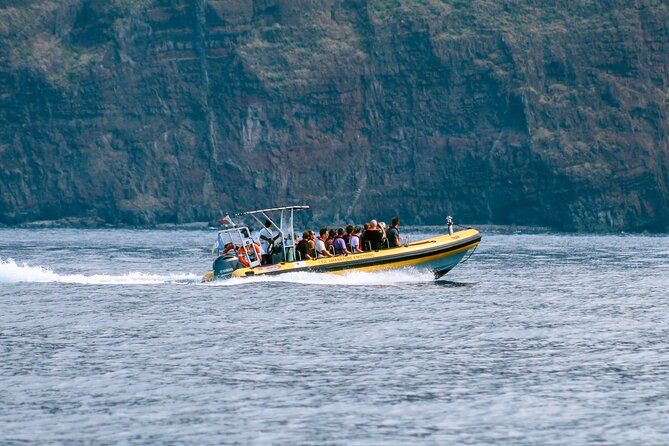
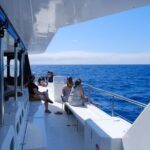
This tour uses a semi-rigid boat (a RIB). That gives you speed and maneuverability, but you should dress for the sea, not for the harbor.
Here’s what helps in real life:
- Bring a wind breaker. Even in warmer months, the sea breeze can get chilly fast once you’re moving.
- Plan for motion. If you’ve ever felt seasick on boats, bring medicine ahead of time. More than one review stresses that when the engines ease off, the rocking can still be strong.
- Wear something you don’t mind getting wet. Splash happens. It’s part of the experience, and you’ll usually get a few moments of spray when the boat changes speed or makes a turn.
The good news: the crew generally takes safety seriously. People often comment on feeling looked after and protected onboard. That’s not just reassurance—it matters because you’ll be outside spotting for longer than you expect, and you want everyone in the boat to stay stable and ready.
One more practical detail: the ride is usually structured around finding wildlife, not doing sightseeing stops. So the “comfort” on board comes from getting your body set for movement rather than from expecting long calm stretches.
Timing and Sea Conditions: Why the Itinerary Can Shift
The tour is roughly 2 hours 30 minutes (approx.), with several sail times offered so you can choose what fits your day in Funchal. That flexibility is handy in Madeira, where weather can change.
Even with a scheduled window, the sea doesn’t care about calendars. One recurring theme: weather can affect whether you go at all, or how long you stay out searching. There have been cases where the trip felt shorter than a 3-hour label suggests—typically because the crew made a call based on conditions and safety once the wildlife mission was accomplished.
So here’s how I’d plan your day if you’re booking:
- Don’t schedule tight connections immediately after your cruise.
- Keep a little buffer in your afternoon, especially if you’re choosing a morning slot when winds can surprise you.
- If you’re hoping for whales specifically, understand that the day’s animals decide that part.
The upside is that the crew’s focus is on results and responsibility. When wildlife is out there, they go for it. When conditions make that unsafe or inefficient, they adjust and get you back.
Price and Value: Does $58.05 Add Up?
At $58.05 per person for about 2.5 hours, you’re paying for three things that are hard to replicate on a cheaper or slower trip: speed, access, and expert interpretation.
Here’s why the value tends to hold up:
- You’re not only viewing wildlife—you’re also getting marine biologist guidance. That turns a “look at dolphins” moment into a “understand dolphins” moment.
- The boat format supports more active searching. When pods are present, you can often get that eye-level view you want.
- The group size is capped at 30 travelers, which usually helps the crew manage where everyone stands or sits during sightings.
Could you spend less on a basic boat ride? Sure. But if you want the combination of education, close viewing, and an experienced skipper operating with wildlife rules, this price usually feels fair for Madeira.
Also factor in what you avoid. You’re less likely to waste time on a long cruise that offers a lot of “maybe” and then little action. This operation is built around the hunt—organized enough to stay safe, energetic enough to find animals when the ocean cooperates.
Who This Tour Suits Best (and Who Might Want Another Option)
This one is a strong fit if you:
- like active tours and don’t mind wind and splash
- want to learn while you watch, not just take photos
- travel with kids (many families mention their children enjoyed the ride and the animals)
- care about respectful wildlife viewing
It may be less ideal if you:
- want a totally calm, sightseeing-only boat day
- get easily overwhelmed by motion and rougher seas
- prefer ultra-long interaction time on board rather than short, focused commentary while searching
One detail to keep in mind: on some trips, interaction and enthusiasm can feel more about the mission than about extended conversation. The priority is finding wildlife safely and following the viewing rules, so the best mindset is curious and ready to listen in brief, useful moments.
Should You Book This Madeira Dolphin and Whale Watching Tour?
I think you should book if your idea of a great Madeira day includes real sea time, high-visibility wildlife moments, and a marine biologist explaining what’s happening as the animals appear. The pairing of skipper + biologist is a big deal, and the small group size helps you feel included rather than shuffled.
I’d also book if you’re practical about comfort. Bring your wind breaker. Consider seasickness medicine if you’re sensitive. If you do that, you’ll be in a great position to enjoy one of Madeira’s most memorable “on the ocean, not just above it” experiences.
One last nudge: if your heart is set on seeing whales specifically, take the weather seriously and plan flexibility. This is a natural habitat experience, not a guaranteed show. But when conditions align, the payoff—dolphins at eye level and the occasional whale surprise—can be genuinely thrilling.
FAQ
Where does the tour start?
It starts at Ventura Nature Emotions, Cais 8, Marina do Funchal, São Martinho, 9000-055 Funchal, Portugal.
How long is the Madeira Dolphin & Whale Watching Tour?
The duration is about 2 hours 30 minutes (approx.).
Is the tour offered in English?
Yes, it is offered in English.
How many people are on the boat?
This activity has a maximum of 30 travelers.
What happens before going out to watch wildlife?
You begin with an introductory briefing covering the trip presentation, possible sightings, and safety on board.
What should I bring for comfort?
Bring a wind breaker, since it can get chilly on the boat. If you’re prone to seasickness, pack medicine ahead of time.
What if weather cancels the activity?
This experience requires good weather. If it’s canceled due to poor weather, you’ll be offered a different date or a full refund.