REVIEW · LISBON
Meet the Lisbon Dolphins – Dolphin Watching in Lisbon
Book on Viator →Operated by Lisbon Dolphins · Bookable on Viator
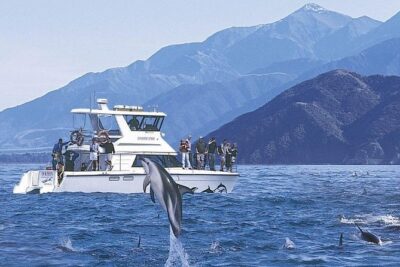
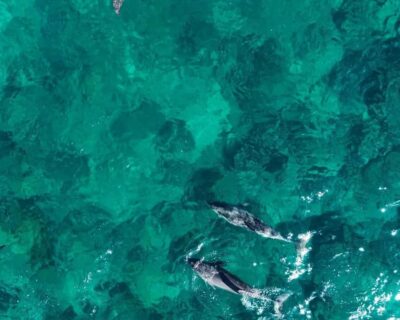
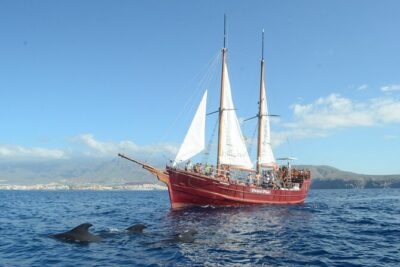
Dolphins are the point of the trip. This is a small-group boat outing out of Doca de Santo Amaro, with an organized hunt that starts in the Tagus River and then heads toward the open water if conditions allow. I like that it is built for real sightings, not just a quick loop with a tired generic speech.
Two things I especially like: the plan to keep searching in the best areas if dolphins are slow to show up, and the way the crew turns what you see into something you can actually recognize later. The main drawback to plan around is simple: it can be cold on the water, and warm layers are not provided.
In This Review
- Key Highlights You’ll Want to Know Up Front
- What This Lisbon Dolphin Cruise Feels Like on the Water
- River Search: Why Starting in the Tagus Is a Smart Move
- Ocean Time (When Conditions Allow): Dolphins, Whales, and Sea Creatures
- The Most Important Part: How They Handle Slow Sightings
- After the Sighting: Turning a Cool Moment into Real Dolphin Watching
- Lisbon Landmarks From the Water: Torre de Belém to MAAT
- What to Bring: Cold Water, Sun, and Practical Boat Tips
- Price and Value: Does $78.61 Make Sense?
- Who This Tour Fits Best (And Who Should Think Twice)
- Should You Book Lisbon Dolphins? My Decision Guide
- FAQ
- Where do we meet for the Lisbon Dolphins tour?
- What time does the tour start, and how long is it?
- Is the tour in English?
- How many people are on the boat?
- What’s included and what should I bring?
- Is there a restroom on board?
- What happens if dolphins are not found right away?
- Is it suitable for children?
- What kind of wildlife are you looking for?
Key Highlights You’ll Want to Know Up Front

- Up to 10 people on board, so you can actually hear what’s going on and stay engaged
- River first, ocean second: you look in the Tagus, then head out if sea conditions allow
- One extra hour of dolphin searching if nothing is found during the initial run
- Species teach-back: you learn how to observe dolphins differently, then identify what you saw
- Crew effort to improve your odds: they try to keep distance from other boats and steer consistently
- Landmark drive-by facts on the way in, covering places like Torre de Belém and Ponte 25 de Abril
What This Lisbon Dolphin Cruise Feels Like on the Water
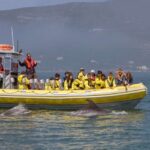
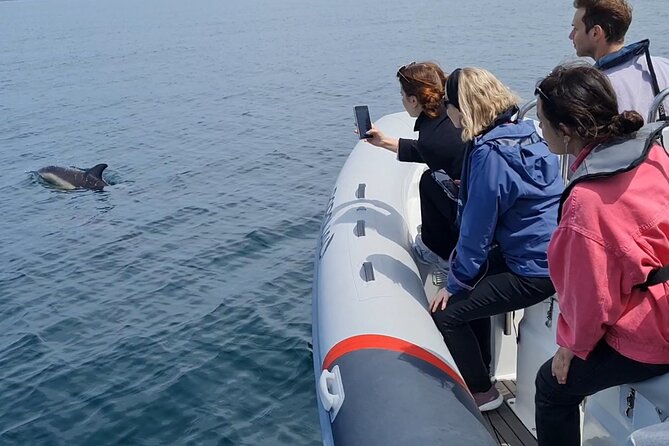
This is a 3-hour dolphin-focused outing that caps at a maximum of 10 people, which matters more than you’d think. With fewer people, you get less crowd noise and more time in the right spots to actually track fins and bodies as they surface.
You meet at Doca de Santo Amaro (just under the bridge) and head out at 9:30 am. From there, the day is a mix of quiet ocean watching, a bit of movement as you search, and then a very hands-on lesson when you get your first close-up moments.
One practical upside: lifejackets are included. So you’re not hunting for gear or trying to figure out sizing on the spot. Bring your own common sense though—if you’re prone to getting knocked around by waves, choose your layer and stance carefully.
You can also read our reviews of more tours and experiences in Lisbon.

River Search: Why Starting in the Tagus Is a Smart Move
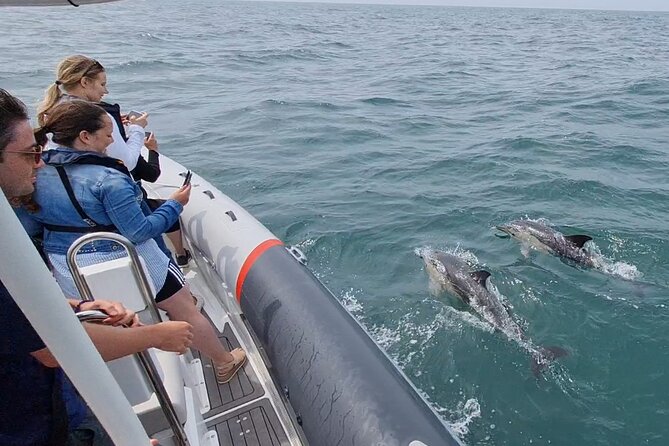
The tour starts with a dolphin search in the Tagus River. That’s a big deal because it gives the crew an early chance at sightings in calmer, more sheltered water than the open ocean (when the sea allows the switch).
You’re also starting close to Lisbon’s action. Instead of jumping straight into rolling waves, you get the “warming up” phase first—spotting seabirds, scanning water patterns, and watching for those quick surface moments that can happen fast.
And even when dolphins aren’t instantly visible, this river start sets the tone: you’re not just sightseeing. You’re doing real animal watching, with a consistent focus on what the guide says to look for—pod behavior, how groups move, and what to expect next.
Ocean Time (When Conditions Allow): Dolphins, Whales, and Sea Creatures
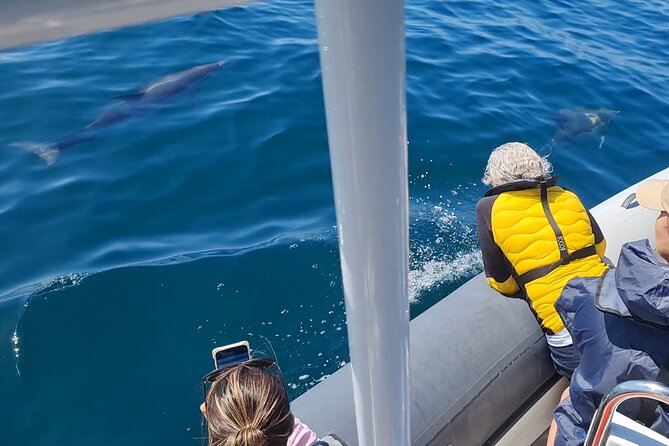
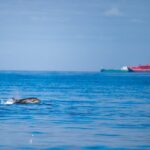
After the Tagus search, the plan is to sail into the ocean if sea conditions allow. This is where your odds can improve and the variety can expand. The tour is geared toward seeing dolphins, and it also explicitly targets the chance of whales, plus wildlife like sea turtles and seabirds.
What I like about the way this is structured is the decision logic. The crew doesn’t treat “ocean time” as a trophy goal they must reach no matter what. They adjust based on what they find and what the water is doing.
Once you’re out, you’ll be encouraged to watch actively, not just stare. The crew aims to keep a group in a position where dolphins can stay nearby, and they try to reduce interference from other boats. They also steer consistently enough that you’re not constantly losing the sightline.
The Most Important Part: How They Handle Slow Sightings
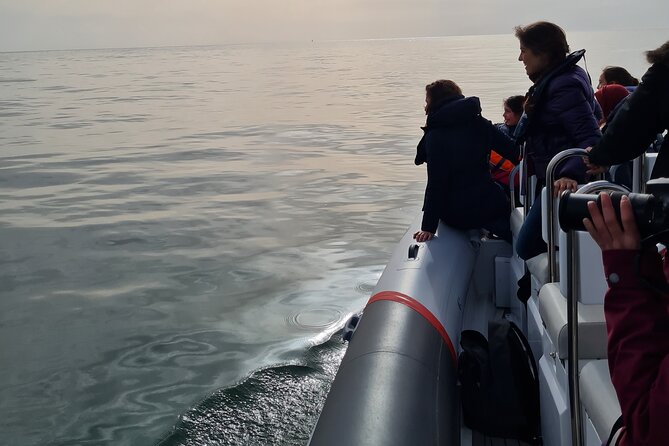
Here’s where this tour earns strong ratings: if dolphins aren’t found at the early points, you don’t just turn around right away.
The experience includes an extra hour of dolphin searching when needed, and the search can cover up to 40 miles. That means the crew is prepared to keep working the best areas rather than treating the trip like a fixed script.
They also use a flexible route strategy:
- If dolphins haven’t shown up yet, they move toward zones with higher sighting chances.
- If dolphins are already found, they go for areas likely to produce more interesting species or more variety within the dolphin/whale mix.
There’s also an emphasis on a highly interactive group experience, which shows up in the way the crew discusses behavior and group habits. You get help understanding what you’re seeing instead of just being told dolphins are present.
After the Sighting: Turning a Cool Moment into Real Dolphin Watching
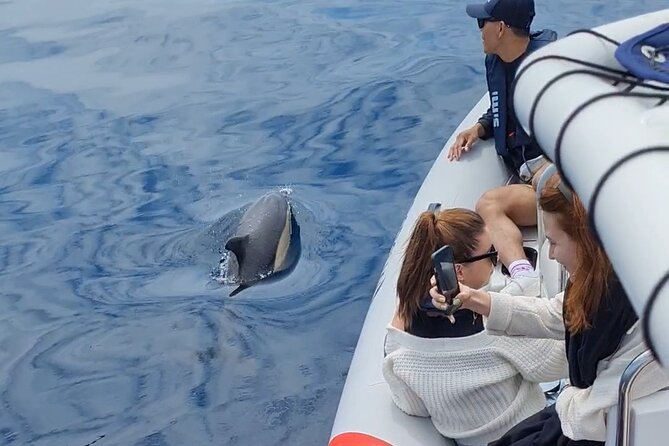
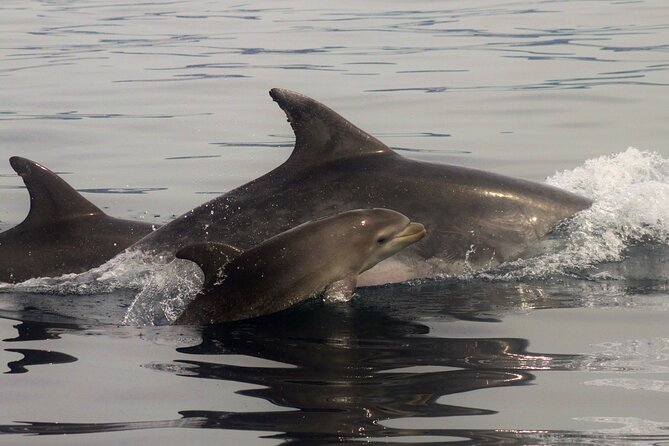
This part is practical, and it’s one of the reasons I’d choose this over a “just-go-and-hope” cruise. After you have your time watching dolphins, the guide teaches you how to observe them, and later you’ll learn how to identify species you saw.
That teaching matters because dolphin behavior can look similar at first glance. Learning what marks to pay attention to and how pods move can change the whole experience—you start spotting individuals and group patterns instead of only seeing a splash.
Some guides on board are known for a very hands-on approach. In particular, Francisco is mentioned for a focused lesson on recognizing dolphins by markings and watching their behavior, plus whale education when conditions bring that possibility.
Then there’s the follow-up moment after a quick WC break on arrival, where you can stick around for species identification and optional extra fanservice. In plain terms: it turns the boat trip into a mini field lesson, not just a one-time viewing.
Lisbon Landmarks From the Water: Torre de Belém to MAAT
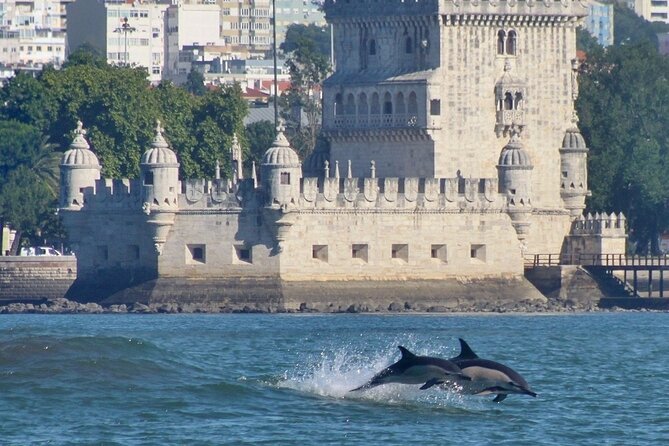
Before arrival, you pass several major Lisbon monuments with short facts along the way. You’re not getting a museum tour. You’re getting quick context while you watch the shoreline slide past.
The named stops you’ll see from the boat route include:
- Torre de Belém
- Padrao dos Descobrimentos
- Ponte 25 de Abril
- MAAT – Museu de Arte, Arquitetura e Tecnologia
The value here is that you leave the cruise with better mental anchors for where you are in Lisbon. Even if you’re already familiar with these spots, the added facts help you link the coastline you just watched with the city you’ll explore later on land.
The tradeoff: this is not a slow, stop-and-stare photo tour. If you’re hoping to get long viewing time at each landmark from land, you’ll need other plans for that.
What to Bring: Cold Water, Sun, and Practical Boat Tips
This is not a “forget your stuff” cruise. The water can be cold even in summer, and warm clothes are not included (jackets aren’t provided). That shows up clearly in feedback—people were glad they brought layers.
I’d pack like this:
- A warm layer for the deck time (even if the morning feels mild)
- Sunscreen (sun + salt air can sneak up on you)
- Water to drink
- Anything you can comfortably handle if spray gets a bit enthusiastic
Also, one very practical note from on-boat advice: if waves splash, keep your legs positioned smartly so you don’t end up with wet shoes. And keep your bag secure while you’re moving around.
The good news is that lifejackets are handled for you, and the crew’s focus on group placement means you’re not constantly fighting for a view.
Price and Value: Does $78.61 Make Sense?
At $78.61 per person, this isn’t a budget-only activity. But it also isn’t a bare-bones “maybe dolphins” ride.
The value comes from a few concrete inputs:
- A maximum group size of 10, which improves both comfort and the quality of the instruction
- A professional guide plus a driver/guide team setup
- Lifejackets included
- Real search effort: up to 40 miles and the built-in option for an extra hour of dolphin searching
- A learning component for species identification and dolphin observation
If you’re the type who likes wildlife experiences and you want more than a quick glance, this price can feel fair. You’re paying for effort, instruction, and time on the water—not just transportation.
If you’re only interested in scenery and don’t care much about animal spotting, you may feel the cost more sharply. This tour’s core is the hunt and the teaching around it.
Who This Tour Fits Best (And Who Should Think Twice)
This is a great match if you:
- Like wildlife watching and want to learn how to spot animals better
- Prefer a smaller group instead of big-boat crowds
- Want a guide who helps you understand behavior, not just point at fins
- Are traveling with kids who can handle boat time (children must be accompanied by an adult)
It may be less ideal if:
- You struggle with the motion of a boat and anything that feels like impact activity is hard for you
- You’re expecting warm comfort on deck (plan for cold water and wind)
- You need a restroom on board (it’s not included)
Also, the tour runs with a minimum number of passengers, so there’s a chance you’ll need a reschedule if the group threshold isn’t met due to that requirement.
Should You Book Lisbon Dolphins? My Decision Guide
If your main goal is a dolphin outing that’s built around real searching and real learning, I think this is a strong choice. The combo of small group size, a guide-focused observation lesson, and the included extra hour of search when sightings are slow makes it feel like the crew is trying to do the work—not just fulfill a time slot.
Book it if you’re willing to dress for the water (seriously, pack layers) and you’re okay with the fact that wildlife sightings can’t be guaranteed. Book it too if you like the idea of passing major Lisbon landmarks while you’re already out on the water.
Skip it only if cold deck time and boat motion would ruin the experience for you, or if you need a totally stable, land-like environment.
FAQ
Where do we meet for the Lisbon Dolphins tour?
You meet at Doca de Santo Amaro, 1300 Lisbon, Portugal (just under the bridge). The activity ends back at the same meeting point.
What time does the tour start, and how long is it?
The tour starts at 9:30 am and lasts about 3 hours (approx.). An extra hour of dolphin searching may be added if needed.
Is the tour in English?
Yes. The tour is offered in English.
How many people are on the boat?
The tour has a maximum of 10 travelers.
What’s included and what should I bring?
Included: driver/guide, professional guide, lifejackets, all fees and taxes, and an extra hour of dolphin search if needed (plus up to 40 miles of search). Bring snacks/lunch (not included), and pack warm layers since jackets/warm clothes are not provided.
Is there a restroom on board?
No restroom on board is listed as included. There is a quick WC break after arrival.
What happens if dolphins are not found right away?
If dolphins aren’t found during the initial search, the crew goes to areas with higher sighting chances. There is also an extra hour of dolphin searching included if needed.
Is it suitable for children?
Children must be accompanied by an adult, and most people can participate.
What kind of wildlife are you looking for?
The tour focuses on dolphins. It also aims to spot wildlife such as sea turtles and seabirds, and it may include whales depending on conditions and sightings.