REVIEW · FARO
Sunset Dolphin Watching with Marine Biologists
Book on Viator →Operated by Ocean Vibes Algarve · Bookable on Viator
The sky does the heavy lifting for this trip. You’re out on the water near sunset in Faro, chasing dolphins and other marine life, with marine biologists running the search. I like that this is not just spotting wildlife; you also get an onboard briefing about rules and what to expect as you cruise through the Ria Formosa Natural Park.
Two things really land for me. First, the guides Pedro and Diego combine friendly energy with real marine know-how, and it shows in how they handle the group. Second, the emphasis on education and scientific data makes the whole outing feel meaningful, not random.
One consideration: this experience depends on good weather, and if conditions aren’t right you’ll need to shift dates (or get a refund). If you’re visiting during a changeable season, bring flexible plans.
In This Review
- Key Highlights at a Glance
- Why Sunset Dolphin Watching in Faro Feels Different
- Getting Started at Ocean Vibes Algarve in Faro
- The Pre-Departure Briefing on Ria Formosa Rules and What to Watch For
- Out to the Ocean: Marine Biologists Track Dolphins, Whales, Sharks, and Birds
- How the Sunset Changes the Game (and What Weather Can Do)
- Marine Science on Board: Education and Real Data Collection
- What’s Included: Life Jackets and the On-Water Safety Basics
- What to Pack for a 2.5-Hour Sunset Trip
- Price and Value: Is $78.31 Worth It?
- Who This Experience Suits Best
- Booking Smart: Timing, Expectations, and Weather Reality
- Should You Book This Sunset Dolphin Watching Tour?
- FAQ
- Where does the tour start and end?
- How long is the sunset dolphin watching experience?
- How much does it cost?
- What language is the tour offered in?
- Is the ticket mobile?
- What’s included in the price?
- What should I bring since it’s not included?
- Do I get a confirmation after booking?
- Is this a private tour?
- What happens if weather is poor?
- Can I cancel for a full refund?
Key Highlights at a Glance
- Sunset timing in Faro for softer light and a calmer-feeling cruise
- Marine biologists on board actively searching for dolphins, whales, and more
- Clear onboard briefing before heading into the ocean search zone
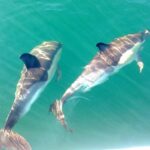
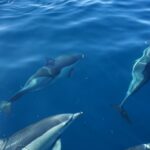
- High-quality sighting targets like common, bottlenose, and striped dolphins
- Education with a practical angle, including how they collect research data
- Small-group vibe as a private tour, just your group with the biologists
Why Sunset Dolphin Watching in Faro Feels Different
Faro sits next to one of Portugal’s most interesting coastal ecosystems: the Ria Formosa Natural Park. When you watch marine life here, it’s not just about wildlife luck. You’re literally cruising through habitat that supports birds, dolphins, and other ocean visitors.
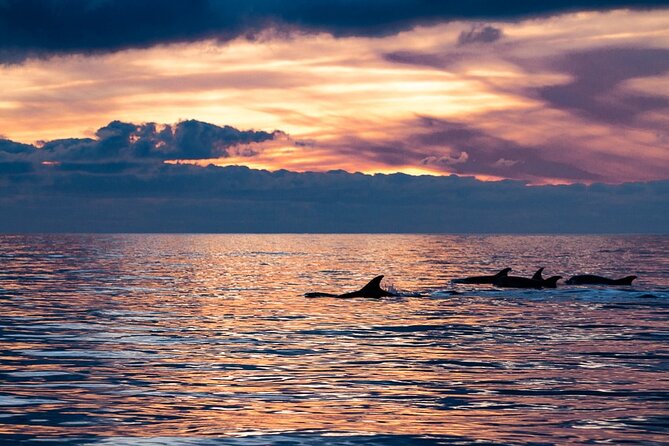
The sunset piece matters more than people expect. Low light can make the sea feel more cinematic, and the timing often brings a sense of calm to the water. That sets you up to focus on spotting—because with wildlife, the best moments tend to be quick.
I also like that the trip is built around learning in real time. A marine biologist team doesn’t just point and hope. They’re focused on finding dolphins and whales, and they’re using the outing to gather research info while sharing what they’re looking for.
You can also read our reviews of more tours and experiences in Faro.
Getting Started at Ocean Vibes Algarve in Faro
Your tour starts at Ocean Vibes Algarve Ocean Emotions, Passeio Abu Sào Ibn Harune Loja B, 8000-541 Faro. The activity also ends back at the meeting point, so you’re not piecing together extra transport at the end of your evening.
You’ll also appreciate that the meeting area is near public transportation. That makes it easier to slot into a day in Faro without turning the schedule into a logistics puzzle.
The company provides a mobile ticket, and you’ll receive confirmation at the time of booking. I like that this removes a lot of last-minute guesswork—show up, find your group, and get moving.
The Pre-Departure Briefing on Ria Formosa Rules and What to Watch For
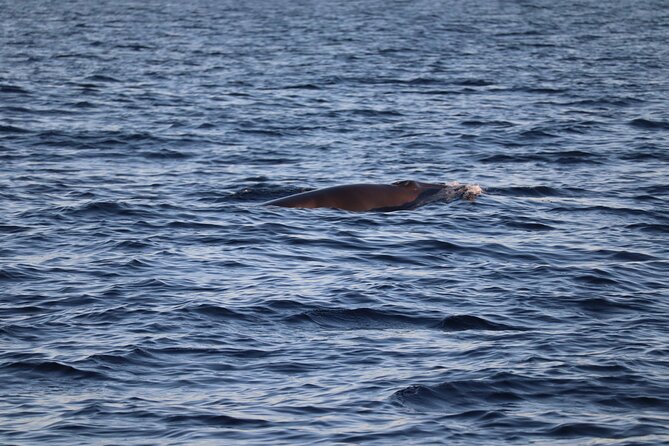
Before you head into the ocean search area, you get a briefing on board. This matters because dolphin and whale watching has real rules, not just polite requests. You’ll learn how to behave on the boat so you don’t disturb wildlife and so the crew can keep searching effectively.
Cruising through the Ria Formosa Natural Park is part of the experience rhythm. You’re getting oriented while the team sets expectations for what may appear. If you’re new to marine wildlife watching, this is a big help—you’ll know where to focus your attention rather than staring blankly at open water.
Also, this is offered in English, so you can ask questions and follow the explanations without working too hard to translate. If you’re traveling with friends who are less into science, the team’s style still tends to keep it fun and practical.
Out to the Ocean: Marine Biologists Track Dolphins, Whales, Sharks, and Birds
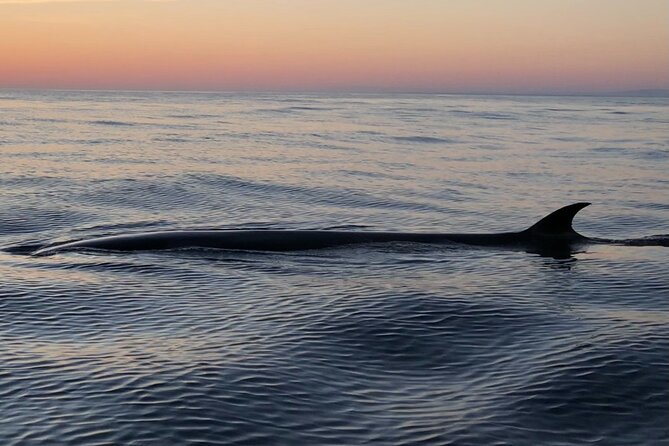
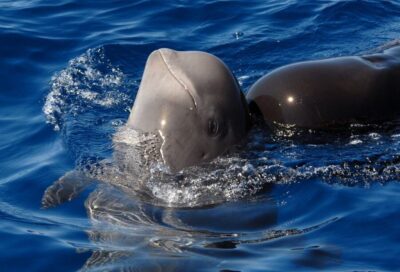
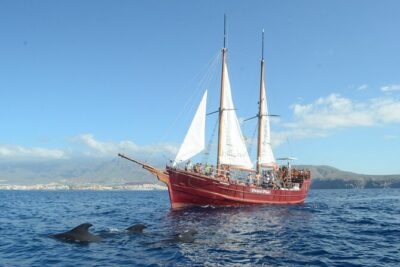
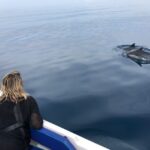
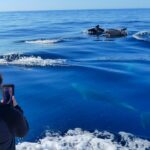
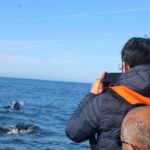
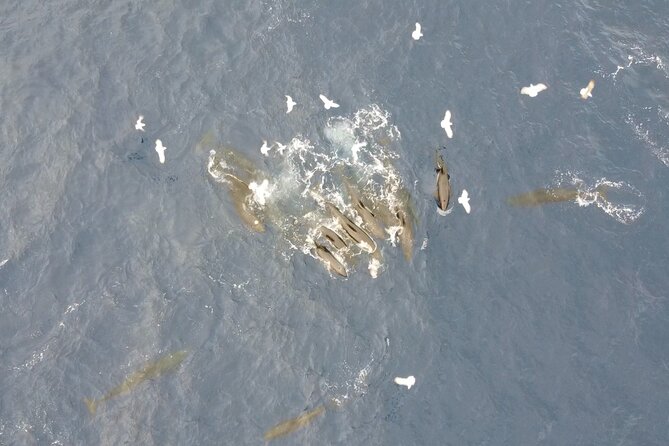
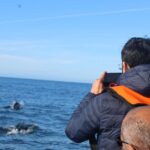
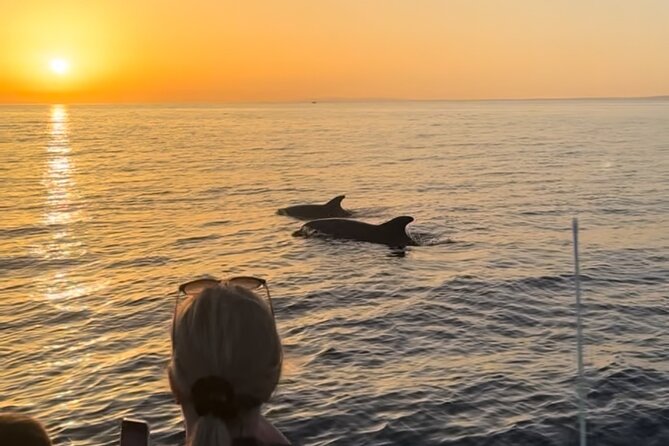
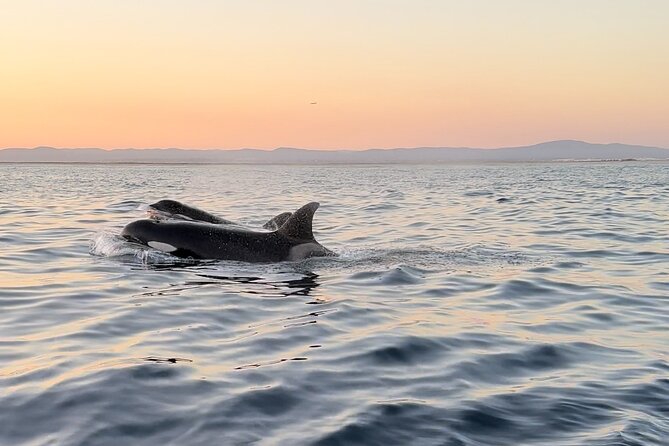
Once you reach the ocean, the marine biologists shift into search mode. The goal is to find dolphins, whales, and other marine life close to sunset. That timing can create magical sightings when the sky cooperates, but it also gives the crew a consistent window to work with.
Here are the most likely species based on the experience description:
- Common Dolphins
- Bottlenose Dolphins
- Striped Dolphins
- Sharks
- Marine birds
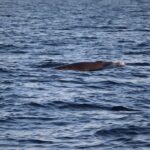
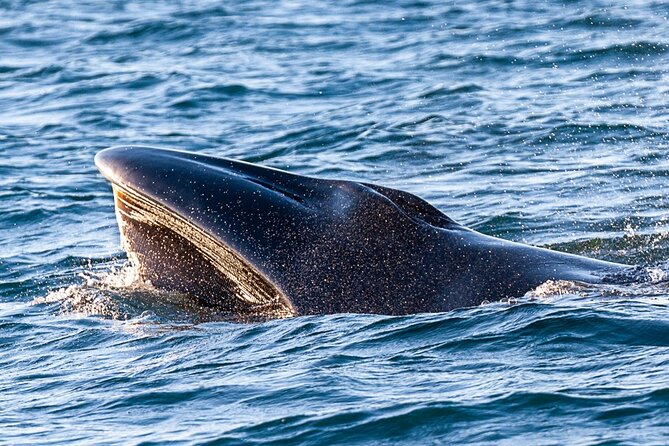
In late winter and spring, the odds can tilt toward bigger whales such as Fin whales and Minke whales. If you’re traveling in a different season, smaller cetaceans are still the primary focus, and you should still expect good wildlife chances as the biologists look for signs.
What I find valuable is that this isn’t random sightseeing. The team is focused on spotting and, at the same time, gathering research observations. That’s one reason the outing can feel more like guided wildlife tracking than a simple boat ride.
How the Sunset Changes the Game (and What Weather Can Do)
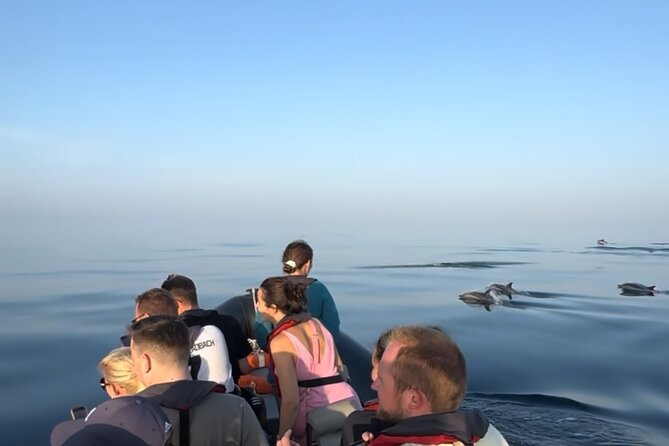
Sunset is a double win here: the sky can look incredible, and the sea can feel calmer than midday. The experience description leans hard into those magical moments—where dolphins or whales appear against the evening light. Even if you’ve done boat tours before, this timing tends to make it feel special.
But the weather requirement is real. The activity requires good weather, and if it’s canceled due to poor conditions, you’ll either get offered a different date or a full refund. I recommend booking with flexible plans if your schedule is tight.
Also, remember that the ocean is unpredictable. You’re going out to look for animals, not to attend a guaranteed show. The biologists do their job, but your best move is to bring the right mindset: go for the process, not only the checklist.
Marine Science on Board: Education and Real Data Collection
This tour has a strong educational angle. The marine biologists are gathering valuable scientific data for research during the trip, while also explaining what they’re seeing and why it matters.
That changes how you experience the boat. Instead of only thinking, I hope we see something, you also start noticing patterns. For example, you’re more likely to pay attention to where the team directs you, what kinds of behavior they’re scanning for, and how they describe species differences.
One of my favorite signals from the experience is the human side. The tour guides Pedro and Diego come across as both friendly and attentive to passengers’ needs. That matters because wildlife watching can be tiring—standing, looking, shifting position for sightlines. When someone is thoughtful about the group, the whole vibe stays relaxed.
What’s Included: Life Jackets and the On-Water Safety Basics
The tour includes life jackets. That’s a solid baseline for comfort and safety on the water, and it means you don’t have to bring your own gear.
The experience does not include wind coats or water. So if you run cold easily, plan for it. Even if Faro is warm on land, being on a boat at sunset can cool you down fast.
Also, since this is a private tour/activity, only your group participates. That’s a nice benefit if you want less crowd noise and more attention from the crew.
What to Pack for a 2.5-Hour Sunset Trip
This lasts about 2 hours 30 minutes (approx.), so you don’t need to travel with a mountain of supplies. Still, you’ll be happiest if you show up prepared.
I’d bring:
- A light wind layer (because you’re on the water and it can feel colder near sunset)
- Water (since it’s not included)
- Anything you need for sun protection if the day before sunset is bright
If you have motion sensitivity, it’s also smart to plan for boat movement, even though the data here doesn’t mention a specific mitigation setup. Better safe than sorry.
One more practical tip: wear shoes you’re comfortable moving in. You’ll likely shift positions while looking out for sightings.
Price and Value: Is $78.31 Worth It?
At $78.31 per person, you’re paying for more than a generic boat ride. You’re covering time on the water near sunset, plus the real differentiator: marine biologists actively searching for dolphins and whales and collecting research data while educating you.
Here’s how I’d frame the value:
- Time at sea with a focused mission instead of idle cruising
- Biologist-led spotting for common dolphins, bottlenose dolphins, and striped dolphins, with season-based whale chances
- Life jackets included, which cuts down on what you must bring
- A private group format, meaning your group gets the crew’s attention
Is it cheap? No. But it’s not overpriced in the way some wildlife tours can be when the experience is mostly watch-and-wait. In this case, the scientific and educational elements suggest you’re getting structure, not just luck.
A practical note: this is commonly booked about 9 days in advance on average. If you know your dates, I’d reserve earlier so you’re not stuck with only less convenient times.
Who This Experience Suits Best
This is a great fit if you:
- Want a sunset outing in Faro that feels more like an experience than a checklist activity
- Like wildlife watching but also want explanations in plain English
- Enjoy guided learning, especially when marine researchers are part of the process
- Prefer a private tour so your group stays together with the biologists
If you’re traveling with kids or people who get bored quickly, the briefing and the active search can help. And when the guides are attentive—like Pedro and Diego reportedly are—it makes the trip feel less stiff and more welcoming.
On the other hand, if you need guaranteed whale sightings no matter what, you should manage expectations. This is still nature. Your best strategy is to go with curiosity and patience.
Booking Smart: Timing, Expectations, and Weather Reality
If you want the most comfortable experience, aim for a day when the weather looks stable. The activity requires good weather, and you’ll want to avoid the stress of last-minute changes.
When you book, confirmation arrives at the time of booking, which is helpful. And since free cancellation is available, you can adjust if your plans shift—just pay attention to the cutoff time described for full refunds.
Also, keep your expectations aligned with what’s likely. Common dolphins, bottlenose dolphins, and striped dolphins are the main targets. In late winter and spring, you may have a shot at fin or minke whales. That seasonality is worth considering when you choose your travel dates.
Should You Book This Sunset Dolphin Watching Tour?
I’d book it if you want a Faro boat experience that’s guided, educational, and designed around actual marine science. The biologists searching on board, the structured briefing, and the likely dolphin sightings make it feel like you’re doing something purposeful, not just paying for time on the water.
Skip it only if you can’t handle weather-dependent plans or if your schedule is too rigid to accommodate a possible date change. Otherwise, this is exactly the kind of outing that turns a normal evening by the coast into a memorable wildlife moment—especially when the sunset sky cooperates.
FAQ
Where does the tour start and end?
It starts at Ocean Vibes Algarve Ocean Emotions in Faro and ends back at the same meeting point.
How long is the sunset dolphin watching experience?
It lasts about 2 hours 30 minutes (approx.).
How much does it cost?
The price is $78.31 per person.
What language is the tour offered in?
The experience is offered in English.
Is the ticket mobile?
Yes, it includes a mobile ticket.
What’s included in the price?
Life jackets are included.
What should I bring since it’s not included?
Wind coats and water are not included, so you’ll want to bring them if you think you’ll need them.
Do I get a confirmation after booking?
Yes, you receive confirmation at the time of booking.
Is this a private tour?
Yes, it’s a private tour/activity, and only your group participates.
What happens if weather is poor?
The experience requires good weather. If it’s canceled due to poor weather, you’ll be offered a different date or a full refund.
Can I cancel for a full refund?
Yes. Free cancellation is available if you cancel up to 24 hours in advance for a full refund.